In recent years, the focus on plant-based diets has surged. Understanding "how much vegetal protein should you eat daily" is crucial for those adopting this lifestyle. According to a report by the Plant-Based Diets and Nutrition Group, an adult should aim for 46-56 grams of protein daily, depending on age and activity level. This represents a significant consideration for individuals seeking optimal health through a vegetarian lifestyle.
Dr. Sarah Thompson, a nutrition expert and author, emphasizes, “Integrating diverse sources of vegetal protein is key to meeting daily requirements.” Specific foods, like lentils, chickpeas, and quinoa, can contribute substantially to one’s protein intake. Typically, one cup of cooked lentils provides about 18 grams of protein. However, many people underestimate the amount needed.
Realistically, achieving the ideal intake requires attention and planning. It’s easy to overlook protein sources, leading to deficiencies. Despite the abundance of plant protein options, individuals must be mindful to include varied sources in their diets. Tracking daily intake can highlight gaps and areas for improvement. Striking a balance is essential for both health and well-being.
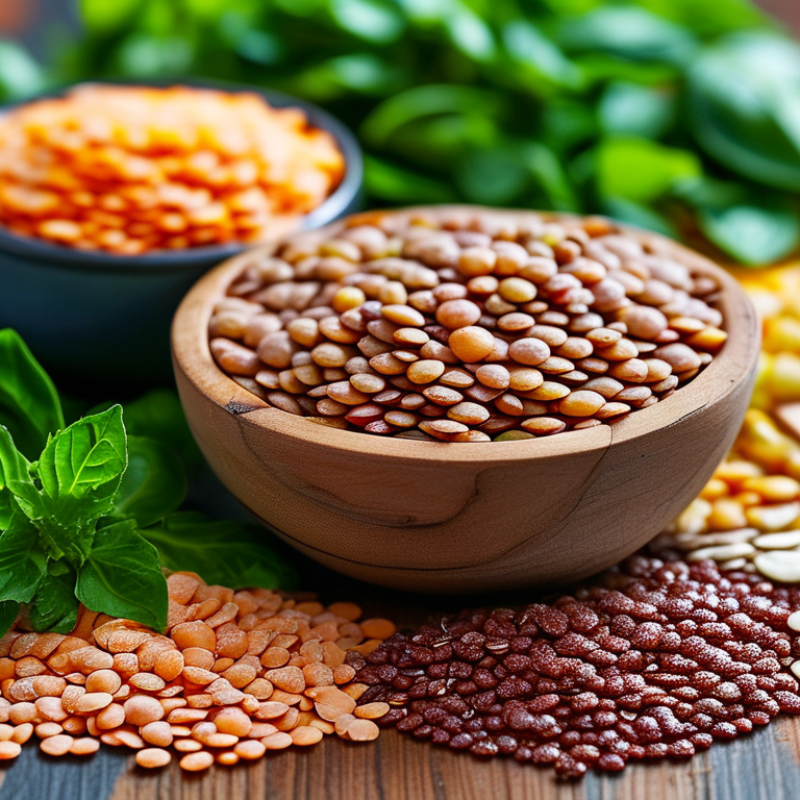
Daily Recommended Intake of Vegetal Protein for Adults
The daily recommended intake of vegetal protein for adults varies based on several factors, including age, sex, and activity level. Generally, adults should aim for approximately 0.8 grams of protein per kilogram of body weight. For instance, a 70 kg adult requires about 56 grams of protein daily. This requirement may increase for individuals participating in intense physical activity, where intake might be around 1.2 to 2.0 grams per kilogram.
A report by the Food and Agriculture Organization (FAO) highlights that most adults fall short in their protein intake, particularly vegetal sources. Incorporating diverse plant-based proteins can aid in meeting these needs. Foods such as lentils, chickpeas, quinoa, and tofu are excellent choices. These sources provide essential amino acids and other nutrients.
**Tip:** Experiment with different recipes to include a variety of plant proteins in your diet. Don’t shy away from trying new legumes or grains. Another suggestion is to blend nut butters into smoothies for a nutrient boost. Remember, consistency is key in achieving the right balance of protein intake. If you constantly find it challenging to meet these recommendations, reflect on your eating habits and consider consulting a nutritionist for personalized guidance.
Understanding Different Sources of Vegetal Proteins
When it comes to vegetal proteins, understanding their sources is essential for a balanced diet. Beans and lentils provide a rich source of protein along with fiber and essential nutrients. For example, black beans deliver about 15 grams of protein per cup while ensuring you stay full longer. They can easily be incorporated into various dishes, from soups to salads.
Nuts and seeds also contribute significantly to your protein intake. Almonds and chia seeds are great choices. A handful of almonds contains around 6 grams of protein. Chia seeds offer more than just protein; they pack omega-3 fatty acids too. While these sources are nutrient-dense, portion control is necessary to avoid excessive calorie intake.
To ensure you’re getting enough protein, diversify your diet. Try combining different protein sources for a more complete amino acid profile. However, many people overlook this aspect. A diet solely based on one protein type can lead to deficiencies. Tracking your intake can highlight gaps in your nutrition. Balancing variety and moderation is key to achieving optimal health through vegetal proteins.
2026 Best Daily Vegetal Protein Intake
This chart illustrates the recommended daily intake of various sources of vegetal proteins. The values represent the grams of protein per 100 grams of each food source, providing a comparative view of the protein content in commonly consumed plant-based foods.
Comparing Vegetal Proteins to Animal Proteins
When comparing vegetal proteins to animal proteins, several factors come into play. Vegetal proteins, found in beans, lentils, and nuts, are often lower in saturated fats. They also provide fiber, which is beneficial for digestive health. However, some vegetals may lack specific essential amino acids, which are crucial for muscle repair and growth. This is a critical consideration for those focused on athletic performance or bodybuilding.
On the other hand, animal proteins, like chicken, fish, and eggs, generally contain all essential amino acids. They are often considered complete proteins. However, they can come with higher levels of cholesterol and saturated fat. For individuals watching their heart health, this could be a concern. Balancing both protein types in your diet can provide the best of both worlds.
To optimize protein intake, consider combining different sources. Eating rice with beans or hummus with whole grain bread can ensure you receive a complete amino acid profile. Still, it’s essential to reflect on personal dietary needs. A one-size-fits-all approach may not work. Listen to your body and choose what feels right for you.
Factors Influencing Individual Protein Needs
When considering daily vegetal protein intake, individual needs vary significantly. Factors influencing these needs include age, activity level, gender, and health status. The Academy of Nutrition and Dietetics suggests adults require 0.8 grams of protein per kilogram of body weight daily. However, athletes may need between 1.2 to 2.0 grams per kilogram for optimal performance.
Dietary sources also play a role. Some individuals thrive on legumes, while others may rely more on grains or nuts. A study published in the Journal of the International Society of Sports Nutrition found that plant-based proteins can provide sufficient amino acids if consumed in varied sources. This diversity is crucial. It helps meet personal nutritional needs, and lacking variety can lead to deficiencies.
Tips: Try rotating protein sources to cover all essential amino acids. Add lentils to salads or quinoa to stir-fries. Monitor your body’s response. Adjust portions and types of protein based on energy levels and recovery. If you’re feeling fatigued, consider revising your protein intake strategy.
Tips for Incorporating More Vegetal Proteins into Your Diet
Incorporating more plant-based proteins into your diet can be beneficial for health. Studies show that increasing vegetal protein intake may lower the risk of chronic diseases. According to the World Health Organization (WHO), a diet rich in legumes, nuts, and whole grains can significantly contribute to daily protein needs. Aim for at least 50 grams of plant protein daily.
To include more plant proteins, start with legumes. Lentils and chickpeas are versatile and protein-rich. You can add them to salads or soups for extra nutrition. Quinoa is another excellent choice. It contains all nine essential amino acids. Many people overlook it but it’s easy to prepare and filling. Cooking methods matter too. Overcooking can destroy some protein content, so keep it al dente.
Snacking on nuts or seeds can also help reach your protein goals. A handful of almonds or pumpkin seeds offers a quick protein boost. However, portion control is essential, as they are calorie-dense. It’s a good idea to plan meals ahead to avoid relying on processed options. This strategy ensures you get quality protein throughout the day. Reflect on your habits. Look for ways to replace meat with plant proteins. Each small change adds up.
2026 Best Daily Vegetal Protein Intake - Tips for Incorporating More Vegetal Proteins into Your Diet
| Vegetal Protein Source |
Protein Content (grams per 100g) |
Recommended Daily Serving (grams) |
Benefits |
| Lentils |
9 |
200 |
High in fiber; great for heart health. |
| Chickpeas |
8.9 |
150 |
Rich in iron and magnesium; supports weight management. |
| Quinoa |
4.1 |
185 |
Complete protein; contains all essential amino acids. |
| Tofu |
8 |
150 |
Low in calories; versatile for various dishes. |
| Tempeh |
19 |
100 |
High in probiotics; great for digestive health. |
| Peas |
5 |
200 |
Packed with vitamins A, C, and K. |
Conclusion
The article "2026 Best Daily Vegetal Protein Intake: How Much Should You Eat" explores essential information about the daily recommended intake of vegetal protein for adults. It emphasizes the importance of understanding various sources of vegetal proteins, such as legumes, nuts, and grains, in contrast to traditional animal proteins. Moreover, the piece outlines factors that influence individual protein needs, which can vary based on age, activity level, and overall health.
To answer the question of "how much vegetal protein should you eat daily," the article provides guidance on incorporating sufficient amounts of these proteins into your diet. Practical tips are offered to help individuals enhance their meals with vegetal sources, ensuring they meet their nutritional requirements while enjoying a diverse and plant-based diet. Overall, the article serves as a valuable resource for those looking to optimize their protein intake and make informed dietary choices.

 Entry Biology