Innovative Bio-solutions harvested with strict quality control for high-performance formulation demands
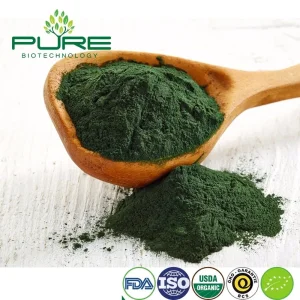
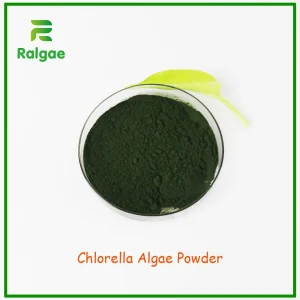
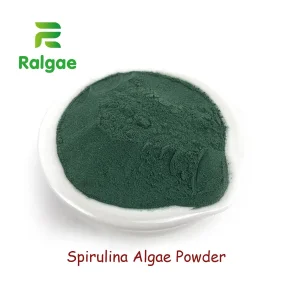
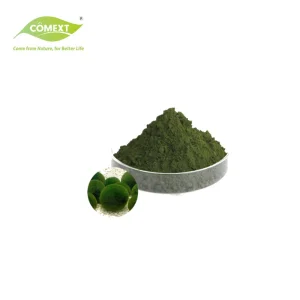
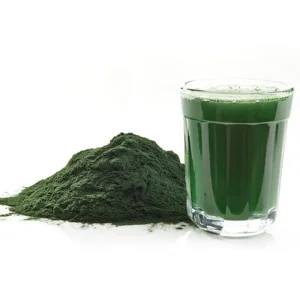
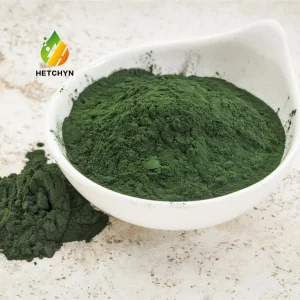
As the global food landscape faces unprecedented pressures from environmental degradation, climate volatility, and shifting demographics, the search for highly functional, resource-efficient, and allergen-free vegetal proteins has reached a critical turning point. Microalgae proteins, primarily derived from Spirulina (Arthrospira platensis) and Chlorella (Chlorella vulgaris), are transitioning from niche health food supplements to foundational ingredients in the broader industrial food and feed supply chain.
Unlike traditional crops like soy, pea, and wheat, microalgae represent a vertical farming revolution. They require minimal arable land, exhibit exceptional carbon-capture capacity, and feature a comprehensive nutritional profile. For multinational food corporations and raw ingredient distributors, algae proteins offer a key strategic advantage in aligning with environmental, social, and governance (ESG) targets while satisfying the growing demand for clean-label, plant-based products.
Decoding the macroeconomic drivers and regulatory landscape shaping the future of microalgae protein exports
Modern consumers actively avoid artificial additives, leading to a surge in clean-label formulations. Naturally pigmented proteins like phycocyanin-rich spirulina serve double duty as nutrient-dense proteins and natural colorants, replacing synthetic FD&C dyes in premium applications.
Active lifestyles and senior wellness drives demand for fast-absorbing protein blends. With a balanced PDCAAS (Protein Digestibility-Corrected Amino Acid Score), microalgae protein powders are increasingly blended with pea and rice proteins to eliminate amino acid deficiencies.
Navigating global compliance is critical. Industrial algae exporters must meet strict thresholds for heavy metal content, pesticide residues, and microbial profiles, ensuring certifications like USDA Organic, EU Organic, Halal, Kosher, and GRAS status.
As a benchmark vegetal protein manufacturer in China, Hangzhou Entry Bio Co., Ltd. spearheads the implementation of Factory 4.0 methodologies within the microalgae processing sector. Our production model merges digital intelligence with biological science, ensuring consistent quality even under challenging geopolitical and macroeconomic conditions.
Our facility integrates automated closed-loop photo-bioreactors (PBR) alongside custom glass-walled raceway ponds. By using automated systems to monitor pH, temperature, dissolved oxygen, and light intensity, we minimize environmental contamination risks associated with traditional open cultivation.
Furthermore, our state-of-the-art physical disruption line utilizes high-pressure cell-wall pulverization. This process breaks the rigid cellulose outer shell of Chlorella vulgaris, raising the bioavailability of its protein, vitamins, and minerals without chemical degradation.
From raw material sourcing to finished product delivery, every production stage is carefully monitored to ensure consistent quality, purity, and performance. Hangzhou Entry Bio Co., Ltd. adheres to international quality standards and continuously invests in product innovation to meet the evolving demands of the global plant-based market.
As a reliable plant protein ingredients supplier, we also provide professional technical support and customized formulation services, helping customers develop competitive, market-oriented products. Backed by an experienced R&D team and efficient supply chain management, our company delivers tailored solutions for diverse application requirements.
Dedicated to promoting sustainable nutrition and healthy lifestyles, Hangzhou Entry Bio Co., Ltd. strives to be a trusted global partner for food manufacturers seeking premium vegetal proteins and innovative food-grade protein solutions.
A comparative structural analysis highlighting the functional supremacy of microalgae protein fractions
Microalgae proteins are highly regarded because they contain all essential amino acids (EAAs) in ratios that align with WHO/FAO nutritional guidelines. In particular, the branched-chain amino acids (BCAAs)—leucine, isoleucine, and valine—are highly abundant in both Spirulina and Chlorella, making them effective alternatives to dairy whey.
To maximize this potential, Hangzhou Entry Bio's processing technology optimizes the mechanical cell-wall disruption ratio to over 85%, ensuring digestive enzymes can easily access intracellular proteins. This maximizes the Net Protein Utilization (NPU) and provides a clean sensory profile that blends well in food applications.
Beyond basic nutrition, algae protein isolates offer functional properties crucial for food formulators:
Translating raw algae protein ingredients into high-performing consumer products
Formulating with our Spirulina and Blue-Green Algae concentrates helps brands create nutrient-rich energy bars. These proteins provide structural cohesion, a soft bite profile, and steady energy release, preventing the hard, chalky texture common in high-protein bars over time.
Our broken-shell chlorella and spirulina powders are dry-milled to ultra-fine particle sizes (<15 microns). This structure helps them disperse quickly in cold liquids, reducing sedimentation in shaker cups and smoothies for a smoother mouthfeel.
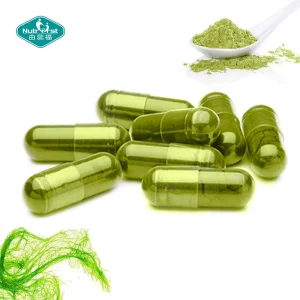
Specifically developed for tableting and encapsulation, our premium algae powders feature high bulk density and low compressibility resistance, enabling clean capsule filling and strong tablet cohesion without heavy binding agents.
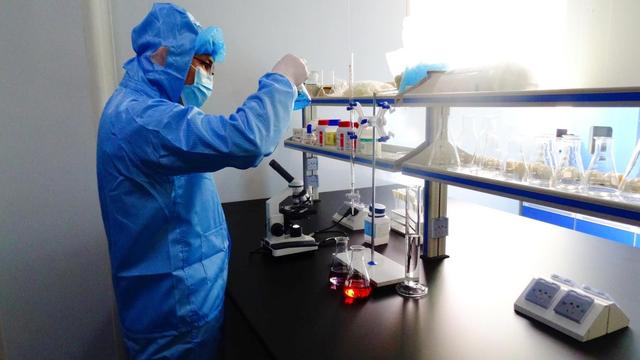
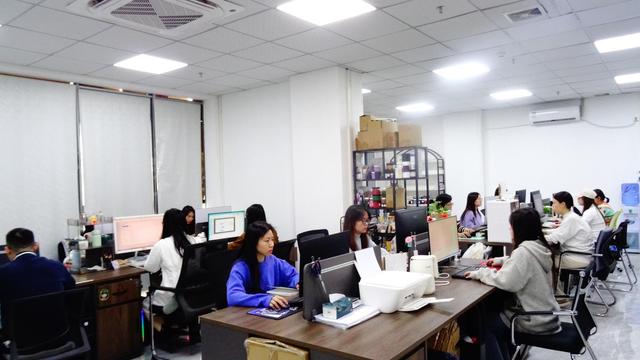
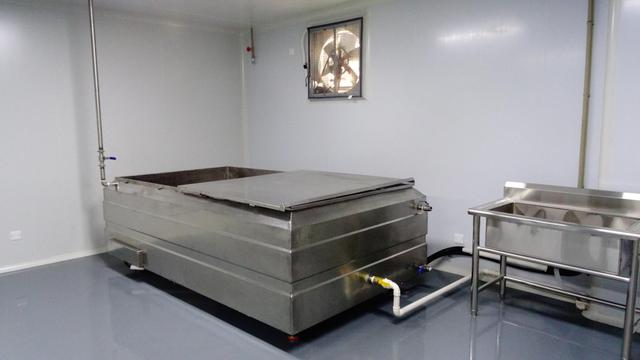
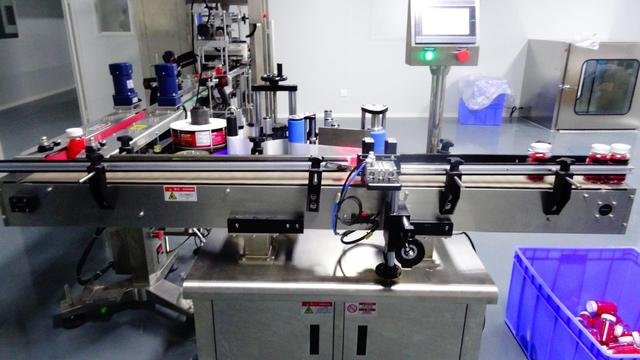
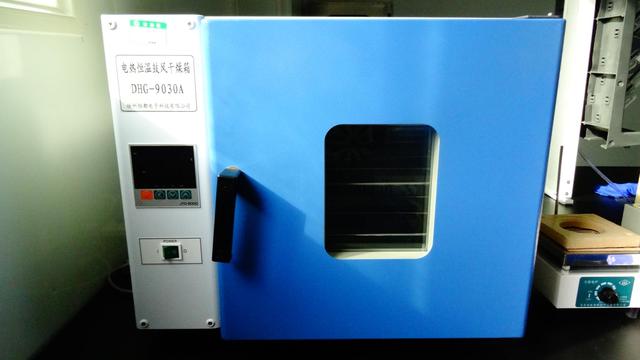
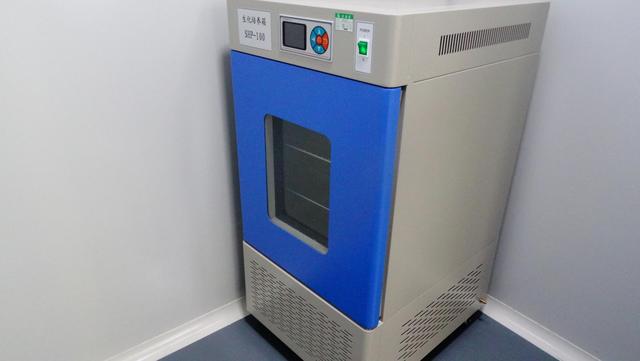
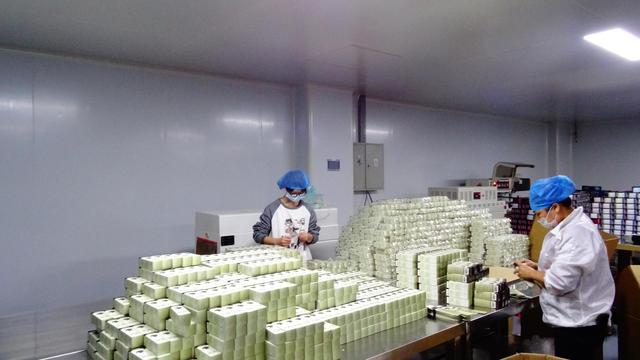
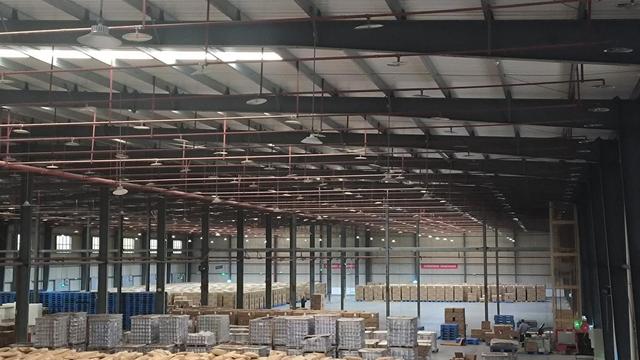
Take a virtual tour of Hangzhou Entry Bio's state-of-the-art production environments, extraction pipelines, and R&D facilities


Answering major technical, regulatory, and application questions for procurement managers
Spirulina (a multicellular cyanobacteria) naturally lacks a cellulose cell wall, making it highly digestible in its raw state. It is rich in phycocyanin and protein (up to 65%-70%). Chlorella (a single-celled green alga) has a rigid cell wall that requires mechanical disruption (broken-shell processing) to ensure bioavailability. Chlorella is rich in chlorophyll and the unique Chlorella Growth Factor (CGF).
We source pure, deep groundwater for cultivation, avoiding contaminants common in surface water. Every batch undergoes strict testing via Inductively Coupled Plasma Mass Spectrometry (ICP-MS) to ensure lead, arsenic, mercury, and cadmium levels fall well below rigorous EU and FDA limits.
Our production facilities maintain comprehensive certifications, including ISO 22000, HACCP, USDA Organic, EU Organic, Halal, Kosher, and GMP compliance. We also provide complete COA (Certificate of Analysis) and allergen statements for every production lot.
While algae proteins offer a complete amino acid profile, their natural green color and distinct profile mean they are often used as functional, value-add components in custom blends (ranging from 10% to 40% inclusion) alongside pea, rice, or soy protein to optimize color, taste, and cost.
Our bulk algae powders have a shelf life of 24 months when stored in original, unopened vacuum packaging. They should be kept in a cool, dry place away from direct sunlight, strong odors, and moisture.
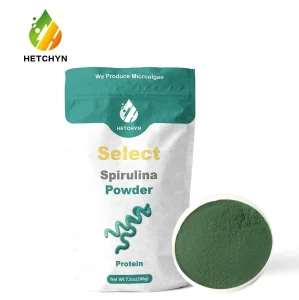
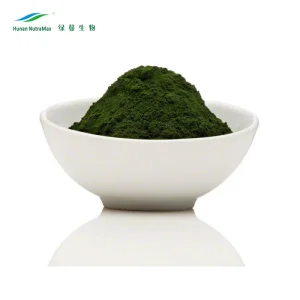
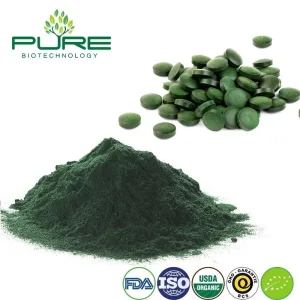
Select from our high-purity microalgae powders, customized blends, and capsule formulations
 Entry Biology