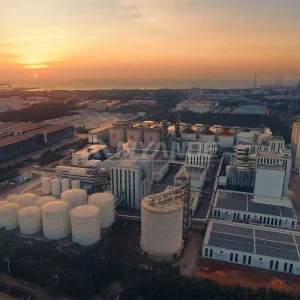
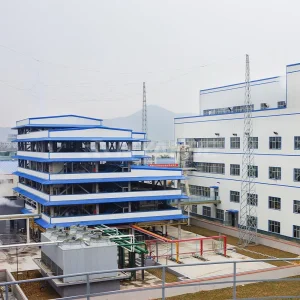
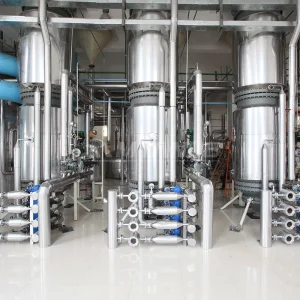
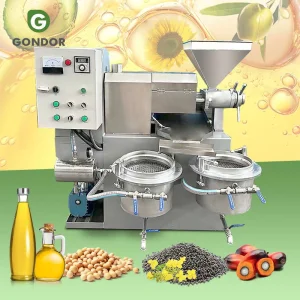
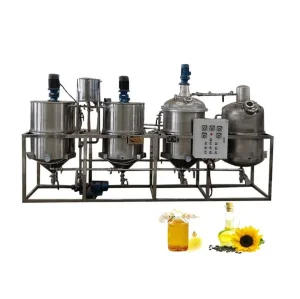
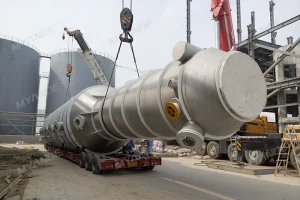
Explore our premium range of large-capacity expellers, refineries, and cold-process extruders designed for global edible oil and high-yield protein seed processing.
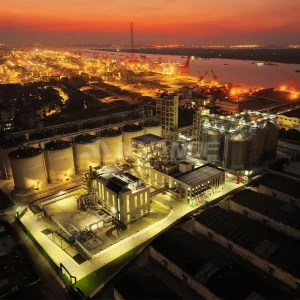
As the global market transitions toward clean-label and hypoallergenic plant-based alternatives, Canola Protein has emerged as a frontrunner. Distinguished by its balanced amino acid profile and exceptional thermal gelation properties, it fills the functional gaps left by soy, wheat, and pea proteins. Manufacturers worldwide are turning to canola proteins to meet consumer demands for non-GMO, allergen-free, and clean-tasting options.
Unlike soy and wheat, canola protein is free from major allergens, making it an excellent choice for clean-label infant formulas, clinical nutrition, and mass consumer products.
Exhibits superior solubility, water-binding capacity, and high-performance emulsification, suitable for cold-filled beverages and meat matrices.
Derived as a co-product of canola seed processing, maximizing output value from existing agricultural press and extraction systems.
Canola protein isolates consist of two major storage globulin fractions: Cruciferin (12S globulin) and Napin (2S albumin). These fractions dictate the functional attributes of the finished isolate:
Through advanced enzymatic modification and membrane filtration, Hangzhou Entry Bio Co., Ltd. customizes the Cruciferin-to-Napin ratio to align with specific customer requirements, spanning from sports nutrition beverages to low-viscosity dressings.
| Parameters | Canola Protein Isolate | Soy Protein Isolate | Pea Protein Isolate |
|---|---|---|---|
| Protein Content (Dry Basis) | ≥ 90% | ≥ 90% | ≥ 80% |
| PDCAAS Value | 0.98 - 1.0 | 0.96 - 1.0 | 0.78 - 0.85 |
| Allergenic Status | Hypoallergenic | Major Allergen | Hypoallergenic |
| Sulfur Amino Acids | High (Methionine & Cysteine) | Limiting | Limiting |
| Isoelectric Point (pI) | Multiple (pH 4.5 & 7.0) | pH 4.5 | pH 4.3 |
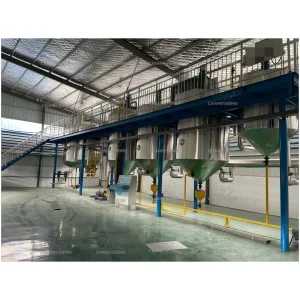
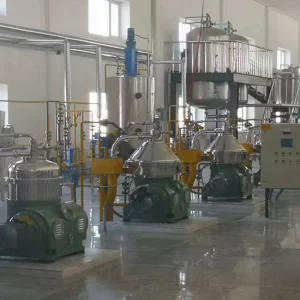
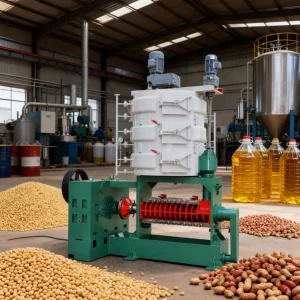
A significant bottleneck in plant protein manufacturing lies in the raw material extraction process. Our industrial systems connect oil expelling and protein isolate production to maximize efficiency and yield. By preserving the protein matrix during low-temperature oil pressing, manufacturers can generate high-grade canola meal suitable for protein isolate extraction.
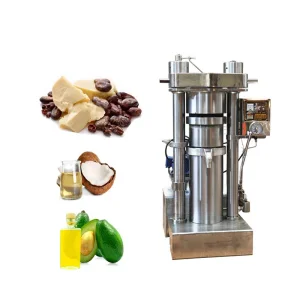
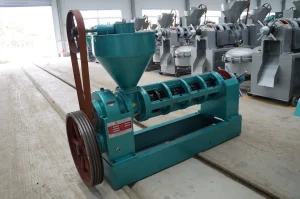
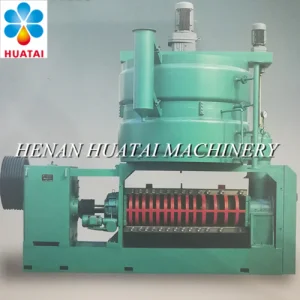
Standard oil extraction plants operate at elevated temperatures, which can denature the protein structure. Our advanced Cold Process Extruder Machine and Edible Oil Press Systems run at controlled lower temperatures, ensuring that proteins retain their molecular structure and biological activity.
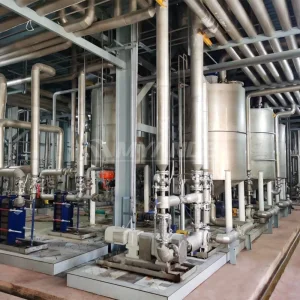
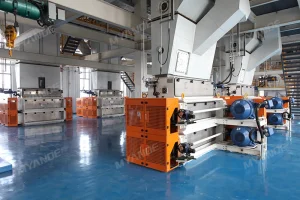
We provide full-scale plant integrations from 50tpd to 10,000tpd capacity. This covers preparation, extrusion, solvent extraction, desolventizing-toasting, and downstream protein purification. This unified design minimizes carbon footprint and maximizes profitability.
Hangzhou Entry Bio Co., Ltd. is a leading China vegetal protein manufacturer specializing in the research, production, and global supply of high-quality plant protein ingredients and food-grade protein solutions. With a strong commitment to innovation, quality, and sustainability, the company serves customers across the food, beverage, nutrition, and health industries worldwide.
Leveraging advanced manufacturing technologies and strict quality management systems, Hangzhou Entry Bio Co., Ltd. offers a comprehensive portfolio of plant-based ingredients, including soy protein, pea protein, rice protein, textured vegetable protein, and customized protein blends. These products are widely used in meat alternatives, dairy alternatives, sports nutrition, functional foods, bakery products, beverages, and nutritional supplements.
Quality and food safety are at the core of the company's operations. From raw material sourcing to finished product delivery, every production stage is carefully monitored to ensure consistent quality, purity, and performance. The company adheres to international quality standards and continuously invests in product innovation to meet the evolving demands of the global plant-based market.
As a reliable plant protein ingredients supplier, Hangzhou Entry Bio Co., Ltd. also provides professional technical support and customized formulation services, helping customers develop competitive and market-oriented products. Backed by an experienced R&D team and efficient supply chain management, the company is capable of delivering tailored solutions for diverse application requirements.
Dedicated to promoting sustainable nutrition and healthy lifestyles, Hangzhou Entry Bio Co., Ltd. strives to be a trusted global partner for food manufacturers seeking premium vegetal proteins and innovative food-grade protein solutions.


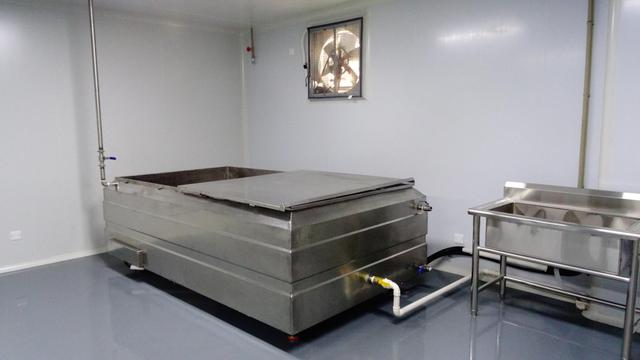
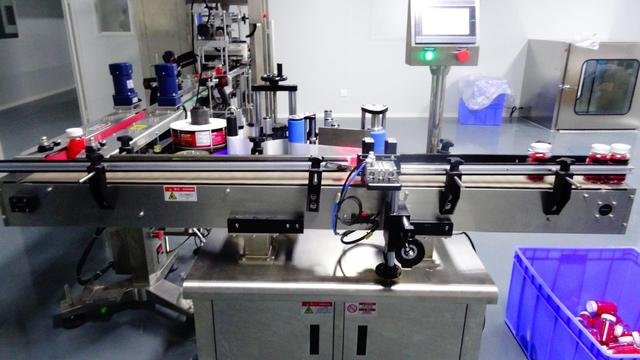
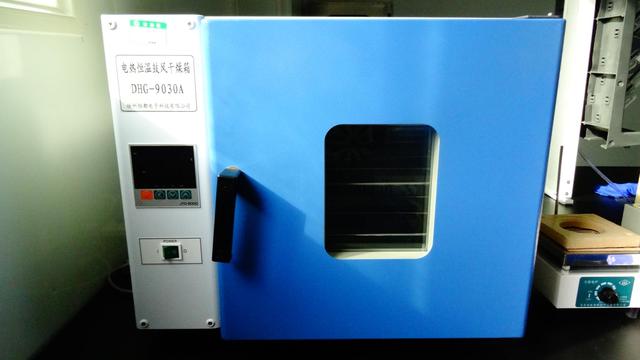
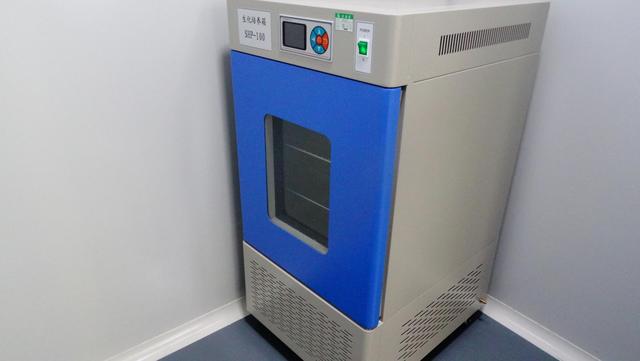
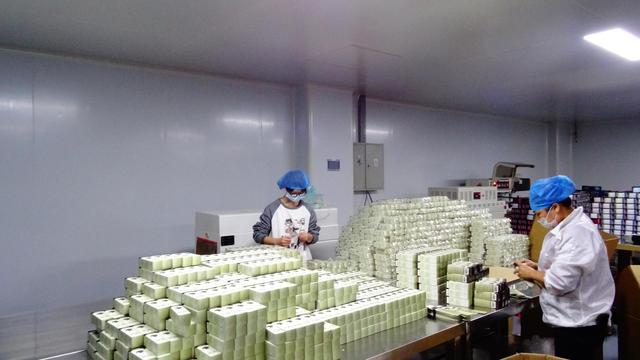
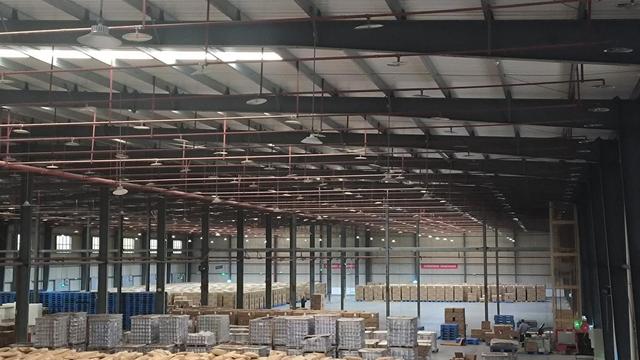


Entering international food markets requires compliance with strict safety and quality standards. Hangzhou Entry Bio Co., Ltd. ensures that all ingredients, including our plant proteins and advanced canola solutions, align with global regulatory frameworks:
Manufactured under FSSC 22000, ISO 22000, Halal, and Kosher certifications. Meets global traceability requirements from farm to container load.
Fully compatible with EFSA Novel Food guidelines and US FDA GRAS (Generally Recognized as Safe) notifications for plant-derived proteins.
Obtained from non-GMO seeds, with strict separation controls during storage, transport, and enzymatic processing stages.
The next frontier in canola protein performance involves improving taste profiles and solubility at low pH levels. Hangzhou Entry Bio Co., Ltd.'s R&D team is developing a range of targeted improvements:
One challenge with brassica-derived proteins is the presence of glucosinolates, sinapine, and phytates, which can cause bitterness. Our extraction lines incorporate washing and enzyme treatments to reduce these compounds, yielding a clean, neutral flavor profile.
By adjusting Cruciferin ratios, we create proteins with distinct gelation temperatures. This helps match the texture of meat alternatives and plant-based spreads during thermal processing.
Get answers to technical questions about canola protein applications, industrial processing machinery, and raw material sourcing.
Explore our industrial seed preparation plants, waste oil refinery plants, and adjustable pressure oil expellers designed for custom seed processing setups.
 Entry Biology