High-purity raw materials customized for food factories, industrial-scale meat alternatives, plant beverages, and functional nutrition applications.
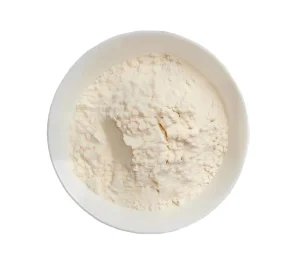
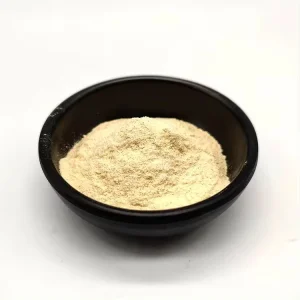
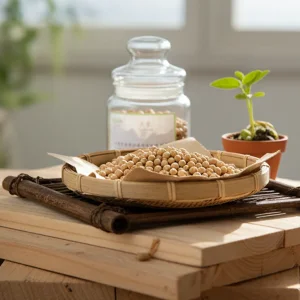
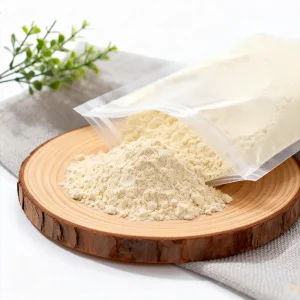
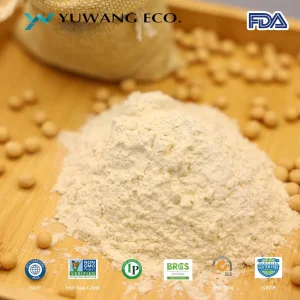
According to recent agricultural and food chemistry indexes, clean-label formulation and allergen mitigation are driving the massive adoption of plant-based protein isolates. Soy and pea protein isolates represent the pinnacle of this revolution. With a minimum protein concentration of 90% (dry basis), these ingredients offer functional properties like high solubility, water absorption index, and lipid emulsification.
Manufacturers are tasked with bridging the sensory and structural gap between animal and plant proteins. This requires deep control over molecular weight distribution, enzymatic hydrolysis, and thermal gelation properties. Hangzhou Entry Bio Co., Ltd. leads this initiative by supplying high-purity, standardized plant protein isolates tailored for high-shear extrusion, UHT processing, and high-performance emulsification.
Critical for bound meat systems (sausages, burgers). Provides lipid retention and dense gel matrices that mimic muscle fibers under thermal processing.
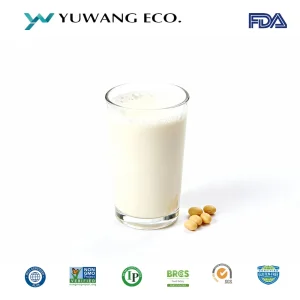
Low-viscosity isolates are engineered for RTD (Ready-To-Drink) nutritional beverages and high-protein clear water formulations, ensuring sediment-free storage.
How Hangzhou Entry Bio Co., Ltd. resolves complex formulation issues across regional and industrial food matrices.
High-shear extrusion requires raw protein isolates with optimized disulfide bond crossing. Our specialized protein isolations hold water and fats securely, preventing fat-bleeding during grilling or frying.
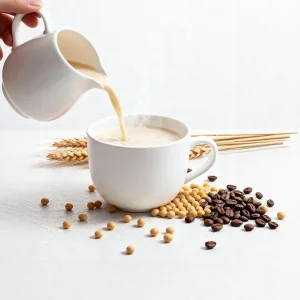
Whey-alternative applications require precise sensory profiles. Our plant isolates feature minimized volatile off-flavor compounds (hexanal, pentanal) to deliver clean taste in oat, soy, and pea milks.
High protein load usually alters gluten development. Our isolates act synergistically in high-protein flour formulas (breads, cakes, noodles) to maintain crumb elasticity and volume.
A look into our state-of-the-art wet extraction and mechanical refining methodologies designed for absolute molecular purity.
Optimal solubilization extracts the structural globulin fractions from defatted meal, maximizing raw protein yields.
Precise pH adjustments isolate proteins at their point of minimal solubility (typically pH 4.5), leaving behind soluble sugars.
Ultra-filtration and diafiltration reduce mineral content and remove low molecular weight compounds, elevating purity to 90%+.
Controlled thermal profiles prevent denaturation, guaranteeing high solubility index and ideal particle sizes.
Our raw crop sourcing programs are aligned with major agricultural regions, securing constant, high-quality, Non-GMO soybean and pea crops. Through vertically integrated processing steps, Hangzhou Entry Bio Co., Ltd. mitigates price volatility and guarantees continuous volume delivery.
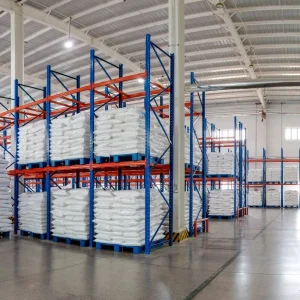
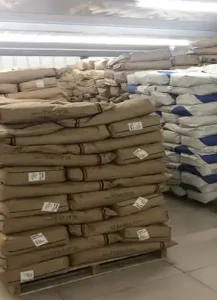
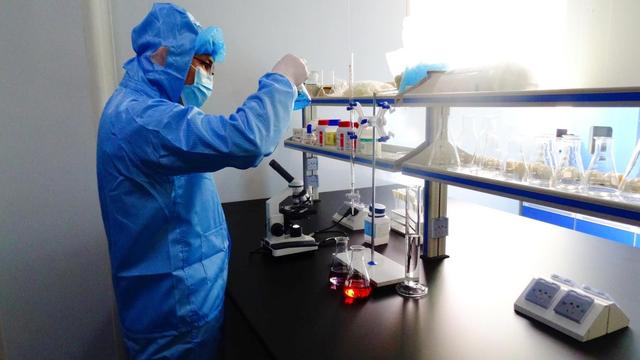
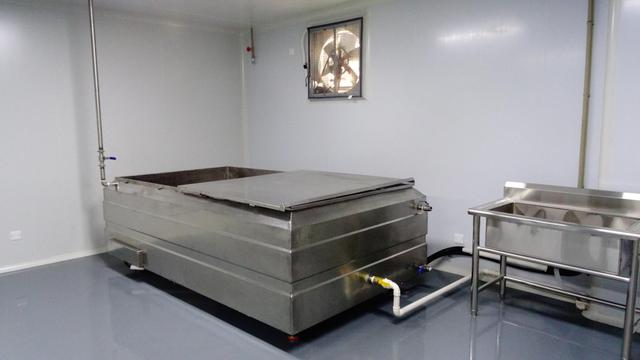
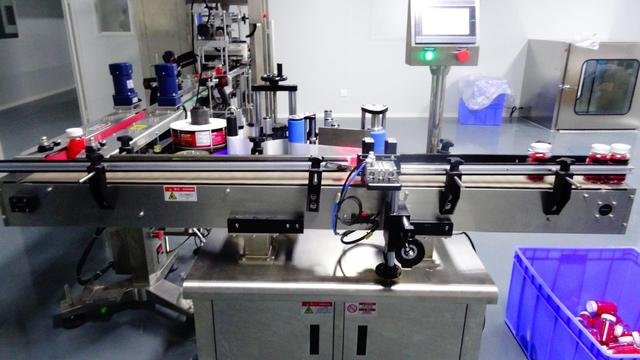
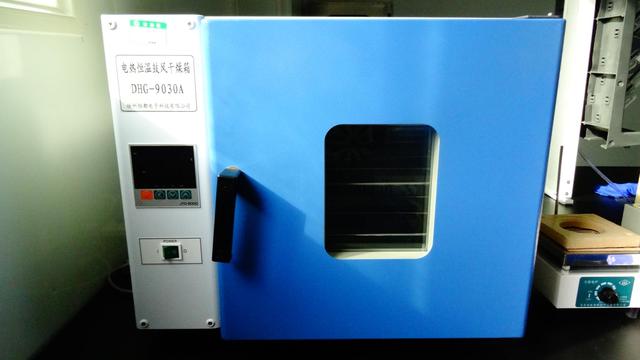
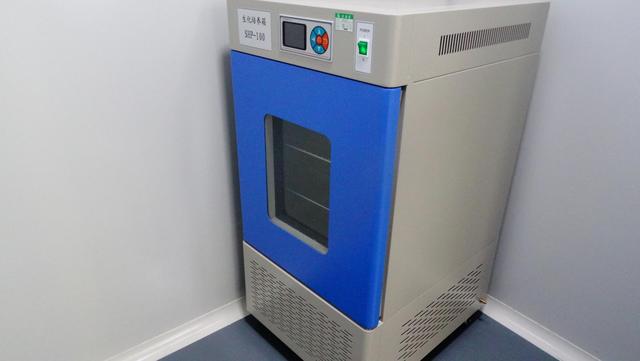
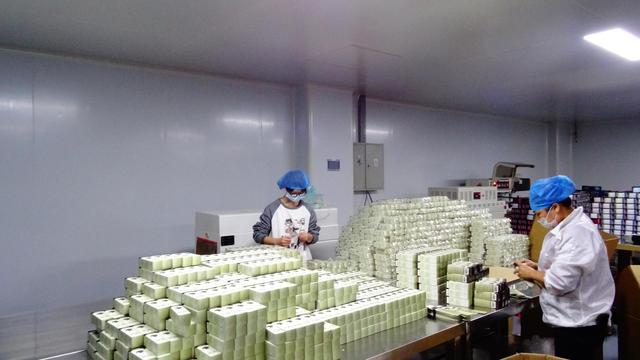
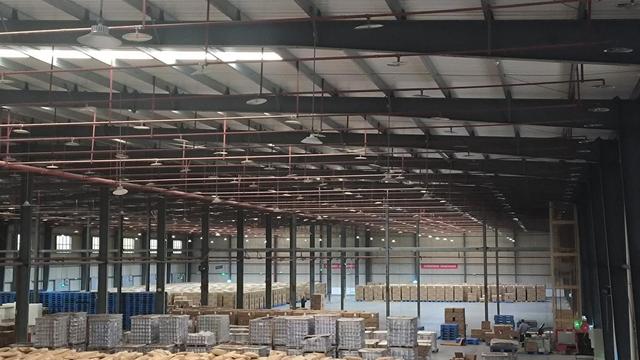
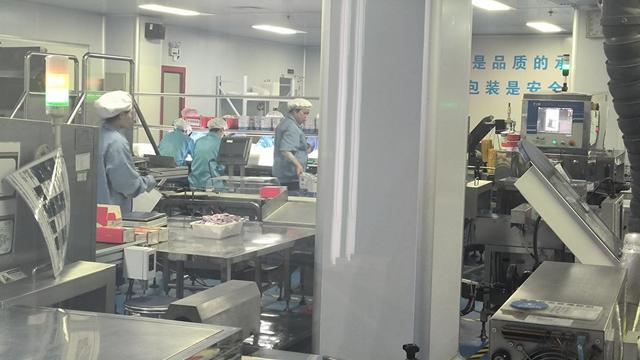
Our advanced industrial site features automated processing lines, high-throughput extraction vessels, and a dedicated quality management center. This setup ensures stable batches, low microbiological counts, and a reliable supply chain.


Our core structural values compared across major plant isolate varieties, aligning with international regulatory guidelines.
| Analytical Parameter | Soy Protein Isolate (SPI) 90% | Pea Protein Isolate (PPI) 99% (Dry Basis) | Hydrolyzed Plant Extract Isolate |
|---|---|---|---|
| Protein Content (Dry Basis) | ≥ 90.0% | ≥ 99.0% (Crude Protein Index) | ≥ 90.0% |
| Moisture Profile | ≤ 7.0% | ≤ 8.0% | ≤ 6.0% |
| Ash Content | ≤ 6.0% | ≤ 5.0% | ≤ 5.5% |
| PDI (Protein Dispersibility) | 75% - 85% (Customizable) | 60% - 70% | > 95% (Highly Hydrolyzed) |
| GMO Status | Non-GMO IP Verified | Naturally GMO-free | IP Non-GMO Sourced |
| Heavy Metals (as Pb) | ≤ 10 mg/kg | ≤ 5 mg/kg | ≤ 8 mg/kg |
Exporting plant proteins into regions with strict food laws requires extensive documentation and testing. In Europe, compliance with the EFSA Novel Food Directory and trace pesticide limits is critical. In North America, meeting FDA GRAS notification protocols and FSMA allergen segregation is mandatory.
Hangzhou Entry Bio Co., Ltd. handles documentation, customs processes, and physical testing. Every batch of our Soy Protein Isolate and Pea Protein Isolate is backed by a full Certificate of Analysis (COA) specifying microbiological indices, particle distributions, and organic residues to guarantee frictionless global entry.
Our operations are audited under ISO 9001, ISO 22000, HACCP, Kosher, and Halal guidelines, making our plant protein isolates compatible with clean-label configurations globally.
From technical custom formulations to local warehouse arrangements, our dedicated R&D and logistics teams help you maintain ideal inventory levels and optimize manufacturing costs.
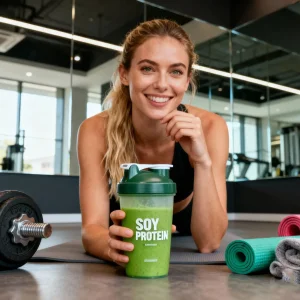
Specialty functional proteins designed for sports recovery beverages, vegan dairy bases, emulsion stability, and dietary nutrition enrichment.
Answers to common technical, logistics, and formulation questions from food manufacturers and industrial buyers.
Soy protein isolate naturally provides a higher emulsification and gel-strength capability due to its high concentration of glycinin (11S globulin) and beta-conglycinin (7S globulin). Pea protein isolate is allergen-friendly, offering an alternative for soy-free and gluten-free formulations. Pea protein has slightly lower gel strength but is highly digestible and has a favorable amino acid profile rich in lysine.
Our raw crop processing uses low-temperature extraction technology combined with flash evaporation. This prevents the oxidation of unsaturated fatty acids by lipoxygenase enzymes, reducing volatile organic compounds like hexanal, which cause "grassy" off-flavors.
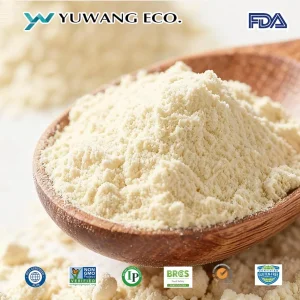
Yes. We customize mesh sizes (from 100 mesh to ultra-fine powders) and viscosity parameters to match specific applications. For example, we offer low-viscosity, high-dispersibility isolates for sports nutrition beverages, and high-gelling, medium-viscosity isolates for textured vegetarian meats.
Yes, we provide non-GMO soy protein isolates verified through Identity Preservation (IP) systems. We conduct PCR testing on incoming raw crops to verify genetic status, offering complete traceability from farming to shipping.
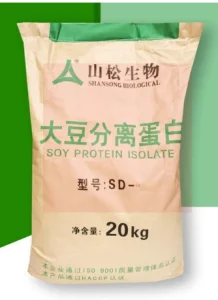
Our plant protein isolates have a shelf life of 12 to 24 months, depending on the product type, when stored in a cool, dry place. We package our products in multi-ply paper bags with heat-sealed PE inner liners to protect against moisture absorption and external contamination.
Our low-viscosity, heat-stable isolates are designed for Ultra-High Temperature (UHT) pasteurization. They resist heat-induced aggregation and sedimentation, maintaining physical stability in ready-to-drink (RTD) plant beverages.
 Entry Biology