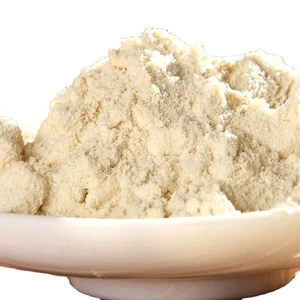
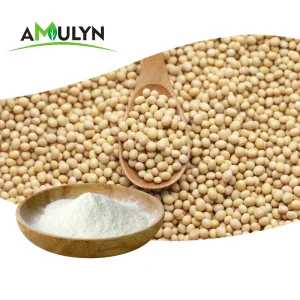
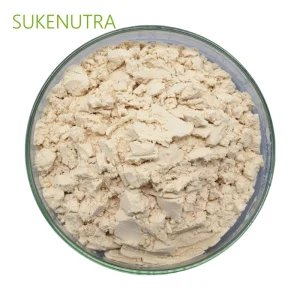
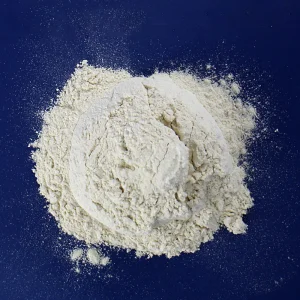
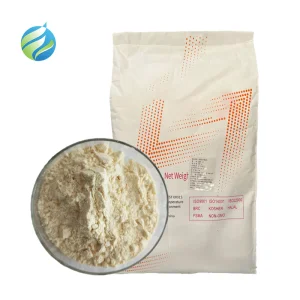
Explore our primary list of high-purity isolated soy proteins, concentrates, and specialized yeast protein isolates processed under strict GMP criteria.
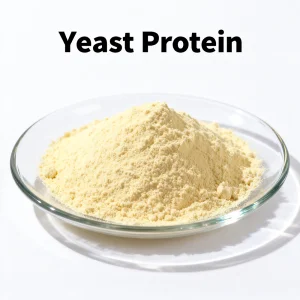
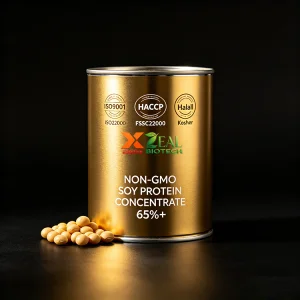
Analyzing market trends, raw material security, and the manufacturing shifts from traditional processing hubs to high-performance bioreactors.
The global industrial space for Soy Proteins is entering a mature phase characterized by intense technological competition and demanding regulatory standards. Historically viewed as a simple functional filler or dairy alternative, soy protein has evolved into the cornerstone of the plant-based protein transition. Driven by growing consumer demand for clean-label plant foods, non-GMO identity-preserved (IP) products, and highly specialized emulsification indices, manufacturers must continuously optimize their purification pipelines to maintain a competitive advantage.
From a macro-economic perspective, the global market for soybean derivatives is highly sensitive to input bean prices, energy costs associated with thermal evaporation, and solvent extraction logistics. Major manufacturing hubs in Asia—particularly China—and North/South America are investing heavily in upgrading their extraction facilities. Rather than focusing solely on capacity expansion, the industry is shifting toward producing highly customized, application-specific functional grades. This strategic shift addresses the challenges of low-solubility under acidic conditions, bean off-notes, and the thermal limitations of traditional isolated soy proteins.
Ensuring full traceability from seeds to the processing plant, conforming to strict EU and North American regulations on genetic modification thresholds.
Optimizing molecular parameters like the Emulsification Activity Index (EAI) and Nitrogen Solubility Index (NSI) to meet challenging processing conditions.
Implementing low-emission water recycling and thermal capture during wet extraction to reduce the environmental footprint of plant-based protein production.
An overview of biochemical processes, from defatted meal treatment to advanced enzymatic modification and isolated protein fractionation.
Modern soybean refining relies on a multi-stage separation process designed to yield products with specific protein concentrations. The manufacturing process begins with high-quality, cleaned, and dehulled soybeans. These beans undergo oil extraction, typically using food-grade hexane, to yield defatted soy flakes with low fat content and minimal thermal denaturation. This high solubility defatted meal serves as the raw material for three primary product categories:
The gelling performance of Soy Protein Isolate (SPI) depends on the denaturation status of its globulin fractions: glycinin (11S) and beta-conglycinin (7S). Controlling the 11S/7S ratio and heat exposure during wet extraction allows manufacturers to adjust gelling temperatures and viscosity profiles. This customization is essential for applications ranging from high-moisture extrusion analogs to pasteurized beverages.
To meet the demands of modern applications, factories utilize enzymatic modification. Treating soy slurries with specific endo- and exo-proteases yields hydrolyzed soy proteins and bioactive peptides. These low-molecular-weight fractions offer faster absorption rates, making them valuable for sports nutrition, diet shakes, and functional beverages.
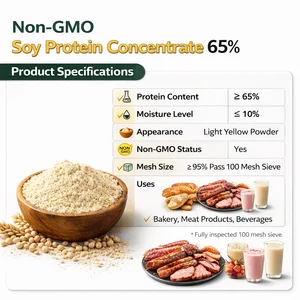
Standard quality indicators for high-performance soy protein ingredients used across global food processing operations.
How distinct commercial channels deploy diverse grades of soy and plant proteins to optimize cost, mouthfeel, and shelf life.
Because soy protein molecules possess hydrophilic and lipophilic properties, they serve as excellent emulsion stabilizers. In food manufacturing, these ingredients are deployed across several key sectors:
In hot dogs, frankfurters, bologna, and canned luncheon meats, high-emulsifying isolated soy protein (ISP) binds water and fat. This structure forms a stable matrix that prevents syneresis during cooking, improves bite, and maintains structural integrity. It helps maintain the texture of processed meats during thermal sterilization.
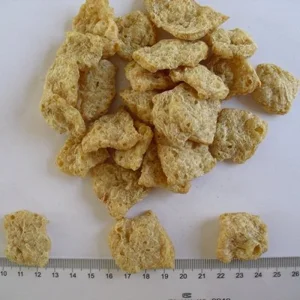
For vegetarian and vegan applications, textured soy protein (TSP/TVP) and high-fiber defatted soy flour are extruded under high heat, shear, and pressure. This treatment aligns the globular plant proteins into linear fibers that mimic the chewiness of poultry, beef, and pork.
Defatted soy flour and soy protein concentrates are used in baking to improve dough elasticity, retain moisture, and extend shelf life. The high lysine content in soy also complements the amino acid profile of wheat flour, improving the overall protein quality (PDCAAS) of baked goods.
In feed formulation, soy protein concentrate (SPC) serves as a digestible alternative to premium fishmeal. Lowering the levels of anti-nutritional factors (such as saponins and antigen lectins) helps prevent intestinal inflammation in sensitive species like salmon, trout, shrimp, and weanling pigs.
How leading manufacturers maintain compliance with international food safety and chemical standards.
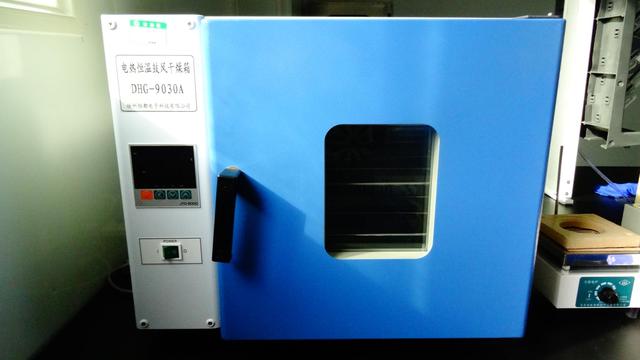
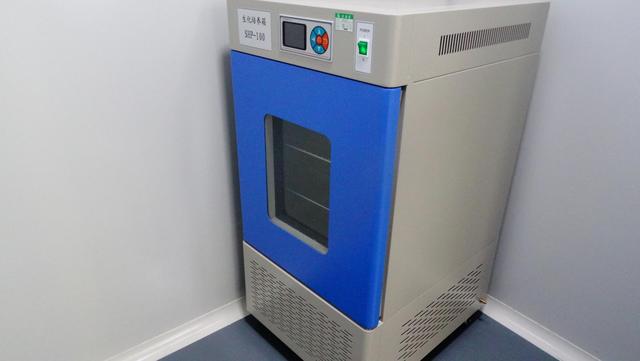
Maintaining product quality in soy protein production requires strict testing protocols. Because these plant proteins are used in a variety of foods, processors must control allergen cross-contamination, pesticide residues, and heavy metals. Quality control laboratories rely on modern analytical instrumentation to verify compliance:
Utilizing the Kjeldahl method or Dumas combustion analyzer (with a nitrogen conversion factor of 6.25) to confirm protein concentrations meet specified standards.
Employing real-time PCR assays and rapid plate counts to ensure the absence of pathogens, including Salmonella, E. coli, and thermophilic bacterial spores.
Performing regular PCR analyses to verify non-GMO status, maintaining a threshold of less than 0.9% adventitious presence in accordance with EU regulations.
In addition to biochemical properties, sensory evaluation is critical. Trained panels monitor flavor profiles to ensure the absence of off-notes, such as hexanal, which causes a grassy taste. Minimizing these off-notes is essential for clean-label applications like infant formulas and nutritional shakes.
Learn more about the corporate history, R&D priorities, and global supply footprint of a leading Chinese plant protein manufacturer.
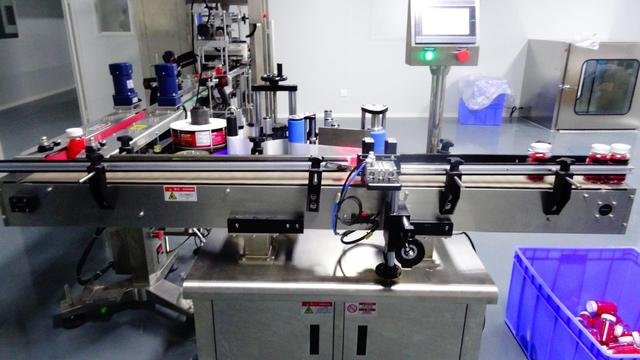
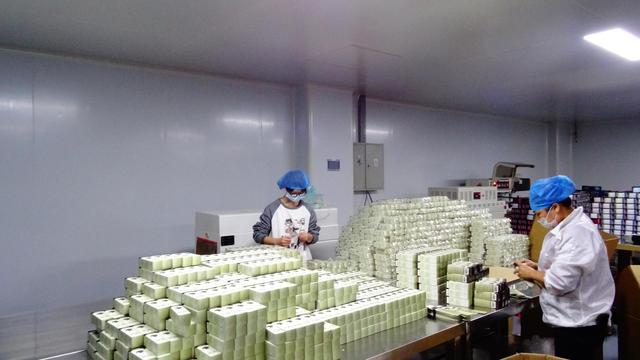
Hangzhou Entry Bio Co., Ltd. is a leading China vegetal protein manufacturer specializing in the research, production, and global supply of high-quality plant protein ingredients and food-grade protein solutions. With a strong commitment to innovation, quality, and sustainability, the company serves customers across the food, beverage, nutrition, and health industries worldwide.
Leveraging advanced manufacturing technologies and strict quality management systems, Hangzhou Entry Bio Co., Ltd. offers a comprehensive portfolio of plant-based ingredients, including soy protein, pea protein, rice protein, textured vegetable protein, and customized protein blends. These products are widely used in meat alternatives, dairy alternatives, sports nutrition, functional foods, bakery products, beverages, and nutritional supplements.
Quality and food safety are at the core of the company's operations. From raw material sourcing to finished product delivery, every production stage is carefully monitored to ensure consistent quality, purity, and performance. The company adheres to international quality standards and continuously invests in product innovation to meet the evolving demands of the global plant-based market.
As a reliable plant protein ingredients supplier, Hangzhou Entry Bio Co., Ltd. also provides professional technical support and customized formulation services, helping customers develop competitive and market-oriented products. Backed by an experienced R&D team and efficient supply chain management, the company is capable of delivering tailored solutions for diverse application requirements.
Dedicated to promoting sustainable nutrition and healthy lifestyles, Hangzhou Entry Bio Co., Ltd. strives to be a trusted global partner for food manufacturers seeking premium vegetal proteins and innovative food-grade protein solutions.



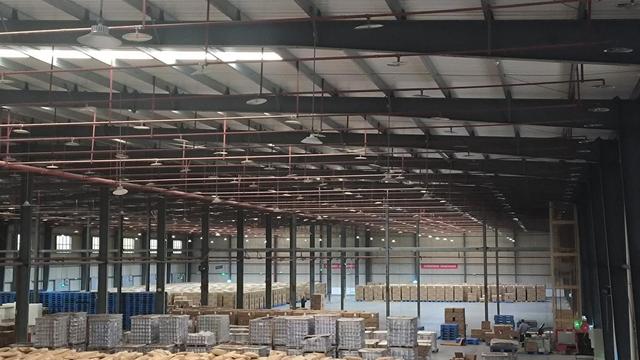


Key technology trends shaping the future of plant protein refinement and sustainable production over the next decade.
The next decade of plant protein manufacturing will be defined by hybrid production systems and improved molecular design. Researchers are looking beyond simple mechanical separation to focus on chemical and physical modifications that improve the functionality of plant-based ingredients.
Combining traditional isolated soy protein with targeted recombinant proteins (such as plant-based heme or specific growth factors) to replicate the texture and flavor profile of animal-derived products.
Using high-pressure homogenization, ultrasound cavitations, and pulsed electric field (PEF) technologies to reorganize globular protein structures without relying on harsh chemical agents.
Employing advanced microbial fermentation processes to reduce anti-nutritional factors. This approach enhances the mineral bioavailability and digestive safety of soy proteins for vulnerable demographics.
Technical and regulatory answers for sourcing managers, R&D scientists, and logistics coordinators.
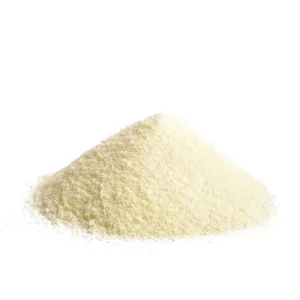
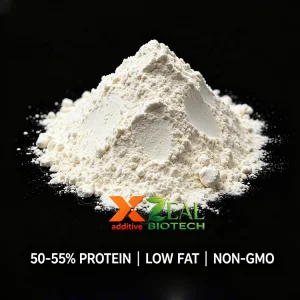
Discover additional functional options, including textured soy proteins and defatted flours, designed to improve the texture and stability of your final formulations.

 Entry Biology