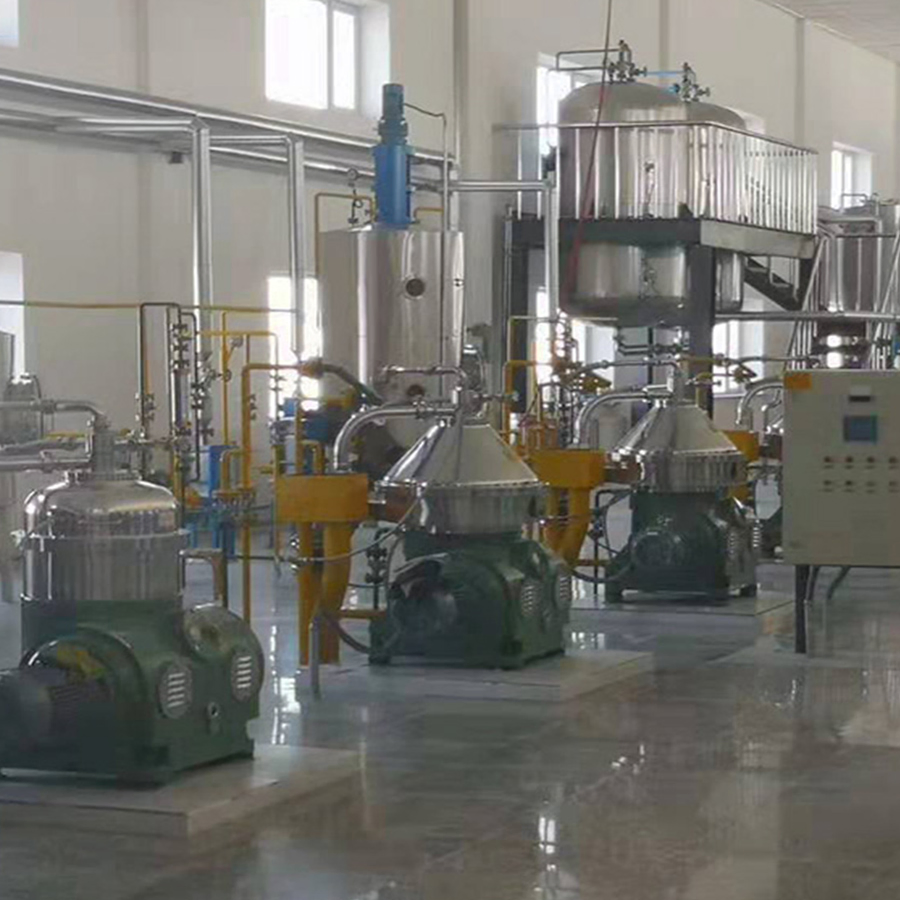
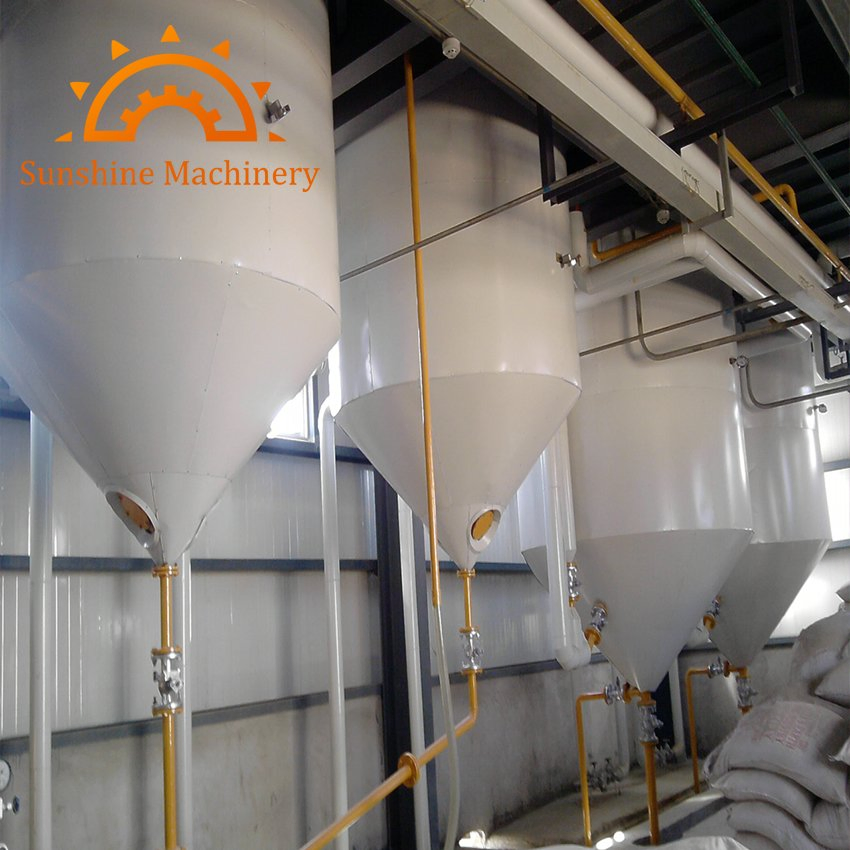
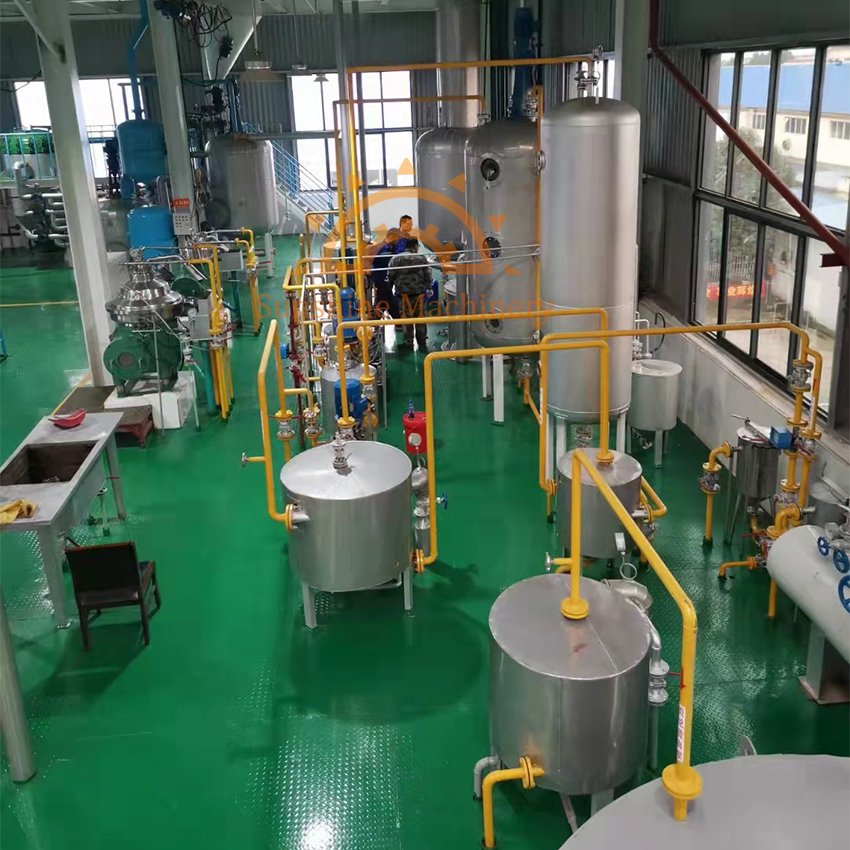
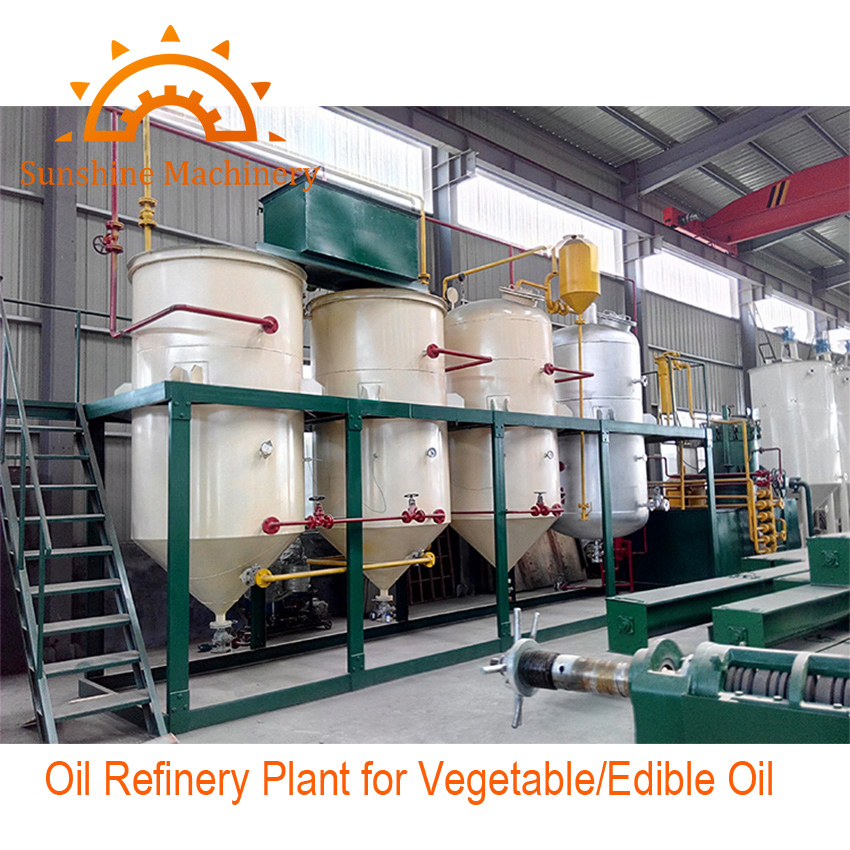
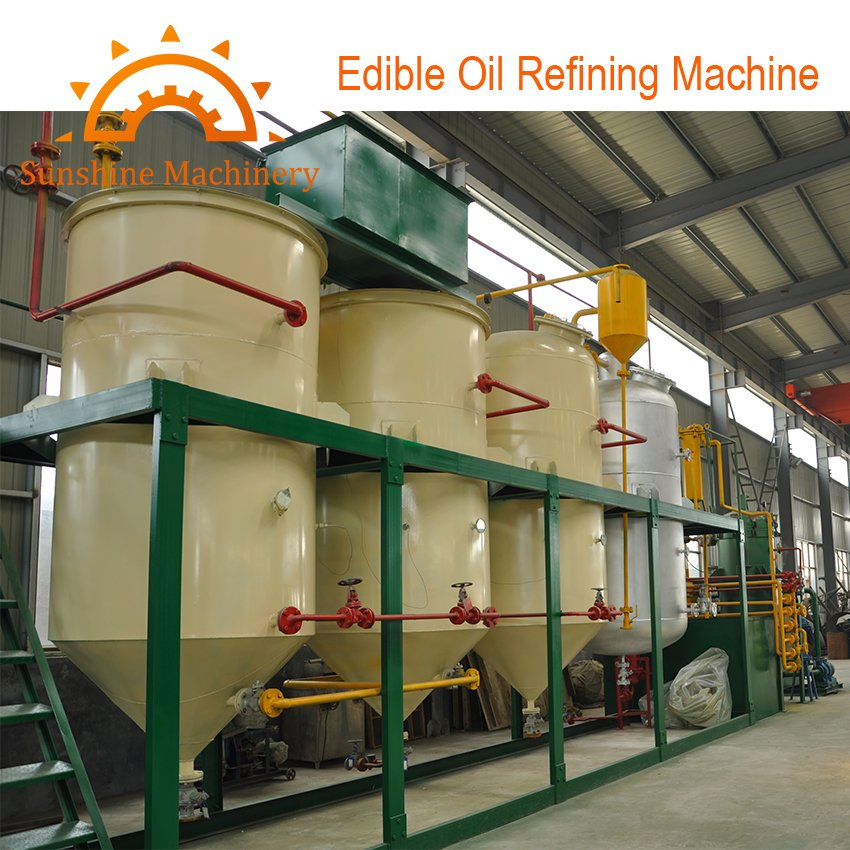
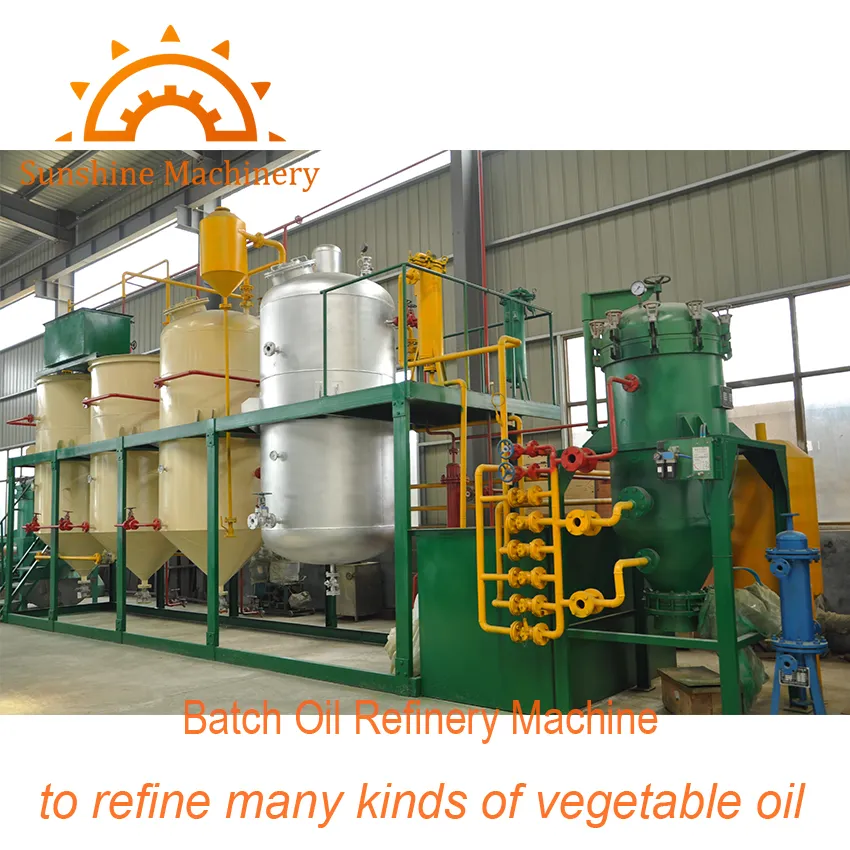
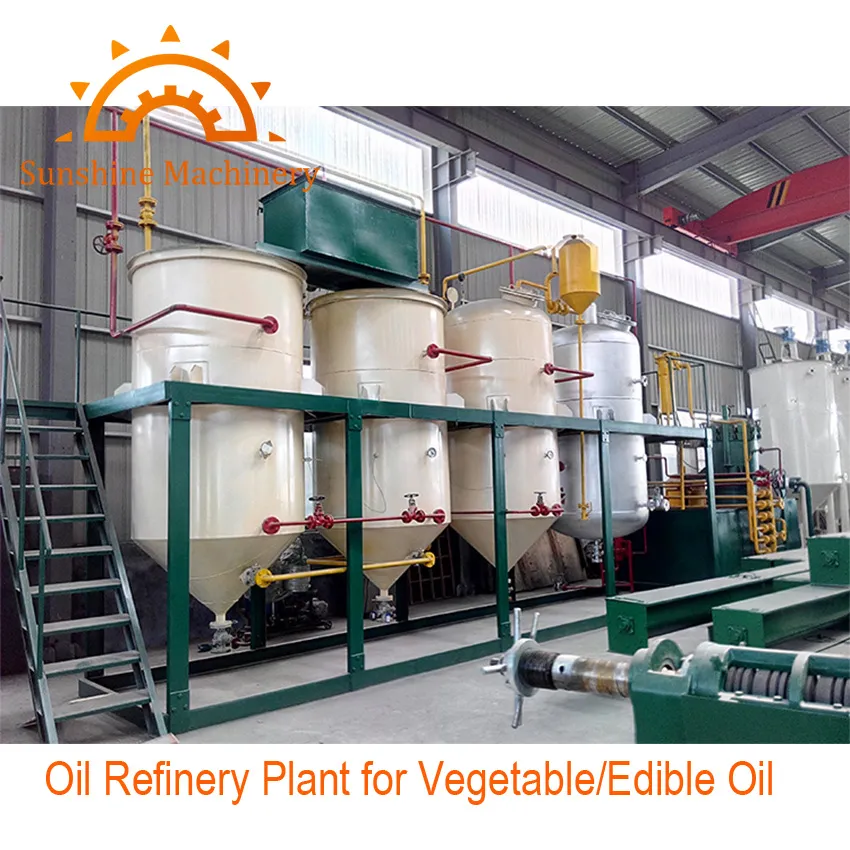
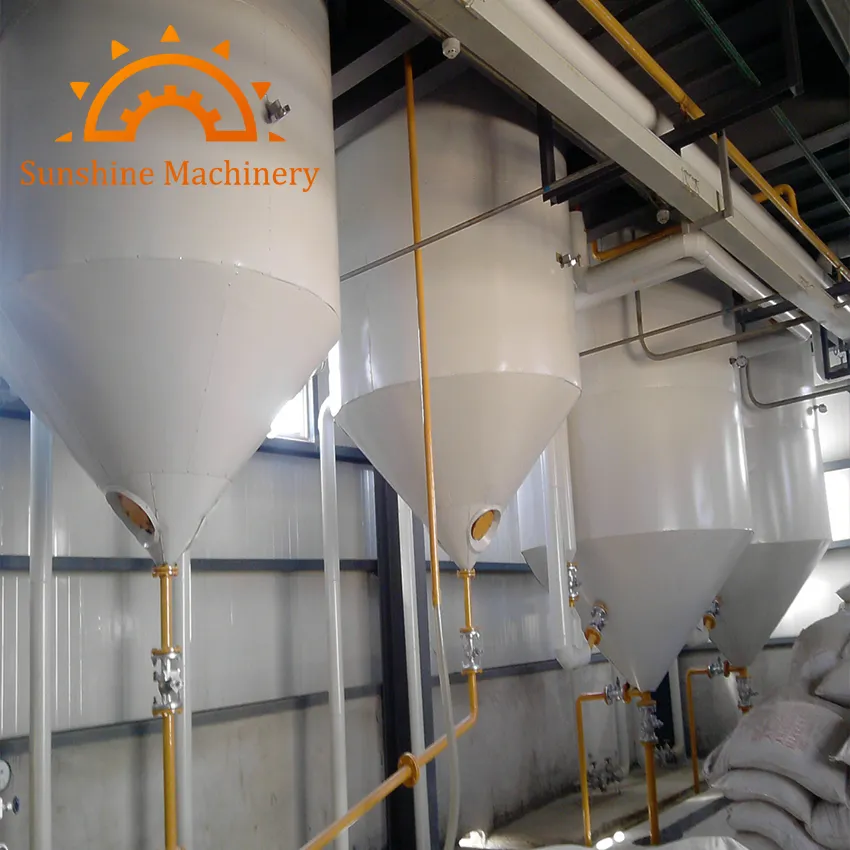
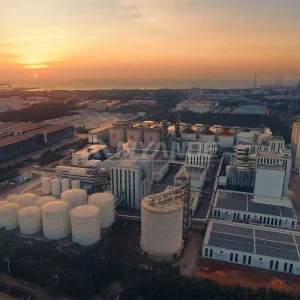
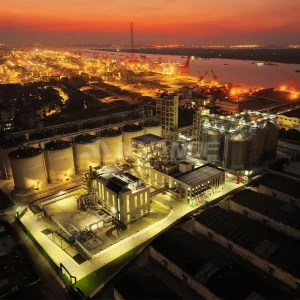
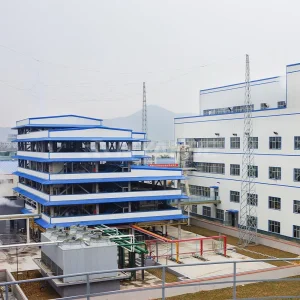
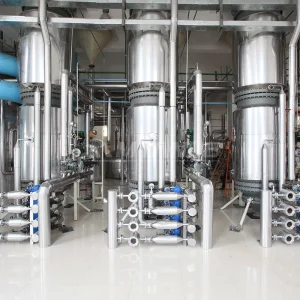
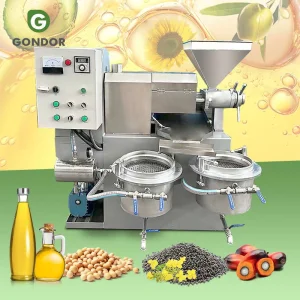
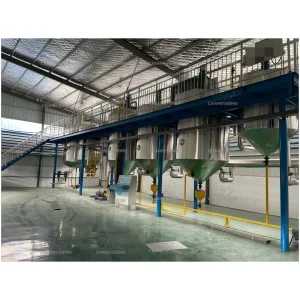
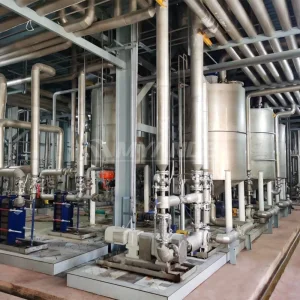
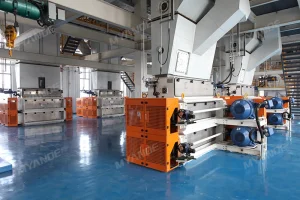
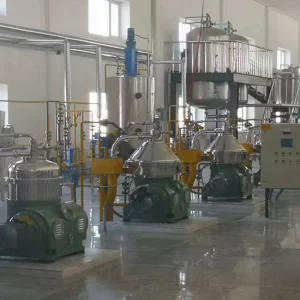
30t/D Sunflower Canola Coconut Cotton Soybean Palm Oil Refinery Refining Machine

Customization: Available
After-sales Service: Onsite Installation
Warranty: One Year

Product Description

Basic Info
Model NO.
30t/d
Type
Pressing Machines
Application
All Kind of Oil Seeds
Voltage
380V
Appearance
Vertical
Press Materials
Soybean
Press Series
Second
Condition
New
Customized
Customized
Color
White
Capacity
20t/D
Size
4* 40hq
Power
41kw
Function
Refine Many Kinds of Crude Vegetable Oil
Production Time
10 Days
Package
Wooden Case of Film Packing
Shipment
Cma or Msk
Name
20t/D Vegetable Oil Refining Equipment Peanut Oil
Delivery Time
15 Days
Transport Package
Wooden Case, Film Packing
Specification
ISO, SGS, CE
Origin
Henan
HS Code
84792000
Production Capacity
5 Sets Per Month
Product Description
30t/D Sunflower Canola Coconut Cotton Soybean Palm Oil Refinery Refining Machine
30t/D Sunflower Canola Coconut Cotton Soybean Palm Oil Refinery Refining Machine Process
Crude oil, generally refers to oil that contains certain inedible (or industrial) impurities is extracted from vegetable oil by leaching grease or press process.

The main components of crude oil is a mixture of fatty acid triglycerides (commonly known as neutral oil). In addition to the neutral oil, the crude oil also contains a non-ester material (collectively impurities), the type, nature, the state can be divided into three categories, mechanical impurities, fat-soluble, and water-soluble impurities.

The purpose of oil refining: Oil refining, usually refers to refining of crude oil. The presence of impurities in the crude oil, not only affects the food value and safe storage of oil, but also brings difficult to the deep processing, but refining purposes, not will remove all the impurities of oil, but to remove impurities that are bad for food, storage, industrial production, such as gossypol, proteins, phospholipids, mucus, moisture. But useful "impurities", such as tocopherols, etc. you want to keep. Thus, according to different requirements and use, unwanted and harmful impurities are removed from the oil to obtain the refined oil in line with a certain quality standards, it is oil refining purposes.
Based on the operating characteristics and raw materials, oil refining methods can be broadly divided into three types, mechanical, chemical and physical chemical method.

Above refining methods often can not be completely separated. A method sometimes used, and it will produce another refining effect. Such as alkali refining (neutralization of free fatty acids) is a typical chemical method, however, the reaction produced soap can absorb part of the pigment, mucus and protein, and is separated from the oil. Thus, alkali refining is accompanied by physical and chemical processes.
30t/D Sunflower Canola Coconut Cotton Soybean Palm Oil Refining Methods
Packaging & Shipping

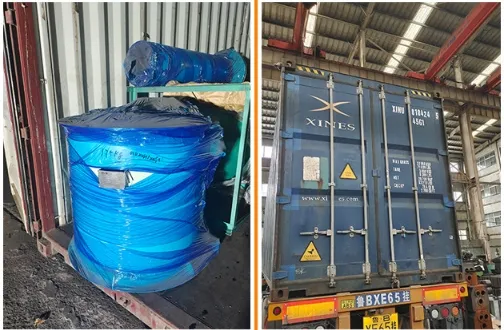
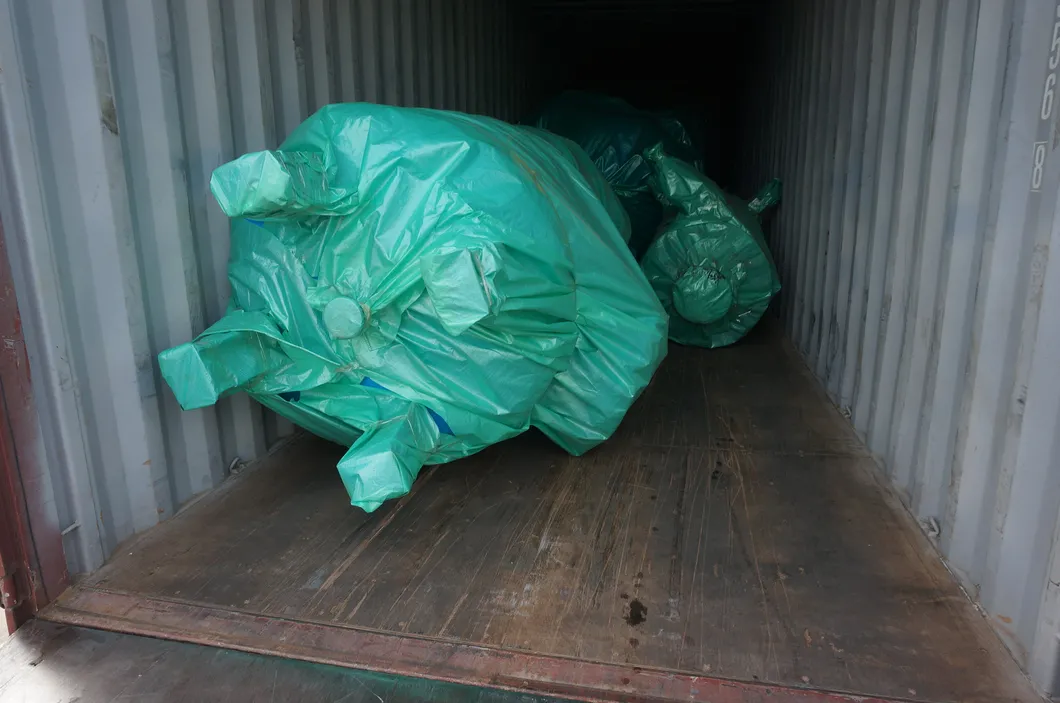
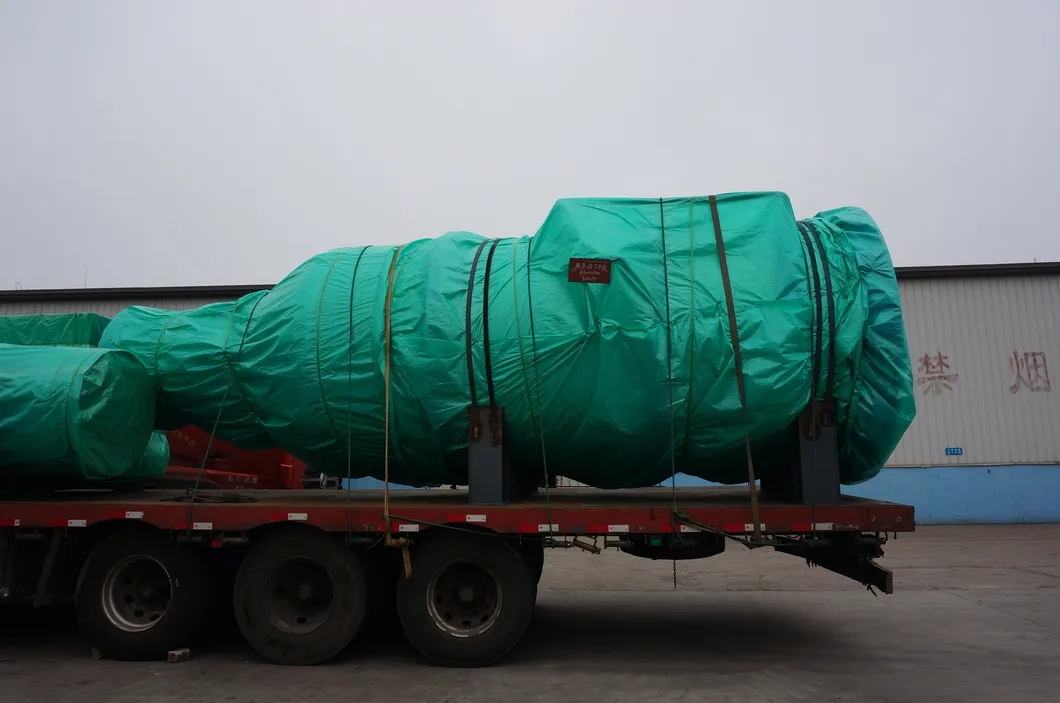
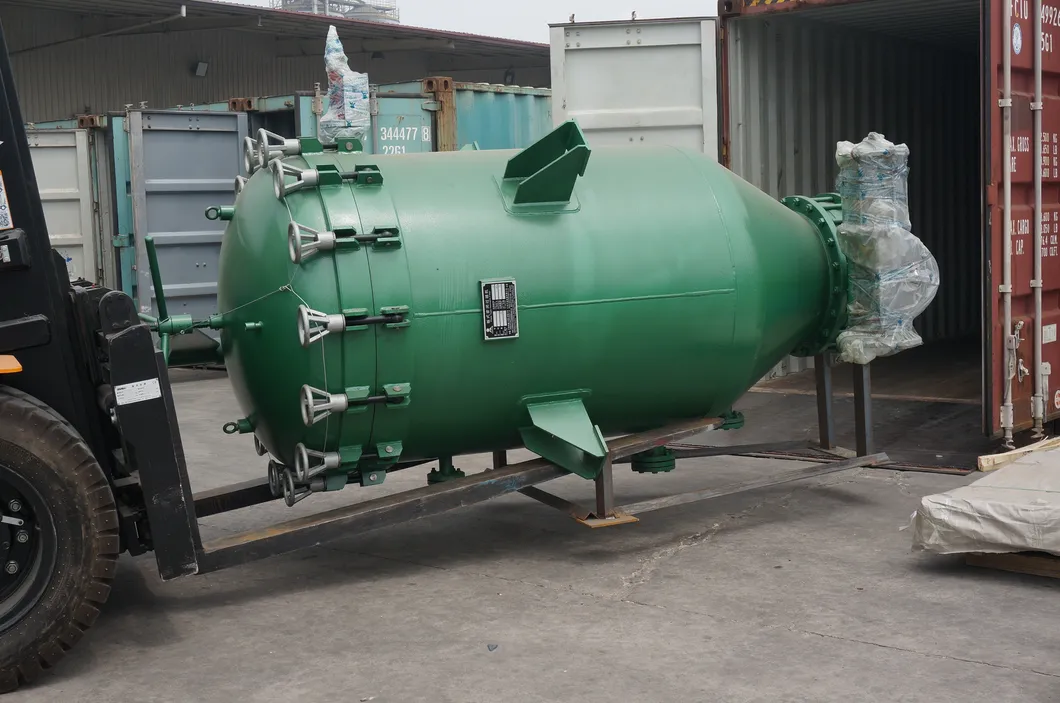
Wooden case package, or load into container directly.
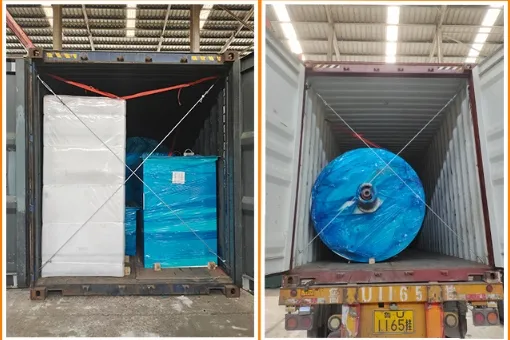
30t/D Oil Refinery Package Process 1 30t/D Oil Refinery Package Process 2
30t/D Oil Refinery Container Loading 1 30t/D Oil Refinery Container Loading 2 30t/D Oil Refinery Container Loading 3
Product Parameters
Parameter Item Details Spec
Name 30t/d soybean oil refining machine palm oil refinery plant
Capacity 30t/d
Production time 10 days
Payment TT
Package wooden case, or film package
Frequently Asked Questions
What oilseeds can this 30t/d refining machine process?
This refinery plant is highly versatile and capable of refining all kinds of crude vegetable oils, including soybean oil, sunflower oil, canola oil, coconut oil, cottonseed oil, and palm oil.
What is the primary purpose of refining crude vegetable oil?
Refining removes harmful impurities that impair the oil's food value, flavor, and storage stability—such as free fatty acids, phospholipids, moisture, and pigments. At the same time, it preserves beneficial elements like tocopherols.
What refining methods are employed in this equipment?
The refining process combines mechanical separation, chemical methods (like alkali neutralization of fatty acids), and physical-chemical processes (such as adsorption bleaching to remove pigments) to ensure the output meets food quality standards.
What is the production time and standard packing for shipment?
The production cycle takes approximately 10 days, and the equipment is packaged securely in robust wooden cases or protected with film wrap to guarantee safe container transit.
Can the voltage and configuration be customized?
Yes, the system is fully customizable to suit specific industrial configurations, voltage needs (standard configuration is 380V), and localized installation layouts.

Related Products