Entry Biology
1 / 5
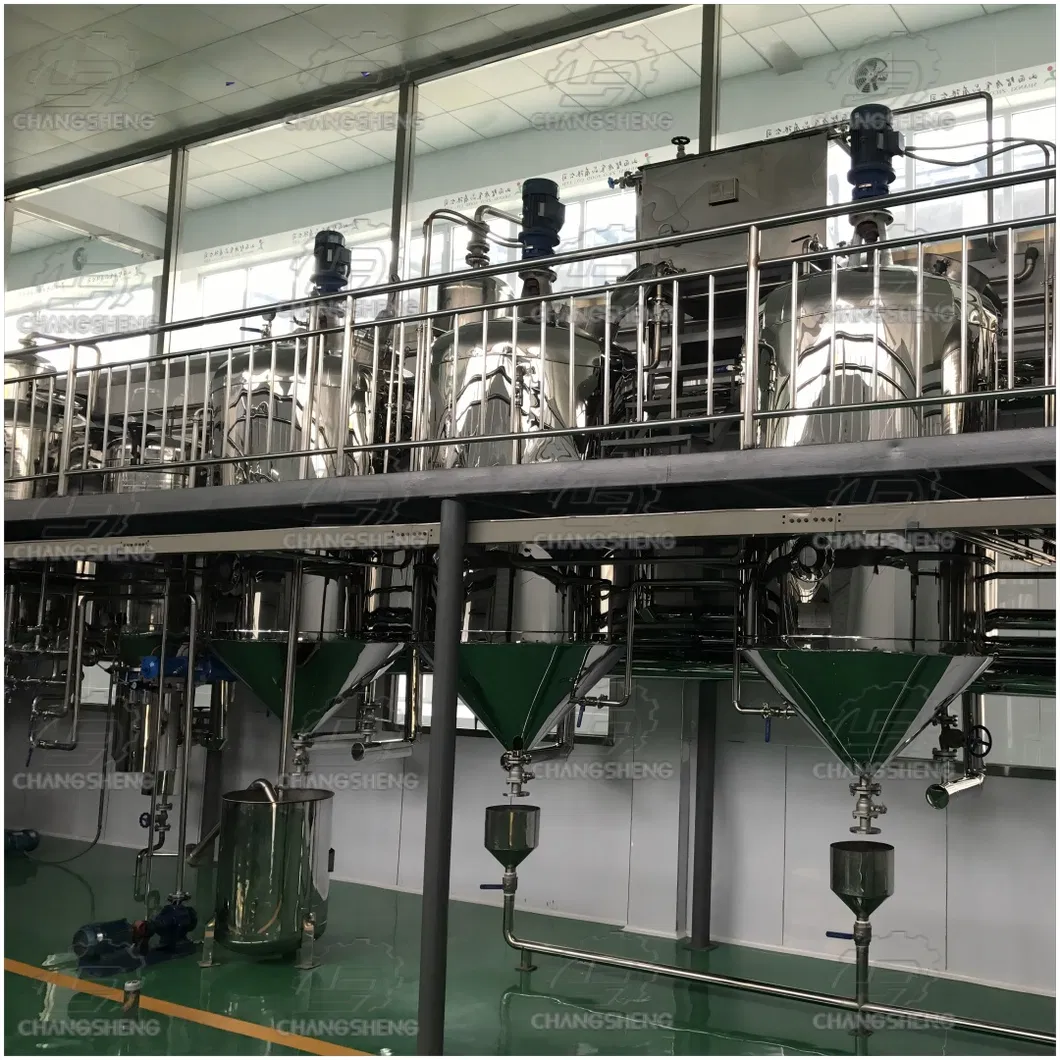
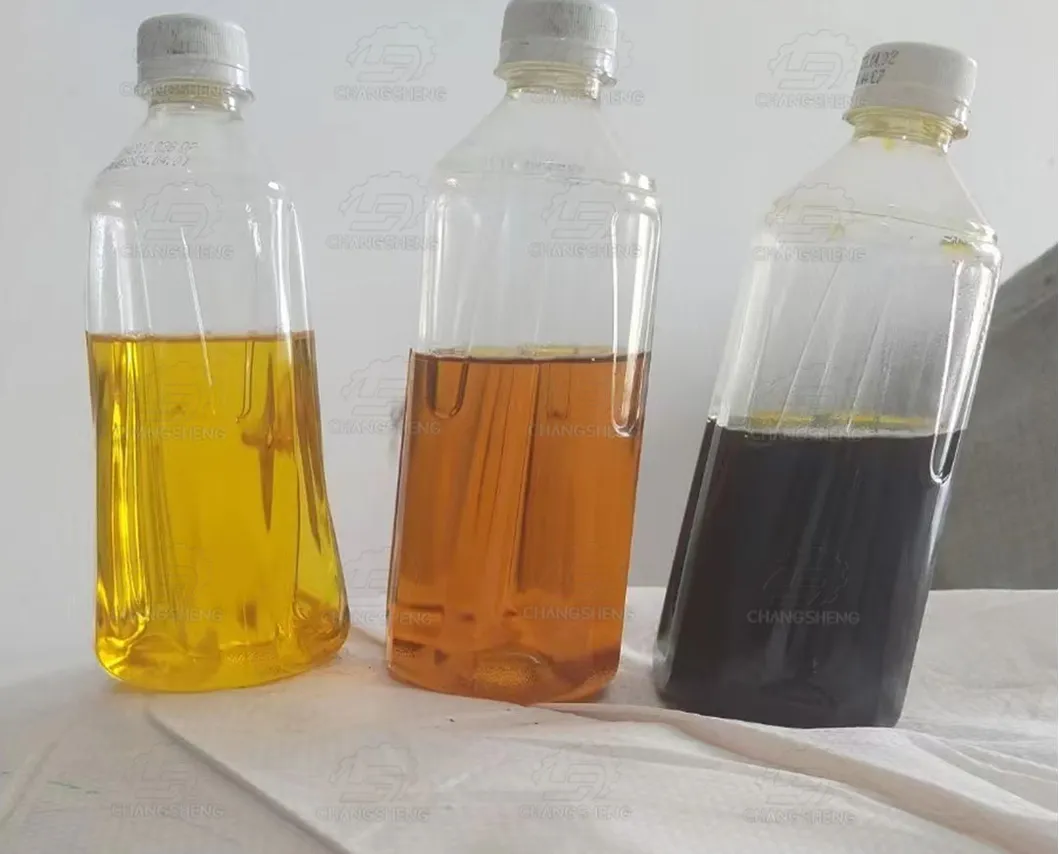
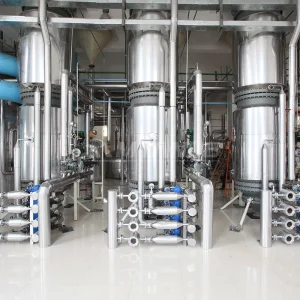
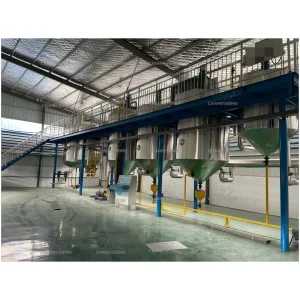
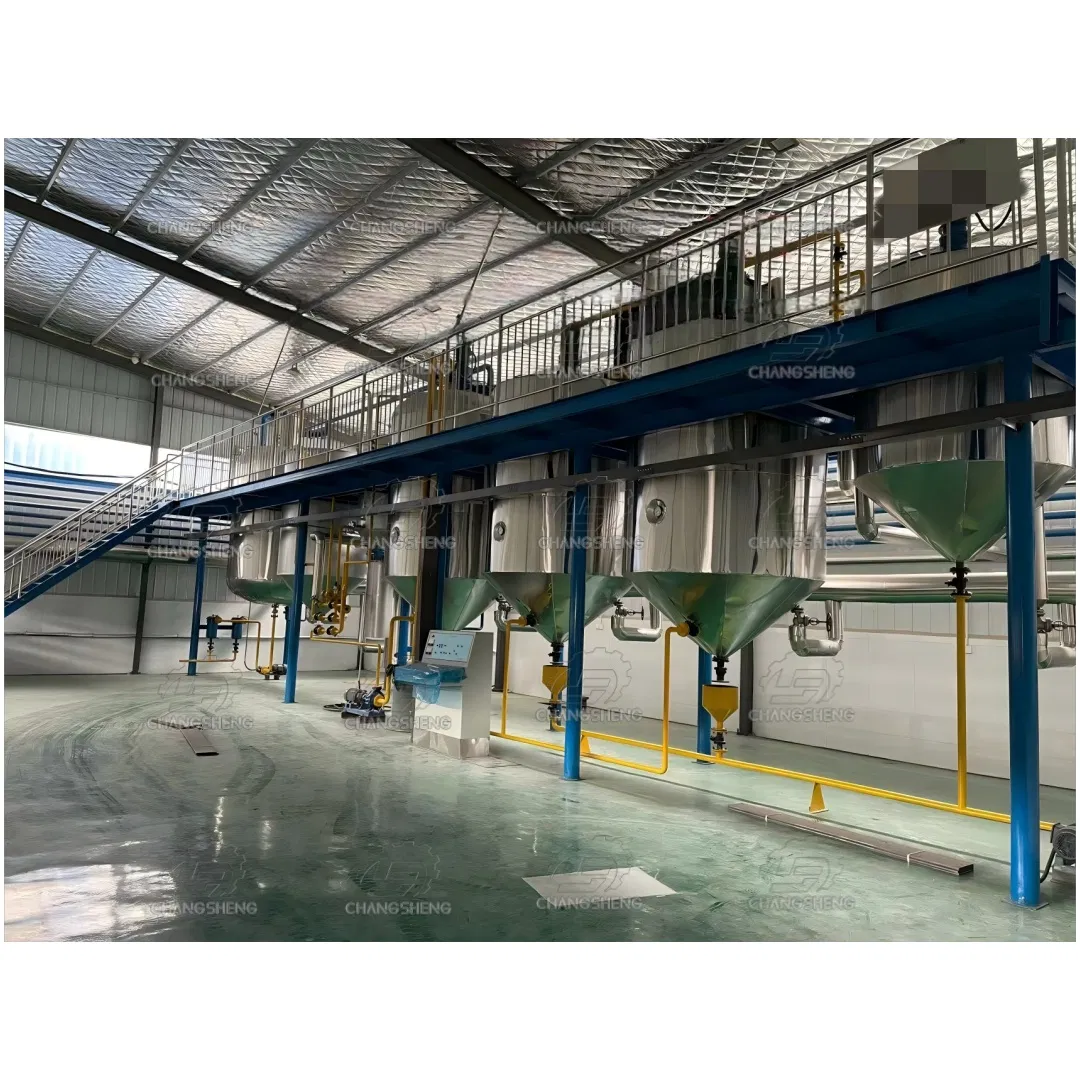
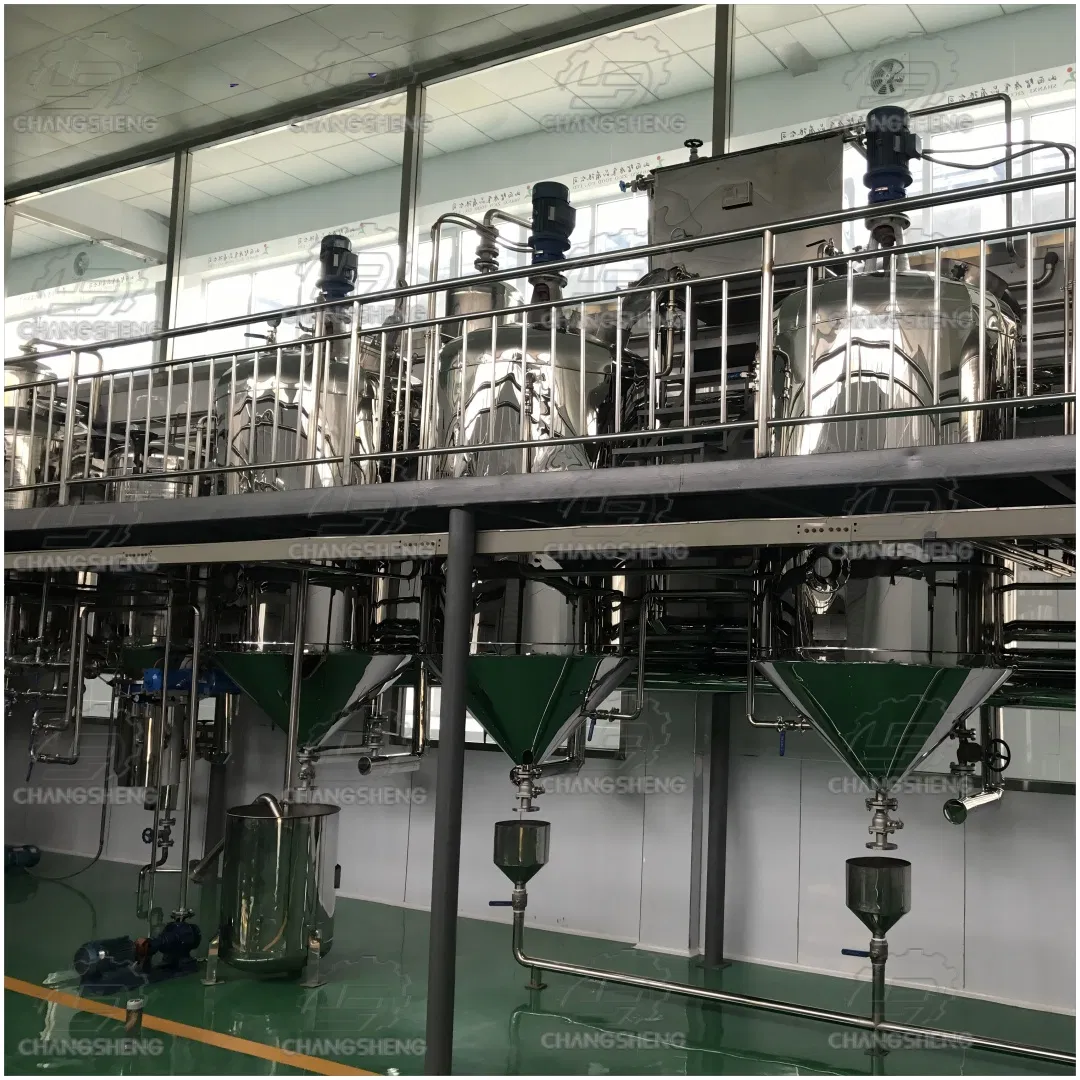
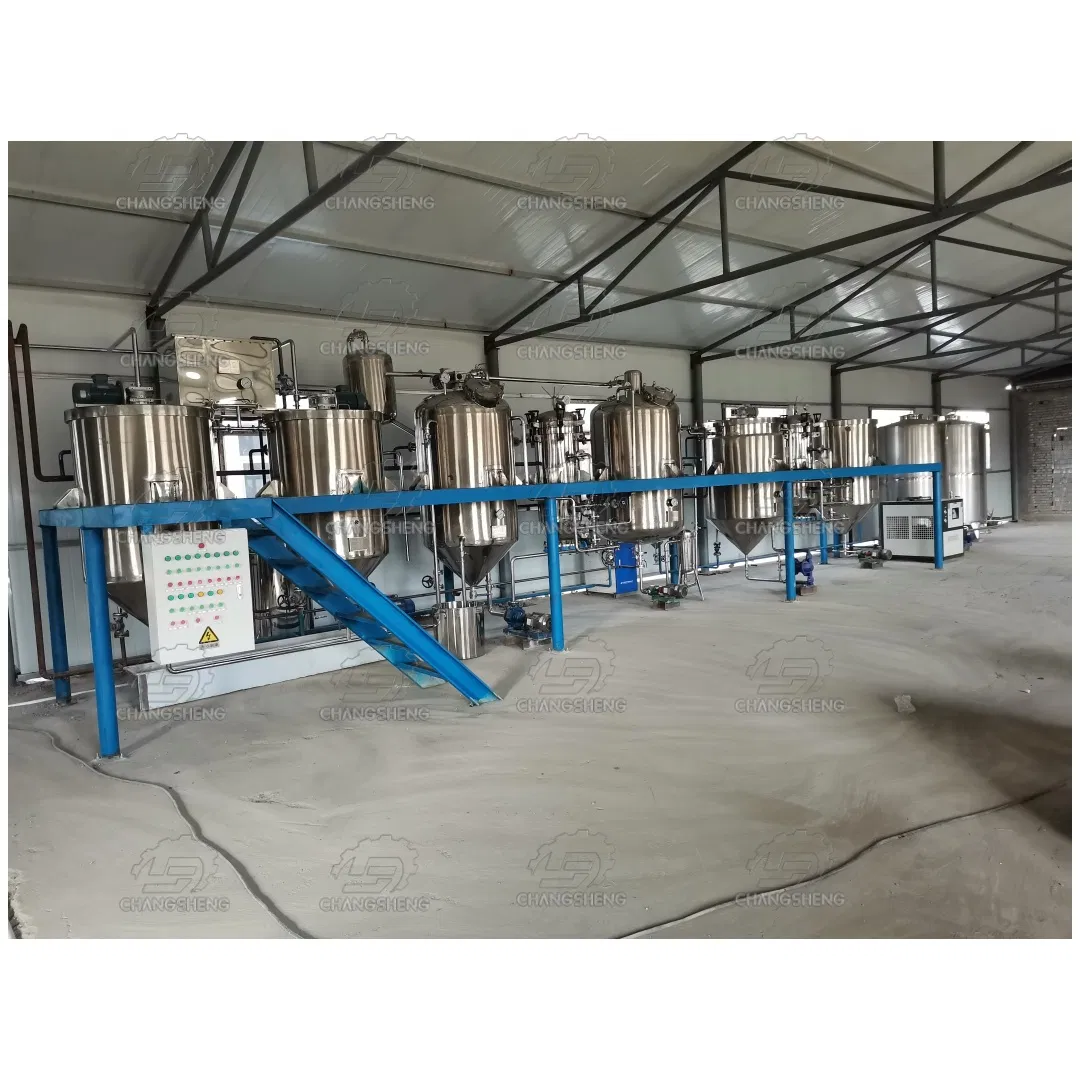
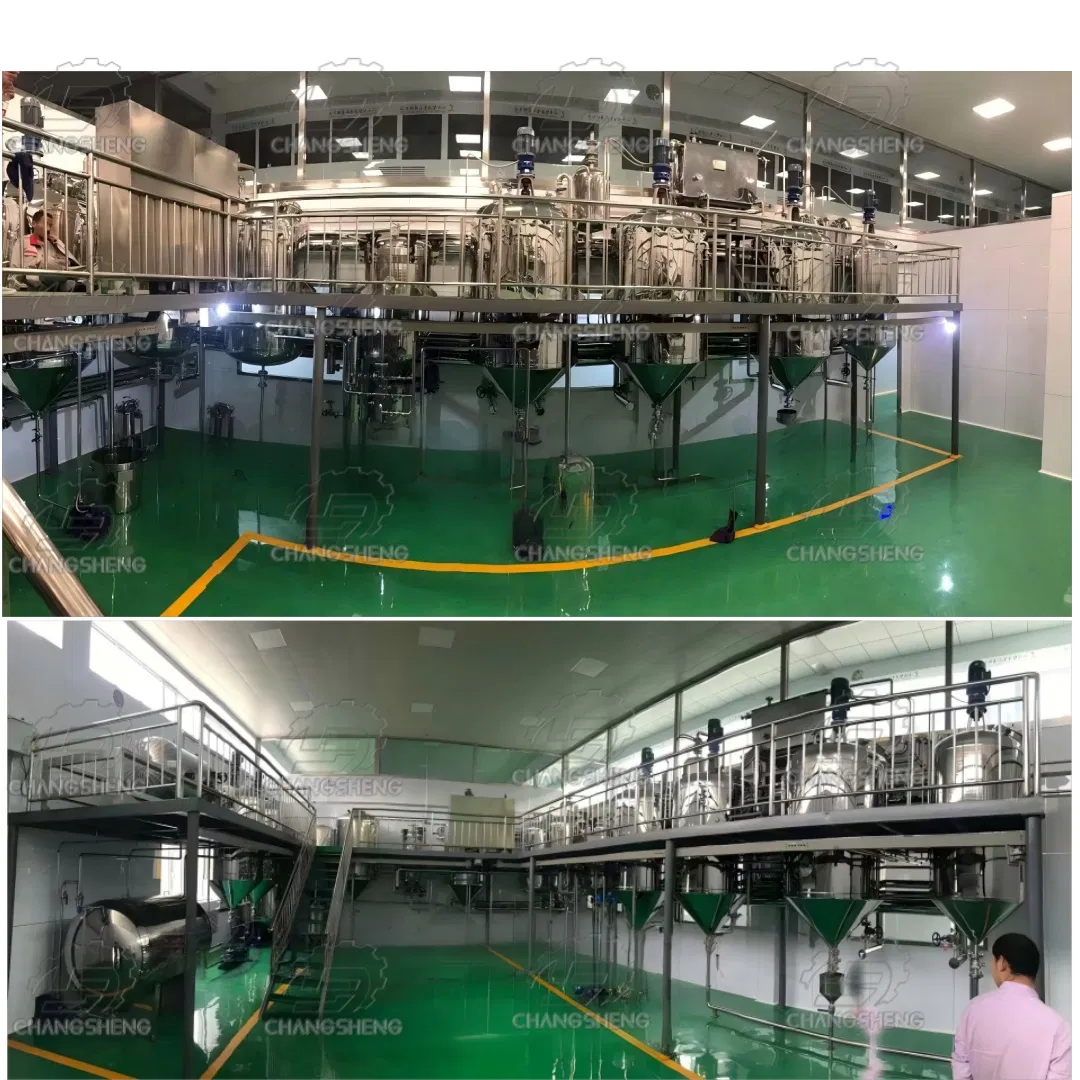
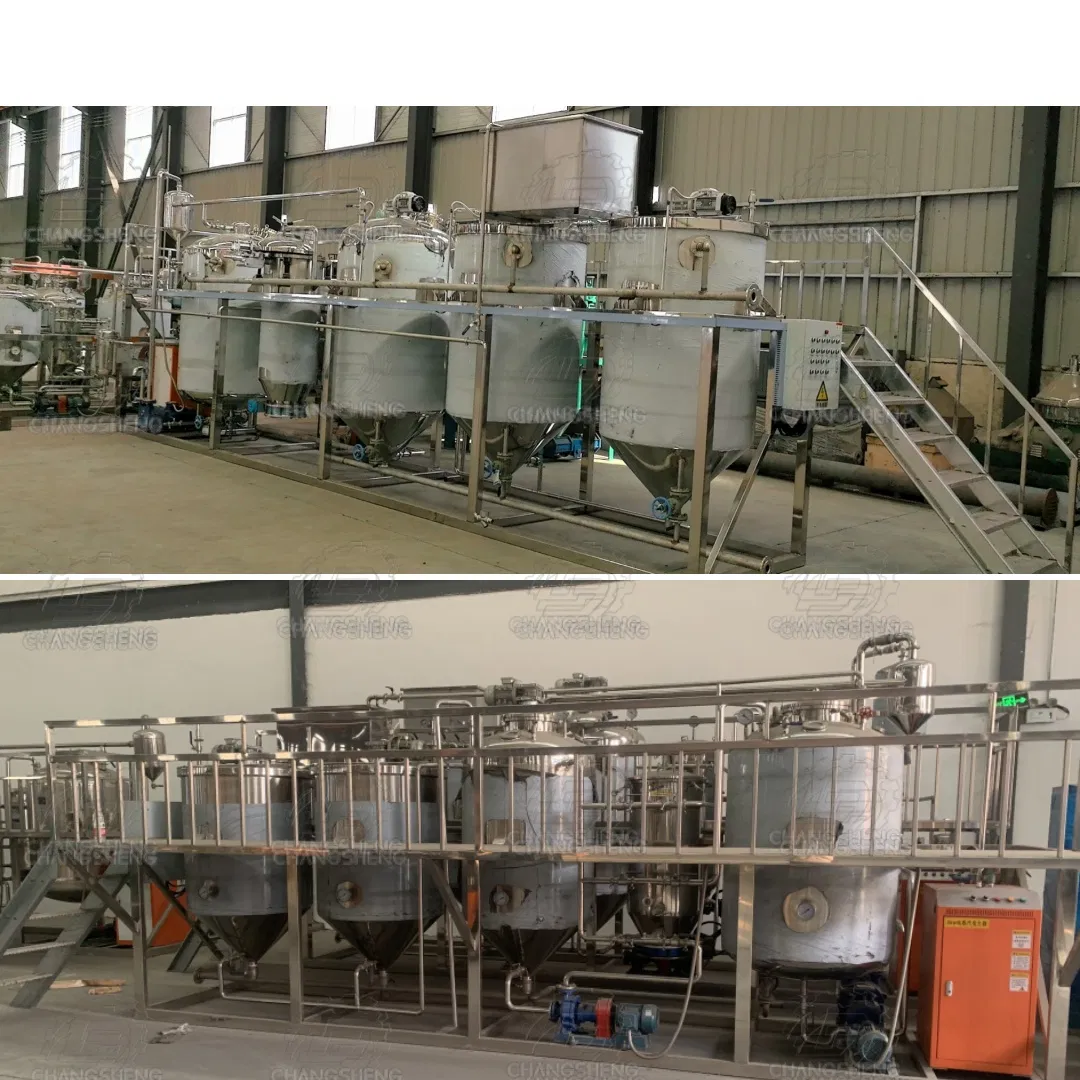
In Batch Type Vegetable Oil Refinery Plants, procedures are carried out in a series of neutralizing, bleaching, and deodorizing processes for a measured quantity of oils. The batch process is highly recommended for plants of specific capacities due to its low cost and ease of operation.
Crude oil extracted from expellers or solvent extraction plants contains various foreign impurities and unfiltered matter from the seed, such as gums, mucilage, and colored pigments. The presence of free fatty acids (FFA) deteriorates the quality of the oil, making it unfit for edible purposes.
Caustic soda treatment removes free fatty acids (FFA). Hot water washing dissolves impurities like gum, protein, and phospholipids.
Uses bleaching earth and activated carbon under vacuum conditions to absorb pigments, bringing a brighter and clearer color to the oil.
Maintains high vacuum and temperatures to inject steam, absorbing and stripping away volatile flavor/odor compounds like aldehydes and ketones.
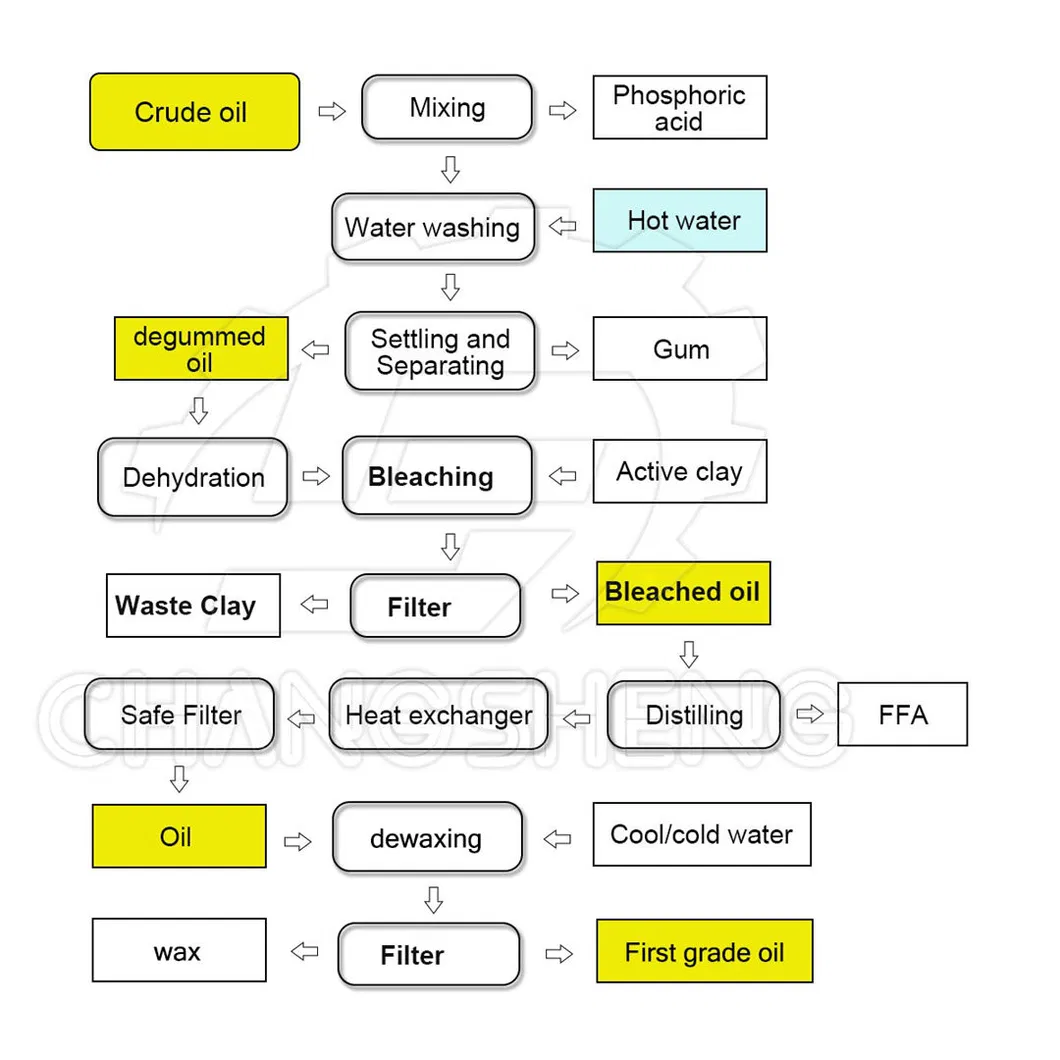
Degumming: After the pressing process, crude sunflower seed oil contains impurities that must be removed. Using the aqueous method, hot water is used to wash the crude oil 2-3 times to dissolve and separate gums, proteins, and phospholipids.
Neutralizing (Deacidification): Free fatty acids are harmful to human health and need extraction. Caustic soda is introduced to saponify the free fatty acid into a soap stock. The resulting soap granules sink to the bottom and are safely pumped out.
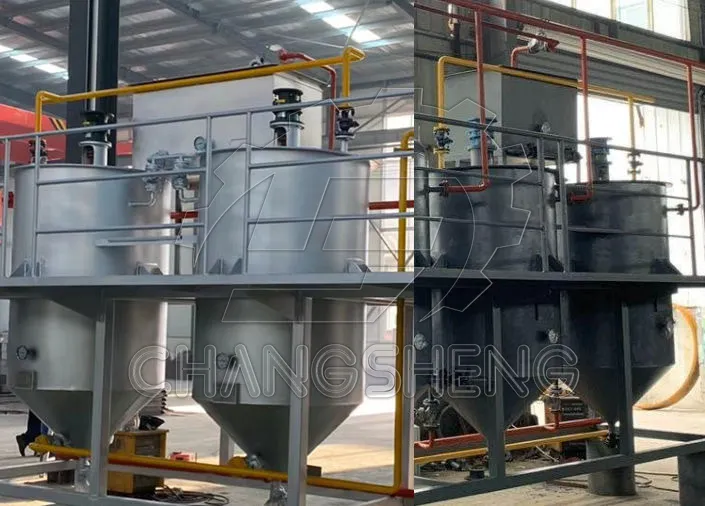
Due to the presence of carotene, xanthophyll, and other natural pigments, crude sunflower seed oil has a dark coloration. Bleaching clay, which possesses a strong absorption rate, is mixed in to absorb these pigments. After filtering out the clay, the pigments are removed and the oil takes on a much clearer, brighter look.
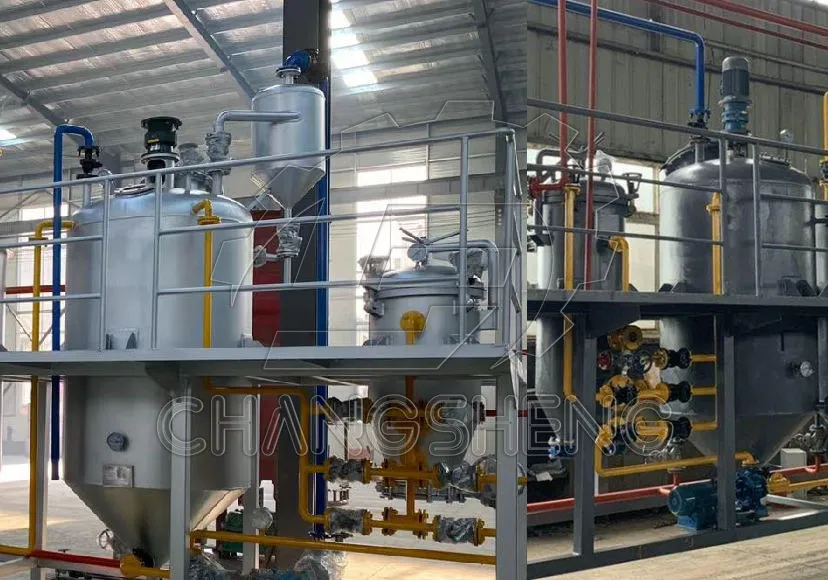
While pure vegetable oil is virtually odorless, crude seed oil carries a distinct smell. The deodorizing section aims to extract volatile smell compounds, such as aldehydes, ketones, and oxidized hydrocarbons. Injection of steam under high temperatures absorbs and evacuates these odor components.
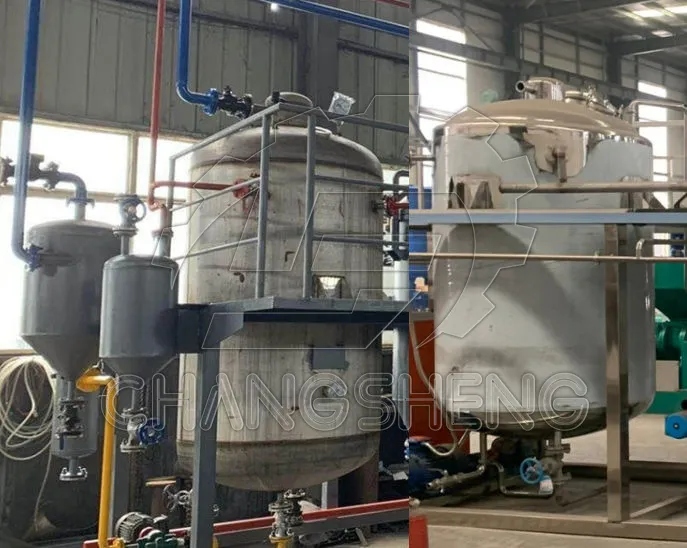
Following deodorization, a small amount of wax remains in sunflower seed oil. The dewaxing section isolates and removes this wax. Utilizing the differences in melting points between wax and oil, cooling crystallization methods isolate the wax crystals, which are then filtered out to produce clear, winterized oil.
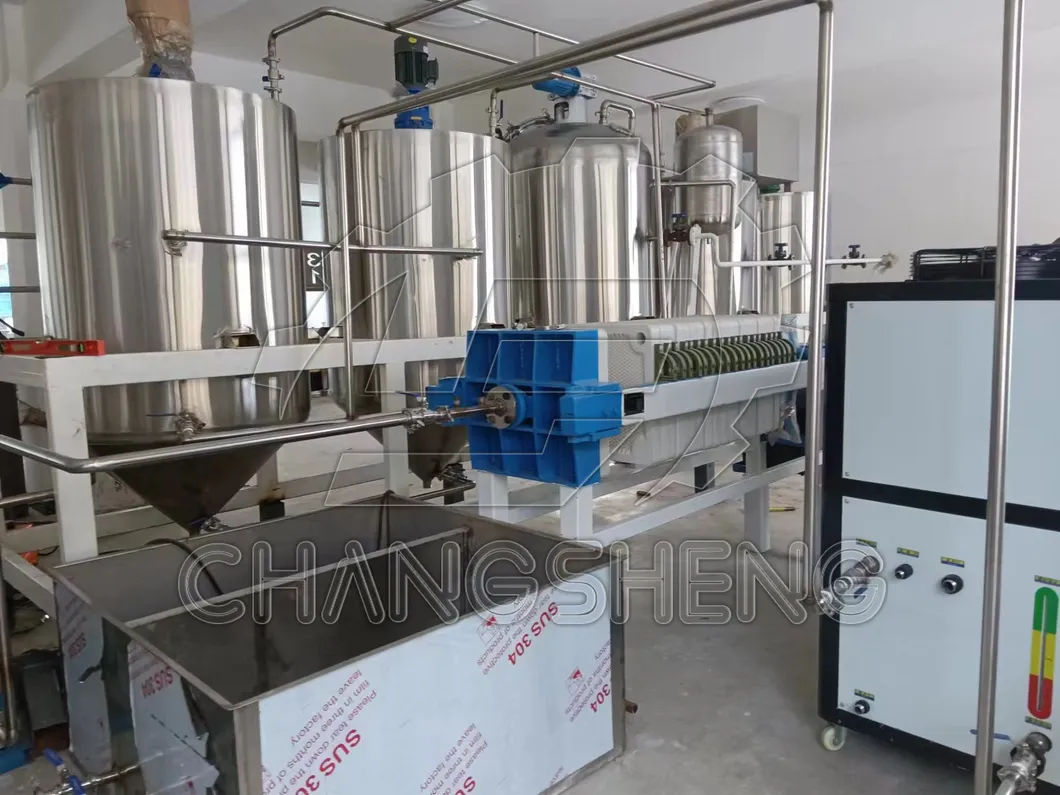


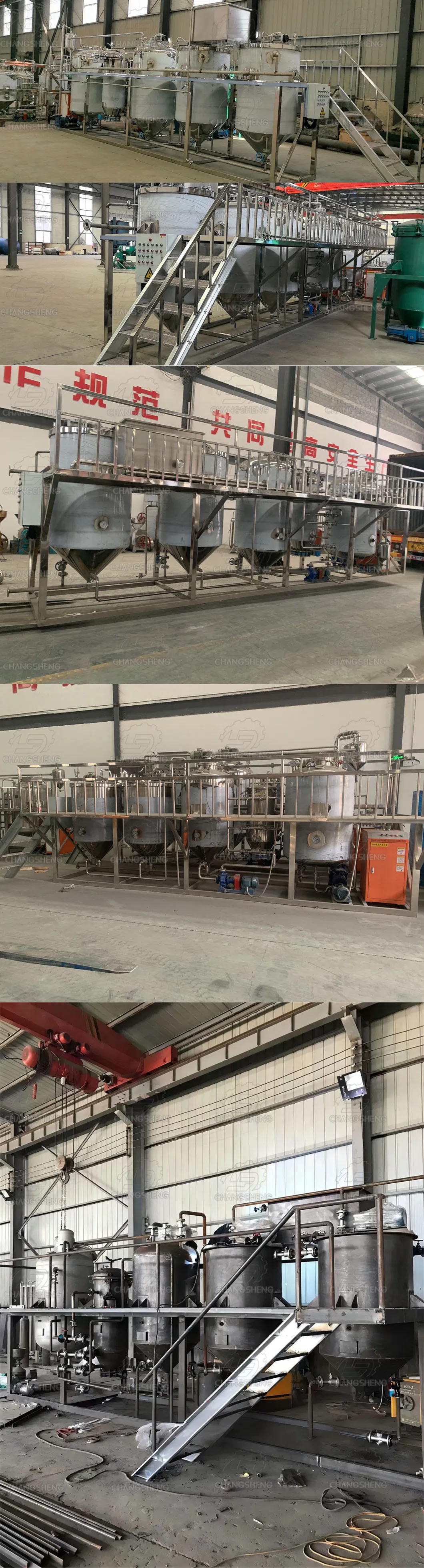
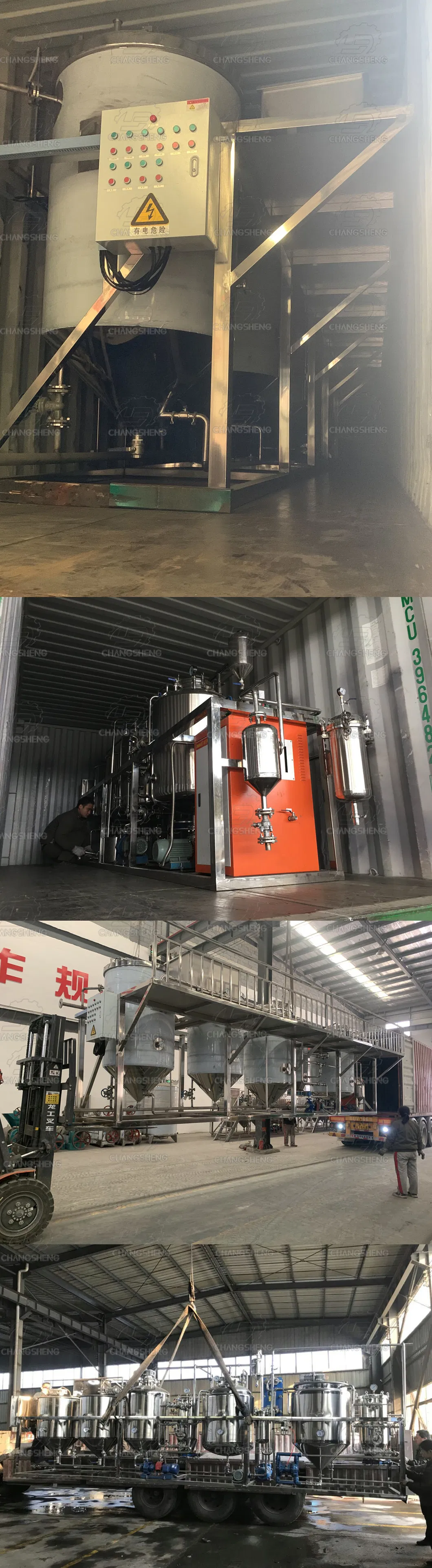
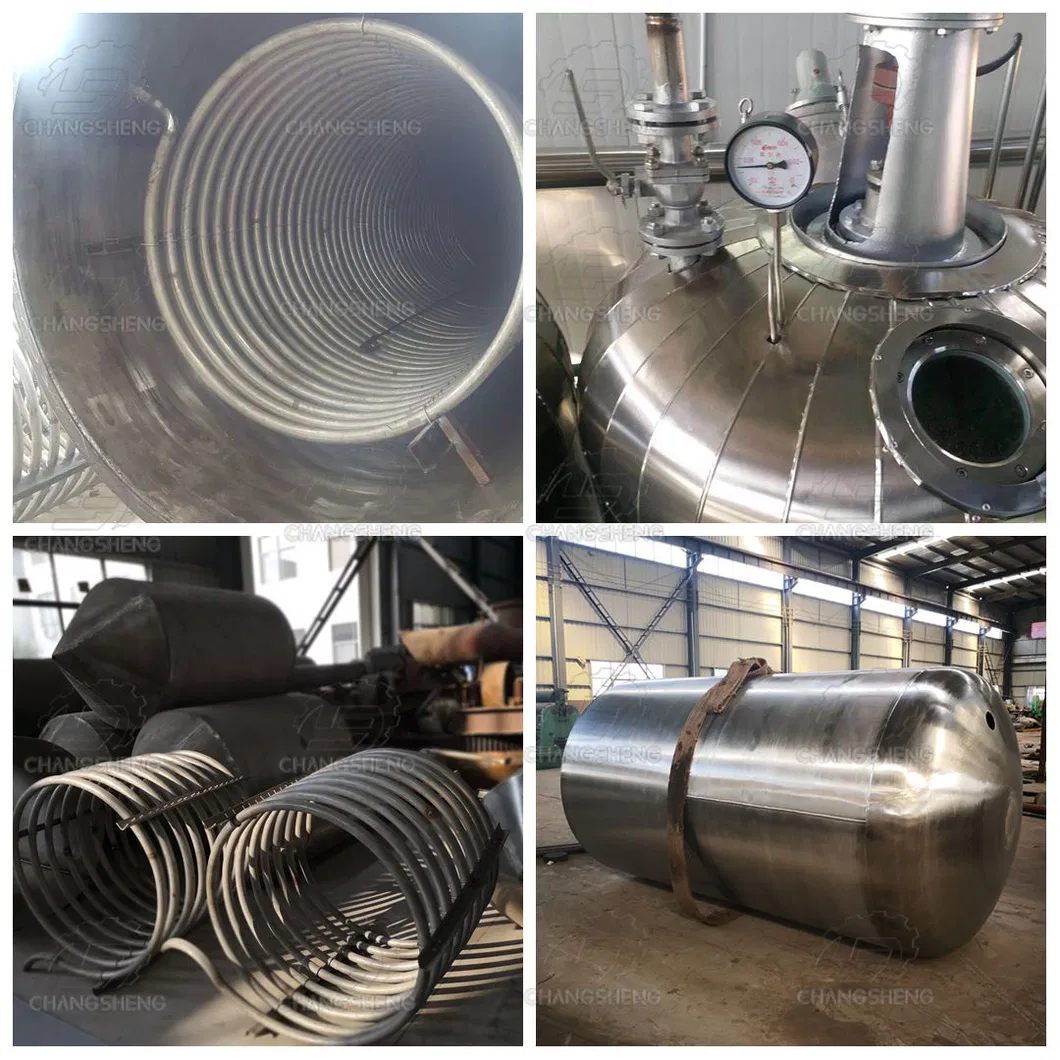
Our equipment is securely packaged to withstand international transport. Proper cushioning, frame mounting, and protective wraps guarantee it reaches your edible oil processing plant in pristine condition.