In recent years, interest in plant-based diets has surged. More consumers are shifting towards more sustainable protein sources. A recent report by the Plant-Based Foods Association indicates that the plant protein market is projected to grow by over 20% annually through 2026. This trend prompts a deeper exploration of what are vegetal proteins and their unique benefits.
Vegetal proteins are derived from a variety of plants. They are found in legumes, nuts, grains, and seeds. Unlike some animal proteins, they are often lower in fat and calories. However, they can sometimes be lower in certain essential amino acids. According to a study from the Journal of Nutrition, educated dietary choices can help achieve necessary protein levels while promoting health.
Moreover, switching to vegetal proteins can aid in reducing the carbon footprint. Research indicates that plant-based proteins require significantly less water and land than meat production. This brings forth a complex conversation on nutrition and sustainability. It’s essential to evaluate both benefits and potential drawbacks of these protein sources. Balancing a plant-based diet effectively requires thoughtful planning, underscoring the need for continued research in this evolving field.
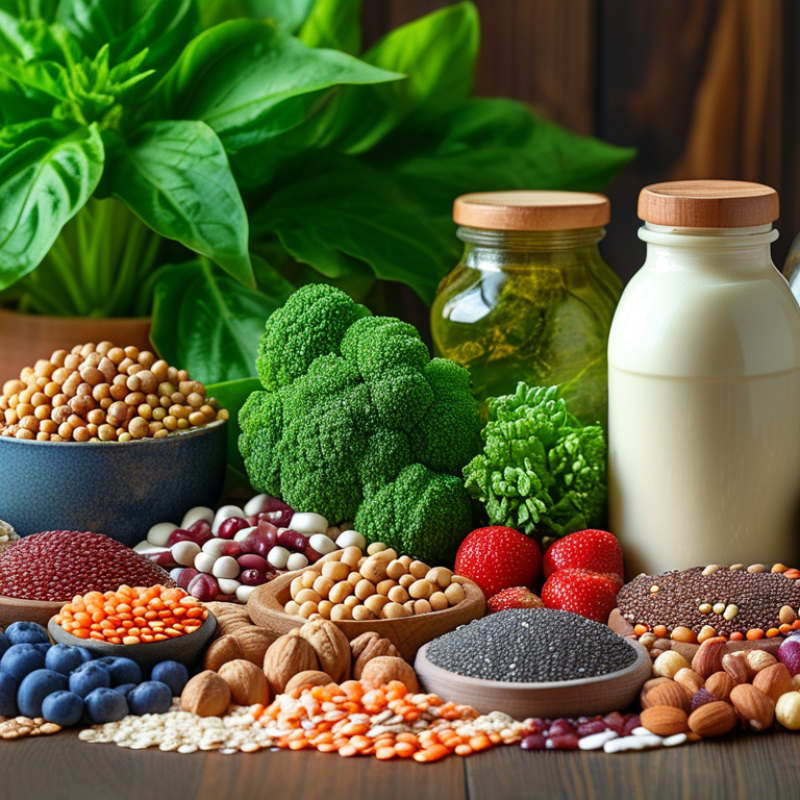
What Are Vegetal Proteins? A Comprehensive Overview
Vegetal proteins are increasingly recognized for their health benefits. They come from plant sources, such as legumes, grains, and nuts. According to a 2021 report from the Food and Agriculture Organization, plant proteins can provide essential amino acids. This is crucial for muscle development and repair. A growing body of research highlights that these proteins can lower the risk of chronic diseases. For instance, diets high in plant proteins are linked to reduced heart disease rates.
Despite the advantages, many people struggle with complete protein intake from plants. Some plant proteins lack one or more essential amino acids. A diverse diet is necessary to ensure all amino acids are consumed. A study published in the Journal of Nutrition indicates that combining different plant sources, like rice and beans, can overcome this issue. It reminds consumers to be mindful of their choices.
Moreover, the environmental impact of plant-based proteins cannot be ignored. Reports show that they typically require less water and energy compared to animal proteins. This shift could play a significant role in achieving sustainability. However, transitioning to plant-based diets poses challenges. People may need time to adjust their eating habits. Rethinking traditional protein sources is vital for personal health and the planet.
Top Sources of Vegetal Proteins for Optimal Nutrition
Vegetal proteins are essential for a balanced diet. They offer numerous benefits, including muscle growth and improved digestion. A variety of plant sources provide these proteins, making it easier to integrate them into meals.
Beans and legumes are rich in protein. Lentils, for example, contain about 18 grams of protein per cooked cup. They are high in fiber, aiding digestion. Chickpeas are another excellent source; they can be added to salads or made into hummus, boosting protein intake effortlessly.
Nuts and seeds also pack a nutritional punch. Almonds and chia seeds are fantastic options. A small handful of almonds offers about 6 grams of protein. Chia seeds are versatile and can be sprinkled on yogurt or smoothies.
Tips: Consider exploring quinoa. This grain-like seed contains all nine essential amino acids. Try mixing it into your meals for added nutrition. Additionally, experimenting with plant-based protein powders can help meet your protein needs, but read labels carefully.
Health Benefits of Incorporating Vegetal Proteins in Your Diet
Incorporating vegetal proteins into your diet can bring numerous health benefits. These proteins, derived from plants, are rich in essential nutrients. They help build and repair tissues, making them an ideal choice for active individuals. Additionally, they are often easier to digest than animal proteins. Common sources include legumes, nuts, and seeds, each offering unique flavors and textures.
Adding diverse plant-based proteins to meals can enhance overall nutrition. They are typically lower in saturated fat and calories, promoting heart health. For example, lentils provide iron and fiber, while quinoa is a complete protein. Yet, some may struggle to meet their protein needs on a plant-based diet. Balancing different protein sources is essential for optimal intake.
Many people find it challenging to replace animal proteins entirely. There might be a learning curve in meal planning. Research suggests that gradual changes can lead to better long-term adherence. Being mindful of protein quality is crucial, too. Combining various plant sources can create a full amino acid profile, ensuring your body gets what it needs.
Comparative Analysis: Vegetal Proteins vs. Animal Proteins
When comparing vegetal proteins and animal proteins, several factors come into play. Both offer essential nutrients, but their source and impact on health differ significantly. A recent report from the Academy of Nutrition and Dietetics highlighted that plant-based proteins can reduce the risk of heart disease. This is due to lower fat contents and high fiber levels. In contrast, low-quality animal proteins have been linked to increased cholesterol levels.
Plant proteins include beans, lentils, quinoa, and peas. These provide essential amino acids and are rich in antioxidants. A study published in the Nutrients journal indicated that diets high in plant protein correlated with lower body mass indexes (BMIs). Among vegetarians, the prevalence of certain chronic diseases is notably lower. However, some individuals may face challenges in getting sufficient protein from plant sources alone.
Animal proteins like fish and poultry are complete proteins. They deliver all essential amino acids. Reports suggest that a diet balanced with both sources can enhance muscle retention in older adults. Yet, conflicts arise when it comes to sustainability and environmental impact. The high carbon footprint of meat production raises questions about its future viability. Rethinking our protein sources could lead to healthier bodies and a healthier planet.
2026 Best Vegetal Proteins: What are They and Their Benefits?
| Type of Protein |
Source |
Protein Content (per 100g) |
Benefits |
Comparison with Animal Protein |
| Soy Protein |
Soybeans |
36g |
High in essential amino acids, promotes heart health |
More fiber, lower cholesterol |
| Pea Protein |
Yellow Peas |
25g |
Rich in iron, supports muscle growth |
Easier to digest, less allergenic |
| Hemp Protein |
Hemp Seeds |
33g |
Contains omega-3 fatty acids, improves skin health |
Higher in fiber, better for gut health |
| Quinoa |
Quinoa Seeds |
14g |
Complete protein, high in magnesium |
Fewer saturated fats |
| Brown Rice Protein |
Brown Rice |
24g |
Rich in antioxidants, helps lose weight |
Lower in calories, gluten-free |
Future Trends in Plant-Based Proteins and Market Growth Projections
The market for plant-based proteins is rapidly evolving. More people are seeking sustainable and healthy food options. This shift is driven by several factors, including health awareness and environmental concerns. Consumers want to minimize their carbon footprint, and plant-based proteins offer a viable solution.
The growth projections for plant-based protein are impressive. Experts predict significant increases in both production and consumption. This trend reflects changing dietary habits and the rise of flexitarianism. However, the industry faces challenges. Quality and supply consistency remain issues for many producers. Consumer education is also needed to enhance understanding of the benefits of plant-based proteins.
Innovation is key to the future of this market. New sources of vegan protein are being explored. Emerging options include algae, insect proteins, and new legume varieties. Each offers unique benefits for health and sustainability. Even with these advancements, questions remain about taste and texture. Continued research can address these concerns and better meet consumer demand. The future looks promising, yet the journey is complex.
2026 Best Vegetal Proteins and Their Benefits
This chart illustrates the protein content per 100g of different types of vegetal proteins, highlighting the benefits they offer in terms of dietary protein sources. As the demand for plant-based diets grows, understanding these nutritional values is crucial for informed dietary choices.
Conclusion
Vegetal proteins, often referred to as plant-based proteins, are derived from various sources such as legumes, grains, nuts, and seeds. In the article "2026 Best Vegetal Proteins What are They and Their Benefits?", a comprehensive overview highlights the top sources of these proteins, emphasizing their significance for optimal nutrition. Incorporating vegetal proteins into one’s diet can yield numerous health benefits, including improved heart health, enhanced digestion, and potential weight management support.
Furthermore, the article presents a comparative analysis of vegetal proteins versus animal proteins, showcasing the nutritional advantages of plant-based options. As the demand for plant-based eating continues to grow, future trends in the market indicate an increasing interest in innovative protein sources. Understanding "what are vegetal proteins" is crucial for individuals seeking healthier dietary choices, as well as for those interested in sustainable food practices.

 Entry Bio