Understanding what is the difference between vegetal and animal proteins is essential for making informed dietary choices. Plant-based proteins are derived from sources like legumes, nuts, and grains. These foods often contain beneficial fibers, vitamins, and minerals. On the other hand, animal proteins come from meat, dairy, and eggs, which provide complete proteins and a rich source of essential amino acids.
When comparing the two, digestibility becomes crucial. Animal proteins are typically easier to digest and absorb. However, they often come with higher levels of saturated fats and cholesterol. Conversely, plant proteins can be more challenging to digest for some but promote overall gut health.
This comparison sparks questions about nutrition and health. For example, are we missing out on vital nutrients by avoiding animal proteins? And how can we ensure we get enough amino acids from a plant-based diet? Reflecting on these differences helps clarify personal health choices and dietary needs.
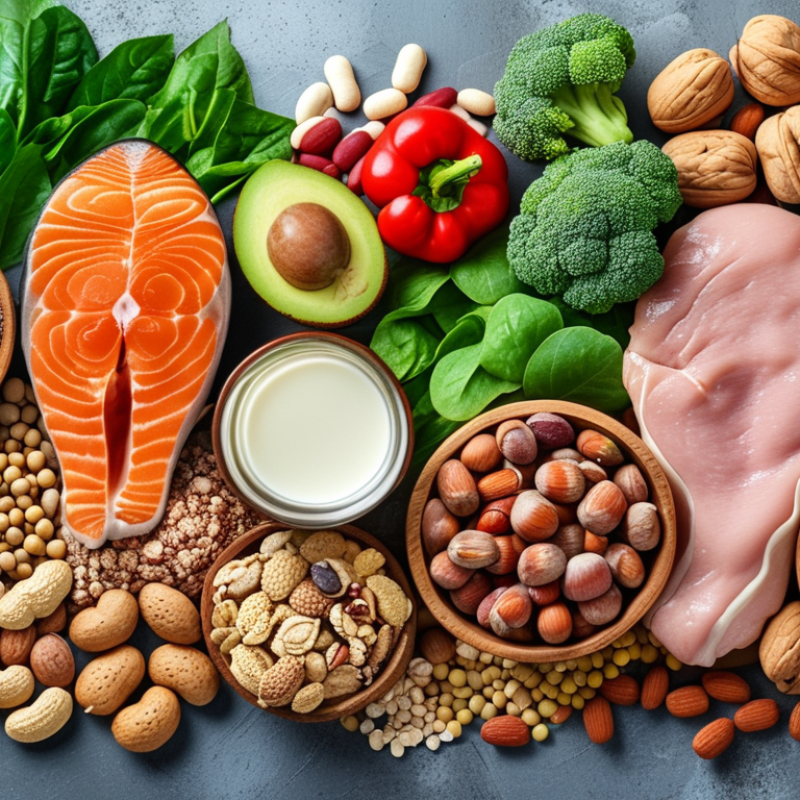
Understanding Protein Basics: What Are Veggie and Animal Proteins?
Proteins are essential nutrients that our bodies need for growth and repair. They come from two main sources: vegetables and animals. This distinction can have significant implications for our health and dietary choices.
Animal proteins are found in meat, dairy, and eggs. They are complete proteins, meaning they contain all essential amino acids. This can be beneficial for muscle building and recovery. However, they can also be high in saturated fats, which some studies link to heart problems.
On the other hand, veggie proteins, such as beans, lentils, and nuts, offer fiber and essential nutrients. They may lack one or two amino acids, making them incomplete. But, when combined properly, they can provide all the necessary proteins. Some people find plant-based diets beneficial for weight management and digestion but could struggle with protein intake if not well-planned.
Nutritional Profiles: Comparing Amino Acid Content in Both Protein Types
When examining the nutritional profiles of veggie and animal proteins, amino acid content is a key factor. Animal proteins, often complete, include all the essential amino acids our bodies cannot produce. Sources like meat, fish, and dairy provide high-quality protein. These animal-derived proteins are quickly absorbed and utilized by the body, making them a popular choice for muscle repair and growth.
Conversely, veggie proteins tend to be incomplete. While legumes, nuts, and grains offer valuable nutrients, they might lack one or more essential amino acids. Combining different plant sources can help ensure a full amino acid profile. It’s important to be mindful of what you eat. Many vegetarians or vegans adopt this approach to meet their daily protein needs. However, not all combinations are practical or convenient.
A personal reflection on this aspect is crucial. Some people may assume plant proteins are a straightforward substitute. This is not always true. The nutritional density varies widely within the plant-food spectrum. Consuming adequate amounts may require more planning and knowledge. It is essential to understand your dietary choices for optimal health.
Digestibility and Absorption: How Our Bodies Process Veggie vs. Animal Proteins
When it comes to digestibility and absorption, veggie and animal proteins exhibit distinct characteristics. Research indicates that animal proteins tend to have higher digestibility. According to a 2021 study published in the Journal of Nutrition, animal proteins have a digestibility score of about 90%. In contrast, plant proteins often score around 70-80%. This difference can be attributed to the structure of proteins and the presence of anti-nutritional factors in many plants.
The bioavailability of amino acids also differs. Animal proteins provide all essential amino acids in optimal proportions. Meanwhile, plant proteins may lack one or more essential amino acids. For instance, legumes are often low in methionine, while grains may lack lysine. This imbalance can affect how well the body utilizes these proteins. A report by the Food and Agriculture Organization notes that combining different plant sources can enhance their overall protein quality.
However, it's worth noting that the absorption of protein also depends on individual variation. Many factors, such as age, health status, and digestive efficiency, play a role. Some people may find it harder to digest certain vegetarian sources, like beans, due to their fiber content. This highlights the complexity of protein utilization in our bodies. Balancing both veggie and animal proteins in the diet can help achieve optimal nutrition.
Health Impacts: Benefits and Risks of Veggie and Animal Proteins
When it comes to health, the choice between veggie and animal proteins can be significant. Veggie proteins come from sources like legumes, nuts, and grains. They are often rich in fiber and lower in saturated fat compared to animal proteins. On the other hand, animal proteins provide complete amino acids essential for body function. However, high consumption of red meat can lead to health risks, such as heart disease.
Understanding the potential drawbacks is crucial. Not all plant proteins are complete, meaning they lack some essential amino acids. This can make meal planning more complex. Additionally, some individuals may struggle with digesting beans and legumes, leading to discomfort. Recognizing these imperfections allows for better dietary choices.
Tips: Incorporating a mix of both protein sources can balance the benefits. Aim for diverse meals combining beans with whole grains. This combo can enhance protein quality. Always consult with a healthcare professional before making drastic dietary changes. Your body’s reaction to different proteins can vary greatly. Knowing what works for you is key.
2026 Best Guide to Differences Between Veggie and Animal Proteins
This chart compares the average protein content in animal proteins (25g per 100g) and veggie proteins (20g per 100g). It highlights the slight advantage of animal proteins in terms of quantity, though both sources have unique health benefits and risks associated with their consumption.
Culinary Applications: Incorporating Veggie and Animal Proteins into Meals
When it comes to culinary applications, understanding how to incorporate both veggie and animal proteins can enrich your meals. Animal proteins are known for their complete amino acid profile, essential for muscle repair and overall health. However, plant-based proteins are gaining traction due to their added fibers and phytonutrients. Research from the International Journal of Nutrition indicates that the global plant-based protein market is projected to reach 27.9 billion USD by 2025, reflecting the growing demand for meat alternatives.
Adding veggie proteins like lentils, chickpeas, or quinoa can enhance texture and flavor in dishes. For instance, a hearty lentil soup can be both comforting and nutritious. Animal proteins, like chicken or fish, can complement salads, adding essential omega-3s and iron. The blend of textures can elevate your dish, creating a more satisfying experience.
Tips: Experiment with protein blends. Try chickpea and chicken falafels for a unique twist. For a quick meal, mix canned beans into pasta. This method not only simplifies meal prep but also maximizes nutritional benefits. Don’t shy away from making mistakes; flavor combinations may surprise you. Adapt recipes based on taste and health preferences to discover what works best for you.
FAQS
: Animal proteins are complete, containing all essential amino acids. Veggie proteins are often incomplete.
They are quickly absorbed and utilized by the body, aiding muscle repair and growth effectively.
Combining different plant sources, such as legumes with grains, can provide a full amino acid profile.
They are rich in fiber and generally lower in saturated fat than animal proteins.
High intake of red meat can increase the risk of heart disease and other health issues.
No, some people may experience discomfort when consuming beans and legumes.
It is essential, as many plant proteins require careful planning to meet dietary needs.
Always consult with a healthcare professional to understand how your body reacts to different proteins.
Yes, integrating different protein sources can enhance overall nutrient intake.
Variability in nutritional density and the complexity of meal planning can be challenging.
Conclusion
This guide provides a comprehensive overview of the differences between veggie and animal proteins, starting with the basics of what these proteins are. It delves into the nutritional profiles of both types, highlighting their amino acid content and essential nutrients. A key focus is on digestibility and absorption, examining how our bodies process these proteins differently.
Furthermore, the article discusses the health impacts associated with each protein type, weighing the benefits and risks involved in their consumption. Finally, it offers practical tips for culinary applications, suggesting ways to incorporate both veggie and animal proteins into a balanced diet. By exploring the question of what is the difference between vegetal and animal proteins, readers can make informed choices about their dietary preferences and health.

 Entry Biology