Plant protein is no longer a niche choice. It is becoming a practical sourcing decision for global buyers. The question, “what is the future of vegetal proteins,” now reaches beyond meat substitutes. It includes ingredients for drinks, snacks, bakery products, and everyday meals. Buyers are watching taste, price, nutrition, supply consistency, and consumer trust at once.
Bruce Friedrich, founder of the Good Food Institute, has put the shift simply: “The future of meat is meat, but not from animals.” His line captures the ambition, but not every challenge. Pea, soy, fava bean, and other plant proteins each bring different flavors, textures, and processing needs. A protein that performs well in a smooth beverage may not work in a firm burger. Details matter.
The trends ahead are practical, not just promotional. Buyers are looking for cleaner labels, better texture, more diverse crops, and reliable sourcing. They also want products that fit local tastes and realistic price points. Some claims still deserve scrutiny. “Plant-based” does not automatically mean nutritious, sustainable, or easy to scale. That gap matters. This guide explores ten trends shaping purchasing decisions, from precision formulation to regional ingredient supply. It offers a starting point, not a final verdict. The market is changing quickly, and even strong forecasts can miss what shoppers actually choose.
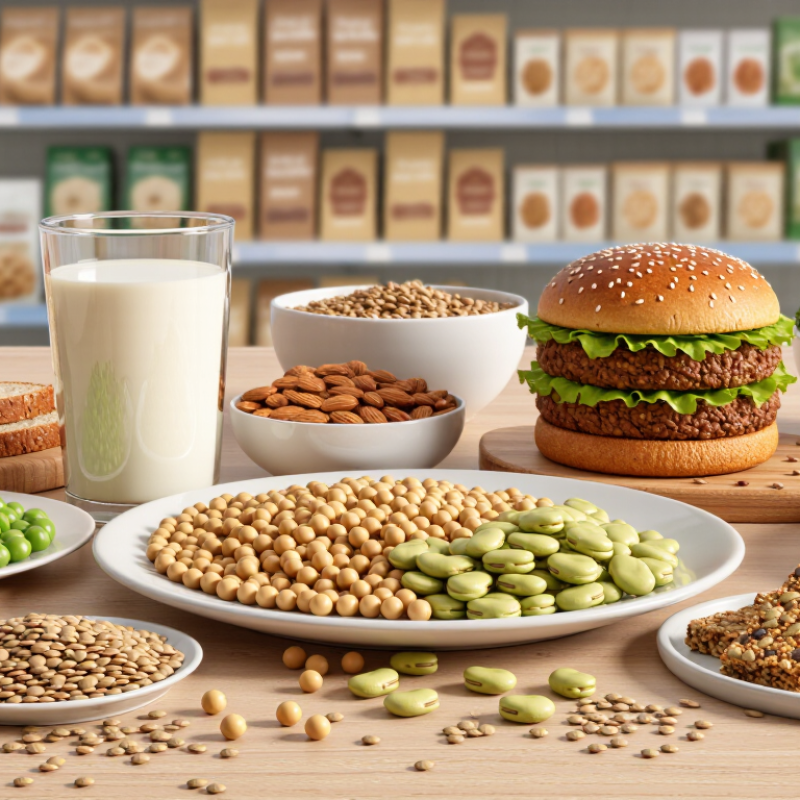
Understanding the global plant protein market means looking beyond headline growth. Buyers compare ingredients by protein content, taste, texture, price, and reliable supply. Pea, soy, wheat, rice, and fava proteins behave differently in drinks, baked goods, and meat alternatives. A powder that blends smoothly in a test cup may feel gritty in a finished product. Small details matter.
Regional preferences shape demand. Some consumers avoid particular allergens, while others prioritize familiar crops or shorter ingredient lists. Processing capacity, harvest conditions, shipping times, and local labeling requirements can also affect sourcing decisions. Ask suppliers for recent specifications, allergen details, and test results for each batch. Results may vary. One overlooked point: a protein percentage alone does not predict flavor or performance.
Tips: Request samples and test them in your actual recipe. Check solubility, aroma, and texture after storage, not just on mixing day. Compare the cost per usable serving, rather than the cost per kilogram. Leave room for a second supplier; supply plans can look solid until a harvest changes.
A nutritional snapshot of ten plant-based ingredients buyers are considering for protein-rich products.
Soybeans, lupin seeds, and hemp seeds have the highest protein content per 100 g in this comparison. Values are approximate and refer to raw or dried ingredients; variety and database entry can affect results. Protein content is a nutritional measure, not market share or demand. Source: USDA FoodData Central.
Global buyers rarely choose a plant protein by protein percentage alone. A label showing 80% protein can still hide differences in digestibility, amino acid balance, and processing behavior. Buyers compare each source with its intended use: a pea isolate for a beverage faces different tests than a fava concentrate in a baked snack. Small bench trials matter. Mix the powder in cold water, check for sediment after ten minutes, and note any grassy or bitter finish. These simple observations can reveal issues a specification sheet may not show.
Reliable evaluation also includes supplier documentation and production consistency. Request a current specification, allergen statement, microbiological results, and information about origin and crop variability. Then compare batches, not just samples. One lot may perform well, while another thickens more or tastes sharper. Assess solubility, water binding, heat stability, and flavor at realistic use levels. Cost per kilogram is only part of the calculation; yield, formulation changes, and rejected product affect total cost. No source wins every category. That is worth admitting. The best choice depends on the product, target consumer, and manufacturing line, and early trials can still miss problems that emerge at scale.
Global demand for plant protein is shifting from simple meat alternatives toward ingredients that work across everyday foods. Buyers are watching regional crops, blended proteins, cleaner labels, better texture, and traceability. Pea and soy remain familiar, while fava, chickpea, lentil, and mung bean broaden sourcing options. That matters when harvests, freight costs, or local preferences change. Blends can balance amino acids and reduce earthy notes, though formulation still takes testing. Texture counts. Consumers notice gritty shakes, dry patties, and products that soften in storage. Ingredient lists are getting shorter, but fewer ingredients do not automatically mean better nutrition.
Other trends include fermentation-assisted flavor, protein in snacks and drinks, nutrition tailored to life stages, lower-impact processing, and transparent sourcing. These priorities vary by market. Urban buyers may prioritize convenience, while manufacturers in price-sensitive markets often need stable supply and predictable functionality. Procurement teams increasingly ask for origin data, allergen controls, and consistent protein measurements, not just sustainability claims. Processing can improve solubility or taste, yet energy use and water demand deserve honest scrutiny. Claims need evidence. Protein quality varies by crop and process, so buyers should review amino-acid data, digestibility, and serving size. One awkward truth remains: excitement can outrun evidence, especially when a new ingredient has limited production history.
Regional preference is not a simple map of ingredients. Soy remains familiar in many East Asian foods, while chickpeas and lentils have deep culinary roots across South Asia and the Middle East. Pea and fava proteins can suit buyers seeking alternatives, but local taste and texture expectations still matter. Test powders in familiar foods, such as lentil stews, tofu dishes, or baked snacks. Small trials help.
The Good Food Institute’s 2024 U.S. retail report valued plant-based food sales at $8.1 billion in 2023, down 2% from the previous year. That figure is a useful market signal, not a forecast for every region. Buyers should validate demand with local distributors and food makers before committing to large volumes. Sourcing needs equal scrutiny. FAOSTAT records roughly 96 million tonnes of pulses harvested worldwide in 2022, but supply varies by crop, origin, and season. Request recent protein and moisture results, allergen controls, traceability records, and samples from the intended harvest. Compare landed cost, not just farm-gate price. A cheaper ingredient can bring uneven functionality or longer transit times. Regional preferences are rarely uniform, and that makes procurement less tidy than a spreadsheet suggests.
10 Best Plant Protein Trends for Global Buyers
Plant protein demand is growing, but purchasing decisions now depend on more than novelty. The Good Food Institute’s 2023 industry report put global plant-based meat retail sales at $6.1 billion in 2022, up 8% year over year. Growth is real, but uneven. Buyers still face price pressure, variable taste, and ingredient supply risks. A pea-protein isolate may perform well in a sample kitchen, then behave differently in a high-moisture process. That gap matters.
Standards and claims need close review. Labeling rules and permitted product names differ between markets, so one package may not suit every destination. Buyers should verify allergen controls, traceability, and nutrition claims against local requirements. Protein quality also deserves attention: ask for amino-acid profiles and digestibility data, not just a headline protein percentage. Fermentation-derived ingredients and improved plant blends may help with texture and nutrition, though cost and scale remain open questions. The outlook is promising, not settled.
Tips: Request a recent specification sheet, batch-level test results, and samples made with your intended process. Check whether suppliers can document origin and manage seasonal variation. Small pilot runs help reveal processing issues before a large order. It is easy to overlook packaging and storage conditions; those details can change product performance.
| # | Trend | Market relevance for buyers | Key challenges | Standards and buyer checks | Likely future development |
|---|---|---|---|---|---|
| 1 | Pea protein diversification | Pea protein is used in products such as beverages, meat alternatives, snacks, and protein powders. It offers buyers an option beyond soy, though availability and functionality vary by grade. | Some pea ingredients can have earthy or beany notes, gritty texture, or limited solubility, especially in drinks. | Request a specification covering protein content, moisture, microbiological limits, allergens, and application-specific functionality. Verify that nutrition and ingredient claims comply with destination-market rules. | More application-specific isolates, concentrates, and improved flavor and texture systems are likely to support wider use. |
| 2 | Soy protein with stronger sourcing assurance | Soy remains a versatile, widely used source for tofu, textured proteins, beverages, and formulated foods. Buyers may seek documented origin and responsible sourcing. | Soy is a regulated allergen in many markets; supply chains may also face deforestation, segregation, or genetically modified organism (GMO) documentation requirements. | Check allergen controls and labeling requirements in each sales market. Where relevant, specify origin, identity-preservation or segregation evidence, and the applicable sustainability criteria. | Traceability and market-specific sourcing documentation are likely to become more important in procurement decisions. |
| 3 | Fava bean and other pulse proteins | Fava beans, lentils, chickpeas, and other pulses can broaden ingredient sourcing and support regional crop strategies. Their proteins can be used in snacks, bakery products, and meat alternatives. | Protein yield, flavor, color, and processing performance can differ by crop variety, growing conditions, and extraction method. | Ask suppliers for origin, crop-year information where available, compositional specifications, and test results for the intended application. Screen for applicable allergen and contaminant requirements. | Improved crop varieties, processing methods, and regional processing capacity may help make pulse ingredients more consistent. |
| 4 | Blended plant proteins | Combining sources such as legumes and cereals can help formulators balance flavor, texture, processing performance, and amino-acid profiles. | Blends can complicate formulation, labeling, allergen management, and consistency between suppliers or production lots. | Require a full ingredient breakdown, allergen statement, batch specifications, and appropriate nutritional analysis. Do not assume a blend is nutritionally complete without assessing its composition and serving size. | Formulations are likely to become more tailored to specific foods, processing conditions, and nutrition targets. |
| 5 | Textured and high-moisture extrusion | Extrusion can create fibrous or structured textures for meat-alternative products from plant protein ingredients. | Results depend on raw material, moisture, equipment, and process settings; scale-up can affect texture, yield, and energy use. | Assess performance in the buyer’s own process and finished product. Use a documented food-safety management system and verify critical process controls appropriate to the product. | Process optimization and more application-specific ingredient grades may improve texture consistency and manufacturing efficiency. |
| 6 | Fermentation for flavor and functionality | Fermentation is being explored to improve flavor, reduce some undesirable notes, or modify ingredient functionality in plant-based foods. | Outcomes vary with the microorganism and process. Buyers need clarity on ingredient composition, process controls, and any residual processing aids. | Review the process description, ingredient specifications, microbiological controls, and regulatory status for the destination market. Confirm labeling treatment with qualified local regulatory advisers. | More targeted fermentation processes may help address flavor and functionality limitations in selected ingredients. |
| 7 | Cleaner-label formulations | Buyers are evaluating ingredient lists and seeking formulations that meet consumer expectations while retaining stability, taste, and texture. | Removing or replacing functional ingredients can affect shelf life, processing performance, and product quality. “Clean label” has no single global legal definition. | Substantiate all label and marketing claims under the laws of each target market. Check ingredient permissions, food additive rules, and mandatory declarations. | Ingredient systems may be redesigned to achieve desired performance with simpler or more familiar ingredient declarations where technically feasible. |
| 8 | Protein quality and nutrition transparency | Buyers are comparing protein quantity, amino-acid composition, digestibility, and the wider nutritional profile of finished foods. | Protein quality depends on the source, processing, food matrix, and serving size; a high protein percentage alone does not describe overall nutritional value. | Use validated analytical methods and nutrition calculations appropriate to the market. FAO has recommended DIAAS as a method for assessing protein quality; it is not a universal product-labeling requirement. | More product development is likely to consider protein quality alongside taste, cost, and other nutrition attributes. |
| 9 | Traceability and supply resilience | Buyers are seeking clearer information about ingredient origin, processing location, supplier controls, and supply continuity. | Multiple intermediaries, changing crop origins, and limited farm-level data can make traceability difficult. | Set documentation requirements for lot identification, country of origin where applicable, supplier approval, and change notification. Align food-safety controls with applicable law and recognized systems such as HACCP-based programs. | Digital records and more consistent supplier data may improve lot-level visibility and risk management. |
| 10 | Evidence-based sustainability claims | Environmental information can help buyers compare sourcing options and respond to customer or reporting requirements. | Impacts vary with agricultural practices, land-use change, processing energy, transport, and the boundaries used in an assessment. Unsupported broad claims create compliance and credibility risks. | Request transparent methods, defined system boundaries, and verifiable evidence for environmental claims. Check local rules on environmental marketing and avoid treating a single metric as a complete assessment. | More comparable lifecycle data and clearer claim substantiation are likely to shape sourcing and product communication. |
Buyer note: Food-safety, allergen, nutrition, labeling, and sustainability requirements differ by jurisdiction and product category. Confirm current local requirements before purchase, manufacture, or market launch.
Fava, chickpea, lentil, and mung bean are expanding sourcing options. Their suitability still depends on taste, supply, and local cooking habits.
Blends can balance amino acids and soften earthy flavors. They still need testing in the finished food.
Test small samples in dishes such as lentil stew, tofu meals, or baked snacks. Small trials help.
Powders can feel gritty, patties can turn dry, and stored products may soften. Texture matters.
Ask for protein and moisture results, allergen controls, traceability records, and samples from the intended harvest.
Freight and longer transit times can change the real cost. A cheaper ingredient may also perform unevenly.
Processing may improve solubility or flavor, but it can use more energy and water. That trade-off deserves scrutiny.
Review amino-acid data, digestibility, and serving size. A promising ingredient may have limited production history, so confidence should stay measured.
No. Soy is familiar in many East Asian foods, while chickpeas and lentils have strong culinary roots elsewhere. Local preferences vary.
The global plant protein market is evolving as buyers seek ingredients that combine strong nutritional value, reliable supply, appealing taste, and practical functionality. When comparing protein sources, purchasers may consider protein content, digestibility, allergen profiles, processing requirements, cost, and suitability for different foods. Emerging trends include greater interest in pulses, soy alternatives, grains, seeds, blended proteins, cleaner ingredient lists, improved textures, and products tailored to specific dietary needs. Sustainability and transparent sourcing are also becoming important factors in purchasing decisions.
Regional preferences influence which ingredients and product formats gain traction, while sourcing choices depend on availability, quality consistency, transport, and processing capacity. Buyers must also navigate varying standards and expectations around nutrition, labeling, and product performance. Looking ahead, what is the future of vegetal proteins will depend on continued innovation, dependable supply chains, and the ability to make plant-based options both nutritious and enjoyable. Improvements in processing and collaboration across the supply chain can help address current challenges and support broader adoption in diverse markets.

Entry Biology