In recent years, the focus on plant-based diets has surged. Many are now asking, "Why are vegetal proteins important?" Renowned nutritionist Dr. Maria Sanchez highlights, “Plant proteins are not just alternatives; they are essential for our health.” This statement encapsulates the growing awareness of the benefits of vegetable proteins.
Vegetal proteins play a crucial role in our daily nutrition. They are packed with essential amino acids, vitamins, and minerals. Unlike many animal proteins, they are often lower in saturated fats. This makes them heart-friendly options. Moreover, plant proteins contribute to a more sustainable food system. Yet, the conversation around their importance often lacks depth. Many individuals still overlook these nutrients in their diets, focusing instead on protein from animal sources.
Reflecting on the barriers, some people perceive diet changes as too challenging. Convenience often wins against healthy choices. However, with education and awareness, we can shift these perceptions. The dialogue around "why are vegetal proteins important" must continue. More knowledge can empower consumers to make better decisions for their health and the planet.
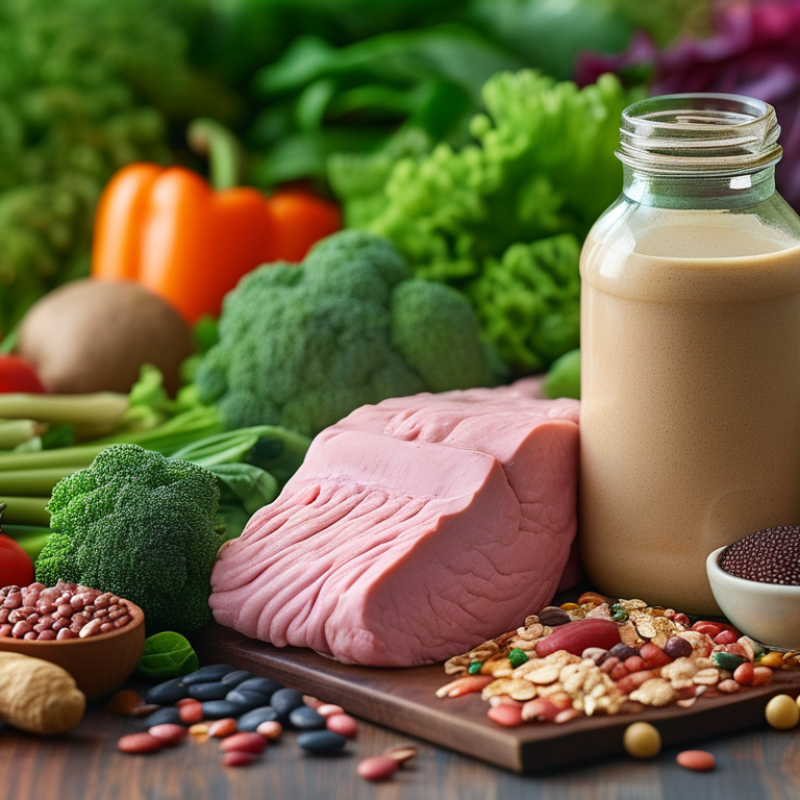
Vegetable proteins offer significant nutritional advantages over animal proteins. They provide essential amino acids, vitamins, and minerals, often with lower fat levels. For example, beans and lentils are rich in protein and fiber. They contribute to better digestion and overall health. Unlike animal protein sources, plant-based options generally have lower cholesterol, promoting heart health.
Moreover, vegetable proteins are versatile. You can incorporate them in various dishes, from salads to smoothies. Nutritional yeast, rich in B vitamins, adds a cheesy flavor without the dairy. However, some worry about protein completeness. Unlike animal proteins, many plant-based sources lack certain amino acids. Combining foods, like rice and beans, can solve this issue.
A potential drawback is the digestibility of some vegetable proteins. Some people might experience bloating or discomfort. This raises questions about individual tolerances. Remember that not every plant-based option is suitable for everyone. Understanding these nuances is key to making informed dietary choices.
Vegetable proteins offer a wealth of health benefits when consumed regularly. They are packed with essential nutrients that promote overall well-being. Unlike animal proteins, vegetable sources are often lower in saturated fats. This characteristic helps maintain a healthy heart. Beans, lentils, and chickpeas are great choices for including in meals. They provide fiber, which aids digestion and keeps you full longer.
Additionally, incorporating vegetable proteins supports weight management. When replacing processed foods with plant-based options, people often see positive changes in their diets. For some, the shift can be challenging. Certain individuals might struggle with finding adequate protein sources. Diverse dishes can help overcome this. Food variety encourages creativity in cooking.
Moreover, consuming vegetable proteins can enhance nutrient intake. They are filled with vitamins and minerals that are vital for bodily functions. Nutritional deficiencies may arise if one does not balance their diet. It's important to be mindful of protein combinations. Mixing different plant proteins can ensure complete amino acid profiles. This need for awareness is crucial for those transitioning to a plant-based lifestyle.
The environmental impact of plant-based protein sources is significant. Meat production requires immense resources. For example, it takes about 1,800 gallons of water to produce just one pound of beef. In contrast, bean cultivation demands far less water. A shift toward vegetable proteins can drastically reduce water usage.
Let’s consider land usage. Animal agriculture occupies vast areas. Deforestation often occurs to create grazing land. In contrast, growing vegetables and legumes can be done in a more sustainable manner. They require less land and can often be cultivated in urban settings.
**Tips: Choose locally sourced plant proteins whenever possible. They often have a lower carbon footprint.** Try incorporating lentils, chickpeas, and quinoa into your meals. These options are not only nutritious but also environmentally friendly. Remember, every small choice contributes to a larger impact. Reflect on your food choices; even simple changes can lead to significant improvements in environmental sustainability.
Vegetable proteins play a significant role in weight management and muscle health. They are an excellent source of nutrients. Foods like beans, lentils, and peas offer protein without excessive fat. These proteins help maintain satiety, which can reduce overall calorie intake. Moreover, they are rich in fiber, aiding digestion and promoting a healthy gut.
For muscle health, vegetable proteins can be just as effective as their animal counterparts. Amino acids found in plant sources support muscle repair and growth. However, not all plant proteins are complete, meaning they lack some essential amino acids. It's crucial to combine different sources to get a balanced profile. For instance, pairing rice with beans provides a complete amino acid set.
Weight management can be challenging. It's easy to overconsume even healthy foods. Tracking portion sizes is essential to avoid this pitfall. Additionally, some might find it hard to adjust to a diet high in vegetable proteins. The transition may require time. With careful planning and experimentation, you can find satisfying meals that support your health goals.
Vegetable proteins come from various sources. They are essential for a balanced diet. Legumes, nuts, seeds, and whole grains provide rich protein options. Each source has unique flavors and textures. For example, lentils are hearty and absorb spices well, making them ideal for soups and stews. Chickpeas can be roasted for a crunchy snack or blended into smooth hummus.
Nuts like almonds and walnuts offer healthy fats along with protein. They add crunch to salads and desserts. Quinoa is a versatile grain that cooks quickly. It can be used in salads, bowls, or even as a breakfast option. The culinary uses of these proteins are vast and diverse.
However, not all vegetable proteins are complete. Some may lack essential amino acids. It's crucial to combine different sources for a balanced intake. For instance, pairing rice and beans can create a complete protein. Meanwhile, the flavor profiles can vary widely. Exploring new combinations can be both fun and rewarding. Experimenting with these ingredients allows for creativity in the kitchen.
: Vegetable proteins are packed with essential nutrients. They promote overall well-being and are lower in saturated fats than animal proteins.
They help maintain satiety and reduce calorie intake. Replacing processed foods with plant-based options fosters positive dietary changes.
Fiber aids digestion and keeps you full longer. It is vital for a healthy gut and overall digestive health.
Not all plant proteins are complete. Combining different sources, like rice and beans, is crucial for a balanced amino acid profile.
The shift can be challenging. Finding adequate protein sources may require time and effort, leading to potential nutritional deficiencies.
Plant-based proteins require far less water and land. Transitioning can significantly reduce resource consumption and promote sustainability.
Diversifying dishes is key. Using lentils, chickpeas, and quinoa can enhance meal variety and keep your diet interesting.
Yes, it's easy to overconsume even healthy foods. Being mindful of portions helps maintain weight management goals.
Vegetable proteins are gaining recognition for their nutritional value compared to animal proteins, offering a rich array of essential amino acids, vitamins, and minerals. Regular consumption of vegetable proteins contributes to various health benefits, such as improved heart health, enhanced digestion, and better weight management. These proteins play a significant role in muscle health, providing a sustainable source of energy for physical activities without the saturated fats found in some animal proteins.
Additionally, the environmental impact of plant-based protein sources can be profoundly positive, promoting sustainability by reducing greenhouse gas emissions and resource consumption associated with animal farming. By exploring diverse sources of vegetable proteins and their culinary uses, individuals can embrace a nutritious diet while understanding why vegetable proteins are important for both personal health and the well-being of our planet.

Entry Biology