How to Boost Your Diet with More Plant Based Proteins?

Time:2026-07-10 Author:Henry
0%

As more people recognize the benefits of plant-based diets, the demand for plant-based proteins continues to rise. According to a recent report by the Plant-Based Foods Association, U.S. sales of plant-based foods grew by 27% in 2020 alone. This shift indicates a significant interest in how to add more vegetal proteins to your diet.

Experts like Dr. Jane Goodall encourage this transition. She states, “A shift towards plant-based diets can lead to healthier lives and a healthier planet.” Incorporating more plant proteins not only provides essential amino acids but also supports sustainability. Think of lentils, chickpeas, and quinoa as staples. Using these ingredients can transform meals effortlessly.

It’s crucial to remember that replacing animal proteins with plant options may require some adjustments. Many find it challenging at first, but it's a learning journey. Balancing nutrient intake might take some effort. With mindful choices, you can boost your health while nourishing the environment.
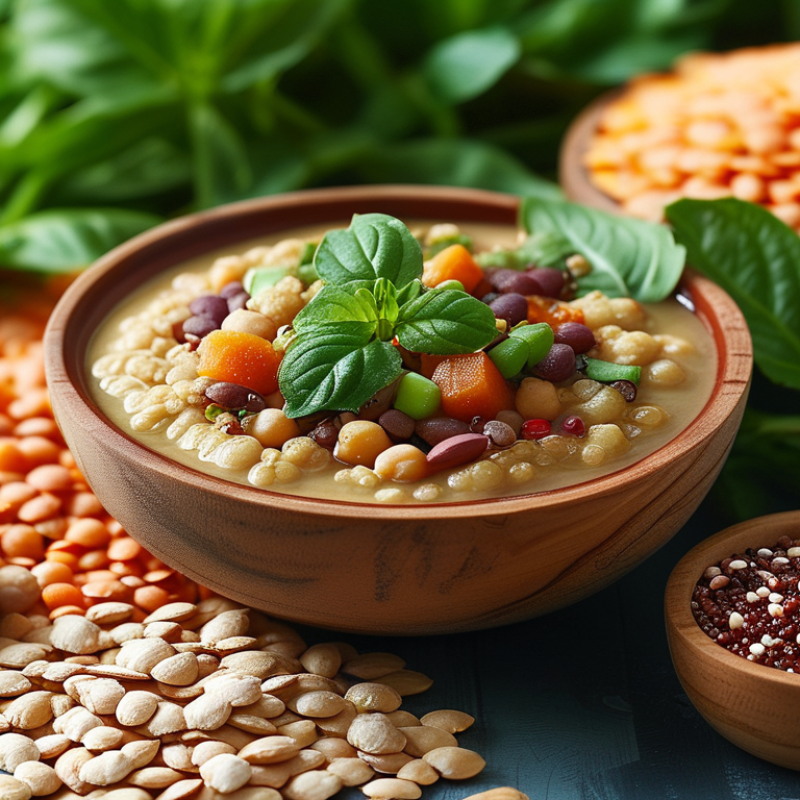
How to Boost Your Diet with More Plant Based Proteins?

Understanding Plant-Based Proteins and Their Benefits

Plant-based proteins have become a vital aspect of modern diets. They offer numerous health benefits and promote sustainable eating habits. According to the Food and Agriculture Organization (FAO), plant-based proteins can improve heart health, lower cholesterol levels, and reduce the risk of chronic diseases. They often contain essential nutrients and fibers that animal proteins may lack. A study published in the Journal of Nutrition found that diets high in plant proteins led to lower mortality rates.

To incorporate more plant-based proteins, consider legumes like lentils and chickpeas, which are rich in protein and fiber. Nuts and seeds also provide healthy fats and vitamins. You can blend them into smoothies or sprinkle them on salads. Quinoa, a complete protein, can replace rice or grains in various dishes.

Tips: Try replacing one meal per week with a plant-based option. This simple change can enhance your overall nutrient intake. Be mindful that transitioning to a plant-based diet may require you to balance protein sources to meet your dietary needs fully. Adjust portion sizes as necessary to find what works best for your body.

Top Sources of Plant-Based Proteins for Your Diet

Plant-based proteins are gaining traction in nutrition. They provide essential nutrients while being kinder to the planet. According to a report by the International Journal of Environmental Research, diets rich in plant-based proteins significantly reduce greenhouse gas emissions. This shift not only benefits individual health but also contributes to sustainability.

Lentils stand out as a top source of plant protein. One cup of cooked lentils offers about 18 grams of protein. Peas, too, are impressive, delivering around 9 grams of protein per cooked cup. Quinoa is another excellent choice. It's a complete protein, with 8 grams in a cup. Combining these foods can help ensure you meet your protein needs effectively.

However, not everyone finds it easy to switch to plant-based proteins. Some might struggle with the taste or preparation methods. Others may not understand how to incorporate diverse sources into their daily meals. Reflecting on these hurdles can encourage more people to explore plant proteins. With education and creativity, these challenges can transform into opportunities for better health and environmental impact.

How to Incorporate More Plant-Based Proteins into Meals

Incorporating plant-based proteins into meals can be both enjoyable and nutritious. Start by using legumes, such as lentils and chickpeas. These are versatile and easy to add. You can toss them into salads, soups, or stews. They provide fiber and various essential nutrients. However, ensure you rinse canned beans to reduce sodium intake.

Quinoa is another excellent choice. This grain is a complete protein, offering all nine essential amino acids. Use it as a base for grain bowls. Mix in fresh vegetables, nuts, and seeds for added texture. Sometimes, cooking quinoa can be tricky. It may become too watery if not monitored. Adjusting water ratios may help achieve the perfect consistency.

Don’t forget about nuts and seeds. They are great for snacking or adding to dishes. Almonds, chia seeds, and hemp seeds boost protein content and healthy fats. Sprinkle them on yogurt or oatmeal for a quick upgrade. Remember, moderation is key. Nuts are calorie-dense, so keep portion sizes in mind. Balancing these proteins with other food groups is essential for a well-rounded diet.

Meal Prep Ideas to Enhance Plant-Based Protein Intake

Meal prepping is a great way to enhance your plant-based protein intake. Start by choosing protein-rich ingredients. Lentils, chickpeas, and quinoa are excellent choices. Cook them in bulk to save time. Once cooked, divide them into containers. This makes it easy to grab a healthy meal.

Include diverse sources of plant protein for balanced nutrition. Consider incorporating nuts and seeds. They add healthy fats too. A simple trail mix with almonds and pumpkin seeds can be great for snacking. Smoothies packed with spinach and hemp seeds also boost protein levels. But be mindful of overdoing it. Balance is vital.

Experiment with flavors to keep meals exciting. Use spices, herbs, and citrus to enhance dishes. For instance, try a chickpea salad with lemon and dill. It’s refreshing and satisfying. Reflect on your prep process. Are you enjoying your meals? Adjust recipes to suit your taste. Meal prep is not only efficient but a journey of discovery.

How to Boost Your Diet with More Plant-Based Proteins

This bar chart showcases the protein content in various plant-based foods. Incorporating these foods into your diet can significantly enhance your protein intake.

Common Myths About Plant-Based Proteins Debunked

When it comes to plant-based proteins, several myths often cloud our understanding. One common misconception is that these proteins provide inadequate nutrition. In reality, many plant sources are rich in essential amino acids. For instance, quinoa and soy contain complete proteins. You can enjoy a balanced diet by combining different sources like legumes, nuts, and seeds.

Another myth suggests plant-based proteins lack bioavailability, meaning your body may not absorb them well. However, research shows that many plant foods offer high digestibility. Incorporating protein-rich vegetables, like spinach and broccoli, can also enhance your intake. Pairing foods such as beans with rice boosts amino acid profiles, ensuring a nutritious meal.

Many still believe eating more plants means giving up taste. This isn’t true. Delicious meals can be created using lentils, chickpeas, and tempeh. With the right spices and cooking methods, these ingredients bring unique flavors and textures to your plate. Exploring these options can open doors to satisfying meals packed with protein.

How to Boost Your Diet with More Plant Based Proteins? - Common Myths About Plant-Based Proteins Debunked

Plant-Based Protein Source Protein Content (g per 100g) Common Myths
Lentils 9 Myth: Lentils are low in protein.
Chickpeas 19 Myth: Chickpeas lack essential amino acids.
Quinoa 4 Myth: Quinoa is not a complete protein.
Tofu 8 Myth: Tofu is unhealthy.
Hemp Seeds 33 Myth: Seeds are too fatty to be healthy.

FAQS

: What are the health benefits of plant-based proteins?

: Plant-based proteins can improve heart health and lower cholesterol. They also reduce the risk of chronic diseases.

How can I include more plant-based proteins in my diet?

Consider incorporating lentils, chickpeas, nuts, and seeds. You can blend them into smoothies or sprinkle on salads.

What is a good plant-based meal replacement suggestion?

Try replacing one meal each week with a plant-based option. It can improve your overall nutrient intake significantly.

What are top sources of plant-based proteins?

Lentils offer about 18 grams of protein per cup, while peas provide around 9 grams. Quinoa is also a great option.

Are there any myths about plant-based proteins?

Yes, a common myth is that they lack nutrition. Many plant options are rich in essential amino acids.

Do plant-based proteins digest well?

Research indicates many plant foods have high digestibility. Pairing different foods can enhance nutrient absorption.

Can plant-based meals be tasty?

Absolutely! Lentils, chickpeas, and tempeh can create delicious meals with the right spices and cooking methods.

What challenges might I face switching to plant-based proteins?

Some may struggle with taste or preparation. Others might find it hard to incorporate diverse sources in daily meals.

How does switching to plant-based protein impact the environment?

Diets rich in plant proteins can significantly reduce greenhouse gas emissions, benefiting both health and the planet.

Should I be concerned about balancing my protein sources?

Yes, it’s necessary to ensure you meet your dietary needs. Adjust portion sizes to find what works best for you.

Conclusion

Plant-based proteins are an essential component of a healthy diet, offering numerous benefits such as improved heart health and reduced risk of chronic diseases. Understanding sources like legumes, nuts, seeds, and whole grains is crucial for those seeking to make this dietary shift. To boost your intake, consider how to add more vegetal proteins to your diet by incorporating diverse ingredients into your meals, such as adding lentils to soups or using quinoa in salads.

Meal prepping can also facilitate increased consumption of plant-based proteins; prepare batches of chickpeas or black beans to mix into various dishes throughout the week. Additionally, it's important to debunk common myths surrounding plant-based proteins, such as the misconception that they lack sufficient amino acids. By educating yourself on these aspects, you can confidently enhance your meals while enjoying the health benefits of plant-based nutrition.

Henry

Henry

Henry is a dedicated marketing professional with a profound expertise in the company's offerings. With years of experience in the industry, he possesses an impressive understanding of the market dynamics and consumer behaviors that drive success. Henry is committed to sharing his insights through......