How Easily Can You Digest Plant-Based Proteins?

Time:2026-08-19 Author:Sienna
0%

As more people shift to plant-based diets, understanding how digestible are vegetal proteins becomes crucial. These proteins, found in beans, lentils, and nuts, hold promise for nutrition. However, the digestibility of these proteins can vary. Factors such as preparation methods and individual digestive health play significant roles.

Research indicates that while plant proteins provide essential amino acids, they may not be as well absorbed as animal proteins. Some individuals experience discomfort, bloating, or gas when consuming high amounts of legumes. This raises questions about their overall effectiveness in muscle building or recovery. It’s imperative to recognize that not everyone absorbs these proteins equally.

Personal experiences can differ significantly. Some thrive on a plant-based diet, while others struggle to meet their protein needs. This complexity highlights the importance of personalized nutrition. By exploring how easily one can digest plant-based proteins, we can better understand their role in a balanced diet.
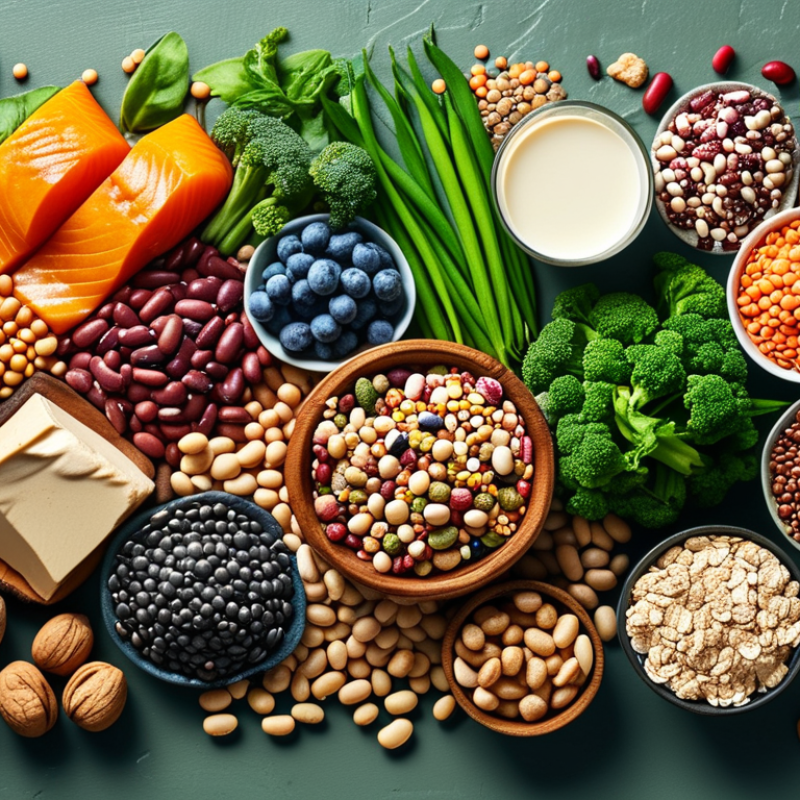
How Easily Can You Digest Plant-Based Proteins?

Understanding Plant-Based Proteins: Sources and Types

Plant-based proteins come from various sources, each offering unique benefits. Legumes, such as lentils and chickpeas, are rich in protein and fiber. According to the USDA, one cup of cooked lentils contains about 18 grams of protein. Nuts and seeds are also excellent. They provide healthy fats along with protein. For instance, almonds have about 6 grams of protein per ounce.

Whole grains contribute another layer of plant-based protein. Quinoa, a complete protein, contains all nine essential amino acids. This is rare in plant foods. A cup of cooked quinoa contains around 8 grams of protein. However, digestibility can vary. Some people may experience discomfort from high-fiber legumes or whole grains. It’s essential to monitor individual reactions and adjust intake accordingly.

Incorporating variety is crucial. Not all proteins are created equal. While plant-based sources offer health benefits, they may also pose challenges. For example, some proteins might not be easily digestible for everyone. Research shows that around 20-30% of people might struggle with plant-based protein digestion. Balancing sources can lead to better nutrient absorption and overall gut health. Each individual's experience can differ significantly.

The Digestibility of Plant Proteins Compared to Animal Proteins

Plant proteins have gained popularity, but how do they stack up against animal proteins in terms of digestibility? Research indicates that the digestibility of plant-based proteins generally lags behind that of animal proteins. For instance, a study published in the journal Nutrients found that animal proteins often have a higher Protein Digestibility Corrected Amino Acid Score (PDCAAS), averaging around 1.0. In contrast, many plant proteins score below 0.9, leading to concerns about their overall effectiveness.

A significant factor affecting digestibility is the presence of anti-nutritional substances in plants. Compounds like phytates and lectins can hinder the absorption of nutrients. A report from the Food and Agriculture Organization highlights that pulse proteins, while rich in nutrients, may not be fully bioavailable due to these factors. This creates a challenge for those relying predominantly on plant sources for protein needs.

Certain populations might also experience difficulty digesting specific plant proteins. Individuals with digestive disorders may find it harder to process legumes or whole grains. This variation in digestibility emphasizes the importance of a balanced approach. A mixed protein diet can mitigate some of these digestibility issues and ensure adequate nutrient absorption. The discussion around plant versus animal protein continues to evolve, revealing both strengths and weaknesses in our dietary choices.

Factors Influencing the Digestibility of Plant-Based Proteins

Plant-based proteins are increasingly popular. However, digestibility varies significantly. Several factors influence how well our bodies process these proteins.

One key factor is the source of the protein. Legumes, grains, and nuts each have unique compositions. Legumes like lentils contain fibers that can hinder digestion for some people. Nuts, on the other hand, offer healthy fats but may also be tough on the stomach. Each individual reacts differently based on their digestive health and dietary habits.

Additionally, cooking methods play a vital role. Cooking can break down tough plant fibers, making proteins more accessible. Soaking or sprouting beans can enhance digestibility too. However, some methods might reduce nutrient levels. For instance, boiling certain vegetables for too long may lead to nutrient loss. Individuals should experiment with different techniques to find what works best for them. Understanding these factors can aid in improving protein absorption and overall health.

Nutritional Benefits of Easily Digestible Plant Proteins

Digesting plant-based proteins can be easier than some might think. Foods like lentils, chickpeas, and quinoa offer a variety of nutritional benefits. They are rich in fiber, which supports digestion. Fiber helps regulate bowel movements and can keep you feeling full longer. This can be beneficial for weight management.

Plant proteins often contain essential amino acids. This makes them excellent alternatives to animal proteins. They also tend to have lower cholesterol levels. This can lead to better heart health. The nutritional variety in plant proteins contributes to a balanced diet. They are also often easier on the stomach.

Here are some tips to enhance digestion. Soaking beans overnight can reduce cooking time and improve digestibility. Cooking vegetables like broccoli and kale can help break down tough fibers. This makes them easier to digest. Experiment with spices like ginger or turmeric. They are known to support digestive health.

How Easily Can You Digest Plant-Based Proteins?

This chart illustrates the digestibility scores of various plant-based proteins, highlighting how easily each type can be digested. Pea protein ranks highest in digestibility, followed by soy and lentil proteins, while hemp protein has the lowest score in this comparison.

Tips for Enhancing the Digestibility of Plant-Based Proteins

When it comes to plant-based proteins, digestibility can vary widely among different sources. Ingredients like legumes, nuts, and grains may offer various benefits but can also present challenges. A study by the American Journal of Clinical Nutrition noted that plant proteins have lower digestibility rates compared to animal proteins. The digestibility of soy protein, for example, stands at around 90%, while peas and wheat can fall between 70% to 80%.

To enhance the digestibility of these proteins, consider soaking beans and lentils before cooking. This simple step can reduce anti-nutrients like phytic acid. In doing so, foods become more amenable to digestion. Fermentation is another useful method. Foods like tempeh not only promote gut health but also improve nutrient absorption.

Cooking methods matter too. Steaming or boiling can make proteins more accessible. A report from the International Journal of Food Science highlights that longer cooking times can decrease anti-nutritional factors. However, overcooking can cause nutrient loss. Balancing these methods requires attention and practice, as not every approach works for everyone.

FAQS

: What is the digestibility of plant proteins compared to animal proteins?

: Plant proteins generally have lower digestibility than animal proteins.

Why do animal proteins score higher on the PDCAAS?

Animal proteins often score around 1.0, while many plant proteins score below 0.9.

What are anti-nutritional substances in plants?

Compounds like phytates and lectins can interfere with nutrient absorption.

How do these anti-nutritional substances affect protein bioavailability?

They may prevent some nutrients in plant proteins from being fully absorbed by the body.

Who might struggle with digesting plant proteins?

Individuals with digestive disorders may find legumes or whole grains difficult to process.

How can cooking methods impact plant protein digestibility?

Cooking can make proteins more accessible but may also lead to nutrient loss if overdone.

What should individuals consider when choosing plant-based protein sources?

Each protein source, like legumes and nuts, has unique composition and may affect digestion differently.

Is there an optimal way to prepare plant proteins?

Soaking or sprouting beans can enhance digestibility, but individuals should experiment with different techniques.

How can a mixed protein diet help?

A varied diet can help address digestibility issues, improving overall nutrient absorption.

What is a possible downside of focusing solely on plant proteins?

Relying only on plants may lead to nutrient deficiencies for some individuals.

Conclusion

The article "How Easily Can You Digest Plant-Based Proteins?" explores the characteristics and digestibility of plant-based proteins compared to their animal counterparts. It highlights various sources and types of plant proteins, emphasizing that while they offer numerous health benefits, their digestibility can vary significantly. When considering how digestible are vegetal proteins, the digestibility is influenced by multiple factors, including the presence of antinutrients, the method of preparation, and individual digestive health.

To maximize the nutritional benefits of these proteins, the article suggests several tips for enhancing their digestibility, such as soaking, sprouting, and cooking. By adopting these practices, individuals can better assimilate plant-based proteins into their diets, making them a valuable alternative to animal proteins for those seeking to incorporate more plant-based nutrition.

Sienna

Sienna

Sienna is a skilled marketing professional with a deep expertise in our company’s core products and services. With a passion for innovation and detail, she plays a pivotal role in crafting insightful blog posts that not only highlight the unique features of our offerings but also provide valuable......