In today's world, many individuals are exploring plant-based diets. A primary consideration is "what are the benefits of vegetal proteins?" Renowned nutritionist Dr. Alice Green emphasizes, "Plant proteins can enhance muscle recovery and support overall health." Her expertise highlights how these proteins are often rich in essential nutrients.
Vegetal proteins come from sources like beans, lentils, and nuts. They provide vital amino acids and various vitamins. For example, chickpeas are high in protein and fiber. They can help control hunger and promote heart health. These aspects make plant proteins a valuable dietary choice. However, it is important to recognize that not all protein sources are equal.
While plant proteins offer many benefits, they also present challenges. Some individuals may struggle with amino acid profiles or digestibility. It is crucial to combine different plant sources for complete protein intake. Reflecting on personal dietary habits can lead to better nutrition. Adopting a more plant-based lifestyle requires thoughtful consideration and planning.
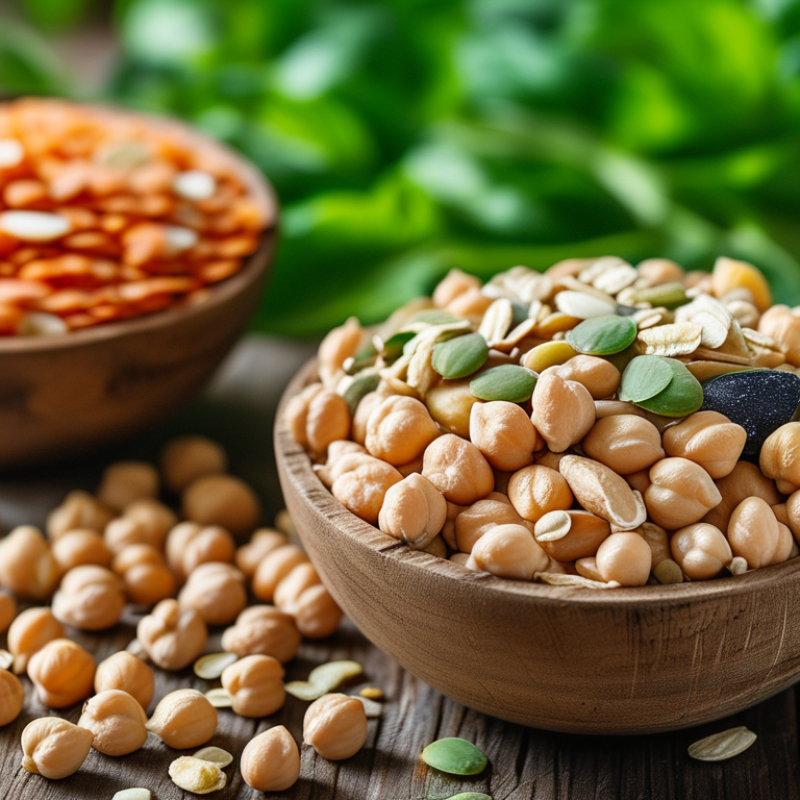
Plant-based proteins have gained popularity in recent years. They come from various sources like legumes, nuts, and seeds. Understanding these proteins is crucial for anyone considering a plant-forward diet. They offer numerous health benefits, like improved heart health and better digestion. Many may hesitate to switch due to concerns about protein quality.
Diverse options exist for plant-based proteins. Foods like lentils provide essential amino acids. Nuts add healthy fats and are filling. Seeds, such as chia and hemp, are powerhouse nutrition sources. However, some individuals might find it challenging to obtain sufficient protein without animal products. It's important to explore various alternatives and combine foods wisely to achieve a balanced intake.
Adopting a plant-based protein lifestyle requires careful planning. Meal prep can help in this process. People often overlook the need for variety. Focusing on seasonal fruits and vegetables can enrich meals, but monotony can occur. Experimenting with different recipes and cooking methods may keep meals exciting and enjoyable. The journey toward embracing plant-based proteins is ongoing. Continuous learning and adapting to personal needs is key.
Plant-based proteins are gaining attention for their impressive nutritional benefits. Research indicates that they can provide essential amino acids needed for muscle repair and growth. A report by the International Journal of Food Sciences highlighted that legumes, nuts, and grains can contribute significantly to daily protein intake while offering additional nutrients.
These proteins are often lower in saturated fat compared to animal products. According to the World Health Organization, diets rich in plant proteins may reduce the risk of chronic diseases, including heart disease. These foods are also rich in fiber, which aids digestion and helps maintain a healthy weight. However, one must consider protein quality. Some plant-based sources lack certain essential amino acids. Therefore, combining different protein sources is beneficial.
Moreover, environmental impacts are a vital consideration. A 2021 study by the Food and Agriculture Organization revealed that plant-based diets lead to lower greenhouse gas emissions. Many still lag in embracing this dietary shift. There's a need for greater awareness of these nutritional advantages and the broader implications for health and sustainability.
Plant-based proteins are gaining popularity. These proteins offer numerous health benefits. They can improve heart health and aid digestion. Many people overlook important sources in their diets. Incorporating these proteins can enhance nutritional intake.
Legumes are excellent choices. Lentils, chickpeas, and kidney beans are rich in protein and fiber. They are versatile and can be added to soups or salads. Nuts and seeds also pack a protein punch. Almonds, chia seeds, and hemp seeds provide healthy fats and nutrients. You can sprinkle them on yogurt or blend them into smoothies for extra nutrition.
Tips for incorporating plant-based proteins include mixing different sources. This ensures you receive all essential amino acids. Snack on hummus with vegetables for a tasty boost. Adding tofu or tempeh to stir-fries is another great option. Take time to explore new recipes. Understand which proteins work best for your dietary needs. Finding your balance can be an evolving journey.
This chart illustrates the protein content of various plant-based protein sources per 100 grams. Including these foods in your diet can help you meet your protein needs while enjoying a diverse range of nutrients.
Plant-based proteins are gaining attention for their health benefits. They are lower in cholesterol and fats compared to animal proteins. Understanding how to incorporate these proteins into meals can enhance your diet significantly.
Consider adding legumes to your daily routine. Beans and lentils are rich in protein and fiber. A report from the Plant-Based Foods Association highlighted that legumes help improve digestive health. Try tossing cooked lentils into salads or soups. This simple change can add a protein boost to your meal.
Nuts and seeds are another excellent source of plant protein. Almonds, chia seeds, and hemp seeds are all nutritious options. A recent study from the International Journal of Nutritional Sciences indicated that adding a handful of nuts can enhance overall health. Sprinkle seeds on oatmeal or blend them into smoothies for extra nutrition.
Tips: Experiment with meat substitutes like tofu or tempeh. They are versatile and can absorb flavors well. Gradually replace meat in your favorite recipes for better protein sources. Keep exploring new recipes to enjoy a variety of plant-based options. Embrace the journey and listen to your body as you adjust your diet.
When comparing plant-based proteins to animal proteins, several factors come into play. Plant-based proteins, such as legumes, nuts, and seeds, offer unique advantages. They are typically lower in saturated fat and higher in fiber. This can lead to better heart health and improved digestion.
Many people worry about protein quality. Animal proteins are known for their complete amino acid profiles. However, combining various plant sources can achieve similar results. For instance, rice and beans together provide a complete protein source. This versatility opens doors to various meals, making plant-based diets exciting.
Tips: For those new to plant-based diets, start with familiar foods. Incorporate more legumes into your meals. Replace meat in your favorite dishes with lentils or chickpeas. Intentionally try different combinations to discover satisfying flavors. Keep an eye on your nutritional needs, especially Vitamin B12 and iron, which might require extra attention. Given the wide range of options, experimentation can lead to delicious and nutritious discoveries.
: Legumes, nuts, and seeds are excellent sources. They are rich in protein and other nutrients.
Toss cooked lentils into salads or soups. This adds protein and fiber effortlessly.
Snack on hummus with vegetables or nuts. Both options are tasty and nutritious.
Mixing sources like rice and beans creates complete proteins. Explore various combinations for flavor.
Plant proteins are lower in cholesterol and fats. They can improve heart health and digestion.
Listen to your body and explore new recipes. It’s important to find a balance that works for you.
Sprinkle seeds on oatmeal or blend them into smoothies. This enhances nutrition easily.
Keep an eye on Vitamin B12 and iron levels. Some nutrients may need extra attention.
Yes, tofu and tempeh are versatile. They absorb flavors and can enhance many dishes.
Yes, combining different plant sources can provide complete proteins. Experimentation is key to success.
Plant-based proteins are gaining popularity due to their numerous health and environmental benefits. Understanding plant-based proteins involves recognizing their rich nutritional profile, which includes essential amino acids, fiber, vitamins, and minerals. The key nutritional benefits of plant-based proteins include lower cholesterol levels, a reduced risk of chronic diseases, and improved digestive health.
To incorporate more plant-based proteins into your diet, consider integrating legumes, nuts, seeds, whole grains, and soy products into your meals. Additionally, when comparing plant-based proteins with animal proteins, it is essential to note that while both can provide necessary nutrients, plant-based options often come with fewer saturated fats and added health benefits. For those curious about what are the benefits of vegetal proteins, the shift towards a more plant-centered diet not only promotes personal health but also contributes to sustainable food practices.

Entry Bio