In recent years, plant-based diets have gained immense popularity. Many people are shifting away from animal products. Understanding "what foods contain vegetal proteins" is essential for anyone considering this dietary choice. According to Dr. Linda Green, a nutrition expert, “Incorporating diverse plant-based proteins into your meals can support overall health and wellness.”
Legumes, nuts, and seeds are rich in these proteins. Foods such as quinoa and tofu offer great alternatives to meat. It’s fascinating how delicious and nutritious these options can be. However, there is a common misconception that plant proteins lack quality. This isn't true; they can be very effective in meeting protein needs when combined appropriately.
While exploring plant proteins, some challenges arise. Not all sources provide complete proteins. Therefore, it’s important to mix different foods for balanced nutrition. Meal planning should consider variety and nutrient density. As you adjust your diet, anticipate some trial and error. With the right information, delicious meals can easily fit into your lifestyle.
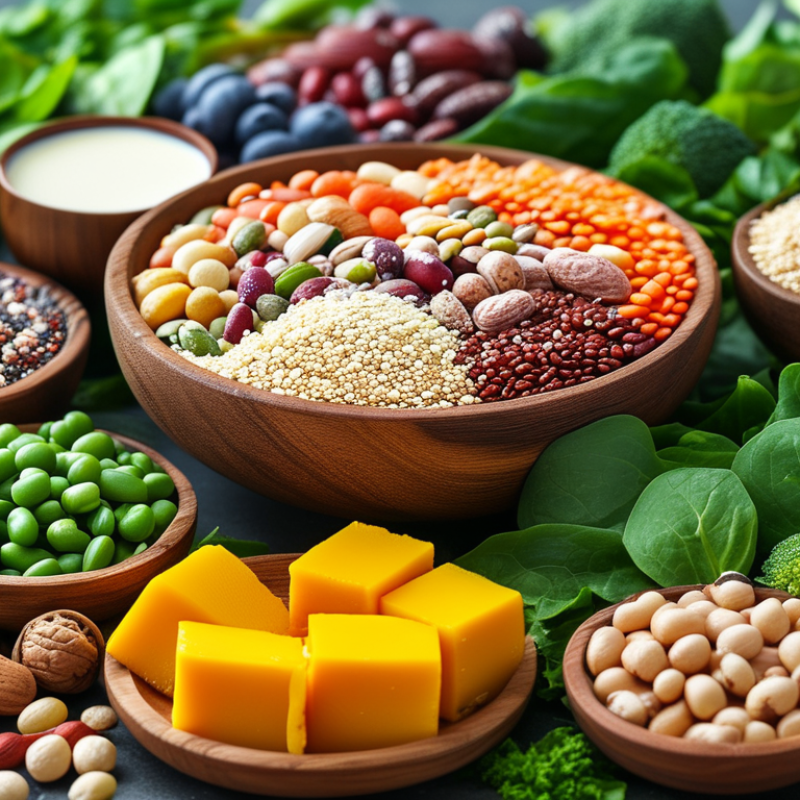
Plant-based proteins are vital for a balanced diet. They provide essential amino acids that help with muscle repair and growth. Many people overlook these proteins, thinking only animal sources are sufficient. However, plant-based proteins can be equally effective when consumed correctly. Foods like lentils, chickpeas, and quinoa are excellent sources. They also boast additional nutrients, such as fiber and vitamins.
Incorporating more plant-based proteins can support overall health. For instance, eating beans regularly can improve heart health. These foods may aid in weight management as they are often lower in calories but high in nutrients. Yet, some find it challenging to consume enough protein solely from plants. Not all plant proteins offer the complete amino acid profile. This can lead to deficiencies if not managed wisely. It's important to combine different sources, like rice and beans, to ensure a well-rounded intake. A thoughtful approach can turn potential pitfalls into opportunities for better nutrition.
Legumes and pulses are key sources of plant-based proteins. They offer various nutritional benefits for a healthy diet. According to the Food and Agriculture Organization (FAO), legumes can provide between 20% to 25% of protein by weight. That's quite significant for those seeking alternatives to animal proteins.
Lentils are one of the highest protein legumes. They contain about 18 grams of protein per cooked cup. They are also rich in fiber and essential amino acids. Chickpeas follow closely behind with approximately 15 grams per cooked cup. Their versatility allows them to fit into many dishes. Beans, including kidney and black beans, also pack a protein punch. They offer around 15 grams per cup and are easy to incorporate into various meals.
**Tips:** When cooking legumes, soaking them overnight can speed up the cooking time. Combining legumes with grains boosts their protein quality. For example, try pairing rice with lentils for a nutrient-rich meal. This combination enhances amino acid profiles, making your meal even healthier.
Nuts and seeds stand out as a vital source of plant-based proteins. These foods are more than just snacks; they offer essential nutrients and health benefits. According to the Food and Agriculture Organization, plant proteins contribute significantly to global nutrition. They provide a sustainable alternative to animal proteins, an increasingly important factor in today’s food systems.
In terms of content, almonds, walnuts, and chia seeds are notable examples. For instance, a 1-ounce serving of almonds contains about 6 grams of protein. Similarly, chia seeds provide around 5 grams of protein per ounce, along with omega-3 fatty acids. These seed and nut varieties also come packed with fiber, vitamins, and minerals that are crucial for overall health. However, while they are nutrient-dense, it’s important to consume them mindfully. Overeating can lead to excess calorie intake.
Despite their benefits, many people overlook these foods in their diets. According to recent studies, less than 25% of adults consume the recommended servings of nuts and seeds. This is puzzling given their nutritional advantages. Investing time to incorporate these foods can dramatically enhance your protein intake without processed ingredients. Exploring new recipes or snack ideas may also improve this situation and contribute to better dietary choices.
Whole grains are a significant source of plant-based protein. They often contain essential amino acids that our bodies need. Foods like quinoa, farro, and brown rice are excellent examples. These grains not only provide protein but also important vitamins and minerals. They contribute to overall health and well-being, especially in a balanced diet.
Incorporating whole grains into your meals is simple. You can add cooked quinoa to salads for added protein. Oats can make a filling breakfast, packed with fiber. Yet, it's essential to choose whole grains over refined options. Refined grains often lose valuable nutrients during processing. This is an area where many people may overlook their choices.
Consider the variety of whole grains available. Some people tend to stick to a few favorites, limiting their nutrient intake. Experiment with different types to discover new flavors and textures. Reflect on how you can replace refined grains in your diet. It's a small change but can lead to positive results in the long run.
When we think of protein sources, we often picture meat, fish, or dairy. However, vegetables can also provide substantial amounts of protein. A surprising range of options exists that can contribute to a plant-based diet. For example, spinach is not just a leafy green; it packs about 5 grams of protein per cooked cup. Similarly, broccoli offers about 4 grams per cup. Both can easily be incorporated into salads or stir-fries.
Another protein-rich vegetable is Brussels sprouts. A cup provides around 4 grams of protein. They can be roasted or sautéed, enhancing their natural flavor. Peas are often overlooked but contain about 8 grams of protein per cup. They can be added to soups or blended into smoothies for a nutrient boost.
While these vegetables add protein, it’s essential to consume a variety for balanced nutrition. Plant proteins may not always include all essential amino acids, which is something to consider.
: Legumes and pulses are key sources of plant-based proteins. They provide 20% to 25% of protein by weight.
Lentils contain about 18 grams of protein per cooked cup. They are also rich in fiber and essential amino acids.
Beans, like kidney and black beans, offer around 15 grams of protein per cup. They can easily enhance many dishes.
Soaking legumes overnight can significantly speed up their cooking time. This makes meal preparation more efficient.
Nuts and seeds offer essential nutrients, providing a sustainable alternative to animal proteins. They're more than just snacks.
A 1-ounce serving of almonds contains about 6 grams of protein. They are also high in fiber and healthy fats.
Whole grains contain essential amino acids. They are rich in vitamins and minerals, supporting overall health.
You can add cooked quinoa to salads or enjoy oats for breakfast. These are simple ways to incorporate whole grains.
Refined grains often lose valuable nutrients during processing. Choosing whole grains helps you maximize nutrient intake.
While beneficial, it’s important to consume these foods mindfully to avoid excess calorie intake. Reflect on your choices.
Plant-based proteins are essential for a balanced diet, providing vital nutrients while promoting health and wellness. An exploration of what foods contain vegetal proteins reveals a variety of sources that can be easily incorporated into daily meals. Top legumes and pulses, such as lentils and chickpeas, offer high protein content and numerous health benefits. Additionally, nuts and seeds are not only rich in protein but also provide healthy fats and fiber, making them a nutritious snack option.
Whole grains like quinoa and brown rice are excellent sources of plant protein as well, contributing to overall dietary needs. Surprisingly, many vegetables also contain significant protein levels, making them worthy additions to meals for those seeking plant-based options. By incorporating these diverse foods into your diet, you can easily meet your protein requirements while enjoying a variety of flavors and textures.
Entry Biology