Parents looking for a plant-based option often want to know whether it can support a child’s growth, not just whether it contains protein. The question “can children consume vegetal proteins” deserves a careful, practical answer. For most healthy children, protein from varied plant foods can be part of a balanced diet. Age, appetite, allergies, growth, and overall food choices still matter. Small details count.
Beans, lentils, tofu, peas, nuts, seeds, and soy foods offer different amounts of protein and other nutrients. A bowl of lentil soup or tofu with rice can fit into ordinary family meals. Protein powders and packaged supplements are different. Their ingredients and serving sizes vary, so a product marketed for children should not be treated as automatically suitable. Check its nutrition label, and ask a pediatrician or registered dietitian when a child has dietary restrictions or health concerns.
The best choice depends on the child and the family’s routine. A varied menu can provide more than one source of protein, while also supplying energy and other nutrients needed for growth. One serving alone cannot tell the whole story. This guide explores how to assess plant protein options for children, what to look for on product labels, and when professional advice may help. It also recognizes a limitation: general guidance cannot replace an assessment of a child’s individual diet and needs.
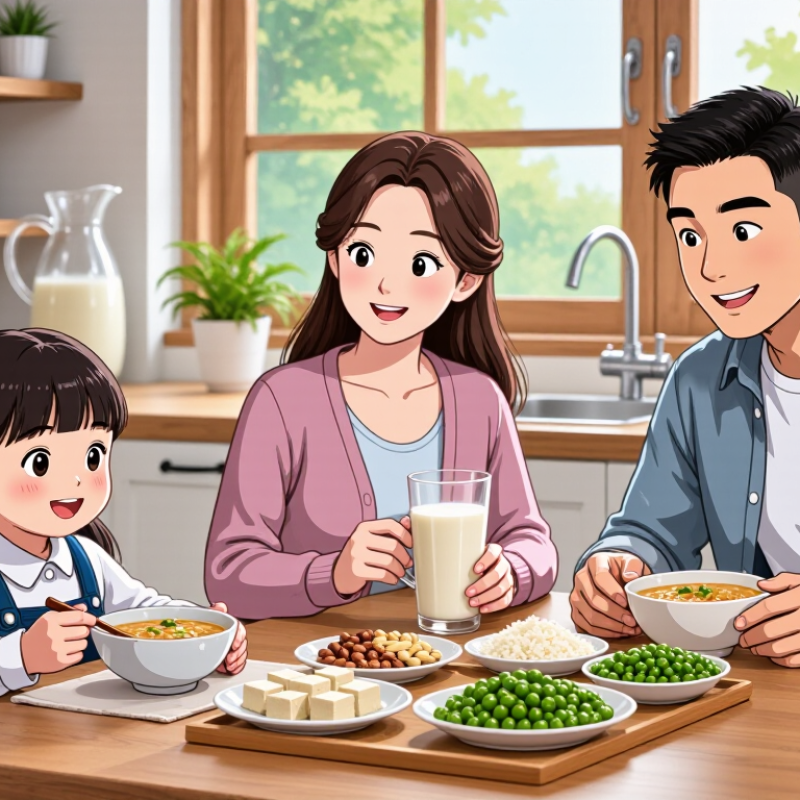
Plant protein is protein found in foods such as beans, lentils, peas, soy, nuts, seeds, and whole grains. It supplies amino acids that help children build and repair tissues and support normal growth. Plant foods also bring useful nutrients, including fiber, iron, and folate, though amounts vary by food. They can be part of a child’s everyday diet.
These are total daily targets, not amounts children must eat in one meal. The USDA and U.S. Department of Health and Human Services’ 2020–2025 Dietary Guidelines include beans, peas, lentils, nuts, seeds, and soy products among protein foods. A child might get protein from tofu cubes at lunch, lentils in soup, or peanut butter on toast.
A varied diet matters more than relying on one plant food. It is easy to focus only on protein grams and overlook the rest of the plate. Small steps matter. For children with allergies, restricted diets, poor growth, or very limited appetites, caregivers should ask a pediatrician or registered dietitian before using protein powders or making major dietary changes.
In Chinese family meals, tofu, unsweetened soy milk, and edamame are familiar plant-protein choices. Cooked lentils, peas, and beans add variety, while rice or wheat foods contribute smaller amounts.
USDA FoodData Central lists about 12 grams of protein per 100 grams of cooked edamame and about 9 grams per 100 grams of cooked lentils. Values vary with preparation. The Chinese Nutrition Society’s 2022 Dietary Guidelines include soy foods in a varied diet, but their general adult guidance should not be treated as a child-specific serving target.
Texture matters. Soft tofu can be cut into small pieces; beans should be cooked until tender. Whole nuts can pose a choking risk for young children, so smooth nut butter or finely ground nuts may be safer when appropriate.
For packaged soy drinks, check the label: protein and calcium content can differ, and some products contain added sugar. A bowl of soy milk is not automatically nutritionally equivalent to dairy milk.
One easy mistake is focusing only on protein. Children also need enough energy and a varied diet, and caregivers should consider allergies and individual needs with a pediatric professional. This is not a perfect shortcut; portions and suitable textures depend on age and development.
Sources: USDA FoodData Central; Chinese Nutrition Society, Dietary Guidelines for Chinese Residents (2022).
Can Children Safely Consume Plant Protein?
Many children can get plant protein safely from familiar foods such as beans, lentils, tofu, peas, nut butters, and oats. A bowl of lentil soup or hummus on toast can contribute protein alongside other nutrients. Plant foods can be part of a balanced diet; they do not need to replace every animal-based food. Variety matters.
Protein powders are different. Children usually do not need them when they eat enough varied food, and some products may contain unsuitable ingredients or excessive amounts. Ask a pediatrician or registered dietitian before giving a child a protein supplement, especially if the child has allergies, growth concerns, or follows a restrictive diet. Check labels carefully: plant-based drinks vary widely in protein, and some are not nutritionally equivalent to milk. Small details count. Offer age-appropriate portions, and introduce potential allergens cautiously, following medical advice if there is a known allergy. A child’s needs depend on age, growth, health, and overall diet, so a single “best” protein choice does not fit every family. I would not judge adequacy from one meal; the pattern across days is more useful.
Choosing a suitable plant protein for children starts with their age, appetite, allergies, and overall diet—not the protein number on a tub. Beans, lentils, tofu, peas, nuts, and seeds can all contribute protein in familiar meals. A child might enjoy soft lentils in soup or tofu cubes alongside rice. Variety matters because different foods provide different nutrients. Small details matter.
If considering a protein powder, read the ingredient list and serving guidance carefully. Some products contain added sugars, sweeteners, or ingredients that may not suit a child. A powder should not replace balanced meals or be used to treat poor growth. Children with food allergies, restricted diets, or ongoing growth concerns need individualized advice from a pediatrician or registered dietitian. Product labels can be confusing, and I would not assume “plant-based” automatically means appropriate for every child.
Tips: Match the product to the child’s age and needs, and check for allergens and added sugar. Offer protein through meals and snacks when possible. Ask a qualified health professional before using a supplement regularly, especially for young children. A child’s appetite can change from day to day; that can make choosing feel less straightforward.
Plant protein can support a child’s diet, but the right portion depends on age, growth, appetite, and overall food intake. There is no single serving that suits every child. Most children can get protein from foods such as beans, lentils, tofu, eggs, dairy, and nut or seed butters, when safe for their age. A powder should not replace meals or become a routine extra without a clear need. Small details matter.
Tips: Check the serving size and ingredients with a pediatrician or registered dietitian, especially for young children, allergies, restricted diets, or health concerns. Do not assume an adult scoop is suitable for a child. Mix any approved portion into familiar foods, and watch for stomach discomfort or changes in appetite.
Consider the whole day, not just the protein number on a label. A child who eats lentils at lunch and yogurt at breakfast may already be getting enough. Products can differ in added sugars, flavorings, and other ingredients, so read labels carefully. If a child is growing slowly, often skips meals, or has a very limited diet, seek professional guidance before adding a supplement. It is easy to focus on protein and overlook variety, fiber, and energy.
Plant protein comes from foods such as beans, lentils, peas, soy, nuts, seeds, and whole grains. These foods also provide nutrients like fiber, iron, and folate.
Protein supplies amino acids that help build and repair body tissues and support normal growth. It is one part of a varied diet.
Daily reference amounts are 13 grams for ages 1–3, 19 grams for ages 4–8, and 34 grams for ages 9–13. These are whole-day targets, not single-meal goals.
Try soft lentils in soup, tofu cubes with rice, or peanut butter on toast. Familiar meals can make new foods easier to accept.
No. Different foods provide different nutrients, so variety matters. Focusing only on protein grams can leave the rest of the plate overlooked.
Not automatically. Check the serving guidance, ingredients, allergens, and added sugars. Labels can confuse.
No. A powder should not replace balanced meals or be used to treat poor growth. That distinction is easy to miss.
Ask a pediatrician or registered dietitian before regular supplement use or major diet changes, especially if a child has allergies, restricted eating, poor growth, or a very limited appetite.
Plant protein can be part of a varied diet for children, supplying protein and other nutrients needed for growth. In China, familiar options include tofu, soybeans, other beans, lentils, nuts, and seeds, served in forms suited to a child’s age and eating ability. The question “can children consume vegetal proteins” is generally answered yes: these foods can be included when they are prepared safely and fit the child’s overall diet. However, allergies, individual health needs, and the risk of choking on whole nuts or hard foods should be considered.
When choosing plant-protein foods or products for children, check the ingredients and nutrition information, and favor options with limited added sugar and salt. Offer age-appropriate portions alongside a mix of vegetables, grains, and other suitable foods rather than relying on a single protein source. Needs vary with age, appetite, activity, and development, so caregivers should seek advice from a qualified health professional if a child has dietary restrictions, allergies, or growth concerns.

Entry Biology