Top Uses of Plant Proteins in Meat Alternatives?

Time:2026-10-24 Author:Sienna
0%

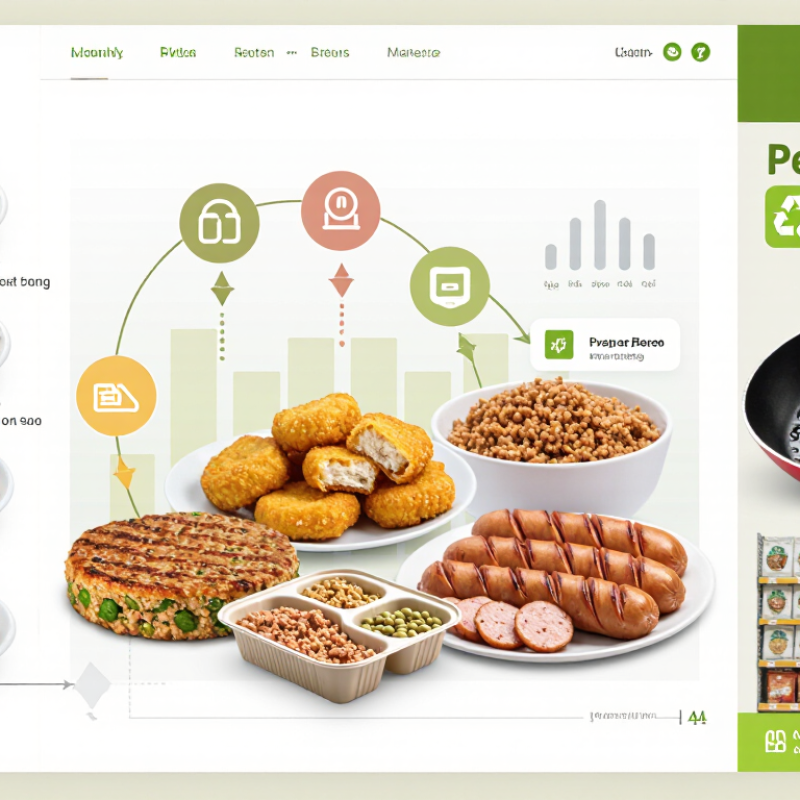
Plant proteins are moving from niche products into everyday meals, yet their success depends on more than replacing beef or chicken. Pea, soy, wheat, fava bean, and potato proteins now support burgers, nuggets, mince, sausages, and ready meals. So, how are vegetal proteins used in meat alternatives? Manufacturers isolate, concentrate, texturize, and blend them to create fibers that resemble muscle tissue. Pea protein can provide structure. Wheat gluten can add chewiness. Soy often improves protein density and moisture retention.

The Good Food Institute’s State of the Industry reports identify plant-based meat as a major alternative-protein category, supported by continuing product innovation and retail investment. Its market research also shows that taste, price, and texture remain decisive purchase factors. That evidence matters. A protein may perform well in a laboratory, but fail on a crowded supermarket shelf. Consumers notice dry patties, rubbery nuggets, and long ingredient lists. They also expect familiar cooking behavior, such as browning in a hot pan and holding moisture inside the bite.

Nutrition adds another layer. Reports from Innova Market Insights and Euromonitor International highlight rising interest in protein-rich, convenient, and more sustainable foods. However, plant-based products are not automatically healthier or environmentally superior. Formulation, fortification, processing, packaging, and sourcing all influence the final result. This article examines the top uses of plant proteins in meat alternatives, while recognizing an uncomfortable limitation: industry data often uses different definitions and market boundaries. Comparisons can therefore mislead. Better analysis requires transparent methods, verified nutrition claims, and evidence from real consumer experience.
Top Uses of Plant Proteins in Meat Alternatives?

Plant Protein Basics in Meat Alternatives

Plant proteins form the structural base of many meat alternatives. Common sources include soy, peas, wheat, fava beans, and potatoes. Each behaves differently during processing. Soy can create firm, elastic textures. Pea protein often provides a cleaner label, but it may taste earthy. Wheat protein adds chew, especially in sliced or shredded products.

Protein isolates and concentrates are mixed with water, oils, fibers, minerals, and seasonings. Extrusion then uses heat, pressure, and moisture to align proteins into meat-like strands. The process resembles a small, controlled kitchen experiment. Moisture matters greatly. Too little creates dryness; too much produces a soft, pasty bite. Nutrition also needs careful checking. The U.S. Dietary Guidelines recognize beans, peas, and lentils as useful protein foods, while the Food and Agriculture Organization highlights pulses as nutrient-dense and resource-efficient crops.

Market demand remains substantial, though consumer expectations are changing. The Good Food Institute’s 2023 State of the Industry report estimated global plant-based meat retail sales at more than 7 billion dollars. Its analysis also noted slower growth in mature markets, suggesting that texture, price, and protein quality still require improvement. That is important. A product can look convincing but fail after three bites.

Developers increasingly combine proteins to balance amino acids, flavor, and processing performance. Label transparency helps consumers judge sodium, fiber, and protein content. Not every plant protein works equally well. Formulation remains practical, technical, and imperfect.

Key Plant Protein Sources and Their Functional Roles

Top Uses of Plant Proteins in Meat Alternatives?

Key Plant Protein Sources and Their Functional Roles

Plant proteins do more than replace animal protein. They shape texture, moisture, flavor, and cooking performance. Soy protein isolate forms firm gels when heated and hydrated. It also binds water and oil effectively. In heated mixtures, soy can create a dense, sliceable structure. Yet soy may produce a noticeable beany flavor. Processing must address it.

Pea protein offers a lighter color and a useful amino acid profile. It supports emulsification and contributes to chewiness in formed products. Pea may taste earthy. Careful hydration helps, but it never removes every flavor concern. Wheat gluten provides elasticity and a fibrous bite. When hydrated and mixed, its protein network stretches like thin strands. However, it does not suit gluten-free formulations.

Chickpea and fava proteins can improve body, water retention, and nutritional variety. They often work well in patties and filled products. Rice protein adds dry matter and protein content, but it can feel gritty without fine processing. Potato protein supports foaming and binding at low inclusion levels. Each source needs a different process.

Extrusion aligns proteins into layered, meat-like textures through heat, moisture, and mechanical force. Emulsifiers help distribute plant oils through the protein matrix. In product trials, small changes in moisture can alter firmness dramatically. A slightly drier mix may crumble instead of pulling apart. Protein blends can improve balance, although they also make formulation less predictable. Some textures still feel too uniform.

How Plant Proteins Create Meat-Like Texture

Top Uses of Plant Proteins in Meat Alternatives

Plant proteins help create the chewy, layered texture expected in meat alternatives. They are commonly used in patties, nuggets, strips, and plant-based mince. Pea, soy, wheat, and fava proteins each behave differently during processing. The main challenge is replacing muscle fibers with a stable protein structure. During extrusion, controlled heat, moisture, and pressure align proteins into elongated strands. Cooling then helps preserve that shape.

Tips: Adjust moisture carefully. Too little creates a dry bite, while too much causes a soft, pasty texture. Test small batches before changing the full formula. Cutting the product can reveal weak layers or uneven density. A simple bite test still matters.

Texture also depends on fat distribution and water retention. Small oil droplets can make a product feel juicier and less powdery. Wheat protein often improves stretch, while legume proteins can add firmness and nutritional value. However, combining proteins does not automatically create a convincing bite. The balance may need several trials. In my experience, a slightly imperfect texture can reveal more than a smooth laboratory result. It shows where hydration, heating, or mixing needs attention. Even the cooking method matters, since pan heat may strengthen the surface while drying the center. Careful observation remains essential.

Top Uses of Plant Proteins in Meat Alternatives? - How Plant Proteins Create Meat-Like Texture
Plant Protein Common Meat-Alternative Uses How It Helps Create Meat-Like Texture Typical Processing Approach Key Texture Strengths Main Formulation Considerations
Soy Protein Burgers Sausages Minced-meat analogues Chunks Soy proteins can form cohesive gels and organized fibrous structures when exposed to heat, moisture, and shear. These structures help bind water and oil while producing a firm, chewy bite. Extrusion, hydration, heat setting, and blending with oils, starches, or hydrocolloids. Firm bite, good binding, high water-holding capacity, and versatile texturization performance. Soy is a major allergen. Flavor masking may be needed, and excessive processing can produce a dense or rubbery texture.
Pea Protein Burgers Nuggets Sausages Ground-meat styles Pea proteins contribute emulsification, water binding, and heat-induced gelation. Under high-moisture extrusion, they can align into layered, muscle-like fibers. Dry or high-moisture extrusion, followed by hydration and incorporation into an oil-protein matrix. Springy bite, useful fibrous structure, and effective protein enrichment. Pea protein may have earthy or beany notes. It can become chalky if particle size, hydration, or fat distribution is not well controlled.
Wheat Gluten Seitan-style products Roasts Strips Chewy chunks Gluten-forming proteins create an elastic, continuous network that resembles the resistance and chewiness of muscle fibers. Mixing and hydration develop the network. Hydration, kneading or shear mixing, steaming, baking, or simmering. Strong chew, elasticity, and excellent fibrous bite in structured products. Contains gluten and is unsuitable for people with celiac disease or wheat allergy. It can become tough if overdeveloped or under-hydrated.
Fava Bean Protein Burgers Nuggets Sausages Hybrid protein blends Fava proteins provide emulsifying and gelling functionality. Their ability to bind water and stabilize fat can support a juicy interior and cohesive bite. Protein isolation or concentration, hydration, thermal processing, and extrusion or molding. Good moisture retention, relatively neutral color, and useful support for firm gel formation. Variety, growing conditions, and processing strongly affect flavor. Off-notes and uneven hydration may require additional formulation control.
Rice Protein Blended burgers Nuggets Protein-fortified products Rice protein contributes dry matter and protein density. When combined with more functional proteins, it can improve body and reduce excessive softness. Dry blending, hydration, extrusion, and combination with pea, soy, starch, or fiber systems. Mild flavor, useful nutritional contribution, and ability to add structure in blends. Used alone, it may produce a dry, gritty, or brittle texture because its solubility and gel-forming performance are comparatively limited.
Potato Protein Meat analogues Emulsified products Protein blends Potato proteins can support foaming, emulsification, and heat-set structure. These properties help stabilize water and fat in finely comminuted products. Hydration, high-shear mixing, thermal gelation, and blending with other plant proteins. Improved cohesion, emulsification support, and contribution to a tender but structured bite. Strong functionality depends on purity and processing history. High levels may affect flavor, color, or overall texture.
Chickpea Protein Patties Nuggets Vegetable-protein blends Chickpea proteins provide water binding and moderate gelation. They can add body and a tender, dense structure when paired with stronger texturizing proteins. Milling or isolation, hydration, thermal treatment, and blending with starches, fibers, or extruded proteins. Creamy mouthfeel, useful body, and good compatibility with legume-based formulations. Legume flavors can be noticeable. High inclusion levels may reduce fibrousness and create a softer or pastier bite.

Texture outcomes depend on protein composition, moisture level, heat, shear, pressure, particle size, fat distribution, starches, fibers, and hydrocolloids. Plant proteins are therefore commonly combined rather than used in isolation.

Nutritional and Processing Uses Across Meat Alternatives

Plant proteins do more than replace meat’s protein. In meat alternatives, they shape texture, nutrition, and manufacturing performance. Pea, soy, wheat, fava bean, and rice proteins offer different amino acid profiles and functional traits. Blending them can improve protein quality, but results depend on processing and serving size.

During extrusion, heat, moisture, and shear align proteins into fibrous structures. This creates a chew similar to muscle, though it rarely matches fresh meat perfectly. Protein isolates support higher protein density, while concentrates may retain more fiber and minerals. Some proteins bind water well, helping patties stay juicy during cooking. Others improve firmness but can create a dry bite. Formulators adjust hydration, oil, starch, and seasonings to balance these effects. Nutritional labels still need careful review. Sodium, saturated fat, and iron availability vary between products.

Tips: Compare protein, fiber, sodium, and iron per serving. Check whether the protein source suits the recipe. Hydrate dry textured protein fully before seasoning. Pressing out excess water can improve browning, but over-pressing makes the texture tough.

Processing choices also expose limitations. High heat may improve texture, yet it can increase energy use and affect sensitive nutrients. A product can look convincing and still lack dietary balance. Better results come from testing texture, digestibility, and nutrition together, rather than chasing appearance alone.

Challenges and Future Directions for Plant Protein Applications

Plant proteins now support burgers, nuggets, fillings, sausages, and ready meals. Their appeal is practical: they provide structure, protein, and flexible flavors. Yet replacing meat is not a simple ingredient swap. Pea, soy, wheat, fava, and other proteins behave differently during mixing, heating, and storage. A formulation that looks convincing can become dry after reheating. Texture remains the hardest test.

Processors face several technical challenges. Protein isolates may carry beany, bitter, or earthy notes. High-moisture processing can improve bite, but it requires precise temperature and moisture control. Fat distribution also matters; uneven pockets create greasy edges and a brittle center.

Nutrition needs equal attention. Some products contain strong protein levels but excessive sodium or limited micronutrient variety. Independent laboratory testing and clear serving data help prevent attractive claims from outrunning evidence.

Future development should combine plant breeding, gentler fractionation, fermentation, and better extrusion control. These tools may reduce off-notes and energy use, although results vary by crop and facility. This approach remains imperfect. Pilot kitchens should test products after freezing, transport, and household cooking. Sensory panels need diverse participants, not only trained tasters. Environmental claims also require farm-to-factory measurements, including water, land, and energy. The industry still overvalues appearance. A realistic chew, shorter ingredient lists, and dependable nutrition may matter more. Some prototypes will fail. Those failures can reveal which compromises consumers will not accept.

FAQS

Which plant proteins are commonly used in meat alternatives?

Soy, pea, wheat, chickpea, fava, rice, and potato proteins are common choices. Each behaves differently during mixing and heating. A blend may improve balance, but it can reduce predictability.

How does soy protein affect product texture?

Soy protein can form firm gels after hydration and heating. It also holds water and oil effectively. This creates dense, sliceable products. However, a beany flavor may remain.

What does pea protein contribute?

Pea protein supports emulsification, lighter color, and chewiness. It also offers a useful amino acid profile. Careful hydration may soften earthy notes, but it cannot remove them completely.

Why is wheat protein used in some formulations?

Hydrated wheat protein creates elasticity and a fibrous bite. Its network stretches like thin strands during mixing. It is unsuitable for gluten-free products. That limitation matters.

What roles do chickpea, fava, rice, and potato proteins play?

Chickpea and fava proteins improve body and water retention. Rice protein increases dry matter but may feel gritty. Potato protein supports foaming and binding at low levels. Processing changes everything.

How does extrusion create meat-like textures?

Extrusion uses heat, moisture, and mechanical force to align proteins. This can produce layered, fibrous structures. Small moisture changes may alter firmness dramatically. A drier mixture may crumble.

What causes texture problems after cooking or reheating?

Uneven fat distribution can create greasy edges and a brittle center. Products may also become dry after reheating. Freezing, transport, and household cooking can expose weaknesses. Appearance alone is not enough.

How can manufacturers improve future plant-protein products?

Useful approaches include plant breeding, gentler fractionation, fermentation, and better extrusion control. Testing should include sensory panels with varied participants. Nutrition and environmental claims need reliable measurements. Some prototypes will fail, and that failure can reveal unacceptable compromises.

Conclusion

Plant proteins are central to the development of meat alternatives because they provide structure, nutrition, and versatility without relying on animal-derived ingredients. Common sources such as soy, pea, wheat, beans, and other legumes contribute different functional properties, including water absorption, emulsification, binding, and gel formation. These characteristics allow manufacturers to combine proteins with oils, fibers, starches, and natural flavor components to create products with improved taste and stability.

Understanding how are vegetal proteins used in meat alternatives requires examining how they reproduce the texture of meat. Through processes such as extrusion, heating, hydration, and shearing, plant proteins can form layered, fibrous, or chewy structures that resemble muscle tissue. They are used in many formats, including ground-style products, formed portions, sliced foods, and ready-to-cook alternatives. However, challenges remain, including improving flavor, reducing dryness, balancing nutrition, and making production more efficient. Future progress will likely focus on better protein blends, cleaner processing methods, enhanced texture, and more sustainable applications.

Sienna

Sienna

Sienna is a skilled marketing professional with a deep expertise in our company’s core products and services. With a passion for innovation and detail, she plays a pivotal role in crafting insightful blog posts that not only highlight the unique features of our offerings but also provide valuable......