As we move into 2026, the question of whether "are vegetal proteins healthy" becomes increasingly relevant. Plant proteins have gained popularity as a meat alternative. Many people are turning to them for various reasons, including health and environmental concerns. These proteins can be found in beans, lentils, nuts, and seeds, providing essential amino acids for our diets.
Research indicates that incorporating plant proteins can lead to numerous health benefits. They are low in saturated fat and high in fiber, which can aid digestion. Yet, some experts argue that not all plant proteins provide the same quality of amino acids. This raises an important discussion about the nutrient profile of vegetarian diets.
Moreover, the ongoing debate about plant-based diets highlights the need for personal reflection. What works for one person may not suit another. As we explore the health implications of plant proteins, individual dietary choices become critical. Finding a balance in our nutrition is essential as we navigate the ever-evolving landscape of health and wellness.
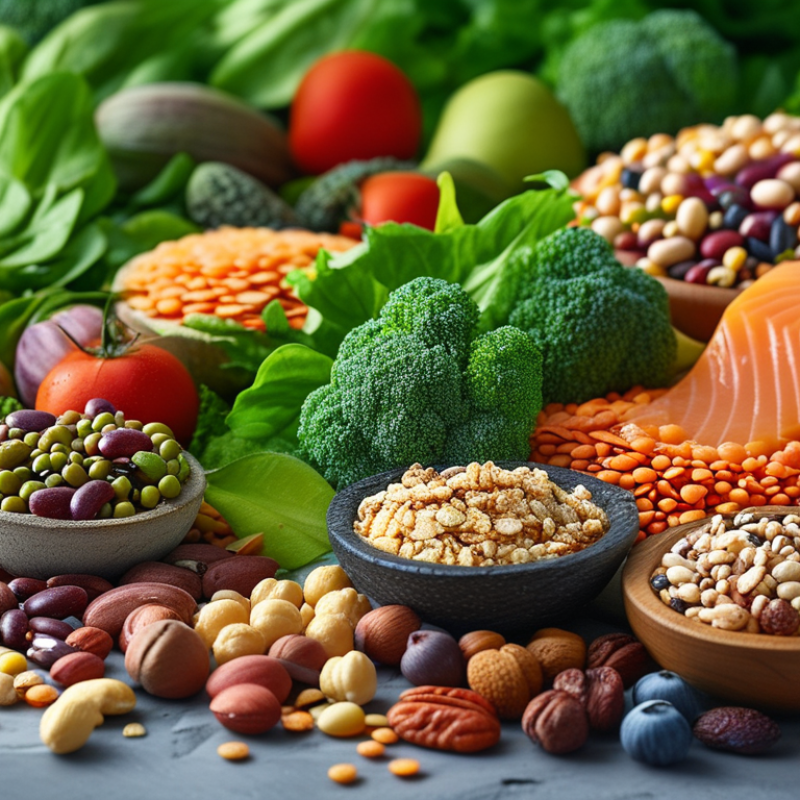
Overview of Plant Proteins and Their Nutritional Value
Plant proteins have gained significant attention for their health benefits. They're rich in essential amino acids, fiber, and a variety of vitamins. Sources like legumes, nuts, and seeds contribute to a well-balanced diet. These proteins can improve heart health and aid in weight management. For many, this is a viable alternative to animal proteins.
However, not all plant proteins are created equal. Some lack certain amino acids that are vital for our bodies. It's important to combine different sources to ensure a complete protein profile. Additionally, some people may experience digestive discomfort when consuming high amounts of beans or lentils. Monitoring your body's response can enhance your dietary choices.
Choosing plant proteins should align with individual health goals. Many find the transition rewarding, both for health and ethical reasons. Yet, beginners might face challenges in meal planning and preparation. Exploring various recipes can help overcome this hurdle. Experimenting with different types of plant proteins can lead to exciting culinary discoveries.
Are Plant Proteins Good for Your Health in 2026? - Overview of Plant Proteins and Their Nutritional Value
| Protein Source |
Protein Content (g per 100g) |
Essential Amino Acids |
Fiber Content (g per 100g) |
Health Benefits |
| Lentils |
25 |
Rich in Lysine |
8 |
Promotes heart health, aids digestion |
| Chickpeas |
19 |
Complete amino acid profile |
7.6 |
Supports weight management, regulates blood sugar |
| Quinoa |
14 |
Complete protein |
2.8 |
Anti-inflammatory properties, aids muscle recovery |
| Hemp Seeds |
31 |
Rich in Omega-3 and Omega-6 |
4 |
Improves skin health, promotes heart health |
| Tofu |
8 |
Rich in Methionine |
0.3 |
Supports bone health, aids in weight loss |
Health Benefits of Plant Proteins Compared to Animal Proteins
Plant proteins have gained attention for their potential health benefits. Research shows that they can lower the risk of chronic diseases. A 2023 study from the Journal of Nutrition indicated that individuals who consume more plant proteins have a 20% lower risk of heart disease compared to those who rely heavily on animal proteins. This trend is notable as heart disease remains a leading cause of death worldwide.
Plant proteins are rich in essential nutrients and antioxidants. They often contain fiber, which promotes digestive health and helps maintain a healthy weight. For instance, legumes and beans are excellent sources of protein, providing around 7-10 grams of protein per 100 grams. In contrast, animal proteins can be higher in saturated fats, which may lead to health issues if consumed excessively. However, the balance between plant and animal proteins is crucial. Some studies suggest that a purely plant-based diet may lack certain essential amino acids unless carefully planned. Therefore, individuals should reflect on their dietary choices and consider incorporating a variety of protein sources.
While plant proteins can play a vital role in a healthy diet, the transition requires thoughtfulness. Careful planning is essential to ensure nutritional needs are met. A more balanced approach, incorporating both plant and animal proteins, may lead to the best health outcomes in 2026 and beyond.
Key Sources of Plant Proteins: Legumes, Nuts, Seeds, and Grains
Plant proteins are becoming more popular as people seek healthier diets. They provide essential nutrients while being lower in saturated fat compared to animal proteins. Key sources of plant proteins include legumes, nuts, seeds, and grains. According to the Food and Agriculture Organization, legumes such as lentils and chickpeas can provide up to 26 grams of protein per 100 grams. That’s a rich source of nutrition.
Nuts and seeds are another excellent choice. Almonds, for instance, offer about 21 grams of protein per 100 grams. They also contain healthy fats, which support heart health. However, it’s important to monitor portion sizes, as nuts are calorie-dense. Whole grains like quinoa and brown rice also contribute significantly to protein intake, with quinoa providing all nine essential amino acids.
While these plant foods are nutritious, relying solely on them can pose challenges. Some may lack certain amino acids found in animal proteins. Combining different sources is crucial for a balanced diet. For example, pairing beans with rice can create complete proteins. As plant proteins gain prominence, it’s vital to evaluate individual dietary needs and lifestyle choices. Consulting with a nutrition expert can ensure a well-rounded approach.
Potential Risks and Considerations of Plant Protein Consumption
As the interest in plant-based diets grows, it's essential to consider the potential risks of plant protein consumption. Although these proteins are often praised for their health benefits, they may not suit everyone. Certain plant proteins contain antinutrients that can impair nutrient absorption. For instance, legumes and grains may inhibit the absorption of essential minerals like calcium and iron. This could lead to deficiencies, particularly for those on a strict plant-based diet.
It's crucial to balance your protein sources. Combining different plant proteins can mitigate some risks. For example, pairing beans with rice offers a complete amino acid profile. Ensure you're also getting sufficient vitamins and minerals through a varied diet. This variety is key to overall health.
Tip: Incorporate a mix of whole foods. This includes vegetables, fruits, nuts, and seeds. Pay attention to how your body responds to certain proteins. Everyone's digestion varies. Observing your reactions can guide your choices.
Another consideration is the environmental impact of some plant protein sources. While they are generally more sustainable than animal proteins, not all are created equal. The production of certain crops may contribute to deforestation or excessive water use. Awareness of your food choices is vital for making ethical decisions.
Tip: Research the sourcing of your plant proteins. Choosing local, seasonal produce can lessen your ecological footprint. This makes your diet not only healthier for you but also for the planet.
Impact of Plant Protein Consumption on Health (2026)
Future Trends in Plant-Based Diets and Health Implications for 2026
The rise of plant-based diets is transforming our approach to nutrition. In 2026, we expect to see a surge in awareness about plant proteins' health benefits. More people are exploring how beans, lentils, and quinoa can replace traditional meat. These foods are not just alternatives; they are rich in essential nutrients. They provide fiber, vitamins, and minerals that are often lacking in animal products.
As plant proteins gain popularity, challenges may arise. Not everyone easily adapts to these diets. Some might experience digestive issues or protein deficiencies if not planned carefully. Education about balanced plant-based nutrition will be crucial. People need guidance on combining various plant sources to ensure they get all essential amino acids. It’s important to highlight that while plant proteins are beneficial, individuals must remain vigilant about their overall nutrient intake.
The future may see technological advancements making plant proteins more accessible. Companies might innovate methods to enhance taste and convenience. However, the awareness of sustainable sourcing must remain pivotal in this evolution. Consumers should consider the environmental impact of their food choices. Ultimately, balancing health and sustainability is a complex journey that requires continuous reflection and adaptation.
FAQS
: Plant proteins can lower the risk of chronic diseases, including heart disease, by about 20%.
Plant proteins are rich in nutrients and lower in saturated fats but may lack some essential amino acids.
Legumes, nuts, seeds, and whole grains are excellent sources, providing significant protein content.
Combine different sources, like beans with rice, to create complete proteins for better nutrition.
Some people may face digestive issues or nutrient deficiencies without careful planning and guidance.
A nutrition expert can help create a balanced plan, ensuring all dietary needs are met effectively.
Nuts are calorie-dense; monitoring intake is essential to avoid excessive calorie consumption.
Increased awareness of plant protein benefits and potential technological advancements to enhance nutrition and convenience.
Evaluate the environmental impact of food, balancing health and sustainability requires thoughtful choices.
Think about your individual dietary needs, lifestyle choices, and possible challenges with a new diet.
Conclusion
The article "Are Plant Proteins Good for Your Health in 2026?" explores the growing interest in plant-based diets and the nutritional value of vegetal proteins. It highlights the numerous health benefits of plant proteins compared to animal proteins, emphasizing their role in reducing chronic disease risks, promoting heart health, and aiding in weight management. Key sources of plant proteins include legumes, nuts, seeds, and grains, which provide essential amino acids and nutrients.
However, the article also addresses potential risks associated with plant protein consumption, such as inadequate intake of certain nutrients if not properly balanced. As we look towards 2026, the future trends in plant-based diets suggest an increasing acceptance of vegetal proteins, along with improved accessibility and diversity in food options, leading to enhanced health implications. Ultimately, the article seeks to answer the pivotal question: are vegetal proteins healthy? The evidence suggests they offer substantial benefits when incorporated into a balanced diet.

 Entry Biology