Are vegetal proteins suitable for athletes? The evidence increasingly points to yes, when planning replaces guesswork. Plant proteins now appear in recovery shakes, protein bars, tofu bowls, and athlete meal plans worldwide. However, “plant-based” does not automatically mean nutritionally complete.
The International Society of Sports Nutrition’s 2022 position stand reports that well-planned plant-based diets can support athletic performance. It also highlights practical concerns involving protein quality, leucine, vitamin B12, iron, zinc, calcium, and omega-3 fatty acids. The Academy of Nutrition and Dietetics similarly states that appropriately planned vegetarian and vegan diets can be nutritionally adequate for active people. Small details matter. A lentil meal may need soy, grains, or seeds to improve amino-acid balance.
Sports nutrition researcher David Rogerson wrote, “A well-planned vegan diet can meet the nutritional needs of athletes.” That sentence is encouraging, but it is not a free pass. Athletes training twice daily may require more protein, energy, and recovery support than recreational consumers. Digestive tolerance also differs. Beans may work beautifully for one runner and poorly before a race for another.
Market research from Grand View Research identifies strong global growth in plant-based protein demand, driven partly by health-conscious consumers and sports nutrition. Yet supplier claims still require scrutiny. Protein concentration, amino-acid profiles, third-party testing, allergen controls, and manufacturing transparency vary considerably.
This guide examines China’s top 10 plant protein suppliers for athletes. It considers real product specifications, not attractive packaging alone. Some comparisons remain imperfect, because supplier data are not always published consistently. That limitation deserves attention. Fitness performance is personal, and no single protein source fits every athlete.
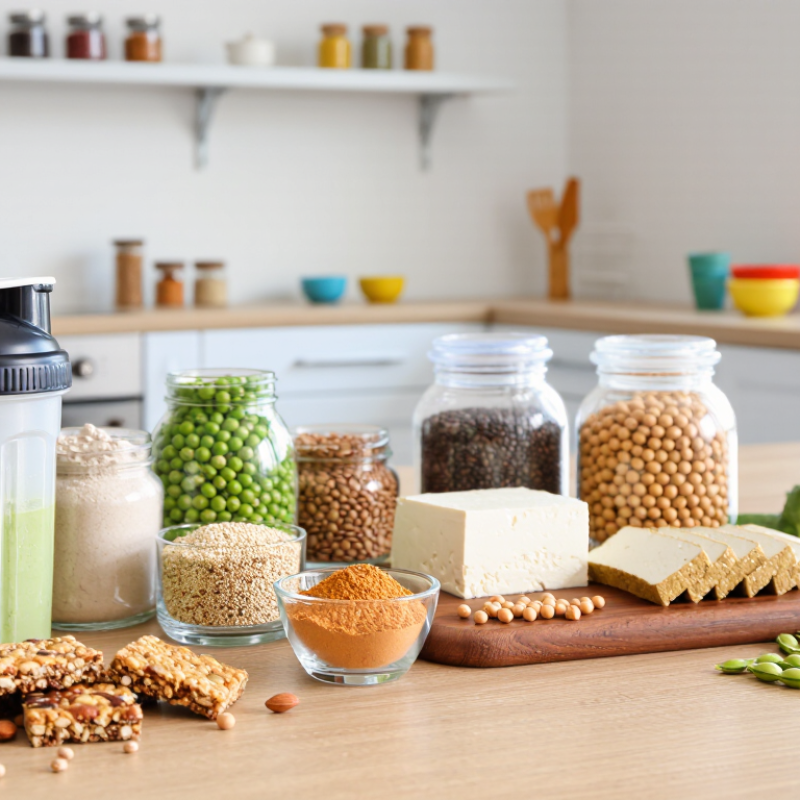
China Top 10 Plant Protein Suppliers for Athletes?
What Makes a Plant Protein Supplier Suitable for Athletes
A suitable supplier understands athletic nutrition, not only commodity trading. The International Society of Sports Nutrition recommends 1.4–2.0 grams of protein per kilogram of body weight daily for active people. It also supports 20–40 grams per serving, depending on body size and training demands. Therefore, suppliers should provide clear protein percentages, serving data, amino acid profiles, and batch-specific laboratory results.
Protein quality needs closer attention. The FAO’s 2013 protein-quality report recommends the DIAAS method for evaluating essential amino acids and digestibility. Pea, rice, soy, and mixed formulas can perform differently. A reliable supplier should disclose DIAAS or comparable testing, leucine content, digestibility results, and allergen controls. Around 2.5 grams of leucine per serving is often used as a practical target for stimulating muscle protein synthesis, although individual needs vary.
Testing must continue after production. Look for certificates covering heavy metals, microbes, pesticides, identity, and contamination risks. Independent laboratories should verify each batch, not only provide one annual certificate. Traceable lot numbers matter when a shipment reaches a sports nutrition factory.
Transparency beats polished promises.
Suppliers should also demonstrate experience with flavor masking, solubility, and stable dispersion in cold water. These details affect real training use. A powder that settles after two minutes may frustrate athletes, even with excellent nutrition data. I would still question any supplier claiming universal performance results. Athletes differ, and supplier documents can be incomplete. On-site audits, retained samples, and repeat testing remain necessary.
An anonymized comparison of supplier profiles based on athlete-relevant ingredient capabilities
| Rank | Anonymized Supplier Profile | Primary Protein Capability | Typical Protein Content (Dry Basis) |
Athlete-Relevant Strength | Recommended Verification | Suitability |
|---|---|---|---|---|---|---|
| 1 | Profile A — Pea Isolate Specialist | Yellow pea protein isolate | 80–85% | High protein density, dairy-free, and widely used in recovery and sports nutrition formulas. | Amino-acid profile, digestibility data, heavy-metal testing, microbiological results, and allergen controls. | Excellent |
| 2 | Profile B — Soy Isolate Specialist | Soy protein isolate | 90% or higher | Complete plant protein with a strong essential amino-acid profile and high protein concentration. | Soy allergen declaration, non-GMO documentation where required, pesticide testing, and regulatory compliance. | Excellent |
| 3 | Profile C — Fava Bean Isolate Specialist | Fava bean protein isolate | 80–90% | Neutral-to-mild flavor potential and useful compatibility with pea protein in blended formulas. | Vicinin and convicin levels, allergen management, solubility, sensory test results, and batch consistency. | Excellent |
| 4 | Profile D — Rice Protein Specialist | Brown rice protein concentrate or isolate | 70–85% | Gluten-free and dairy-free option that can complement pea protein to improve formulation balance. | Arsenic and heavy-metal testing, amino-acid profile, carbohydrate content, and dispersion performance. | Very Good |
| 5 | Profile E — Mung Bean Protein Specialist | Mung bean protein isolate | 80–85% | Legume-based protein with potential for clean-label sports beverages and powder blends. | Solubility at different pH levels, flavor stability, amino-acid profile, and microbial specifications. | Very Good |
| 6 | Profile F — Potato Protein Specialist | Potato protein concentrate | 75–85% | High-quality complementary protein that can improve the amino-acid balance of multi-source products. | Taste and odor profile, solubility, glycoalkaloid control, certificate of analysis, and supply continuity. | Very Good |
| 7 | Profile G — Chickpea Protein Specialist | Chickpea protein concentrate or isolate | 70–80% | Suitable for blended powders and nutrition bars with a mild legume flavor and added formulation flexibility. | Digestibility, oligosaccharide content, particle size, flavor testing, and allergen cross-contact controls. | Good |
| 8 | Profile H — Hemp Protein Specialist | Hemp protein powder | 45–55% | Provides plant protein together with dietary fiber and a recognizable whole-food positioning. | Cannabinoid compliance, pesticide and heavy-metal testing, fat oxidation, fiber content, and flavor stability. | Good |
| 9 | Profile I — Pumpkin Seed Protein Specialist | Pumpkin seed protein powder | 55–65% | Useful for whole-food-oriented products and multi-protein formulas with a nutty flavor profile. | Peroxide value, aflatoxin and heavy-metal results, allergen controls, protein assay, and sensory acceptance. | Good |
| 10 | Profile J — Multi-Source Blend Specialist | Pea, rice, fava bean, and seed protein blends | 75–85% | Can combine complementary amino-acid profiles and support better texture, flavor, and nutrition targets. | Formula-level amino-acid data, batch uniformity, allergen statement, solubility, and finished-product stability. | Very Good |
Common sources include pea, soy, rice, fava bean, and pumpkin seed proteins. Each offers different flavor, texture, and nutrition.
Yellow pea protein often provides a relatively neutral powder for shakes. Always test the actual sample. Flavor varies between batches.
Check the protein percentage, amino acid profile, moisture, allergens, serving size, and flavor details. Digestibility data can also help.
Request recent results for heavy metals, microbiological safety, pesticides, and protein content. Match every report with the product code and batch number.
No. A certificate can still miss production problems. Verify the issuing body, validity period, and covered facility.
Review factory audits, traceability records, quality procedures, capacity, minimum orders, and normal lead times. Ask how raw materials are recorded.
Powder texture may change after shaking. Test it in water, smoothies, and recovery meals. A smooth sample matters.
Ask about pilot batches, filling options, backup utilities, trained quality staff, and change controls. Large equipment alone proves little.
Compare testing costs, packaging, minimum orders, delivery times, payment terms, and replacement policies. A lower quote may hide extra expenses.
It checks flavor, mixing, documentation, and batch consistency before larger commitments. One sample cannot predict everything.
This article explores China’s top 10 plant protein suppliers for athletes and explains what makes a supplier reliable in the sports nutrition market. It examines key factors such as protein quality, amino acid balance, digestibility, clean-label production, nutritional consistency, certifications, manufacturing standards, and production capacity. It also outlines a practical selection method based on product performance, quality control, customization options, supply stability, and transparent documentation. A central question is: are vegetal proteins suitable for athletes? When properly formulated and consumed as part of a balanced diet, plant-based proteins can support muscle recovery, training adaptation, and daily protein needs. The article profiles ten leading types of Chinese suppliers without focusing on brand names, comparing their strengths in ingredients, processing technology, testing procedures, and large-scale manufacturing. Finally, athletes, coaches, and buyers will learn how to compare suppliers according to fitness goals, dietary preferences, product format, certifications, budget, and long-term cooperation requirements.

 Entry Biology