Top Tips How to Choose High Quality Plant Proteins?

Time:2026-09-18 Author:Ethan
0%

Choosing high-quality vegetal proteins requires more than reading the protein number on a package. The ingredient list often tells the real story. Look for recognizable sources such as peas, soybeans, lentils, chickpeas, hemp, or brown rice. A short ingredient list is usually easier to evaluate. Check whether the product provides all essential amino acids, especially leucine, lysine, and methionine. Some plant proteins work better when blended. Pea and rice protein are common examples.

Dr. Mark Messina, a leading soy nutrition researcher, has said, “Soy protein is a high-quality protein that supports growth and maintenance.” This principle helps explain why protein quality matters, not only quantity. Compare serving sizes carefully. Twenty grams of protein may sound impressive, yet the serving could contain excessive sugar, sodium, or unnecessary fillers. Look for independent testing, clear allergen information, and responsible manufacturing standards. Certifications can help, but they do not replace careful reading.

Learning how to choose high quality vegetal proteins also means considering your personal needs. Athletes may value higher leucine content. Older adults may need more protein per meal. People with allergies should inspect shared-facility warnings. Taste matters too. A powder that remains gritty in a glass of water may quietly stay unused. That is a practical failure. I have found that many comparisons overlook digestion, preparation, and consistency. These details deserve attention. No single protein source is perfect for everyone, and marketing language can make the decision seem easier than it is.
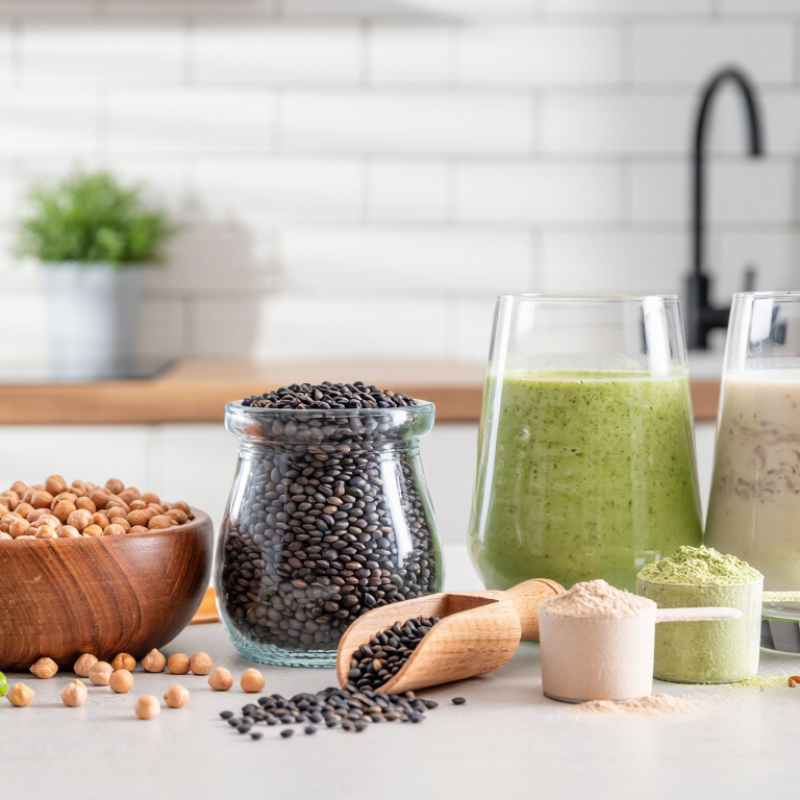
Top Tips How to Choose High Quality Plant Proteins?

What Defines a High-Quality Plant Protein?

What defines a high-quality plant protein? It is more than a large number on the nutrition label. Check the complete amino acid profile, especially leucine, lysine, methionine, and tryptophan. Some plant sources are naturally limited in one essential amino acid. That does not make them poor choices. Blending peas, rice, beans, or seeds can create a more balanced profile. Protein grams are only one clue.

Digestibility also matters. A useful product should provide protein your body can absorb and use efficiently. Scientific scoring systems, such as PDCAAS or DIAAS, offer helpful evidence, although no score tells the entire story. I prefer products with transparent testing, clear serving sizes, and realistic nutrition claims. Check the ingredient list, too. A short list is not always better, but excessive sugar, sodium, or unnecessary fillers deserves attention.

Texture and daily use reveal quality in practice. A good powder should mix without leaving a gritty layer at the bottom of a glass. It should taste acceptable without heavy sweeteners. “Acceptable” is honest; perfection is rare. Consider allergy information and independent contaminant testing when available. Packaging claims can sound impressive, yet reliable details matter more. I once focused too heavily on protein content and overlooked added sodium. That was a useful mistake. High-quality plant protein should fit your dietary needs, support adequate intake, and remain practical enough for regular meals.

How to Compare Plant Protein Sources and Amino Acid Profiles

Top Tips: How to Choose High Quality Plant Proteins?

Comparing plant proteins requires more than checking grams on the label. The FAO’s 2013 protein-quality report recommends assessing amino acid composition and digestibility together. Soy and pea proteins usually provide stronger essential amino acid profiles. Wheat and rice proteins can be lower in lysine. Legumes often need help from grains. Your meal may need better planning.

Tip: Compare the limiting amino acid first. Lysine is commonly limited in grains, while methionine can be lower in legumes. A mixed meal of beans, rice, seeds, and vegetables can improve balance across the day. Do not expect perfect matching in one bowl. Human digestion is less tidy than nutrition charts.

Leucine also deserves attention because it supports muscle protein synthesis. However, protein quality depends on serving size, digestion, age, and total daily intake. The USDA FoodData Central database provides detailed amino acid values for many foods, allowing practical comparisons beyond front-label claims. I use it when evaluating tofu, lentils, pea protein, and grains. I still check the source and preparation method. Cooking changes texture and digestibility, but not every product responds equally. Choose minimally processed options when possible, and compare DIAAS or PDCAAS data carefully. These scores are useful, yet neither perfectly predicts individual results.

Top Tips: How to Choose High Quality Plant Proteins? – How to Compare Plant Protein Sources and Amino Acid Profiles
Plant Protein Source Typical Protein Content
(g per 100 g dry ingredient)
Leucine
(g per 100 g protein)
Lysine
(g per 100 g protein)
Methionine + Cystine
(g per 100 g protein)
Main Limiting Amino Acid Digestibility Considerations Overall Amino Acid Profile Best Pairing Options
Soy Protein Isolate 80–90 7.7 6.4 2.8 Methionine and cystine High digestibility when properly processed; heat treatment can reduce antinutritional factors. Very balanced Can be used alone or combined with grains to increase sulfur amino acids.
Pea Protein Concentrate or Isolate 75–85 6.4 6.8 2.2 Methionine and cystine Generally well tolerated; processing improves protein concentration and digestibility. Strong lysine profile Pair with rice, oats, wheat, or other grain proteins.
Rice Protein Concentrate 70–80 8.2 3.8 3.9 Lysine Concentrates and isolates are more protein-dense than whole rice; digestibility varies by processing method. High in leucine; lower lysine Pair with pea, soy, lentil, or chickpea protein.
Hemp Seed Protein 30–50 6.8 4.1 3.7 Lysine Less refined products contain more fiber, which may reduce protein density and affect digestibility. Good sulfur amino acids Pair with pea or soy protein for a more complete profile.
Pumpkin Seed Protein 60–75 7.0 4.0 2.8 Lysine Digestibility depends on whether the ingredient is defatted, finely milled, or concentrated. Good leucine content Pair with legumes such as pea, lentil, or chickpea protein.
Potato Protein Isolate 75–85 7.0 5.8 3.3 Usually relatively well balanced; exact limitation depends on processing and measurement. Highly concentrated and generally digestible; often used in blends rather than as a stand-alone food. Balanced essential amino acids Can complement cereal proteins, especially rice and wheat proteins.
Lentil or Chickpea Protein 20–30 as whole flour; 60–80 when concentrated 6.0–6.8 6.0–7.0 2.0–2.5 Methionine and cystine Soaking, cooking, germination, and concentration can improve digestibility and reduce antinutritional factors. Strong lysine profile Pair with rice, corn, oats, or other cereal proteins.
How to interpret the table: For most adults, a high-quality plant protein is best evaluated by its total protein content, essential amino acid pattern, digestibility, processing quality, and serving size. The amino acid values above are representative averages for commonly used plant ingredients and can vary with cultivar, growing conditions, refining, and laboratory method. The adult reference pattern commonly used for comparison is approximately 5.9 g leucine, 4.5 g lysine, and 2.2 g methionine plus cystine per 100 g protein. Combining legumes with grains is a practical way to improve overall amino acid balance.

Which Processing and Ingredient Standards Matter Most?

Top Tips How to Choose High Quality Plant Proteins?

Processing and ingredient standards often matter more than attractive nutrition claims. Check whether the protein comes from peas, soy, rice, hemp, or another clearly identified source. The label should state the protein percentage, serving size, and complete ingredient list. A short ingredient list is useful, but it does not guarantee quality. I once overvalued “minimal processing” claims. Some gentle processing can improve digestibility and reduce unwanted flavors.

Look for controlled processing conditions, including moisture, temperature, and drying methods. Excessive heat may damage flavor and reduce functional performance. Enzyme treatment or fermentation can improve texture, but manufacturers should explain the process clearly. Ask for lot-specific certificates of analysis. These should cover protein content, microbial safety, heavy metals, pesticides, and allergens. Independent laboratory testing adds credibility.

The amino acid profile deserves attention. Many plant proteins are nutritious but naturally low in one or more essential amino acids. Blending sources may create a more balanced product. Digestibility matters too, not just the number printed on the front label. Reliable suppliers should provide traceability from raw material to finished powder and follow recognized food safety systems, such as HACCP-based controls. Yet standards can vary between facilities. Read the actual documentation, not only the certification logo. Taste and mixing performance still need a practical test in cold water, a shaker, and everyday recipes. Salt, sweeteners, or gums may quietly change the result.

Top Tips: How to Choose High-Quality Plant Proteins?

Protein content alone does not define quality. Compare the ingredient’s protein concentration with its digestibility and amino-acid performance, then verify processing controls, contaminant testing, traceability, and allergen management.

How to read this chart: Protein values are typical percentages for dry commercial ingredients. PDCAAS is shown as a percentage, with 100 representing the method’s maximum score. Actual results vary by cultivar, formulation, extraction method, heat treatment, and laboratory protocol.

Key standards to check: a clearly identified protein source, controlled heat and moisture processing, amino-acid and digestibility testing, heavy-metal and microbiological testing, allergen controls, batch traceability, and relevant third-party certification.

How to Check Protein Content, Purity, and Digestibility

Top Tips: How to Choose High Quality Plant Proteins

A reliable choice begins with the nutrition panel. Check grams of protein per serving, then compare serving sizes carefully. Some powders look concentrated because the serving is unusually large. Compare protein percentages on a dry-weight basis when possible. I also check the ingredient list for added starches, sugars, and excessive flavoring. A short list is not always better, but unexplained fillers deserve questions.

Tip: Look beyond the headline number.

Purity requires more than a clean-looking label. Look for independent testing that checks heavy metals, microbes, allergens, and undeclared ingredients. A current certificate of analysis can provide stronger evidence than marketing language. Testing should match the specific production lot. This detail is often missed. I have trusted attractive packaging before, and that was not careful enough. Plant proteins may naturally contain compounds that affect taste or absorption, depending on processing.

Tip: Ask what was tested, and when.

Digestibility matters because your body must use the protein, not merely receive it. Consider the amino acid profile, especially leucine and other essential amino acids. PDCAAS or DIAAS data can help, although results vary by method and product preparation. Heating, grinding, and fermentation may improve digestibility, but they do not guarantee excellent quality. Try a modest serving first and observe comfort, texture, and fullness. Personal tolerance still matters. Something measurable can remain imperfect in real life.

How to Select the Best Plant Protein for Your Dietary Needs

Choosing the best plant protein starts with your dietary needs, not attractive packaging. Consider protein amount, ingredients, allergens, and daily eating habits. Pea, soy, rice, hemp, and blended proteins offer different nutrition profiles. Soy provides all essential amino acids, while some grains may need complementary sources. Check the nutrition panel carefully.

I once chose a powder only because it had a high protein number. The texture was chalky, and I stopped using it after a week. Practical fit matters. If you follow a vegan diet, check for complete amino acid coverage across your meals. For gluten-free needs, verify the ingredients and manufacturing statements. Those with soy, legume, or seed allergies should read every label, including flavor additives.

Quality requires more than protein content. Look for short ingredient lists, clear serving information, and credible testing for contaminants. Independent certification can improve confidence, but it does not replace personal judgment. Choose a product with a taste you can tolerate in water, oatmeal, or a smoothie. Also compare sodium, added sugar, and fiber levels. A lower protein serving may be suitable if whole foods already supply enough. Nutritional needs vary with age, activity, kidney health, and medical treatment, so professional advice may be necessary. My own shortcut was trusting a “natural” claim, which proved too vague. Evaluate evidence, then notice how your body responds.

FAQS

What should I compare when choosing a plant protein?

Compare protein per serving, amino acids, digestibility, ingredients, and serving size. Look beyond the headline number. A large serving can make protein content look more impressive.

Which amino acids deserve special attention?

Check lysine, methionine, and leucine. Grains can be lower in lysine. Legumes may provide less methionine. Leucine supports muscle protein synthesis. A meal combining beans, rice, seeds, and vegetables may improve balance.

Are blended plant proteins better?

Blends can combine different amino acid strengths. Legumes and grains may complement each other. However, one bowl does not need perfect matching. Daily intake matters more than a single meal.

How can I check protein purity?

Read the ingredient list carefully. Look for added starches, sugars, excessive flavoring, and unexplained fillers. Ask whether the product has current testing for heavy metals, microbes, allergens, and undeclared ingredients.

What does a certificate of analysis show?

It can show results from a specific production lot. Check what was tested and when. General marketing language is weaker evidence. I once trusted attractive packaging. That was not careful enough.

How do PDCAAS and DIAAS help?

These scores estimate protein quality using amino acid content and digestibility. They support comparisons, but neither perfectly predicts individual results. Preparation methods and personal digestion can change the experience.

Does cooking improve plant protein quality?

Heating, grinding, and fermentation may improve texture or digestibility. They do not guarantee excellent quality. Products respond differently. Try a modest serving and notice comfort, fullness, and texture.

How should dietary needs affect my choice?

Check allergens, gluten statements, sodium, added sugar, fiber, and daily eating habits. People with soy, legume, or seed allergies should read every label. Age, activity, kidney health, and medical treatment may require professional guidance.

Is a higher protein number always better?

No. A lower serving may fit your needs if whole foods already provide enough protein. Taste matters too. I once chose a powder with a high number and disliked its chalky texture. It lasted one week.

Conclusion

Choosing a high-quality plant protein starts with understanding what makes a protein complete, nutritious, and suitable for regular use. To learn how to choose high quality vegetal proteins, compare their amino acid profiles, protein density, digestibility, and ability to support your dietary goals. Some sources naturally provide a broader range of essential amino acids, while combining different plant sources can help create a more balanced nutritional profile.

It is also important to examine how the protein is processed and whether the ingredient meets clear quality standards. Check the label for protein content per serving, purity, added sugars, unnecessary fillers, allergens, and potential contaminants. A simple ingredient list and transparent nutrition information can make comparison easier. Finally, consider your personal needs, such as athletic performance, weight management, digestive comfort, dietary restrictions, and taste preferences, before selecting the plant protein that best fits your lifestyle.

Ethan

Ethan

Ethan is a seasoned marketing professional with a deep expertise in our company's innovative product line. With a passion for sharing knowledge and insights, he takes the lead in regularly updating our corporate blog, where he explores industry trends, product features, and effective marketing......