Plant proteins are moving from niche products into everyday food manufacturing. Pea, soy, fava bean, chickpea, and wheat proteins now appear in burgers, sausages, dairy alternatives, bakery mixes, snacks, and nutrition drinks. Their performance depends on more than protein content. Solubility, water retention, gel strength, flavor, and processing stability can decide whether a product succeeds.
A useful question frames this article: what are the applications of vegetal proteins in food manufacturing? The answer reaches far beyond meat substitutes. Manufacturers use them to build fibrous textures, stabilize emulsions, enrich bread, improve beverage nutrition, and reduce dependence on animal ingredients. In a pea-protein beverage, for example, formulators must manage sediment, chalkiness, and a faint earthy note. Small changes in heating, homogenization, or flavor masking can produce very different results.
Food scientist Dr. David Julian McClements has emphasized, “The challenge is to create plant-based foods that are nutritious, sustainable, and tasty.” That balance remains difficult. Some products still rely heavily on sodium, refined oils, or complex additives. Others offer impressive protein levels but disappointing texture. This article examines practical applications, formulation choices, processing limits, and quality controls for 2026. It also questions easy claims. Plant proteins are promising, but they are not automatically healthier, cheaper, or more sustainable in every format. Real progress requires transparent labeling, verified nutrition data, sensory testing, and careful attention to consumer experience. The best products should perform well on the factory line and on the dinner plate.
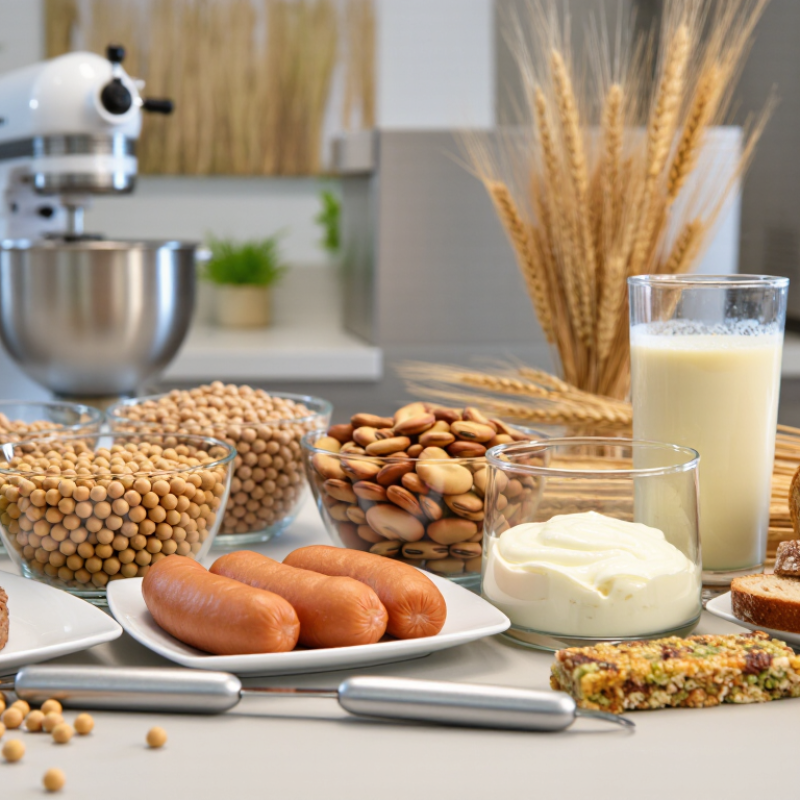
How to Use Plant Proteins in Food Manufacturing 2026?
A recent industry baseline values U.S. plant-based retail at $8.1 billion. This figure gives manufacturers a practical demand reference for 2026 planning. It does not guarantee equal growth across every category. Chilled meals, dairy alternatives, snacks, and meat substitutes may behave differently. Product teams should compare this baseline with retailer data, regional income, and repeat-purchase rates.
Start with protein functionality, not only protein content. Pea, soy, wheat, fava, and blended proteins each affect texture, flavor, water absorption, and processing costs. In an extrusion line, moisture control can determine whether a product feels fibrous or tender. In a beverage plant, sedimentation and heat stability require separate testing. Small pilot batches can reveal problems before full-scale production.
Manufacturers should record yield, waste, energy use, allergen controls, and consumer sensory scores. Clear specifications also improve supplier verification and batch consistency. I have found that clean labels alone rarely repair weak texture. Taste still decides the second purchase. The $8.1 billion baseline may encourage ambitious capacity plans, but demand forecasts need restraint. Some assumptions will be wrong. Review them quarterly, especially when promotions inflate short-term sales. Use blind taste tests, shelf-life checks, and realistic preparation conditions before approving a national launch. Regular workers’ feedback matters too, because line teams often notice foaming, clogging, or uneven mixing first.
U.S. plant-based retail sales reached an estimated $8.1 billion in 2023, following continued market growth from 2019 to 2022. For food manufacturers, this baseline supports 2026 planning around scalable plant-protein ingredients, product reformulation, texture improvement, and cost-efficient manufacturing.
Market values represent total U.S. plant-based retail sales in billions of U.S. dollars. Source: publicly reported U.S. plant-based retail market estimates.
Plant proteins are moving from niche products into everyday food manufacturing. FAOSTAT reports approximately 349 million tonnes of global soybean output, showing soy’s industrial scale and supply relevance. However, volume alone should not decide ingredient selection. Manufacturers should assess protein content, moisture, origin, processing history, and seasonal availability.
Soy protein offers strong emulsification and a familiar bite in beverages, sauces, and meat alternatives. Its allergen status requires clear labeling and careful line management. Pea protein can provide a neutral base for shakes, baked goods, and formed products. Yet some pea ingredients create bitterness or a dry mouthfeel. Pulses, including lentils and chickpeas, add protein, starch, fiber, and earthy flavor. They can support shorter ingredient lists, but their color may limit use in pale products.
Small trials matter. A pilot batch should test hydration time, shear, heating, pH, and storage stability. For example, a manufacturer can compare a 10-minute hydration period with a longer mix before checking viscosity and texture. This simple step often exposes unexpected clumping. Do not trust the specification sheet alone. Raw materials vary between harvests. Soy may deliver reliable functionality, while pulses may need stronger flavor balancing. Pea protein may perform well at one concentration but become chalky at a higher level. Record these failures. They are useful evidence for the next formulation, not wasted work. Supplier audits, laboratory testing, and traceable sourcing also strengthen quality decisions.
Plant proteins can help manufacturers formulate foods around the adult protein RDA of 0.8 g/kg/day. This value applies to healthy adults, not every consumer or life stage. A 70-kilogram adult would need about 56 grams of protein daily. The calculation is simple. The formulation is not.
Start with the finished portion, not the raw ingredient. If one meal provides 20% of that daily amount, it should deliver roughly 11 grams of protein for this example. Then evaluate the protein’s PDCAAS, which considers amino acid balance and true fecal digestibility. A score below 1.0 may require a higher protein inclusion level. Blending complementary sources can improve the limiting amino acid pattern, while also affecting flavor, color, water absorption, and texture. Small bench trials reveal these changes quickly.
For practical development, measure protein after processing, not only before heating or extrusion. Moisture loss can change the final concentration. A formula that looks adequate on paper may underdeliver per serving. This happens. Record batch variation, test finished products, and verify calculations with a qualified nutrition professional. PDCAAS is useful, but it is not a complete measure of protein quality. It uses a capped score and may overlook differences in amino acid availability. Manufacturers should treat the RDA as a baseline, then consider age, energy intake, serving size, and the product’s intended use.
How to Use Plant Proteins in Food Manufacturing 2026?
Plant proteins require more than a nutrition check. They require a controlled allergen system. FDA identifies nine major food allergens, including soy, wheat, peanuts, tree nuts, and sesame. These allergens cause about 90% of food allergy reactions reported in the United States, according to FDA guidance. CDC’s 2021 National Health Interview Survey reported diagnosed food allergies in 5.8% of children and 6.2% of adults. Those figures make small process errors significant.
Build the HACCP plan around each plant protein, supplier, and processing step. Map allergens from receiving to packaging. Check supplier specifications before unloading bags. Store allergenic powders below non-allergenic ingredients. Use dedicated scoops and sealed containers. Validate cleaning after soy or sesame production. A visual inspection alone is weak evidence. Environmental swabs and finished-product tests can verify control, but they cannot replace sanitation records. Confirm label accuracy before release, including the required “Contains” statement under FDA rules. Sesame became the ninth major allergen in 2023, so older documents may be incomplete. This is an uncomfortable gap.
Operators should record lot numbers, line clearance, training, corrective actions, and verification results. Review them during every HACCP reassessment. Plant-based formulas can change quickly, especially when suppliers reformulate protein blends. A single unchecked specification can undermine an otherwise careful system. FDA’s preventive-controls framework expects facilities to identify and manage allergen cross-contact risks through documented, science-based controls. Controls must work on busy floors, not only in audits.
The table below presents a practical manufacturing framework for plant-protein foods using HACCP principles and FDA food-allergen controls. FDA’s nine major food allergens are milk, egg, fish, Crustacean shellfish, tree nuts, peanuts, wheat, soybeans, and sesame.
| Plant Protein or Formulation Component | Typical Food Applications | FDA Major-Allergen Status | Main Biological, Chemical, or Physical Hazards | HACCP / Preventive-Control Measures | Key Verification and Records | Labeling and Cross-Contact Controls |
|---|---|---|---|---|---|---|
| Soy protein isolate, concentrate, or flour | Plant-based beverages, meat alternatives, nutrition bars, bakery products, and emulsified foods | Yes — soybeans | Salmonella and other pathogens in raw materials; undeclared soy; foreign material; pesticide or contaminant residues controlled through supplier approval | Approved suppliers; receiving inspection; lot traceability; validated heat treatment where used; allergen-dedicated scheduling or validated cleaning; metal detection or sieving where appropriate | Supplier certificates, incoming test results, thermal-process records, sanitation inspection, allergen-swab results where validated, metal-detector checks, corrective-action reports | Declare “soy” in the ingredient statement or a “Contains: Soy” statement when applicable; prevent transfer to soy-free products |
| Pea protein isolate or concentrate | Protein drinks, meat analogues, snack products, bakery mixes, and dairy-alternative foods | No — peas are not one of FDA’s nine major allergens | Pathogens from agricultural ingredients; foreign material; undeclared allergens from shared equipment; possible allergen cross-contact in blended ingredients | Supplier hazard analysis; validated sanitation; controlled rework; sieving or metal detection; environmental monitoring when the product and process risk justify it | Approved-supplier review, certificates of analysis, sanitation records, environmental-monitoring trend review, batch and rework records | Do not treat pea as an FDA major allergen; declare any soy, wheat, sesame, milk, egg, peanut, tree nut, fish, or Crustacean shellfish present in the formulation or introduced by cross-contact |
| Fava bean protein | Protein powders, meat substitutes, extruded snacks, soups, and prepared foods | No — fava beans are not one of FDA’s nine major allergens | Microbial contamination; foreign material; incorrect ingredient identity; allergen cross-contact from shared storage or processing lines | Ingredient identity checks; controlled unloading; validated kill step where applicable; allergen changeover procedure; line clearance before production | Receiving logs, identity verification, process-monitoring records, line-clearance forms, sanitation verification, finished-product release records | Review supplier specifications and shared-facility declarations; label any major allergen that is intentionally present or not adequately prevented from cross-contact |
| Chickpea or lentil protein | Pasta, hummus-style foods, meat alternatives, crackers, baked goods, and high-protein snacks | No — chickpeas and lentils are not among the nine major allergens | Pathogens, mycotoxins or other agricultural contaminants when relevant, foreign material, and cross-contact with wheat, soy, sesame, or tree nuts | Risk-based supplier approval; raw-material inspection; validated cooking or other lethality step; moisture and water-activity control for dry or baked products | Supplier audits, certificates of analysis, cooking records, water-activity or moisture records where critical, calibration records, product testing | Use a clear allergen matrix for shared equipment; do not make an “allergen-free” claim unless supported by a documented risk assessment and applicable requirements |
| Wheat gluten, wheat protein, or seitan | Meat substitutes, vegetarian deli products, noodles, bakery foods, and high-protein prepared meals | Yes — wheat | Pathogens in raw materials; undeclared wheat; foreign material; incorrect thermal processing; cross-contact with other major allergens | Supplier controls; validated cooking or baking; process-time and temperature monitoring; allergen segregation; label verification; controlled rework | Thermal-process charts, allergen-cleaning verification, label reconciliation, batch records, calibration records, finished-product inspection | Declare wheat as required by U.S. labeling rules; a gluten-free claim has separate regulatory criteria and must not be inferred solely from the product name |
| Potato protein | Meat analogues, protein beverages, foams, binders, and specialty bakery formulations | No — potato is not one of FDA’s nine major allergens | Microbial contamination; chemical residues controlled through supplier programs; foreign material; allergen cross-contact from processing aids or shared equipment | Supplier approval; hygienic handling; validated process controls; equipment inspection; sanitation and changeover controls | Supplier documentation, sanitation verification, preventive-maintenance records, process-monitoring records, complaint and traceability review | List all ingredients and processing aids that remain in the food; assess shared equipment for soy, wheat, sesame, milk, egg, peanut, tree nuts, fish, and Crustacean shellfish |
| Rice protein | Protein powders, beverages, snack foods, nutrition bars, and gluten-free formulations | No — rice is not one of FDA’s nine major allergens | Microbial contamination; foreign material; potential chemical contaminants managed through specifications and supplier controls; allergen cross-contact | Supplier hazard analysis; contaminant specifications where justified; validated sanitation; controlled storage; sieving or metal detection | Certificates of analysis, supplier verification, contaminant-monitoring plan where applicable, storage logs, equipment checks, traceability tests | Rice protein is not automatically gluten-free; verify the supply chain and process before making a gluten-free claim |
| Hemp protein | Powdered beverages, nutrition bars, bakery foods, cereals, and snack products | No — hemp is not one of FDA’s nine major allergens | Pathogens; foreign material; oxidation or rancidity in high-fat ingredients; contamination from shared equipment | Supplier qualification; suitable packaging and storage conditions; first-in/first-out inventory; sanitation; validated heat treatment where used | Shelf-life data, storage-temperature records, supplier certificates, sensory or oxidation checks where relevant, sanitation verification | Review all claims and ingredient specifications; declare any major allergen supplied in a blend, flavor, coating, or shared processing environment when applicable |
| Peanut or peanut protein | Protein bars, spreads, confectionery-style foods, sauces, and snack products | Yes — peanuts | Undeclared peanut; Salmonella and other pathogens; aflatoxin risk in raw peanuts; foreign material | Approved suppliers; aflatoxin and pathogen controls based on risk; validated roasting or other kill step where used; strict segregation; dedicated utensils or validated cleaning | Supplier verification, raw-material testing, roasting records, allergen-cleaning verification, label checks, environmental and finished-product testing where justified | Declare peanut in the ingredient list or “Contains: Peanuts” statement when applicable; use separate storage and clearly identified production equipment where feasible |
| Tree-nut protein, such as almond, cashew, walnut, or hazelnut | Plant-based beverages, spreads, protein bars, desserts, bakery products, and sauces | Yes — tree nuts; the specific nut must be identified | Undeclared tree nut; Salmonella and other pathogens; foreign material; rancidity; cross-contact between different tree nuts and other allergens | Supplier approval; pathogen and quality specifications; segregated storage; validated cleaning; controlled rework; packaging and seal inspection | Supplier audits, certificates of analysis, allergen-changeover records, label reconciliation, seal checks, shelf-life and oxidation monitoring | Identify the specific tree nut in the ingredient statement or “Contains” statement; do not use “tree nuts” as a substitute for the required specific name |
| Sesame-containing protein blend, tahini, or sesame flour | Protein bars, sauces, dressings, bakery products, snack coatings, and plant-based ready meals | Yes — sesame | Undeclared sesame; pathogens; foreign material; oxidation; cross-contact from powders and dust | Supplier approval; enclosed powder transfer; dust-control measures; validated dry-cleaning or wet-cleaning procedures; production sequencing; label verification | Supplier records, allergen-cleaning validation, dust-control inspection, label checks, line-clearance records, traceability exercises | Declare sesame in the ingredient list or “Contains: Sesame” statement when applicable; account for sesame in spices, sauces, coatings, and compound ingredients |
| Process Stage | Control Objective | Typical Monitoring Activity | Required Response to Deviation |
|---|---|---|---|
| Supplier approval and receiving | Confirm ingredient identity, safety specifications, allergen status, packaging integrity, and lot information | Check supplier status, container condition, lot code, temperature where relevant, certificates, and seal integrity | Place material on hold, investigate, document disposition, and notify the supplier when required |
| Storage and material handling | Prevent mix-ups, moisture damage, pest activity, and allergen cross-contact | Use labeled locations, closed containers, stock rotation, segregation, and documented warehouse inspections | Quarantine affected materials, correct identification or storage conditions, and assess product impact |
| Weighing and batching | Ensure correct formula execution and prevent unintended allergen introduction | Verify recipe revision, ingredient code, quantity, operator checks, and batch documentation | Stop the batch, isolate affected material, perform reconciliation, and investigate the formula or labeling error |
| Thermal or other lethality step | Achieve the validated pathogen-reduction target for the specific product and process | Monitor time, temperature, pressure, pH, water activity, or other validated parameters as applicable | Hold product, evaluate the deviation, reprocess only when scientifically justified, or dispose of affected lots |
| Allergen changeover and sanitation | Prevent undeclared allergen residues from entering the next product | Follow written cleaning procedures; inspect equipment; use validated analytical or visual verification methods where appropriate | Repeat cleaning, hold product, investigate the root cause, and update the sanitation or scheduling procedure |
| Packaging and label control | Ensure the package displays the approved ingredient statement, allergen declaration, lot code, and net quantity | Perform start-up, changeover, and periodic label checks; reconcile issued and returned packaging materials | Stop the line, segregate incorrectly labeled product, correct or relabel when legally permitted, and assess recall requirements |
| Finished-product release and traceability | Release only product meeting safety, quality, allergen, and labeling requirements | Review batch records, deviations, test results, label approval, and one-step-forward/one-step-back traceability information | Place product on hold, conduct documented risk assessment, initiate corrective action, and activate withdrawal or recall procedures if necessary |
Regulatory note: A facility should base its food-safety plan on a documented hazard analysis and applicable FDA requirements, including preventive controls under the Food Safety Modernization Act where applicable. HACCP requirements are product- and sector-specific; seafood and juice operations have specific FDA HACCP regulations.
Allergen note: FDA allergen declarations apply when a major allergen is an ingredient or is present through an applicable source. “May contain” statements should not replace effective allergen-prevention controls and should be used only according to a documented risk assessment and applicable labeling policy.
Scaling plant-protein production requires more than increasing mixer speed. Teams need a repeatable formula, controlled hydration, and clear batch records. Measure ingredient moisture before processing, because it changes protein concentration and texture. Track mixing time, temperature, water absorption, and line speed for every run. Small changes matter. A pilot batch may look successful, yet fail during a longer production shift. Test at both scales before approving the final process.
Cost and yield KPIs should connect directly to each batch. Calculate ingredient cost per kilogram of finished product, not per kilogram of dry protein. Record trim loss, rework, downtime, and packaging waste. Protein content should come from verified laboratory testing and routine in-process checks. Compare actual yield with the planned yield after each production day. Our first yield model was too optimistic. That mistake exposed hidden losses during filling and cleaning.
Market KPIs add another layer of discipline. Monitor repeat orders, complaint rates, retail velocity, and customer acceptance by product type. A high-protein product can still underperform if its texture feels dry after reheating. Use sensory panels with consistent scoring sheets, not casual opinions. Keep the dashboard simple enough for operators to update during a shift. Numbers drift. Review unusual results before changing the formula. Supplier variation, seasonal crops, and storage humidity can distort comparisons. Better decisions come from linking production data with customer behavior.
It offers a demand reference, not a guaranteed sales forecast. Compare it with retailer data, regional income, and repeat purchases. Some assumptions will be wrong.
Pea, soy, wheat, fava, and blended proteins each behave differently. They influence texture, flavor, water absorption, and processing costs. The best choice depends on the product.
Pilot batches reveal problems before full production. Extrusion trials can expose dryness or excessive fiber. Beverage trials can show sedimentation, foaming, or poor heat stability.
Start with the finished portion. A 70-kilogram adult’s basic daily reference is about 56 grams of protein. A meal supplying 20% would provide roughly 11 grams.
PDCAAS considers amino acid balance and digestibility. A score below 1.0 may require more protein. Blending sources can improve amino acid balance, but flavor and texture may change.
Measure it in the finished product. Heating and extrusion can reduce moisture and change concentration. Paper calculations may look correct. The serving may still underdeliver.
Map allergens from receiving through packaging. Check supplier specifications before unloading bags. Use sealed containers and dedicated scoops. Validate cleaning with records, swabs, and finished-product tests.
Keep lot numbers, line-clearance checks, training records, corrective actions, and sanitation verification. Confirm labels before release. Older documents may miss newer allergen requirements.
Taste often determines the second purchase. Blind tests can expose weak flavor or texture. Line workers may notice clogging, foaming, or uneven mixing earlier than managers. Clean labels cannot repair a poor bite.
Plant proteins are becoming a strategic ingredient category for food manufacturers in 2026, supported by an estimated $8.1 billion U.S. plant-based retail baseline. Manufacturers can prioritize soy, pea, and pulse proteins, while considering global soybean production of approximately 349 million metric tons as an indicator of raw-material availability. Ingredient selection should balance protein concentration, functionality, flavor, cost, and supply stability.
A successful formulation must help meet the adult protein reference level of 0.8 g/kg of body weight per day and use PDCAAS to evaluate protein quality. The applications of vegetal proteins in food manufacturing include meat alternatives, dairy-free beverages, baked goods, snacks, nutrition products, and prepared meals. Production should operate under HACCP principles and applicable food-safety controls, with careful management of the nine major food allergens. During scale-up, teams should monitor cost, yield, protein content, texture, waste, consumer acceptance, and market performance to improve efficiency and support long-term commercial growth.

Entry Biology