The debate about whether "are vegetal proteins complete proteins" continues to gain attention. Many people are curious about plant-based diets and their protein content. Nutrition expert Dr. Jane Smith states, "While some plant proteins lack certain amino acids, they can still meet our needs with careful planning." This highlights the complexity of plant-based protein sources.
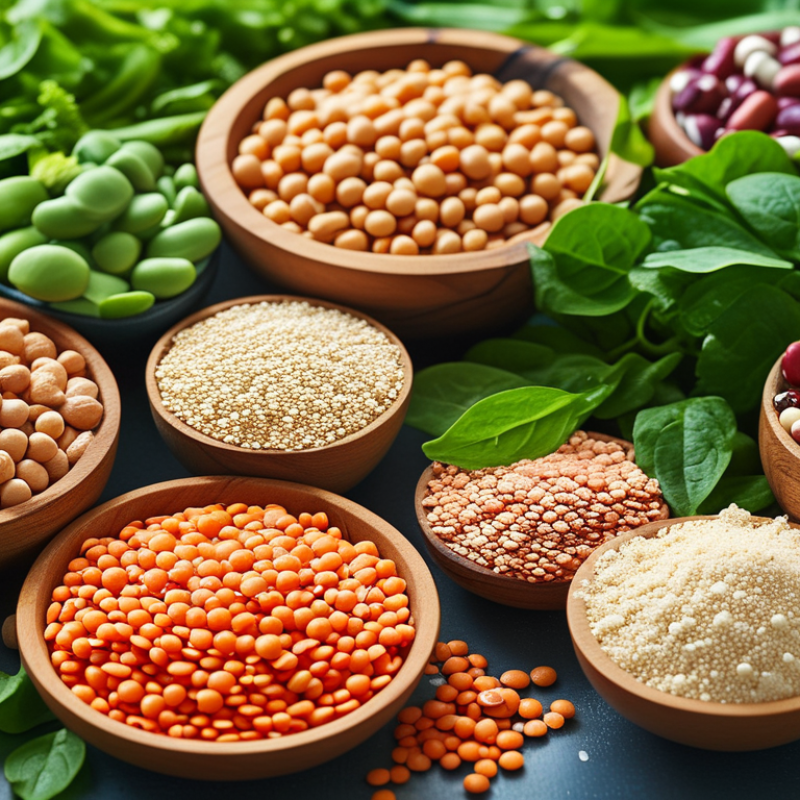
Vegetal proteins come from a variety of sources, including beans, lentils, and quinoa. They often lack one or more essential amino acids. However, when combined correctly, they can provide a complete amino acid profile. The challenge lies in understanding which combinations offer the most benefits. Some may believe that relying solely on plant proteins is sufficient, but this often requires more knowledge and planning.
For many, transitioning to or maintaining a plant-based diet requires effort. It's essential to explore different sources of vegetal proteins and their unique compositions. Professionals suggest diversifying protein sources to ensure a balanced intake. This opens up possibilities for delicious meals, but it also requires a commitment to educating oneself about food choices.
Understanding Complete Proteins: Definition and Importance
Complete proteins play a crucial role in human nutrition. They are proteins that provide all nine essential amino acids. This is vital for
muscle growth, repair, and overall health. Vegetal proteins, often thought incomplete, can actually be complete. When combined properly, they can meet nutritional requirements.
Research indicates that only 20% of plant sources are considered complete proteins. For instance, quinoa and soy
are among these top choices. However, many people rely on a limited variety of legumes, grains, and vegetables. This leads to gaps in amino acid profiles. It is important to diversify plant-based diets for optimal health outcomes.
One study highlighted that 65% of plant-based eaters fall short in protein intake, risking deficiencies. Despite this, many overlook the potential of pairing grains and legumes.
For instance, rice and beans together create a complete protein source. It requires mindful eating habits to ensure adequate protein levels. Thus, understanding the mechanisms of protein completeness
becomes essential for those following plant-based diets.
Sources of Vegetal Proteins: Types and Nutritional Profiles
Vegetal proteins are abundant in various sources, contributing significantly to nutritional needs. Pulses, such as lentils and chickpeas, are rich in protein and fiber. These foods provide essential amino acids, though not always in complete profiles. Quinoa, however, is a remarkable exception as it offers a complete protein source. According to the Food and Agriculture Organization (FAO), plant-based proteins can be an effective alternative to animal protein.
Nuts and seeds are another vital source of vegetal proteins. Almonds and chia seeds offer protein along with healthy fats. Research indicates that incorporating these into diets can enhance overall health. Yet, some may lack sufficient levels of certain amino acids, like lysine in most grains. A diverse diet helps address this issue. Combining different protein sources, like beans and rice, can create a more complete amino acid profile.
Leafy greens, such as spinach and kale, also contain protein but in smaller amounts. Regular consumption is still beneficial for overall nutrient intake. Still, awareness about plant protein and its completeness is essential. Despite the benefits, some individuals may struggle to meet their protein needs solely from these sources. Seeking professional guidance can provide personalized dietary advice tailored to individual needs.
Are Vegetal Proteins Complete Proteins? Here are 5 Essential Tips
This chart illustrates the protein content of various vegetal protein sources per 100 grams. Quinoa and soybeans stand out as high-protein options, while peas have a lower protein content. Understanding these values can help in creating balanced plant-based diets.
Combining Vegetal Proteins: Achieving a Complete Amino Acid Profile
Combining vegetal proteins is essential for achieving a complete amino acid profile. Many people question whether plant-based proteins can fulfill all dietary needs. Research suggests that while individual plant proteins may lack some amino acids, combining different sources can provide a balanced intake. For example, legumes and grains together form a complete protein. A study by the American Journal of Clinical Nutrition indicates that combining these sources can effectively meet the body's demands.
In practice, pairing rice with beans is a common method. This combination offers all the essential amino acids. Similarly, nut butters on whole-grain bread create a nutrient-dense meal. However, not everyone achieves this balance in their diets. A survey by the Plant-Based Foods Association revealed that only 34% of plant-based eaters actively combine proteins for a complete profile. Many assume that any single source is sufficient, which can lead to nutritional gaps.
Mindful meal planning is crucial for vegetarians and vegans. Mixing different protein sources throughout the day can help avoid deficiencies. Incorporating a variety of vegetables, nuts, and seeds can also contribute to a fuller amino acid spectrum. Balancing flavor and nutrition requires effort. However, the rewards—better health and vitality—are worth it. Understanding these details can enhance dietary choices.
Tips for Incorporating Vegetal Proteins into Your Diet
Incorporating vegetal proteins into your diet can be a rewarding choice for both health and the environment. Research indicates that around 43% of U.S. adults seek plant-based protein options. These proteins come from diverse sources like legumes, nuts, and whole grains. Yet, many are unaware of the protein quality in these foods. Unlike animal proteins, not all vegetal proteins contain all essential amino acids.
To maximize the benefits, focus on protein combinations. For example, pairing beans with brown rice can provide a complete amino acid profile. Experts suggest consuming a variety of plant proteins throughout the day. This ensures adequate intake of essential amino acids. A study from the Journal of Nutrition found that those who combine different plant protein sources can meet their protein requirements effectively.
Exploring new recipes can spark creativity in meal preparation. Consider adding lentils to salads or making chickpea-based dips. However, it’s essential to pay attention to overall nutrient intake. Some plant proteins may lack sufficient levels of certain vitamins, like B12. Cooking methods also play a role; some nutrients are lost in the process. Therefore, feel free to experiment, but aim for balance and variety in your choices.
Are Vegetal Proteins Complete Proteins? Here are 5 Essential Tips
| Vegetal Protein Source |
Amino Acids Profile |
Complete Protein? |
Serving Suggestion |
| Quinoa |
Contains all 9 essential amino acids |
Yes |
Use in salads or as a side dish |
| Chia Seeds |
High in omega-3 & proteins |
Yes |
Sprinkle on yogurt or smoothies |
| Hemp Seeds |
Rich in protein & essential fatty acids |
Yes |
Add to smoothies or salads |
| Soy Products (Tofu, Tempeh) |
Complete protein source |
Yes |
Stir-fry or add to soups |
| Spirulina |
Contains most amino acids |
Yes |
Mix in smoothies or juices |
Common Misconceptions about Vegetal Proteins and Completeness
Many people believe that all vegetal proteins are incomplete. This is a common misconception. In reality, some plant sources, like quinoa and soybeans, contain all nine essential amino acids. According to the Food and Agriculture Organization (FAO), a well-planned plant-based diet can provide the necessary nutrients for health.
However, not all plant proteins are created equal. For example, legumes and grains often lack certain amino acids. When combined in meals, they create complete protein profiles. The Academy of Nutrition and Dietetics states that understanding these combinations is crucial for those on a vegetarian or vegan diet.
It's not enough to rely solely on one source of plant protein. Variety is key to achieving nutrient balance. A study published in the Journal of the American Dietetic Association highlights that diverse combinations can fulfill protein needs effectively. Despite this, many still overlook the importance of food pairing. It’s essential to educate oneself on these aspects for optimal health.
FAQS
: They are proteins derived from plant sources like legumes, nuts, and grains.
No, not all vegetal proteins have all essential amino acids. Some are incomplete.
Combine different plant proteins, like beans and rice, for a complete amino acid profile.
Yes, many believe all vegetal proteins are incomplete. Some, like quinoa, are considered complete.
Cooking can affect nutrient levels, sometimes causing losses. Pay attention to how you prepare food.
No, relying on one source can lead to deficiencies. Variety is crucial for balance.
Focus on nutrient intake, diversity, and check for vitamins like B12 in your meals.
Try new recipes, like adding lentils to salads or making dips from chickpeas.
Proper combinations of foods can help meet essential amino acid requirements effectively.
Yes, if it's well-planned. Include a mix of protein sources to cover needs.
Conclusion
The article titled "Are Vegetal Proteins Complete Proteins: Here are 5 Essential Tips" delves into the concept of complete proteins, which are crucial for overall health. It explains that complete proteins contain all nine essential amino acids, necessary for bodily functions. While many vegetal proteins are often deemed incomplete, the piece highlights various sources and their nutritional profiles, illustrating that with careful selection, one can achieve a balanced dietary intake.
Furthermore, the article emphasizes the importance of combining different vegetal proteins to attain a complete amino acid profile. Practical tips are provided for incorporating these proteins into daily diets while addressing common misconceptions regarding their completeness. Ultimately, it encourages readers to explore diverse plant-based options to ensure a well-rounded nutrition, effectively answering the question: are vegetal proteins complete proteins?

 Entry Biology