In recent years, the demand for vegetal proteins has surged globally. Consumers are becoming more health-conscious and environmentally aware. Understanding how are vegetal proteins made is essential for buyers to make informed choices. Experts in the field shed light on this intricate process.
Dr. Emily Chen, a leading researcher in plant-based nutrition, highlights, “The creation of vegetal proteins involves diverse sourcing and careful processing.” This encapsulates the complexity of transforming raw plant materials into nutritious protein sources. Factors such as sourcing organic crops and implementing sustainable practices play a crucial role. Each step influences the final product's quality and benefits.
Despite advancements in technology, challenges remain. Producers often grapple with consistency in nutritional content and flavor. Additionally, consumer preferences vary widely, complicating the manufacturing process. An ongoing dialogue about how are vegetal proteins made can lead to better practices and transparency. Engaging with experts and understanding the production methods can enhance buyer confidence in these food sources.
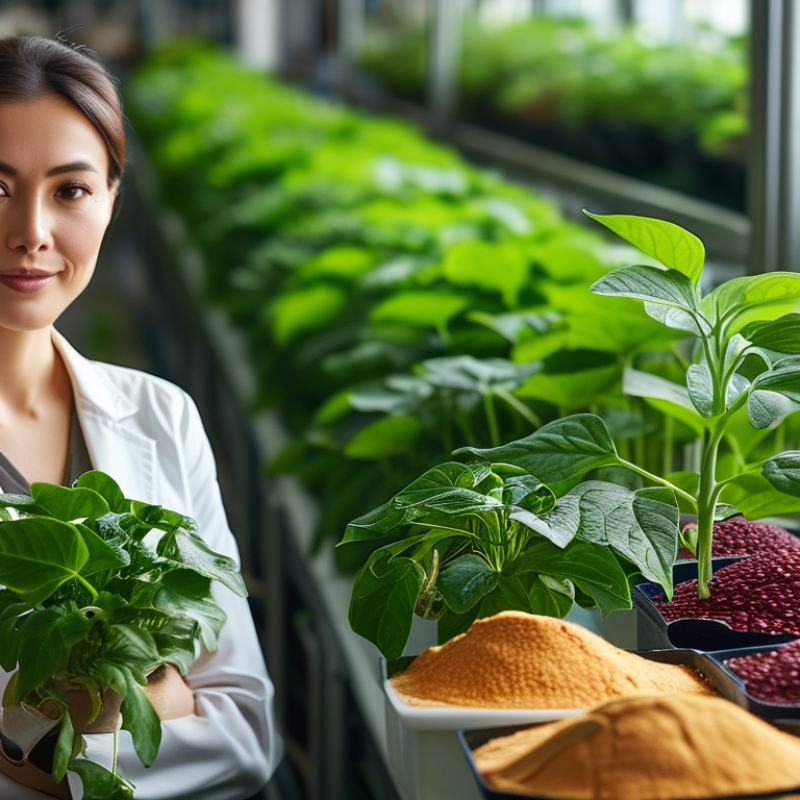
The Definition and Importance of Vegetal Proteins in Global Markets
Vegetal proteins are derived from plant sources, offering a sustainable and nutritious alternative to animal proteins. These proteins are increasingly important in global markets, driven by rising health concerns and environmental awareness. They are found in legumes, grains, nuts, and seeds, providing essential amino acids for diverse diets. Many consumers now prioritize plant-based protein due to its lower carbon footprint.
The growing demand for vegetal proteins reflects changing eating habits. They cater to vegetarians and vegans, as well as flexitarians seeking healthier options.
While some might view plant proteins as inferior to animal sources, advancements in food technology are improving their digestibility and overall quality. However, challenges remain. Sourcing consistent raw materials can sometimes lead to price fluctuations.
Nutritional education about these proteins is crucial. Not all vegetal proteins provide complete amino acid profiles. Thus, combining different sources is often necessary.
Transparency about sourcing and processing methods is also vital for building consumer trust. In this landscape, innovation remains a double-edged sword—promising growth while simultaneously presenting new complexities.
Raw Material Sourcing: Key Ingredients in Vegetal Protein Production
The production of vegetal proteins hinges on raw material sourcing. Sourcing quality ingredients is vital. These proteins are derived from a variety of plants, including legumes, grains, and seeds. According to a 2022 report by the Food and Agriculture Organization, global plant protein production increased by approximately 15% in the past five years.
Sustainable farming practices influence the quality of raw materials. Reports indicate that organic sourcing can boost nutrient density. However, challenges remain, such as inconsistent soil quality and climate factors that affect yield. Farmers must often navigate these issues to ensure a reliable supply chain, as noted in a 2023 study by the International Plant-Based Protein Association.
Transparency in sourcing is critical for global buyers. Many consumers now prefer sustainably sourced plant proteins. The shift towards sustainability impacts market dynamics and demands continuous improvement. Yet, issues like unethical labor practices in certain regions pose concerns. Ongoing reflection on sourcing ethics is essential for the industry to thrive.
Processing Methods: Techniques for Extracting and Refining Proteins
Vegetal proteins are becoming popular in various industries. Extracting and refining these proteins involves several methods. The most common technique is mechanical extraction. This method uses physical force to fracture plant materials, separating proteins from other components. It requires specific equipment, like presses or grinders, to ensure efficiency. With mechanical extraction, some protein may be lost, but it's a straightforward process.
Chemical methods also play an essential role. These involve using solvents or acids to dissolve proteins from plant sources. While this method can yield higher protein concentrations, it may leave behind undesirable residues. It's crucial to balance efficiency and safety in these extractions. Another method is enzymatic hydrolysis. This uses natural enzymes to break down plant cell walls. It offers a more sustainable alternative but can be slow and require careful monitoring.
Each processing technique has its downsides. Mechanical methods may not always yield the purest product. Chemical methods can introduce unwanted substances. Enzymatic processes need specific conditions to be effective. These factors provoke questions about how to optimize protein extraction while minimizing negative impacts. Understanding these trade-offs helps manufacturers make informed decisions for global buyers seeking quality vegetal proteins.
Vegetal Protein Processing Methods
Quality Control: Standards and Testing in Vegetal Protein Manufacturing
In the realm of vegetal protein manufacturing, quality control stands as a cornerstone of the process. Manufacturers implement rigorous testing protocols to ensure that the end products meet international food safety standards. This includes checking for contaminants, assessing protein content, and evaluating the overall nutritional profile. Techniques such as chromatography and spectrometry may be utilized for precise measurements. Such attention to detail fosters trust among global buyers.
However, the path to consistent quality is not without challenges. Variability in raw materials can affect the final product. Factors like soil quality, climate, and agricultural practices play significant roles. Manufacturers must navigate these inconsistencies diligently. Implementation of robust sourcing guidelines and close partnerships with farmers can help mitigate risks. Continuous training and development are vital for staff in quality assurance roles. They need to stay updated on industry standards and innovations to improve testing processes.
Despite advancements, there are still areas needing reflection. Some testing methods can be time-consuming and costly, potentially delaying production. Moreover, consumer expectations are shifting rapidly. Manufacturers must balance quality with affordability while ensuring sustainability. Developing a streamlined system for quality control is not just a necessity; it is an evolving challenge.
How Are Vegetal Proteins Made for Global Buyers? - Quality Control: Standards and Testing in Vegetal Protein Manufacturing
| Dimension |
Description |
Standard/Test Method |
Units |
Acceptable Range |
| Protein Content |
Amount of protein per serving |
Kjeldahl Method |
g/100g |
> 70% |
| Moisture Content |
Water content in the protein |
Gravimetric Method |
% |
< 10% |
| Ash Content |
Mineral content of protein |
Combustion Method |
% |
< 5% |
| Fat Content |
Total fat in the protein |
Soxhlet Method |
g/100g |
< 5% |
| Color |
Visual appearance of protein |
Colorimetric Analysis |
- |
Consistent with standards |
Market Trends: Demand and Consumer Preferences for Vegetal Proteins
The demand for vegetal proteins has surged in recent years, driven by changing consumer preferences. A report from MarketsandMarkets indicates that the global plant protein market is projected to reach USD 17.88 billion by 2027, growing at a CAGR of 9.2%. This shift is influenced by a rising health consciousness and a growing interest in sustainable diets.
Consumers are increasingly seeking alternatives to animal proteins. According to a survey by the Plant-Based Foods Association, 57% of consumers are incorporating more plant-based foods into their diets. This trend highlights a desire for healthier options and a better understanding of the environmental impact of food choices. However, the market still faces challenges. Many consumers question the nutritional adequacy of plant proteins compared to animal sources.
Despite these concerns, the versatility of vegetal proteins is becoming evident. Ingredients such as pea, soy, and hemp are being explored for their health benefits. Yet, not all consumers are convinced. Some express skepticism about the taste and texture of plant-based products. This gap in perception presents an opportunity for innovation in product development and marketing strategies. Addressing these concerns is crucial for brands aiming to build trust and meet consumer expectations in this evolving market.
Conclusion
Vegetal proteins play a crucial role in the global market, offering a sustainable alternative to animal-based proteins. Understanding how are vegetal proteins made involves a detailed process that begins with the sourcing of raw materials, where key ingredients such as legumes, grains, and seeds are selected to ensure quality and nutritional value. Various processing methods are employed to extract and refine these proteins, utilizing techniques like mechanical pressing and enzymatic hydrolysis to enhance their digestibility and functionality.
Quality control is paramount in the manufacturing of vegetal proteins, with rigorous standards and testing ensuring that products meet consumer safety and performance expectations. Current market trends indicate a growing demand for plant-based proteins, driven by shifting consumer preferences towards healthier and more sustainable food options. This evolving landscape highlights the importance of understanding the entire production process, from raw material sourcing to the final product, in addressing the needs of global buyers.

 Entry Bio