Can Vegetal Proteins Replace Animal Proteins in Your Diet?

Time:2026-07-30 Author:Isabella
0%

As dietary preferences shift, many ask: can vegetal proteins replace animal proteins? A growing body of research supports this inquiry. According to a 2021 report by the Food and Agriculture Organization, global plant-based protein consumption rose by 30% over the past five years. Nutritional studies indicate that plant proteins can provide essential amino acids, though some argue they may lack the complete profile found in animal sources.

Despite the benefits, concerns remain. For instance, certain essential nutrients like vitamin B12 and omega-3 fatty acids are less prevalent in plant foods, which can lead to deficiencies without careful planning. Additionally, some individuals may experience digestive issues when consuming high amounts of legumes and other plant protein sources. It's clear that while many find success in plant-based diets, challenges exist that require consideration.

Incorporating plant proteins may not be straightforward. While they offer sustainability benefits and lower environmental impact, they may also demand more culinary creativity. Thus, understanding can vegetal proteins replace animal proteins involves not just a nutritional analysis, but also a personal and cultural exploration of dietary habits.
Can Vegetal Proteins Replace Animal Proteins in Your Diet?

Understanding the Nutritional Profiles of Vegetal and Animal Proteins

When considering the nutritional profiles of vegetal and animal proteins, it's essential to recognize their differences. Animal proteins are complete, containing all essential amino acids. Common sources include meat, dairy, and eggs. They also provide vital nutrients like vitamin B12 and iron. However, they can be high in saturated fat.

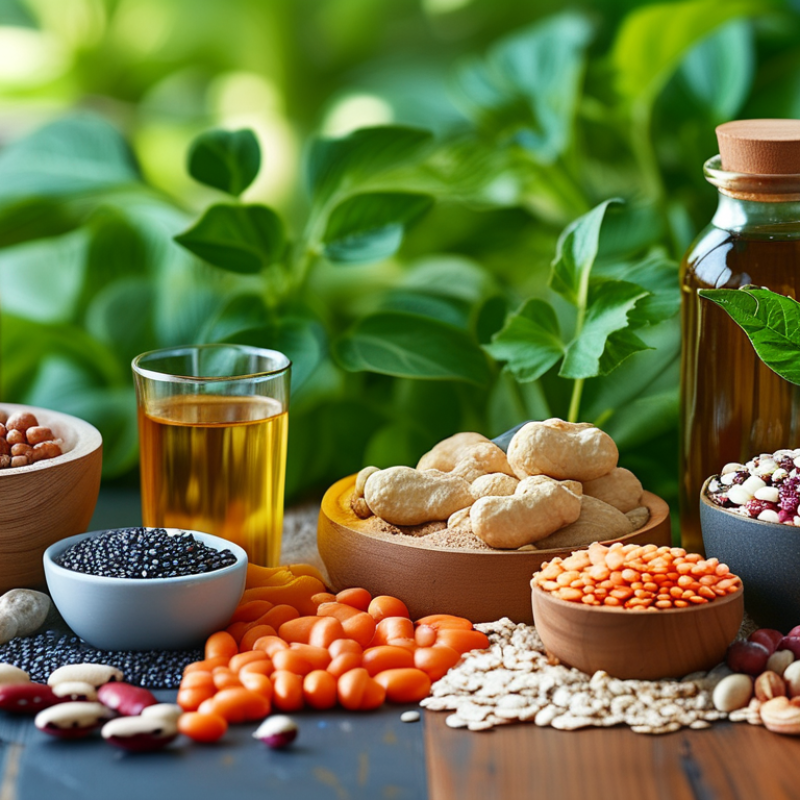
Vegetal proteins, sourced from plants, offer diverse amino acid profiles. Foods like beans, lentils, and quinoa can be excellent protein sources. They tend to be lower in calories and fats, promoting heart health. Still, some vegetal proteins may lack one or more essential amino acids. This potential gap can be addressed through dietary combinations, like pairing rice with beans.

Tip: Strive for variety in your protein sources. Combine different plants to achieve a complete amino acid profile. Incorporating nuts and seeds can further enhance nutrient intake.

Some may find it challenging to shift to a plant-based diet. It can feel overwhelming at first. Balancing taste and nutrition is key. Explore recipes that excite your palate while meeting your dietary needs.

Comparing Digestibility and Absorption Rates of Different Protein Sources

Vegan diets are gaining popularity, leading to questions about protein sources. A key aspect is the digestibility and absorption rates of vegetal versus animal proteins. Studies show that animal proteins typically score higher on the Digestible Indispensable Amino Acid Score (DIAAS) scale, indicating better absorption. For instance, animal proteins have a DIAAS value close to 1.2, while many plant proteins hover around 0.7. This discrepancy often raises concerns.

However, it’s essential to note that combining different plant proteins can enhance their amino acid profiles. A mix of legumes and grains can provide a more complete protein source. Research from the American Journal of Clinical Nutrition indicates that consuming a variety of plant-based proteins can lead to better absorption rates over time. Despite the initial lower scores, a well-planned vegan diet can meet protein needs effectively.

Tips: Aim for diversity in your plant protein sources. Consider beans, lentils, quinoa, and nuts. Monitor your protein intake to ensure adequate amounts for your needs. Additionally, be mindful of food preparation methods, as cooking can affect digestibility. Analyzing your meals can reveal what works best for you.

Health Benefits of Incorporating Vegetal Proteins into Your Diet

Incorporating vegetal proteins into your diet can offer numerous health benefits. A recent study published in the "Nutrients" journal highlights that plant-based proteins are rich in essential amino acids and antioxidants. These compounds may help reduce inflammation and lower the risk of chronic diseases. Reports indicate that diets high in plant proteins are linked to a 30% lower risk of heart disease.

Additionally, vegetal proteins have a favorable effect on weight management. According to the "Journal of Nutrition," people who consume more plant-based protein tend to have a lower body mass index (BMI). They also often experience fewer digestive issues due to high fiber content. Incorporating beans, lentils, and quinoa can promote satiety, which is vital for controlling hunger.

Despite these benefits, transitioning to a plant-based diet may present challenges. Some individuals struggle with meeting their protein intake requirements, which is essential for muscle health. It is crucial to plan meals carefully to include a variety of protein sources. Balancing different plant proteins can ensure all essential amino acids are consumed. This approach requires mindfulness and may not be convenient for everyone.

Environmental Impact of Choosing Vegetal Proteins Over Animal Proteins

When considering the environmental impact of choosing vegetal proteins over animal proteins, the facts are compelling. Animal agriculture significantly contributes to greenhouse gas emissions, deforestation, and water pollution. Switching to plant-based diets can help reduce your carbon footprint. For instance, legumes like lentils and beans require less water compared to beef production. Adopting these alternatives can lessen environmental strain.


Tips: Start with a meatless day each week. Explore dishes rich in vegetables and grains. Gradually replace red meat with proteins like chickpeas or quinoa.

Moreover, it’s worth acknowledging that some plant proteins may not provide all essential amino acids. Hence, it's important to diversify your protein sources. This can feel overwhelming at first. Mixing different plant foods, like rice and beans, ensures a complete amino acid profile.


Tips: Experiment with new recipes. Try tofu stir-fry or quinoa salads. Focus on whole foods to enhance nutrition while being environmentally conscious.

Practical Tips for Transitioning to a Plant-Based Protein Diet

Transitioning to a plant-based protein diet can seem daunting. Start by replacing one animal protein with a plant alternative each week. For example, try lentils in place of beef in your favorite chili recipe. This small step makes the transition manageable.

Explore a variety of plant proteins. Quinoa, beans, and chickpeas are excellent options. Incorporating these into your meals can provide essential nutrients. Use them in salads, soups, or as a side dish. However, ensure you are getting enough amino acids. Pairing different plant proteins can help achieve this balance.

Planning is key. Prepare meals in advance to avoid last-minute decisions that might lead to choosing animal proteins. Experimenting in the kitchen is necessary; not every dish will be a hit. Don’t be afraid to make mistakes along the way; it’s part of learning. Let your taste buds guide you to discover new flavors and combinations.

FAQS

: What are the differences between animal and vegetal proteins?

: Animal proteins are complete and contain all essential amino acids. Vegetal proteins have diverse profiles but may lack some essential amino acids.

What are some high sources of vegetal proteins?

Foods like beans, lentils, and quinoa provide excellent plant-based protein without excessive calories or fats.

How can I ensure I get all essential amino acids on a plant-based diet?

Combine plant proteins, like rice with beans. This helps to create a complete amino acid profile essential for health.

What health benefits do vegetal proteins offer?

They reduce inflammation and may lower the risk of chronic diseases, such as heart disease, due to rich antioxidants.

Can incorporating vegetal proteins aid in weight management?

Yes, diets high in plant proteins are linked to a lower body mass index (BMI) and promote satiety through fiber.

What challenges might I face transitioning to a plant-based diet?

It may be difficult to meet protein needs. Careful meal planning is required for a variety of protein sources.

How do plant-based diets impact the environment?

They reduce greenhouse gas emissions and require less water compared to animal agriculture, helping to lessen environmental strain.

What is a practical way to start a plant-based diet?

Begin with a meatless day each week. Explore plant-rich dishes to ease into the transition gradually.

How important is variety in choosing protein sources?

Very important! Mixing different plant proteins helps ensure all essential amino acids are included in your diet.

Are there any downsides to focusing solely on plant proteins?

Yes, some may lack essential amino acids. Careful planning and mixing foods is crucial to obtain balanced nutrition.

Conclusion

The article "Can Vegetal Proteins Replace Animal Proteins in Your Diet?" explores the nutritional profiles of both vegetal and animal proteins, highlighting that while both sources provide essential amino acids, the digestibility and absorption rates differ. Vegetal proteins often come with added health benefits, such as lower saturated fat and higher fiber content, making them a compelling choice for health-conscious individuals.

Moreover, the environmental impact of choosing vegetal proteins over animal proteins is significant, as plant-based diets generally lead to reduced greenhouse gas emissions and resource usage. The article also offers practical tips for transitioning to a plant-based protein diet, emphasizing that while some may wonder, "can vegetal proteins replace animal proteins," the shift can lead to both health benefits and a more sustainable lifestyle.

Isabella

Isabella

Isabella is a dedicated marketing professional with a sharp focus on driving brand growth and engagement through strategic content creation. With an extensive background in digital marketing, she combines her passion for storytelling with her keen understanding of industry trends to deliver......