As more people seek healthier lifestyles, the question remains: can vegetal proteins help with weight loss? Protein is essential for building muscle and maintaining a healthy metabolism. Research indicates that plant-based proteins can be effective in weight management. They are typically lower in calories and saturated fats compared to animal proteins, making them a favorable choice.
Choosing the right sources of vegetal protein can enhance a weight loss journey. Legumes, nuts, and seeds offer not only protein but also fiber. Fiber promotes fullness, which can reduce overall calorie intake. However, not all protein sources are equal. Understanding the nutritional values and preparing meals mindfully is crucial.
While incorporating plant proteins, some may feel dissatisfied if substitutes do not meet their taste preferences. Balancing taste and nutrition is important. It is worth reflecting on personal habits and openness to trying new recipes. Ultimately, the effectiveness of using vegetable proteins for weight loss may depend on individual choices and lifestyles.
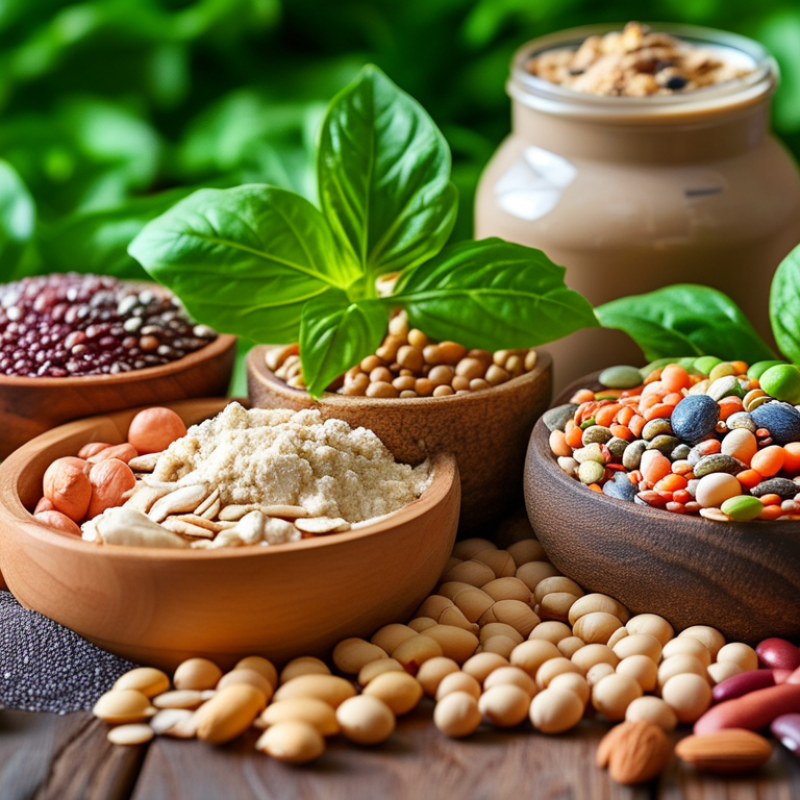
Plant-based proteins have gained attention for their potential in weight loss strategies. Research shows that incorporating veggie proteins can enhance satiety. A study published in the Nutrition Journal found that individuals consuming plant-based proteins reported feeling fuller than those on animal proteins. This could lead to reduced overall calorie intake, essential for effective weight loss.
Additionally, plant proteins are often lower in calories and fat compared to animal sources. For instance, legumes like lentils and chickpeas pack protein with fewer calories. A report by the American Journal of Clinical Nutrition indicates that diets rich in legumes are associated with a 0.45 kg loss per week, compared to those with minimal intake. However, results may vary based on individual dietary habits and preferences.
It's worth noting that not all veggie proteins are created equal. Some might lack essential amino acids. This imbalance can undermine weight loss efforts. Understanding various sources of plant proteins is crucial. For example, pairing beans with rice can create a complete protein profile. While many individuals embrace plant-based diets for weight loss, the journey calls for careful planning and monitoring.
Protein plays a crucial role in weight management. It not only aids muscle repair but also promotes satiety. When you consume plant-based proteins, like legumes and nuts, they can be particularly beneficial. These proteins often contain fiber, which enhances feelings of fullness. This can lead to reduced overall calorie intake.
Research indicates that increased protein consumption can help regulate appetite hormones. Hormones like ghrelin and peptide YY are affected by protein intake. Higher protein levels can decrease ghrelin, the hunger hormone, while increasing peptide YY, which signals fullness. This interplay helps in managing cravings and may support weight loss efforts.
Choosing veggie proteins can introduce a variety of nutrients to your diet. Quinoa, beans, and soy products are excellent sources. However, relying solely on these can lead to deficiencies. It's essential to maintain a balanced diet that includes various food groups. Reflecting on personal eating habits can reveal areas for improvement. Mindful eating and portion control are equally important in any weight management journey.
When it comes to weight loss, the source of protein can play a significant role. Veggie proteins, derived from plants such as beans, lentils, and quinoa, are often lower in calories than their animal counterparts. They are high in fiber, which aids digestion and increases feelings of fullness. This can help reduce overall calorie intake. However, the protein quality can vary. While veggie proteins are beneficial, they often lack certain essential amino acids.
On the other hand, animal proteins from sources like chicken, fish, and eggs offer complete proteins containing all the essential amino acids. They are often more satiating, but may also contain more saturated fats. Transitioning to veggie proteins might require mixing different types to achieve a balanced intake. This method can be effective yet challenging. One must be mindful of potential deficiencies in essential nutrients commonly found in animal products.
Personal experiences vary wildly. Many find success with a plant-based diet, while others struggle with energy levels. Individual metabolic responses also differ, impacting weight loss efficacy. Exploring a variety of protein sources and keeping a food diary could help in understanding what works best for one's body. It's a journey that encourages reflection and adaptation.
This chart illustrates the average weight loss outcomes associated with veggie proteins compared to animal proteins. The data indicates that individuals utilized veggie proteins on average lost 5.2 kg, while those consuming animal proteins lost an average of 3.8 kg, suggesting that veggie proteins may have a greater impact on weight loss during dietary plans.
Plant proteins can play a significant role in weight loss efforts. Recent studies indicate that these proteins may enhance metabolism and improve fat loss. A diet rich in plant-based proteins can lead to a greater sense of fullness. This can reduce overall calorie intake. When you feel satisfied, you're less likely to indulge in unhealthy snacks.
Including various sources of plant proteins in your meals is essential. Lentils, chickpeas, and quinoa are excellent choices. They are not only nutritious but also versatile. You can add them to salads, soups, or stir-fries. It's easy to incorporate them into daily meals.
While plant proteins offer numerous benefits, not all studies agree on their effectiveness. Some may find that small amounts are not as impactful for weight loss. It’s important to listen to your body. Consider tracking your intake and making adjustments based on how you feel. Balanced meals that feature plant proteins can support your weight loss journey, but individual results may vary.
Vegetable proteins can play a significant role in weight loss. Research indicates that plant-based diets can help regulate appetite and improve metabolic health. A study published in the Journal of Nutrition found that people consuming high-protein vegetarian diets felt fuller compared to those on traditional diets. They often consumed fewer calories throughout the day.
Incorporating veggie proteins into meals can be simple. Start with lentils, chickpeas, or black beans as protein sources in salads and soups. These ingredients are rich in fiber, contributing to satiety. A serving of lentils has about 18 grams of protein and 16 grams of fiber, making it an excellent choice for a filling meal. Smoothies with spinach or protein powder can also offer a nutritious start to the day.
Flexibility is crucial when adopting veggie proteins. Some may struggle to transition fully, and that's okay. Mixing plant proteins with other food sources can be an effective strategy. Gradually increase your veggie protein intake while paying attention to how your body reacts. Experimenting with different preparations, like roasting or seasoning, can enhance flavor and enjoyment. Every small change matters in the journey toward better health.
| Protein Source | Calories (per serving) | Protein Content (g) | Fiber Content (g) | Health Benefits |
|---|---|---|---|---|
| Lentils | 230 | 18 | 15 | Rich in iron, supports digestive health |
| Chickpeas | 210 | 15 | 12 | Supports appetite control, good source of folate |
| Quinoa | 220 | 8 | 5 | High in antioxidants, complete protein source |
| Tofu | 190 | 20 | 2 | Rich in calcium, supports muscle health |
| Edamame | 120 | 11 | 8 | Heart health, good source of omega-3 |
: Protein aids muscle repair and promotes satiety, reducing overall calorie intake.
Plant-based proteins like legumes and nuts are beneficial due to their fiber content.
Increased protein lowers ghrelin and raises peptide YY, helping to manage cravings.
Quinoa, beans, lentils, and chickpeas are excellent and versatile sources.
Yes, solely depending on them may lead to nutrient deficiencies over time.
Mindful eating helps control portions and improves awareness of hunger cues.
No, some studies report limited benefits; personal results can vary significantly.
You can add them to salads, soups, or stir-fries for variety and nutrition.
Tracking helps you adjust based on how your body responds to different foods.
Review your portion sizes and the balance of food groups in your diet.
The article "Can Veggie Proteins Aid Weight Loss Effectively?" explores the potential of plant-based proteins as effective components in weight loss strategies. It begins by highlighting the crucial role of protein in managing weight and controlling appetite, suggesting that vegetarian proteins can significantly contribute to these goals. A comparative analysis of veggie proteins versus animal proteins reveals that plant-based options may be equally, if not more, beneficial for weight loss outcomes.
Furthermore, the article summarizes various studies examining the effects of plant proteins on metabolism and fat loss, indicating positive results that support their inclusion in weight-loss diets. Practical tips for incorporating veggie proteins into daily meals are also provided, making it easier for individuals to adopt a healthier eating pattern. Overall, the evidence presented suggests that yes, "can vegetal proteins help with weight loss," as they offer essential nutrients while promoting satiety and healthy metabolic function.

Entry Biology