The rise of veggie proteins is reshaping the food industry. Consumers are increasingly curious about sustainable, plant-based options. As Dr. Emily Foster, a leading nutrition expert, notes, “The plant-based protein trend reflects a desire for healthier living.” This statement underscores the shift towards a conscious diet.
With growing awareness of health and environmental issues, many are asking why are vegetal proteins becoming popular. Plant-based proteins offer essential nutrients. High in fiber, they help with digestion and promote overall well-being. Moreover, they generate a smaller carbon footprint compared to animal proteins, appealing to eco-conscious eaters.
Yet, the popularity of veggie proteins doesn't come without challenges. Many individuals struggle with taste and texture. Some also question the protein quality found in plants. These concerns highlight the need for more consumer education. As the demand rises, so does the responsibility to address these issues. This dynamic shift is not just a trend; it’s a movement shaping our future diets.
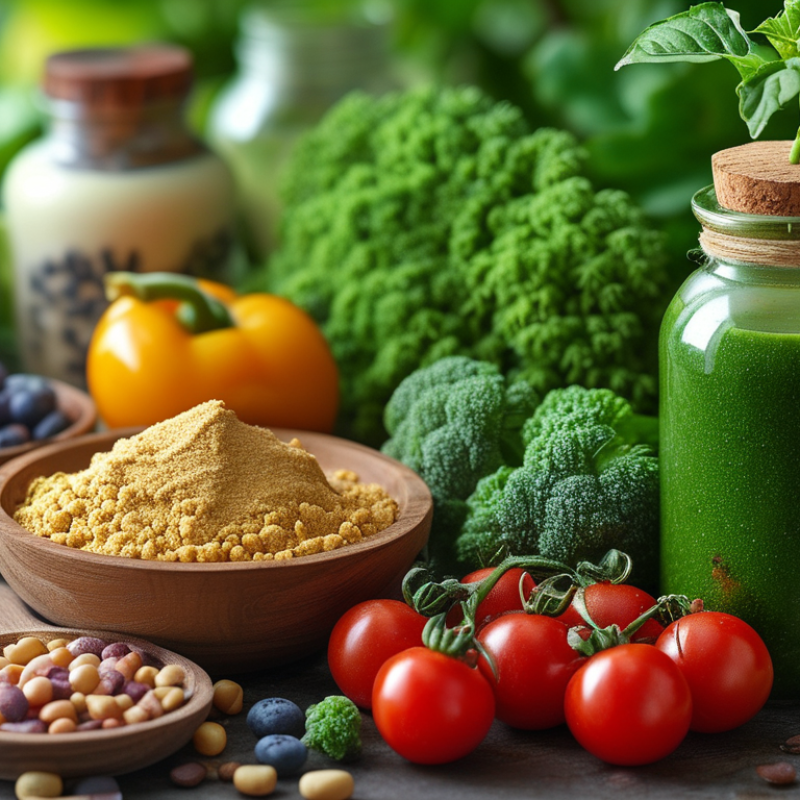
The surge in popularity of veggie proteins is tied closely to rising health consciousness across the globe. A report by Grand View Research indicates that the plant-based protein market is projected to reach $40.5 billion by 2026, growing at a CAGR of 14.0%. This shift is primarily driven by consumers seeking healthier dietary options. Many studies show that plant-based diets are associated with a reduced risk of heart disease and obesity.
Vegetable proteins offer essential nutrients and are becoming staples for those aiming for better health. Frequently, people are substituting traditional meat with legumes, nuts, and grains. According to the American Dietetic Association, well-planned vegetarian diets can provide all necessary nutrients. However, some might struggle with finding the right combinations to ensure complete protein intake. The challenge remains in understanding how to balance these options effectively.
Social media also plays a role in promoting veggie proteins. Influencers and health enthusiasts share recipes and benefits, which encourages followers to experiment. A consumer survey found that 69% of respondents are influenced by online content. Yet, not all plant-based proteins are equal. Some may lack certain amino acids. This emphasizes the need for education on protein sources. Awareness of these details is crucial for individuals making dietary changes.
Environmental concerns are increasingly influencing dietary choices around the globe. Many individuals are seeking sustainable alternatives to traditional protein sources. Plant-based proteins are gaining traction due to their lower environmental impact. These proteins generally require less land and water than animal-based options. This shift reflects a growing awareness of climate change and resource depletion.
Research suggests that livestock farming significantly contributes to greenhouse gas emissions. In contrast, plant production has a smaller carbon footprint. People are considering the environmental consequences of their meals. Many alternatives, such as legumes, nuts, and grains, are both nutritious and eco-friendly. Yet, there remains a challenge in meeting global protein demands through plant sources alone.
The popularity of veggie proteins raises questions about nutrition. Some consumers worry about missing essential amino acids. Others might struggle to find varied plant-based meals. Addressing these concerns requires education and innovation. As the market evolves, solutions will emerge. Exploring plant-based diets can lead to more sustainable living choices. Balancing flavors and nutrition is key. The quest for better alternatives continues.
The rise of veggie proteins is a notable trend in today's food landscape. Innovations in food technology are driving this surge. New methods are enhancing the texture and taste of plant-based proteins. These advancements make veggie options more appealing to consumers. Various food products now mimic meat-like structures, offering a satisfying experience.
For example, companies are experimenting with ingredients like pea protein and lentils. They aim to create products that are flavorful and nutritious. The process of extrusion cooking significantly alters the protein's structure. This method improves the eating quality and enhances flavor absorption. Such innovations are critical as consumers increasingly demand alternatives to traditional animal proteins.
Despite these advancements, challenges remain. Some veggie products may lack essential amino acids. Others still fall short in taste compared to meat. Innovators must address these shortcomings to satisfy discerning palates. Continuous research and feedback are vital. The goal is to refine veggie proteins, making them irresistible and nutritious. The journey toward perfecting plant-based options continues to evolve.
The global acceptance of vegetarianism reflects significant cultural shifts. This movement is driven by growing health consciousness and environmental concerns. Reports indicate that over 14% of the global population now identifies as vegetarian. This number is on the rise, particularly in regions like Europe and North America.
Cultural influences play a crucial role as well. Documentaries and influential health figures advocate plant-based nutrition. As a result, traditional views on diet are changing. People from diverse backgrounds are adopting vegetarian lifestyles. This shift illustrates a broader acceptance of alternative diets.
Here are some tips for transitioning to a veggie-based diet. Start by incorporating meatless meals into your weekly menu. Try experimenting with legumes and whole grains to enhance your meals. Gradually explore plant protein sources like beans, lentils, and nuts. Remember, it’s okay to take small steps. Adjusting to a new diet can be a journey. Embrace the learning process and stay curious.
The global demand for veggie proteins is rising rapidly. Many factors drive this trend. One major influence is the increasing awareness of environmental sustainability. According to a report by the Good Food Institute, the plant-based protein market is projected to reach $27.9 billion by 2025. This is a profound shift in consumer preferences.
Economic factors also play a significant role. With a growing population and rising food costs, plant-based proteins offer a viable alternative to traditional meat. These proteins often require fewer resources for production. Moreover, the health benefits of veggie proteins are becoming more recognized. A study published by the Journal of Nutrition highlighted that plant-based diets can lower the risk of chronic diseases.
Tips: Consider incorporating more veggie proteins into your diet. Start with lentils or chickpeas. They are rich in nutrients and versatile.
Another insight is the shift in consumer behavior post-pandemic. People are more inclined to invest in their health. However, accessibility remains an issue. Not every region offers a variety of plant-based options. Continuous innovation is needed to improve availability. Growing interest in sustainability also means companies should be transparent about sourcing. These concerns show the need for balance in the market.
| Region | Market Size (2023) | Year-on-Year Growth (%) | Key Drivers | Projected Growth (2025) |
|---|---|---|---|---|
| North America | $10 billion | 8% | Health trends, Veganism growth, Sustainability | $13 billion |
| Europe | $8 billion | 9% | Regulatory support, Plant-based diets | $10.5 billion |
| Asia Pacific | $6 billion | 12% | Growing health awareness, Urbanization | $9 billion |
| Latin America | $3 billion | 7% | Cultural shifts, Economic factors | $4.2 billion |
| Middle East & Africa | $2 billion | 5% | Market awareness, Dietary changes | $2.5 billion |
: Growing health consciousness and environmental concerns drive the acceptance of vegetarianism globally.
Over 14% of the global population identifies as vegetarian, and this number is increasing.
Start with meatless meals and explore legumes and whole grains. Take small steps and stay curious.
Awareness of environmental sustainability drives the rising demand for plant-based proteins.
The plant-based protein market is expected to reach $27.9 billion by 2025.
Plant-based diets can lower the risk of chronic diseases, as supported by research.
Many people are now more inclined to invest in their health and choose plant-based options.
Accessibility remains an issue, as not all regions offer a variety of plant-based options.
Companies need to be transparent about sourcing to meet consumer interest in sustainability.
It’s a process that requires learning and adapting, and it’s okay to go at your own pace.
The growing popularity of vegetal proteins can be attributed to several interrelated factors. Firstly, there is a significant rise in health consciousness among consumers, with many seeking plant-based protein options that align with their wellness goals. Additionally, environmental concerns are prompting individuals to consider the ecological impact of their dietary choices, leading to a shift towards sustainable, plant-based alternatives.
Innovation in food technology has further enhanced the appeal of veggie proteins by expanding the variety and quality of available products, making them more palatable and accessible. Cultural shifts towards vegetarianism and greater acceptance of diverse diets are also playing a crucial role in this trend. Finally, market trends and economic factors, including the rising costs of animal-based proteins, are influencing consumer behavior, ultimately answering the question of why are vegetal proteins becoming popular around the globe.
Entry Biology