7 Tips Which Plant Proteins Have the Highest Protein?

Time:2026-09-13 Author:Mason
0%

Choosing a high-protein plant food is not as simple as reading a package label. Dry weight, processing, amino-acid balance, and serving size can change the ranking. This guide examines which vegetal proteins have the highest protein content, using practical comparisons rather than marketing claims.

USDA FoodData Central lists many legumes and seeds with substantial protein. Cooked lentils provide about 9 grams per 100 grams. Dry lentils contain roughly 25 grams. Pumpkin seeds offer nearly 30 grams per 100 grams. Seitan can provide more than 20 grams per 100 grams, although its nutrition varies by recipe. Soy protein isolate often reaches 80 grams or more per 100 grams, making it one of the most concentrated options.

Protein concentration is only part of the story. The FAO report Dietary Protein Quality Evaluation in Human Nutrition explains why amino-acid availability and digestibility also matter. Soy is considered a complete protein, while many grains and legumes have different limiting amino acids. Pairing foods can improve the overall profile.

Stanford nutrition researcher Dr. Christopher Gardner has said, “The best diet is the one you can stick with.” That idea applies here. A powder may look impressive, but beans on a warm plate may fit daily life better. The ranking is useful, not perfect. Individual needs, allergies, sodium levels, and digestion still deserve attention. The following seven tips will compare protein density, quality, preparation, and real-world usefulness.
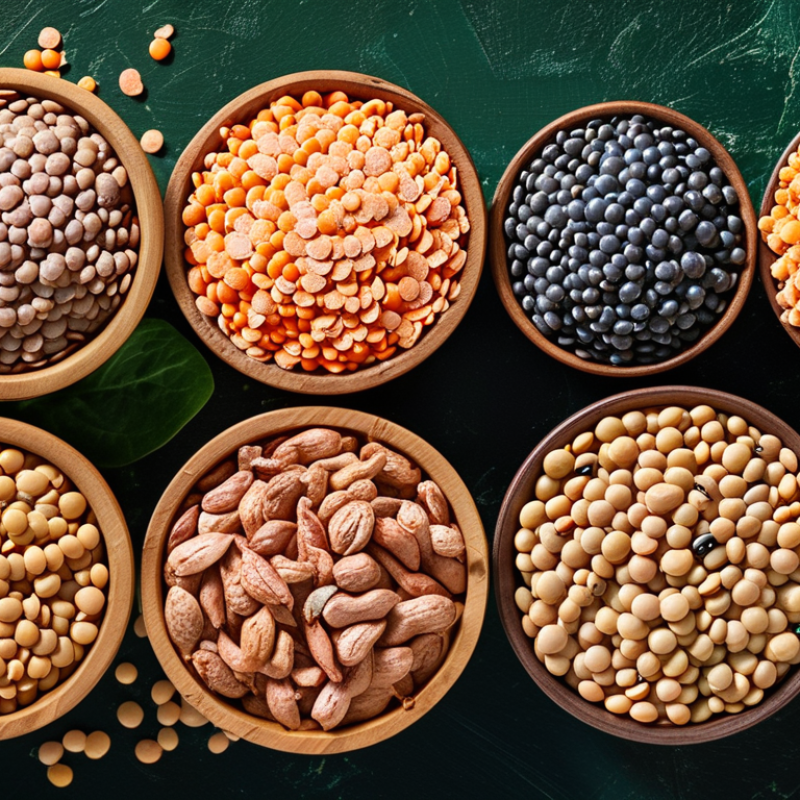
7 Tips Which Plant Proteins Have the Highest Protein?

What Makes a Plant Protein High in Protein?

Plant protein is “high in protein” for more than one reason. Protein density matters: compare grams of protein with total calories, not just serving size. Dry soybeans, lentils, peas, lupin, hemp seeds, and wheat gluten can provide substantial amounts. Cooking changes the comparison because water adds weight without adding protein. Always check the nutrition label.

Tip 1: Compare equal weights or equal calories. A food may appear protein-rich when its serving is unusually large.

Tip 2: Check the protein-to-calorie ratio. This helps distinguish concentrated protein from a fatty seed or a starchy grain.

Tip 3: Look at processing. Protein concentrates and isolates remove much of the starch and fiber, creating a higher protein percentage. They can be useful, but they are not automatically more nutritious.

A high-quality plant protein also provides essential amino acids and is reasonably digestible. Soy and quinoa contain all nine essential amino acids in useful proportions, while many grains and legumes complement each other across the day.

Tip 4: Combine foods thoughtfully, such as beans with rice.
Tip 5: Read the ingredient list for added sugars and excessive sodium.
Tip 6: Consider fiber, iron, and calcium alongside protein.
Tip 7: Match the choice to your needs, allergies, and digestion.

Seitan is protein-dense, but it contains gluten. Some claims oversimplify nutrition. Personal tolerance still matters.

The Top Plant Protein Sources by Protein Content

Tip 1: Compare dry weights carefully. According to USDA FoodData Central, mature soybeans provide about 36 grams of protein per 100 grams. Hemp seeds contain nearly 32 grams, while pumpkin seeds provide around 30 grams. These numbers look impressive, but cooking adds water and lowers protein per 100 grams. The ranking can change.

Tip 2: Choose legumes for everyday meals. USDA data lists raw peanuts at roughly 26 grams of protein per 100 grams. Lentils provide about 25 grams before cooking. A warm lentil bowl feels more practical than eating seeds by the handful. However, these foods also bring calories, fiber, and minerals. Portion size still matters.

Tip 3: Check protein quality, not only quantity. The FAO report Dietary Protein Quality Evaluation in Human Nutrition explains that amino acid balance and digestibility affect protein value. Soy protein is generally considered complete, while many legumes contain less methionine. Pairing lentils with rice can improve amino acid balance. It is useful, not perfect. I still check the original nutrition entry, because variety, processing, and serving size can change the result.

7 Tips Which Plant Proteins Have the Highest Protein? - The Top Plant Protein Sources by Protein Content

Rank Plant Protein Source Protein
per 100 g
Calories
per 100 g
Dietary Fiber
per 100 g
Useful Protein Tip
1 Hemp Seeds 31.6 g 553 kcal 4.0 g Add to oatmeal, salads, smoothies, or yogurt alternatives.
2 Pumpkin Seeds 30.2 g 559 kcal 6.0 g Use as a crunchy topping while keeping portions moderate because seeds are calorie-dense.
3 Dry Soybeans 36.5 g 446 kcal 9.3 g Soy provides a complete protein profile and can be prepared as beans, tofu, or tempeh.
4 Peanuts 25.8 g 567 kcal 8.5 g Choose unsalted peanuts or natural peanut butter for sandwiches and snacks.
5 Dry Lentils 25.8 g 352 kcal 10.7 g A high-protein, high-fiber choice for soups, curries, salads, and grain bowls.
6 Split Peas 24.6 g 341 kcal 25.5 g Excellent for thick soups and stews, with especially substantial fiber content.
7 Almonds 21.2 g 579 kcal 12.5 g Pair with legumes or whole grains to increase overall meal protein quality.
8 Chickpeas 20.5 g 378 kcal 12.2 g Blend into hummus or add to salads, curries, and roasted vegetable dishes.
9 Quinoa 14.1 g 368 kcal 7.0 g A versatile whole grain with all nine essential amino acids.
10 Rolled Oats 13.2 g 389 kcal 10.1 g Combine with seeds, nuts, or legumes for a more protein-rich meal.

Note: Values are approximate and based on uncooked, dry foods per 100 g. Cooking changes the weight and nutrient concentration because foods absorb water. Nutrient values can vary by variety, preparation method, and moisture content.

How Soy, Legumes, Seeds, and Grains Compare

7 Tips Which Plant Proteins Have the Highest Protein?

How Soy, Legumes, Seeds, and Grains Compare

Soybeans usually lead the group among whole plant proteins. One cooked cup provides roughly 30 grams of protein. Firm tofu offers about 20 grams per cup, depending on its water content. Tempeh is denser, with approximately 30 grams per cup. These figures can vary. I learned that serving size changes the comparison more than expected.

Tip: Compare equal portions, not package claims alone.

Legumes remain practical and affordable. One cooked cup of lentils contains about 18 grams of protein. Chickpeas provide around 15 grams, while black beans offer nearly 15 grams. They also bring fiber, iron, and slow-digesting carbohydrates. Seeds are compact but protein-rich. An ounce of pumpkin seeds contains about 8 grams. Hemp seeds provide roughly 9 to 10 grams in three tablespoons. A spoonful is useful, but not always enough for a full meal.

Tip: Add lentils to soup, then sprinkle seeds over the bowl.

Grains generally contain less protein per cooked cup. Quinoa supplies about 8 grams, while oats provide around 6 grams. Still, grains can support a balanced plate when paired with beans or soy. Nutrition labels deserve careful reading. Dry and cooked weights differ greatly. Protein quality also matters, although total daily intake remains important. I sometimes overvalue a single “high-protein” ingredient and forget the whole meal. That is a useful mistake to notice.

Which Plant Proteins Have the Highest Protein?

Protein content comparison across soy, legumes, seeds, and grains.

How to read this chart: Soybeans and seeds provide the highest protein amounts by weight, while legumes offer a strong middle range. Grains generally contain less protein per 100 grams. Values are approximate grams of protein per 100 grams of dry or raw food.

Ways to Measure Protein Quality and Completeness

When comparing plant proteins, measure more than grams on the label. Start with the cooked serving, because water can greatly change protein density. Soy foods, seitan, lentils, chickpeas, peas, and pumpkin seeds can provide substantial amounts. However, “highest protein” depends on serving size, preparation, and your total meal.

Protein quality reflects digestibility and essential amino acid balance. PDCAAS is widely used, but it can give a maximum score of 1.0. DIAAS examines amino acids after digestion and may offer a sharper comparison. Neither method is perfect. Data can vary with processing, cooking, and testing conditions. Look for leucine and other essential amino acids, especially when supporting muscle repair. A lower score does not make a food useless.

Check the limiting amino acid. Grains often provide less lysine, while many legumes provide less methionine. Eating both across the day can improve overall completeness. Add lentils to rice, or spread hummus on whole-grain bread. Measure total daily protein, not one isolated food. Fiber, iron, digestion, and personal tolerance also matter. I once judged protein quality only by numbers. That was too simple. Some labels are confusing, and real meals rarely match laboratory conditions.

How to Choose Plant Proteins for Different Dietary Needs

7 Tips: Which Plant Proteins Have the Highest Protein?

How to Choose Plant Proteins for Different Dietary Needs

Protein content depends on serving size, cooking, and processing. USDA FoodData Central lists boiled soybeans at about 16.6 grams per 100 grams. Cooked lentils provide roughly 9 grams, while chickpeas offer about 8.9 grams. Dry hemp and pumpkin seeds contain more than 30 grams per 100 grams, but they also deliver many calories. Compare like with like.

For vegan athletes, combine soy foods, lentils, peas, and whole grains across the day. The International Society of Sports Nutrition suggests 1.4–2.0 grams of protein per kilogram daily for exercising adults. For gluten-free diets, choose lentils, beans, quinoa, tofu, or certified gluten-free products. Seitan can be protein-rich, but it contains wheat gluten. Read labels carefully. For kidney concerns, protein targets require professional guidance, not internet guesses. Sodium also matters in canned and highly processed foods; rinsing beans can reduce surface salt.

Check the protein per serving first. Then check fiber, sodium, and added ingredients. The FAO protein-quality report emphasizes amino-acid patterns and digestibility, not protein numbers alone. Soy and quinoa provide relatively complete amino-acid profiles. Legumes paired with grains can improve dietary balance, though they need not appear in the same meal. I once overvalued seed protein because the label looked impressive. The calorie cost changed my choice. Needs differ. Pure numbers mislead.

FAQS

Which whole plant proteins usually provide the most protein?

Soybeans and tempeh provide roughly 30 grams per cooked cup. Firm tofu offers about 20 grams, depending on water content. These figures vary.

How much protein do common legumes provide?

One cooked cup of lentils contains about 18 grams. Chickpeas and black beans provide nearly 15 grams each. They also add fiber, iron, and slow-digesting carbohydrates.

Are seeds better protein sources than legumes?

Seeds are compact and protein-rich, but portions are usually smaller. One ounce of pumpkin seeds provides about 8 grams, while three tablespoons of hemp seeds provide 9–10 grams. A spoonful may not complete a meal.

Which grains contain meaningful amounts of protein?

Quinoa provides about 8 grams per cooked cup. Oats provide around 6 grams. Pair grains with beans or soy for a more balanced plate.

Why should cooked and dry protein amounts be compared carefully?

Cooking changes food weight through water absorption. Dry seeds may exceed 30 grams of protein per 100 grams, but they also contain many calories. Compare equal portions.

What should vegan athletes consider when choosing plant proteins?

Combine soy foods, lentils, peas, and whole grains throughout the day. Exercising adults may need about 1.4–2.0 grams of protein per kilogram daily. Individual needs differ.

Which plant proteins may suit a gluten-free diet?

Lentils, beans, quinoa, tofu, and certified gluten-free products can fit gluten-free eating. Wheat-based protein foods are unsuitable unless clearly verified. Read the label.

What should people with kidney concerns know about plant protein?

Protein targets should come from a qualified healthcare professional. Internet estimates can be misleading. Sodium also matters, especially in canned foods; rinsing beans can reduce surface salt.

Is the highest protein number always the best choice?

No. Check protein, fiber, sodium, calories, and added ingredients together. I sometimes overvalue an impressive seed label, then notice the calorie cost. Pure numbers mislead.

Conclusion

Choosing the right plant protein starts with understanding both protein concentration and nutritional quality. This article explores which vegetal proteins have the highest protein content, comparing soy foods, legumes, seeds, and grains. Soybeans and their minimally processed foods generally provide a high amount of protein per serving, while lentils, peas, chickpeas, hemp seeds, pumpkin seeds, and quinoa also offer valuable plant-based protein. However, protein content is only one part of the picture. Digestibility, amino acid balance, serving size, and preparation methods all influence how effectively the body can use the protein.

The article also explains how to assess protein quality and combine different sources to obtain all essential amino acids. For example, pairing legumes with grains can create a more balanced meal, while seeds can add protein, healthy fats, and minerals. Different dietary needs may call for different choices, such as higher-protein options for athletes, nutrient-dense foods for families, or easily digestible sources for sensitive diets. Overall, variety and balance are key to building a nutritious plant-based eating pattern.

Mason

Mason

Mason is a seasoned marketing professional with a deep expertise in the company's offerings and a passion for driving brand awareness. With a strong background in digital marketing strategies, he has an innate ability to connect with diverse audiences and effectively communicate product benefits.......