Explore our core portfolio of certified natural, water-soluble, and organic vegetal proteins engineered for optimal nutrition and industrial functionality.
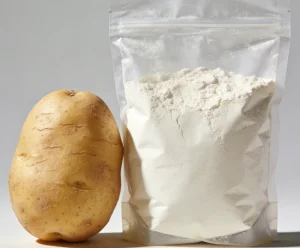
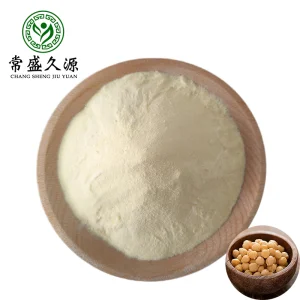
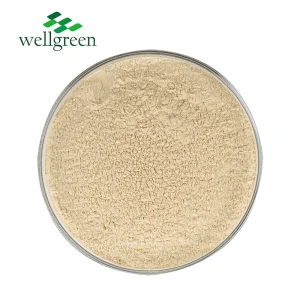
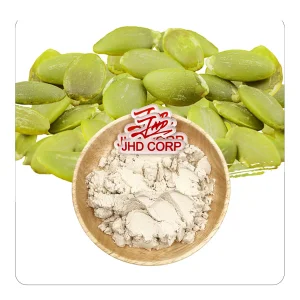
As global industries pivot toward sustainable materials and functional clean-label ingredients, vegetal protein coatings have emerged as a critical technology. Formed by cross-linking hydrophobic and hydrophilic plant proteins, these bio-macromolecular films act as highly efficient gas, lipid, and moisture barriers. By utilizing specialized plant protein isolates (such as soy, pea, wheat, and potato), Hangzhou Entry Bio Co., Ltd. designs advanced coating formulations that extend food shelf life, preserve nutritional integrity, and offer biodegradable alternatives to petroleum-derived synthetic polymers.
The performance of a plant protein coating relies heavily on its structural matrix. Plant proteins contain a complex arrangement of amino acids that can be modified to establish robust networks. Through controlled thermal, mechanical, or enzymatic hydrolysis, we expose hidden hydrophobic groups within the protein folding structure. This exposure enables strong hydrogen bonding, hydrophobic interactions, and disulfide linkages during film formation. Key physical behaviors include:
Unmodified plant proteins often yield brittle films with high water sensitivity. To address these limitations, our R&D center applies food-safe cross-linking agents (e.g., transglutaminase, citric acid) and thermal treatments to optimize polymer density. These treatments align the protein chains to form a dense, uniform structure. This structure resists water dissolution and maintains its protective barrier even under humid transportation conditions, fulfilling the rigorous performance criteria of global food processors.
How our custom-tailored plant protein coatings resolve critical technical challenges across diverse sectors.
Applied directly to fresh fruits, vegetables, and processed meats, our edible protein coatings act as a natural shield. They slow down respiration, prevent moisture loss, and preserve firmness and color without relying on synthetic chemical preservatives.
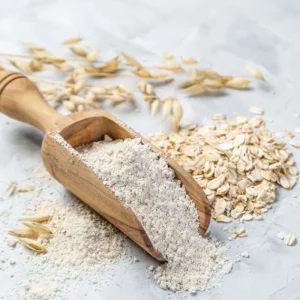
Our CE-certified hydrolyzed proteins (like oat, rice, and pea isolates) serve as clean-label enteric and moisture barriers for tablets, capsules, and microencapsulated vitamins, protecting sensitive active ingredients from stomach acids.
We supply paperboard packaging factories with plant-based protein binders and dispersion coatings that provide grease resistance and printability. These bio-coatings offer a sustainable, fully compostable alternative to PE and PFAS coatings.
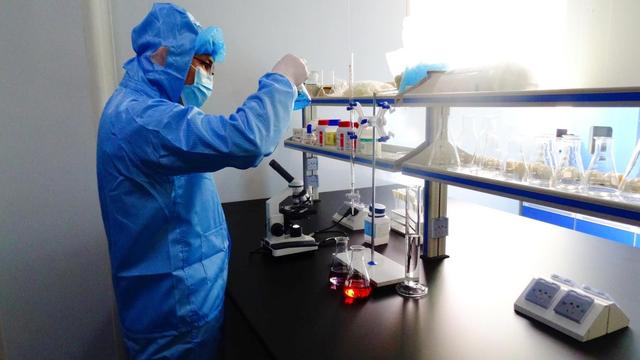
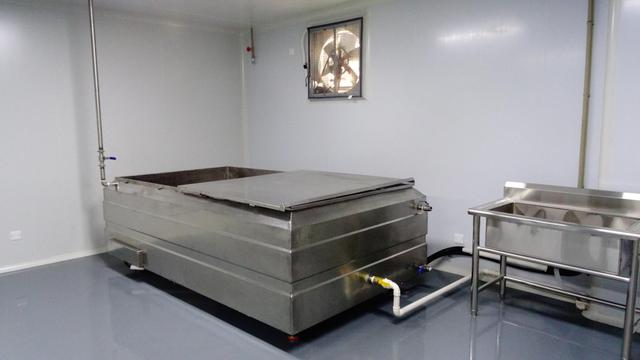
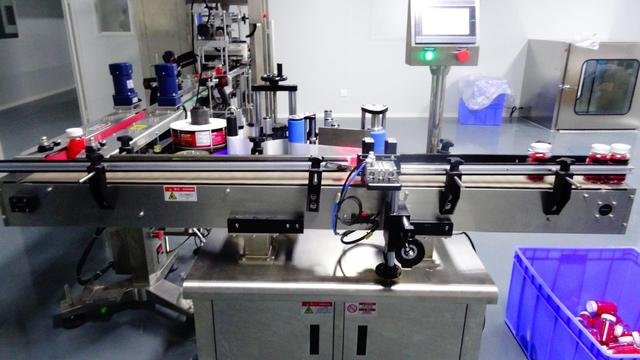
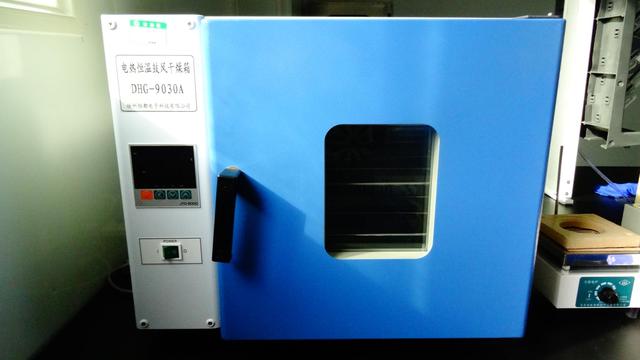
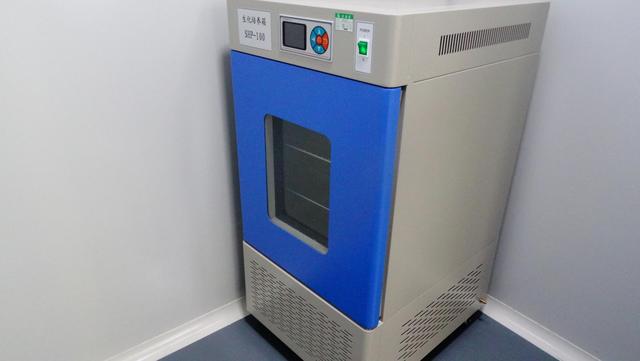
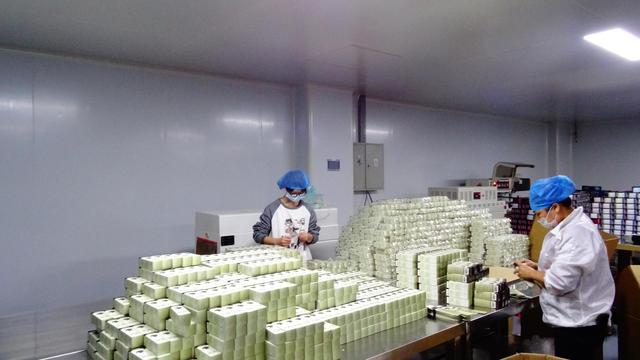
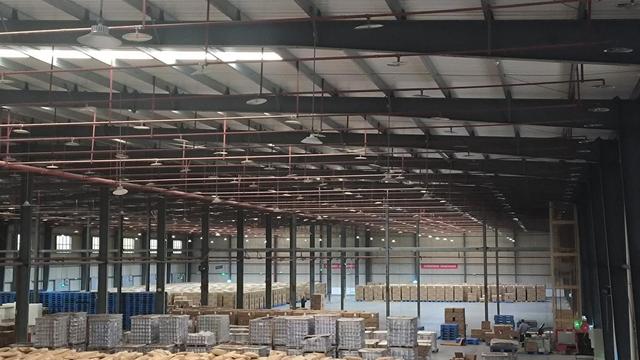
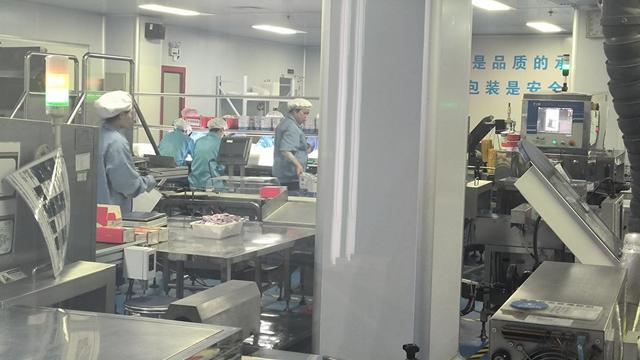
Our production facilities utilize automated processing, rigorous quality testing, and advanced green extraction technologies.
Hangzhou Entry Bio Co., Ltd. operates a modern, high-capacity plant protein processing facility designed to meet the demands of global manufacturers. Our "China Factory 4.0" initiative integrates real-time process monitoring, automated spray dryers, and advanced ultrafiltration systems. This setup ensures consistent batch-to-batch quality while maximizing resource and energy efficiency.
To support high-volume global procurement, we maintain a resilient supply chain with direct access to non-GMO agricultural regions. By implementing a fully vertical production model—from raw material sorting and extraction to enzymatic hydrolysis and final packaging—we mitigate price volatility and guarantee year-round availability. Our physical and chemical quality control lab uses advanced High-Performance Liquid Chromatography (HPLC) to test active peptide fractions and confirm purity across all batches.


Pioneering the next generation of biopolymer coatings through active research and development.
We are incorporating cellulose nanocrystals (CNCs) and safe inorganic nanoparticles into the plant protein matrix to improve gas barrier performance and tensile strength under high humidity.
Our research team is developing active coatings that integrate natural antimicrobial agents (like nisin and rosemary extract) directly into the protein film, enabling controlled release to prevent food spoilage.
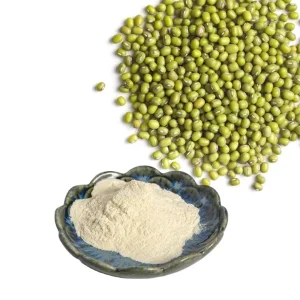
By refining enzymatic hydrolysis processes, we continue to improve the dissolution profiles and mechanical properties of specialized proteins, such as our potato and mung bean isolates, for clear beverage and film applications.
Ensuring regulatory compliance, reliable supply chains, and local support across international markets.
Our plant-based protein coatings comply with European CE standards, FDA regulations, Halal, Kosher, and USDA Organic requirements, ensuring seamless import and distribution processes.
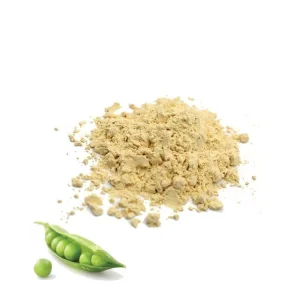
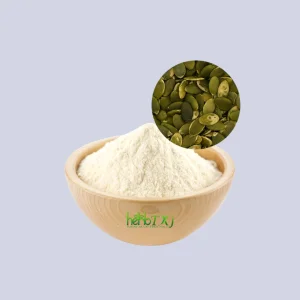
We operate regional warehouses in the US and Europe to maintain safety stock and shorten lead times. This network supports prompt delivery of bulk ingredients like pumpkin, pea, and soy protein.
Our technical team provides localized application support. We assist with trial design, formulation adjustments, and regulatory documentation to align with your specific product requirements.
Functional plant proteins, textured vegetable proteins (TVP), and specialty crops for clean-label food systems.
A trusted global supplier of clean-label vegetal proteins and functional food-grade protein formulations.
Hangzhou Entry Bio Co., Ltd. is a leading China vegetal protein manufacturer specializing in the research, production, and global supply of high-quality plant protein ingredients and food-grade protein solutions. With a strong commitment to innovation, quality, and sustainability, the company serves customers across the food, beverage, nutrition, and health industries worldwide.
Leveraging advanced manufacturing technologies and strict quality management systems, Hangzhou Entry Bio Co., Ltd. offers a comprehensive portfolio of plant-based ingredients, including soy protein, pea protein, rice protein, textured vegetable protein, and customized protein blends. These products are widely used in meat alternatives, dairy alternatives, sports nutrition, functional foods, bakery products, beverages, and nutritional supplements.
Quality and food safety are at the core of the company's operations. From raw material sourcing to finished product delivery, every production stage is carefully monitored to ensure consistent quality, purity, and performance. The company adheres to international quality standards and continuously invests in product innovation to meet the evolving demands of the global plant-based market.
As a reliable plant protein ingredients supplier, Hangzhou Entry Bio Co., Ltd. also provides professional technical support and customized formulation services, helping customers develop competitive and market-oriented products. Backed by an experienced R&D team and efficient supply chain management, the company is capable of delivering tailored solutions for diverse application requirements.
Dedicated to promoting sustainable nutrition and healthy lifestyles, Hangzhou Entry Bio Co., Ltd. strives to be a trusted global partner for food manufacturers seeking premium vegetal proteins and innovative food-grade protein solutions.
Technical answers to common questions about plant protein coatings, bulk sourcing, and regulatory compliance.
 Entry Biology