Explore our foundational range of clean-label, bio-available plant-based protein isolates, concentrates, and specialized enzymatic peptides.

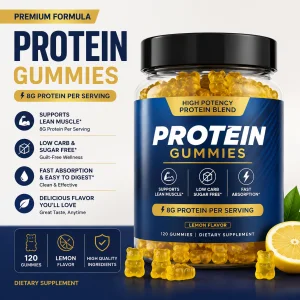
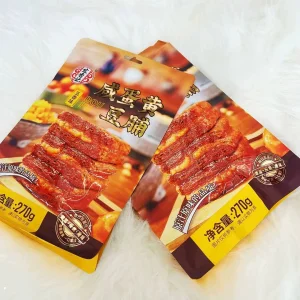
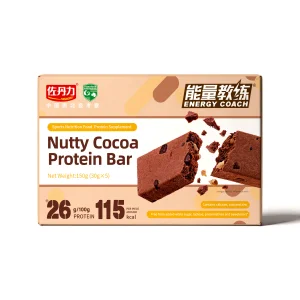
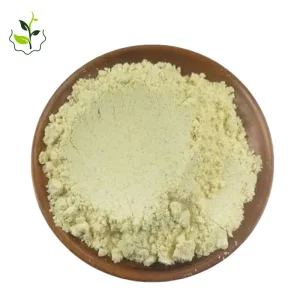
Hangzhou Entry Bio Co., Ltd. is a leading China vegetal protein manufacturer specializing in the research, production, and global supply of high-quality plant protein ingredients and food-grade protein solutions. With a strong commitment to innovation, quality, and sustainability, the company serves customers across the food, beverage, nutrition, and health industries worldwide.
Leveraging advanced manufacturing technologies and strict quality management systems, Hangzhou Entry Bio Co., Ltd. offers a comprehensive portfolio of plant-based ingredients, including soy protein, pea protein, rice protein, textured vegetable protein, and customized protein blends. These products are widely used in meat alternatives, dairy alternatives, sports nutrition, functional foods, bakery products, beverages, and nutritional supplements.
Quality and food safety are at the core of the company's operations. From raw material sourcing to finished product delivery, every production stage is carefully monitored to ensure consistent quality, purity, and performance.
Discover how scale, raw material vertical integration, and advanced bioprocessing technology position Chinese factories at the center of the global vegetal ingredient supply chain.
Chinese manufacturers benefit from a vast geographic agricultural base. Strategic factory placement near primary crop regions (such as Heilongjiang for non-GMO soy and Inner Mongolia for yellow peas) eliminates intercontinental raw transit times and preserves botanical protein integrity prior to isolation.
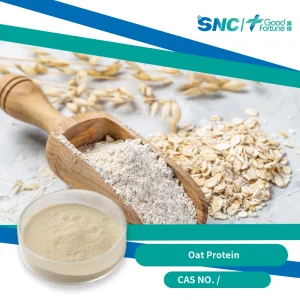
By employing modern bioreactor setups, factories execute highly controlled enzymatic processes. This breaks down complex polypeptides into short-chain peptides (like oat and soy peptides), guaranteeing rapid metabolic uptake and eliminating bitter hydrophobic amino acid notes.
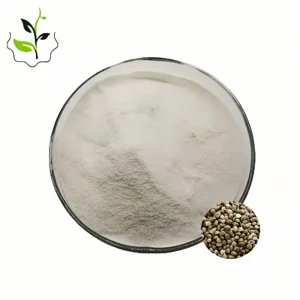
From water-soluble pumpkin seed extract to low-carb hemp seed protein, Chinese processing hubs provide unique, allergen-friendly alternatives to dairy. These clean-label plant protein products exhibit low thermal gelation temperatures and superior fat-emulsification properties.
Addressing structural, organoleptic, and nutritional barriers in plant-based food formulation.
Replicating animal muscle tissue requires proteins with exceptional gelling strength and fiber-forming capabilities. Our high-purity soy protein isolates and textured vegetable proteins (TVPs) maintain structural elasticity, water-holding capacity (WHC), and lipid retention even after intense extrusion processing.
Classic plant proteins present solubility issues in low-pH drinks. Our 100% water-soluble pea and oat peptide powders are engineered through targeted membrane filtration, ensuring complete optical clarity, zero sedimentation, and stable suspension without sandiness.
The global shift toward plant-based diets demands raw materials that offer both functional performance and cost efficiency.
1. Transition to Allergen-Free Formulations: Due to soy allergies, global brands are shifting focus toward pea, hemp, and oat proteins. These ingredients bypass allergen labeling regulations while providing rich, complete branched-chain amino acid (BCAA) profiles.
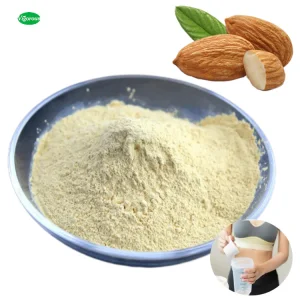
2. Bio-Active Peptides for Active Nutrition: Standard proteins take hours to digest. Hydrolyzed protein peptides bypass regular digestive pathways, entering the bloodstream directly for faster muscle recovery and reduced post-workout soreness.
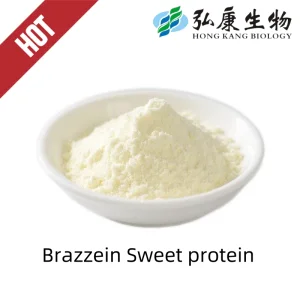
3. Natural Sweetening Innovations: Beyond structural protein, sweet proteins like Brazzein (SP200) are transforming low-calorie sweetening. As a natural, high-intensity protein sweetener, it matches the sweetness curve of sugar without triggering insulin spikes.
4. Strict Heavy Metal & Pesticide Control: Modern food safety authorities require minimal trace contaminants. Leading Chinese factories implement strict incoming raw material testing via high-performance liquid chromatography (HPLC) and inductively coupled plasma mass spectrometry (ICP-MS).
5. Carbon Neutrality & Sustainable Sourcing: Environmental efficiency is a key buying parameter. Our factories optimize water recirculation systems and leverage local crop sourcing to minimize carbon output per metric ton of processed isolate.
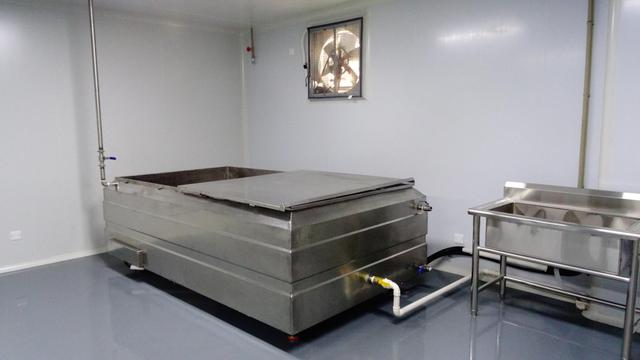
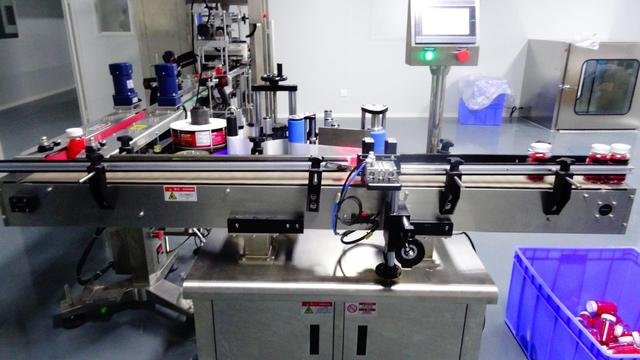
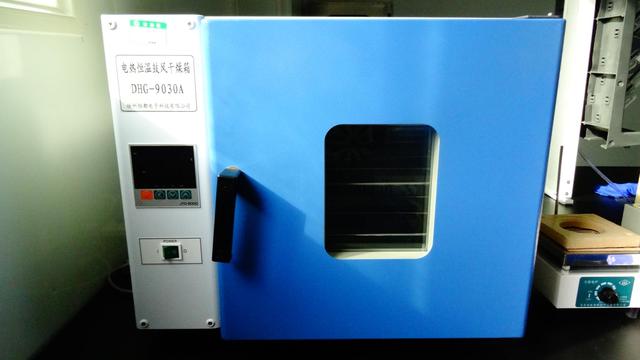
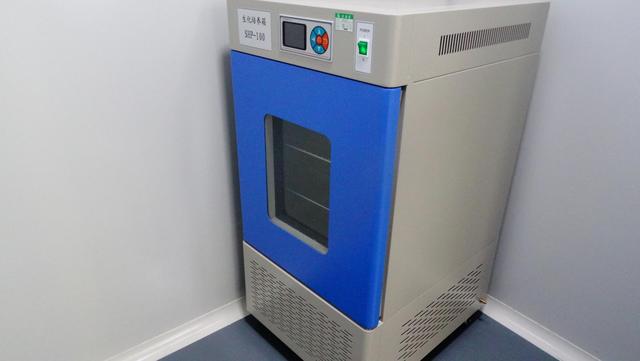
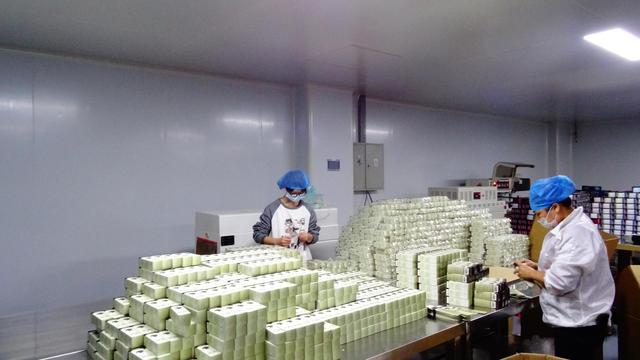
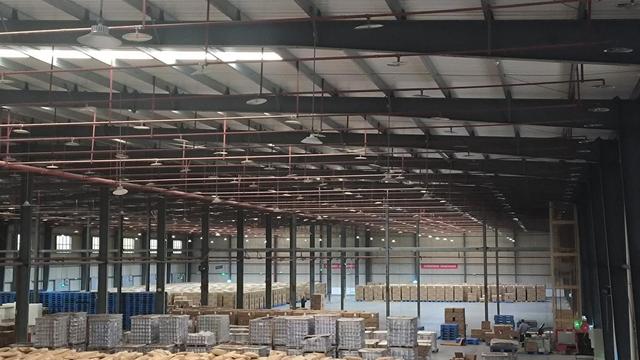
Inside Hangzhou Entry Bio's state-of-the-art processing facilities, extraction lines, and quality control laboratories.




Get answers to common technical, formulation, and supply chain questions from our R&D and QA engineering teams.
Explore our targeted, functional plant proteins and specialty sweeteners developed for active nutrition and wellness applications.
 Entry Biology