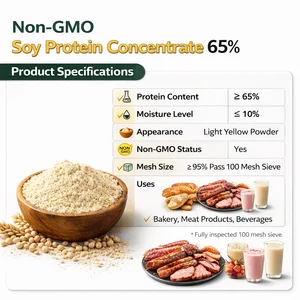
Global functional foods and high-protein sports supplements are shifting towards allergen-free, plant-derived proteins. Formulators are actively replacing soy with Pea, Fava Bean, and Hemp Seed proteins to target allergen-sensitive markets.
Over-reliance on single-region sourcing is a primary operational risk. By integrating diverse agricultural processing origins like China, international enterprises secure volume stability, non-GMO compliance, and price hedges.
Under Google's Search Quality Evaluator Guidelines, sourcing entities demand transparent information concerning plant extraction parameters, heavy metal tolerances, pesticide mitigation, and direct-from-factory batch validation.
Consumer shift from conventional chemical extractions to physical, enzymatic, and clean-label processes has redefined global protein powder trade flows. Today's procurement agents require a granular understanding of extraction efficiency, protein solubility indexes (NSI), and amino acid profiles before confirming bulk purchase orders.
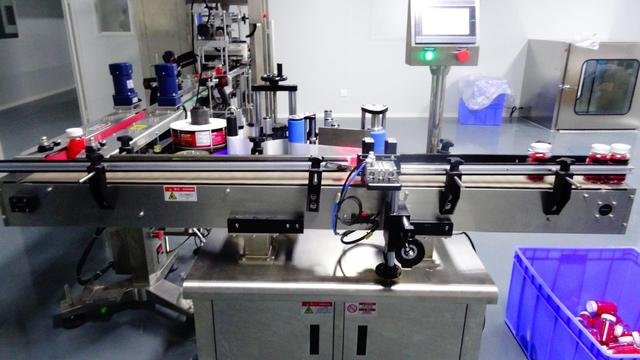
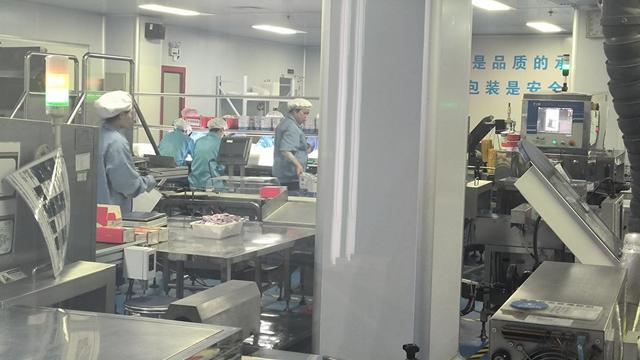
In China, the modern production of protein isolates and concentrates (specifically Soy Protein Isolate, Pea Protein, Fava Bean Protein, and Pumpkin Seed Extract) has transcended conventional manual manufacturing. Advanced facilities employ integrated DCS (Distributed Control Systems) to monitor critical parameters in real-time, including chemical wash temperatures, precipitation pH levels, spray dryer pressures, and high-velocity membrane filtration cycles.
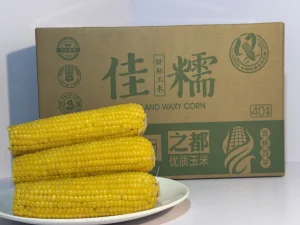
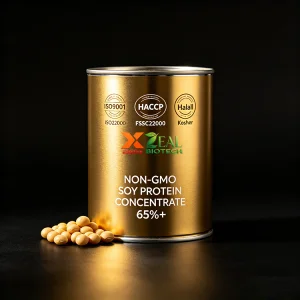
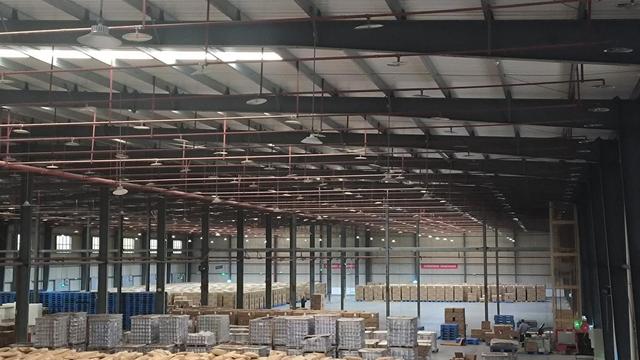
This deep level of automation guarantees that chemical properties such as water binding capacity, fat absorption, gel strength, and foaming ability remain highly consistent across batches. Moreover, the proximity of processing plants to massive agricultural basins (such as Non-GMO soy and yellow corn crops in Northern China) optimizes transportation logistics, significantly minimizing carbon footprint and overall production cost structures.
By shifting plant slurries to their specific isoelectric point (typically pH 4.2–4.5 for soy and pea proteins), we achieve peak protein precipitation. This isolates the pure protein faction from soluble fibers and carbohydrates, driving purity above 90%.
Utilizing targeted, food-grade exopeptidases and endopeptidases, the bitter taste profile and characteristic "beany" off-notes are broken down. This process enhances the organoleptic profile without altering nutritional value, perfect for dairy alternatives.
State-of-the-art ceramic membrane separation allows concentration at low temperatures, retaining high protein bio-activity. Subsequent automated spray drying yields customized bulk density and dust-free particle sizes.
Depending on target applications, proteins can be configured to optimize solubility, thermal stability, or viscosity. For instance, sport formulations require instantized isolate powders (WPI or Pea Protein Isolate) treated with sunflower lecithin for instant dispersion in water. Conversely, meat analog formulations demand textured vegetable proteins (TVP) with high fibrous structural integrity and fluid retention capabilities.
One size does not fit all in plant proteins. Our R&D teams customize extraction parameters to match downstream requirements:
| Protein Type | Solubility (NSI) | Primary Application |
|---|---|---|
| Pea Isolate 85% | > 75% | Beverages, RTD Shakes |
| Soy Isolate 90% | > 80% | Meat Processing, Dairy Alternative |
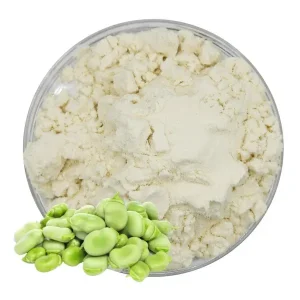
| Fava Bean 90% | > 70% | Allergen-free Nutrition |
| Hemp Seed 60% | > 55% | Organic Superfood Blends |
Importing agricultural proteins into demanding jurisdictions (specifically the European Union and North America) requires absolute compliance with complex sanitary and phytosanitary metrics. In addition to basic chemical assays, B2B procurement processes necessitate trace allergen protocols, Non-GMO Identity Preservation (IP) documentation, and strict limit validation for contaminants like heavy metals (Lead, Cadmium, Arsenic, Mercury), pesticide residues, and mycotoxins.
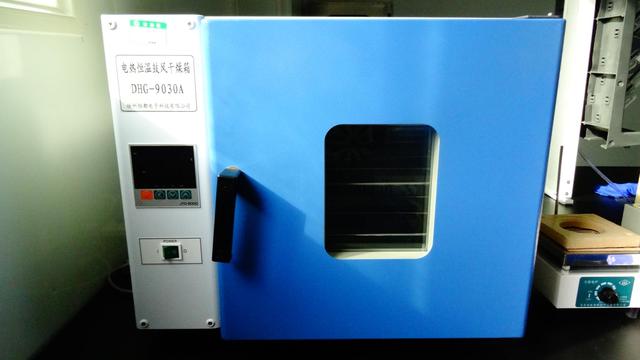
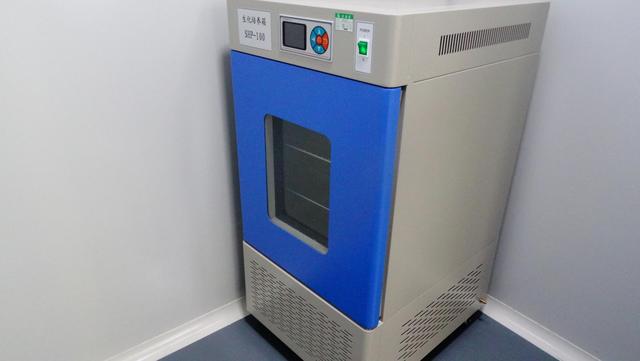
Our plants strictly adhere to internationally recognized food management systems. Through comprehensive hazard analysis and critical control points (HACCP) planning, we eliminate cross-contamination pathways. This strict control allows us to provide continuous global support with recognized food certifications.
Certified organic ranges conforming directly to USDA National Organic Program (NOP) and EU Organic regulations. Sourced from organic arable land without synthetic chemical fertilizer or pesticide interventions.
We supply Kosher and Halal certified products to meet diverse consumer dietary requirements. Audited by third-party religious authorities for ingredient tracing and cleaning protocols.
Our manufacturing sites hold ISO 9001, ISO 22000, and BRCGS Global Standard certifications, ensuring high manufacturing standards for global brand distribution.
Hangzhou Entry Bio Co., Ltd. is a leading China vegetal protein manufacturer specializing in the research, production, and global supply of high-quality plant protein ingredients and food-grade protein solutions. With a strong commitment to innovation, quality, and sustainability, the company serves customers across the food, beverage, nutrition, and health industries worldwide.
Leveraging advanced manufacturing technologies and strict quality management systems, Hangzhou Entry Bio Co., Ltd. offers a comprehensive portfolio of plant-based ingredients, including soy protein, pea protein, rice protein, textured vegetable protein, and customized protein blends. These products are widely used in meat alternatives, dairy alternatives, sports nutrition, functional foods, bakery products, beverages, and nutritional supplements.
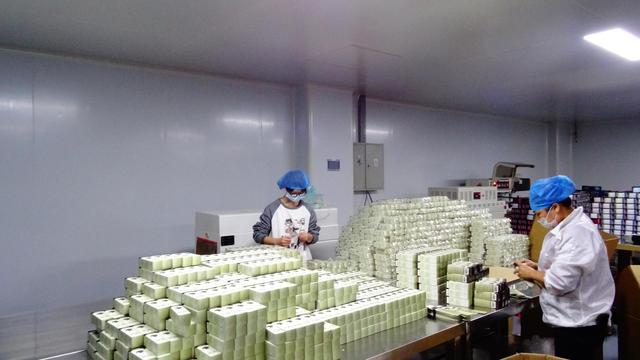
Quality and food safety are at the core of the company's operations. From raw material sourcing to finished product delivery, every production stage is carefully monitored to ensure consistent quality, purity, and performance. The company adheres to international quality standards and continuously invests in product innovation to meet the evolving demands of the global plant-based market.
As a reliable plant protein ingredients supplier, Hangzhou Entry Bio Co., Ltd. also provides professional technical support and customized formulation services, helping customers develop competitive and market-oriented products. Backed by an experienced R&D team and efficient supply chain management, the company is capable of delivering tailored solutions for diverse application requirements.
Dedicated to promoting sustainable nutrition and healthy lifestyles, Hangzhou Entry Bio Co., Ltd. strives to be a trusted global partner for food manufacturers seeking premium vegetal proteins and innovative food-grade protein solutions.
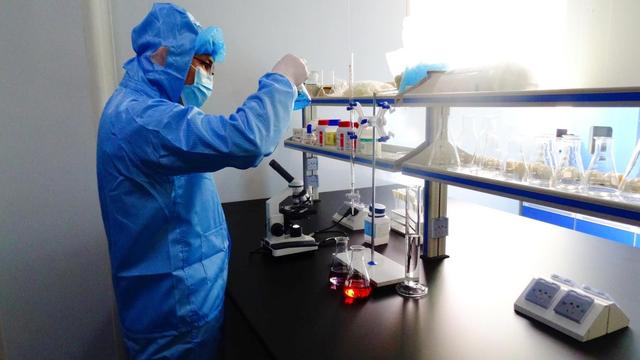
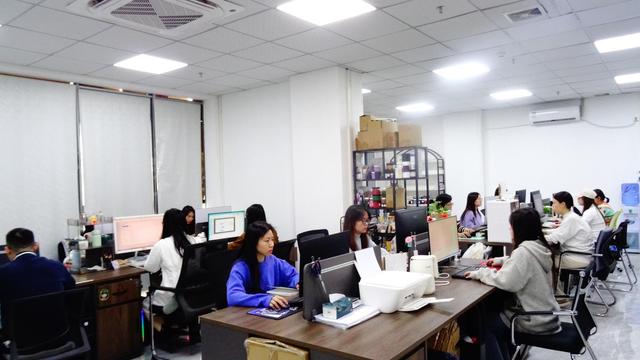
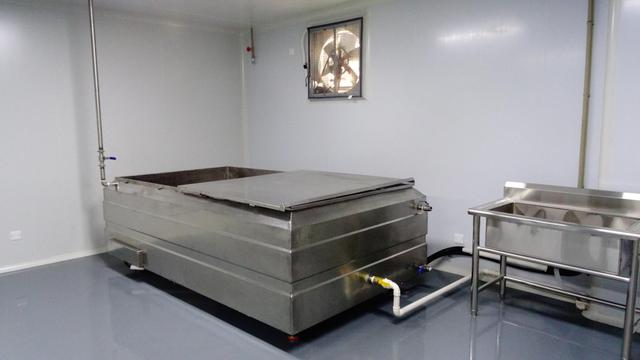

 Entry Biology