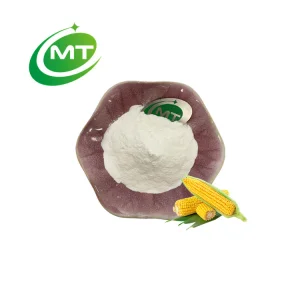
High-purity vegetal proteins and functional derivatives optimized for clean label standards and localized Japanese industrial requirements.
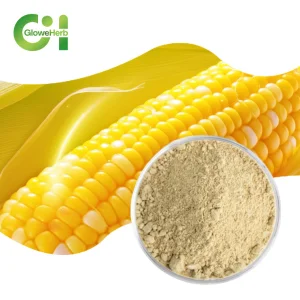
Tokyo, as the commercial and cultural engine of Japan, is undergoing a profound paradigm shift in its food processing, health supplement, and agricultural sectors. The metropolitan food industry is highly characterized by an aging population with elevated health consciousness, a strict regulatory environment governed by the Ministry of Agriculture, Forestry and Fisheries (MAFF), and a robust push toward clean label and non-GMO formulations. Functional food applications, particularly those approved under FOSHU (Foods for Specified Health Uses) and the FFC (Foods with Function Claims) systems, have seen an unprecedented demand for plant-based derivatives.
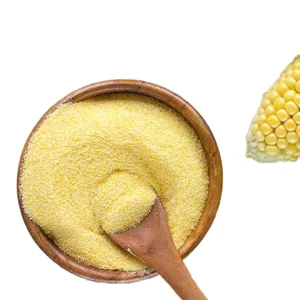
Corn proteins, particularly Zein (maize-derived prolamin) and hydrolyzed corn peptides, have emerged as vital players in Tokyo's industrial ecosystem. Local manufacturers of functional drinks, high-protein supplements, and eco-friendly packaging materials are looking for stable, high-performance replacements for animal-derived ingredients. The push toward carbon neutrality by 2050 has forced conglomerates in Chiyoda, Minato, and Chuo wards to restructure their sourcing methods. This has created a critical need for reliable Chinese corn protein suppliers that can guarantee non-GMO source integrity, trace residues, and low microbial counts.
"The Japanese market demands more than just chemical compliance; it requires structural transparency, raw materials with documented physical-chemical stability, and supply chain continuity that can withstand global logistical bottlenecks."
On a global scale, the plant protein market is experiencing high volatility due to shipping constraints, shifting climate patterns affecting corn yields, and fluctuating input costs. Consequently, macro-industries require suppliers that control the manufacturing process from seed sourcing to enzyme hydrolysis. At Hangzhou Entry Bio Co., Ltd., we mitigate these global risks by operating automated wet-milling lines that yield uniform grain quality, separating the starch and gluten components with surgical precision.
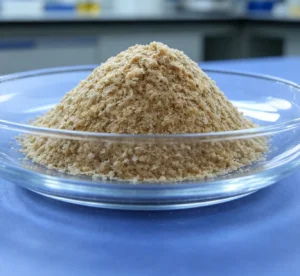
Our macro solutions focus on maximizing the nutritional density of corn gluten meal (CGM) and optimizing the bioactive peptide yields. By isolating specialized polypeptides with low molecular weight distributions (primarily below 1,000 Daltons), we provide global and Japanese buyers with high-solubility proteins that are rapidly absorbed in sports nutrition profiles and clinical diet foods.
To produce high-functioning corn protein, our technical route utilizes a proprietary multi-stage extraction and refinement path. This ensures that the natural hydrophobic properties of corn prolamins (Zein) are either preserved for barrier-coating applications or precisely modified via enzymatic cleavage to yield highly hydrophilic bioactive peptides.
Non-GMO maize kernels are steeped and milled to separate the germ, fiber, and starch. The isolated gluten meal undergoes high-speed centrifugal separation to reach a crude protein concentration exceeding 60%.
Using food-grade endoproteases and exoproteases, the macromolecular corn gluten is hydrolyzed. We target specific peptide bonds to optimize amino acid ratios, notably enrichment in leucine, alanine, and proline.
Advanced membrane filtration separates the hydrolyzed fractions. The result is a highly soluble powder with a uniform molecular weight (<1,000 Da), ideal for transparent beverage formulations without sediment.
Our corn proteins find target applications across multiple industrial and commercial sectors in Tokyo:
Entering the Japanese market requires strict adherence to local regulations. Our products undergo third-party testing to comply with the Positive List System for Agricultural Chemicals. We guarantee heavy metal limits (Pb, As) below the strict thresholds set by the Food Sanitation Act of Japan.
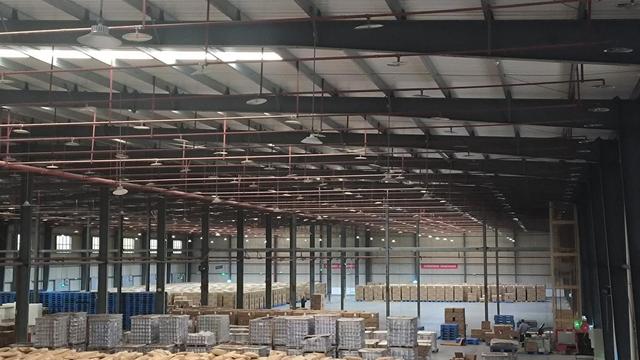
Our logistics network is optimized for Tokyo Port delivery. We offer custom containerization and moisture-barrier packaging (double-layer PE bags inside fiber drums or multi-wall paper bags) to prevent humidity absorption during maritime transport and warehouse storage in Kawasaki or Yokohama.
Hangzhou Entry Bio Co., Ltd. is a leading China vegetal protein manufacturer specializing in the research, production, and global supply of high-quality plant protein ingredients and food-grade protein solutions. With a strong commitment to innovation, quality, and sustainability, the company serves customers across the food, beverage, nutrition, and health industries worldwide.
Leveraging advanced manufacturing technologies and strict quality management systems, Hangzhou Entry Bio Co., Ltd. offers a comprehensive portfolio of plant-based ingredients, including soy protein, pea protein, rice protein, textured vegetable protein, and customized protein blends. These products are widely used in meat alternatives, dairy alternatives, sports nutrition, functional foods, bakery products, beverages, and nutritional supplements.
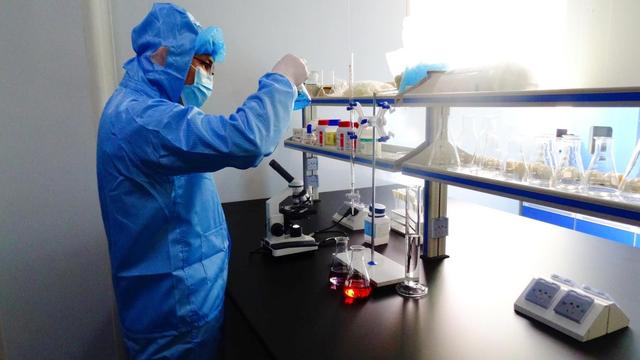
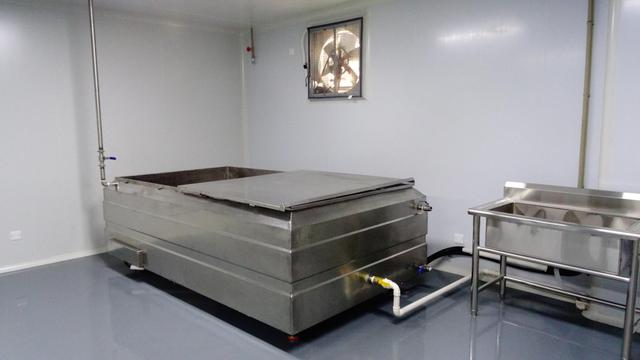
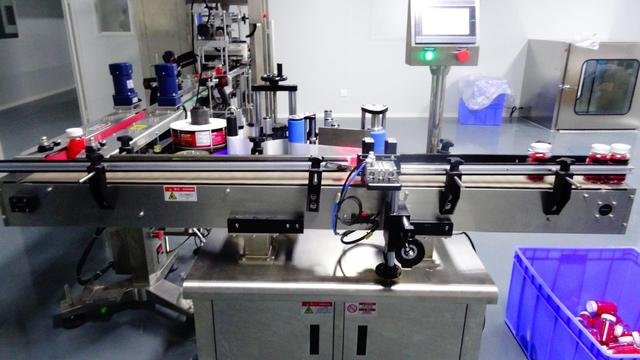
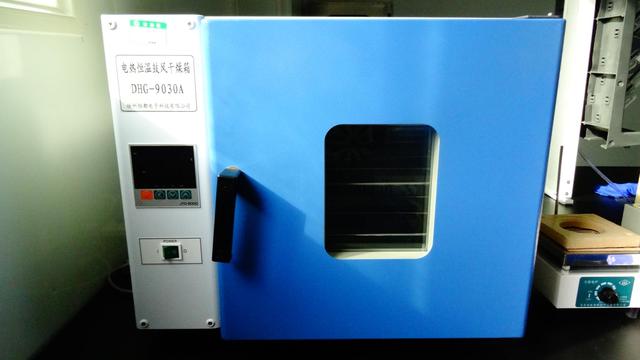
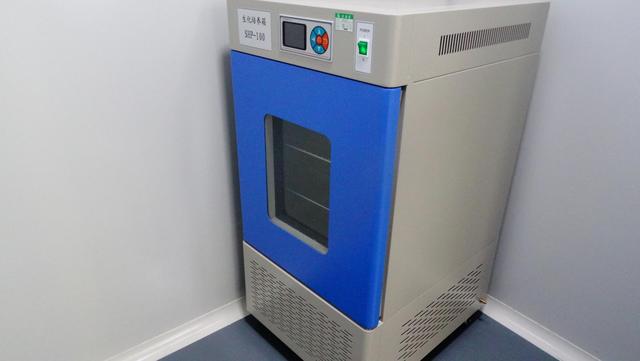
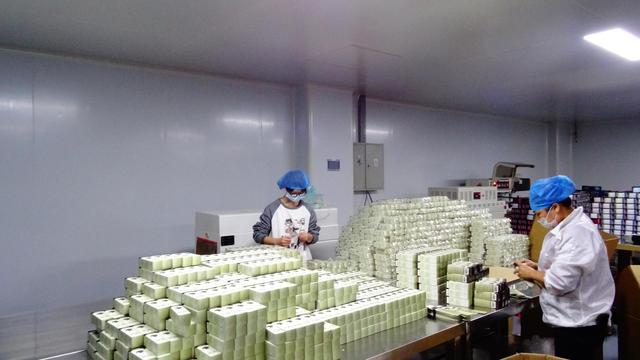
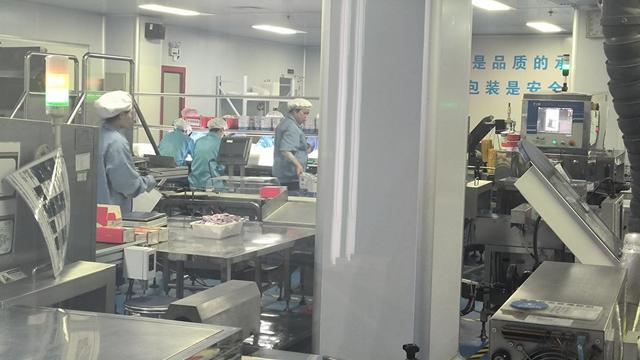
Quality and food safety are at the core of the company's operations. From raw material sourcing to finished product delivery, every production stage is carefully monitored to ensure consistent quality, purity, and performance. The company adheres to international quality standards and continuously invests in product innovation to meet the evolving demands of the global plant-based market.
As a reliable plant protein ingredients supplier, Hangzhou Entry Bio Co., Ltd. also provides professional technical support and customized formulation services, helping customers develop competitive and market-oriented products. Backed by an experienced R&D team and efficient supply chain management, the company is capable of delivering tailored solutions for diverse application requirements.
Dedicated to promoting sustainable nutrition and healthy lifestyles, Hangzhou Entry Bio Co., Ltd. strives to be a trusted global partner for food manufacturers seeking premium vegetal proteins and innovative food-grade protein solutions.


Technical answers resolving specific regulatory, chemical, and application inquiries from Japanese food technologists and procurement managers.
Explore our full selection of feed-grade, food-grade, and aquaculture proteins optimized for Japanese commercial supply lines.

 Entry Biology