A B2B Industry Whitepaper on Plant-Based Peptide Hydrolysis, Functional Applications, and Global Supply Chain Excellence.
In the evolving landscape of global nutraceuticals, food science, and cosmetics, standard macro proteins are rapidly giving way to bioactive peptides. These small-molecule protein fragments, typically consisting of 2 to 20 amino acids, exhibit physiological activities that go far beyond basic nutrition. They act as cellular messengers, modulating metabolic processes, boosting immunological defenses, and improving structural protein synthesis in human tissue.
This comprehensive report highlights the world's leading manufacturing methodologies, evaluates production standards, explores how Chinese manufacturing infrastructure has optimized peptide extraction, and details the top bioactive peptides portfolio currently driving the market.
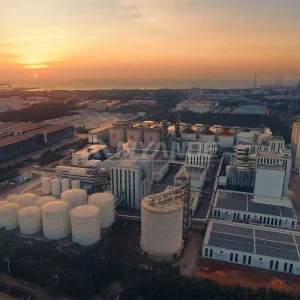
Hangzhou Entry Bio Co., Ltd. is a leading China vegetal protein manufacturer specializing in the research, production, and global supply of high-quality plant protein ingredients and food-grade protein solutions. With a strong commitment to innovation, quality, and sustainability, the company serves customers across the food, beverage, nutrition, and health industries worldwide.
Leveraging advanced manufacturing technologies and strict quality management systems, Hangzhou Entry Bio Co., Ltd. offers a comprehensive portfolio of plant-based ingredients, including soy protein, pea protein, rice protein, textured vegetable protein, and customized protein blends. These products are widely used in meat alternatives, dairy alternatives, sports nutrition, functional foods, bakery products, beverages, and nutritional supplements.
Quality and food safety are at the core of the company's operations. From raw material sourcing to finished product delivery, every production stage is carefully monitored to ensure consistent quality, purity, and performance. The company adheres to international quality standards and continuously invests in product innovation to meet the evolving demands of the global plant-based market.
As a reliable plant protein ingredients supplier, Hangzhou Entry Bio Co., Ltd. also provides professional technical support and customized formulation services, helping customers develop competitive and market-oriented products. Backed by an experienced R&D team and efficient supply chain management, the company is capable of delivering tailored solutions for diverse application requirements.
Our focus lies on small molecule peptide science. Standard proteins must undergo heavy digestive breakdowns in the human stomach. However, our enzymatic hydrolysis technology creates peptides with a molecular weight below 1000 Daltons. These require zero energy to be transported across the intestinal cell wall, yielding close to 100% absorption rates.
Leading manufacturers are using artificial intelligence and machine learning to map out and isolate specific peptide structures. This helps predict how a plant-derived peptide sequence will target bodily functions like blood pressure control, skin structure regeneration, or immunomodulation.
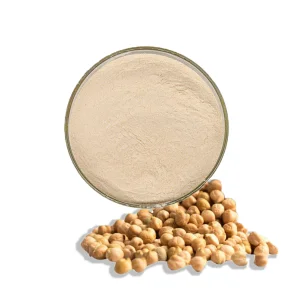
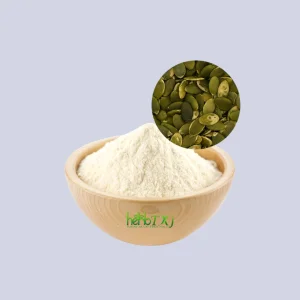
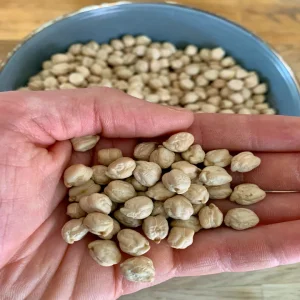
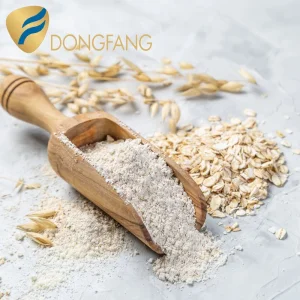
While soy remains a nutritional gold standard, there is an industry-wide push towards soy-free and dairy-free options. The growth of pea, chickpea, oat, and pumpkin seed peptides is accelerating, driven by demand for hypoallergenic clean-label ingredients.
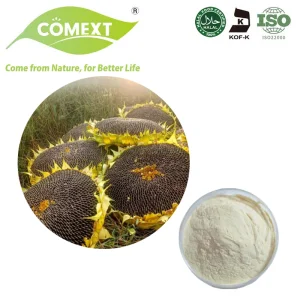
Sustainability is driving innovation in raw materials. Modern factories extract bioactive peptides from agricultural byproducts—like the press cake left over after cold-pressing plant seeds for oil. This circular manufacturing model lowers costs and reduces waste.
China has established itself as the global leader in vegetal protein processing and peptide refinement. This dominance isn't just about scale; it's a combination of raw material proximity, technological innovation, and integrated supply chains.
By operating in close proximity to massive agricultural hubs (such as Heilongjiang for non-GMO soy and Inner Mongolia for pumpkin seeds), Chinese factories secure stable supplies of raw materials. This setup ensures consistent processing parameters and complete traceability, from field to finished batch.
Modern Chinese facilities use proprietary multi-enzyme systems. Controlling temperature, pH values, and enzyme-to-substrate ratios allows them to target specific peptide linkages. This precision yields consistent molecular weight distributions and clean flavor profiles.
Integrated manufacturing sites handle everything from initial oil extraction to protein isolation, enzymatic hydrolysis, and spray drying. This close-loop production design reduces energy and logistics costs, allowing factories to offer high-purity bioactive peptides at competitive prices.
| Peptide Source | Predominant Molecular Weight | Primary Bioactive Benefits | B2B Application Suitability |
|---|---|---|---|
| Pumpkin Seed Peptide | <500 Da (90%+) | Prostate health support, hair growth stimulation, antioxidant properties | Nutritional supplements, functional capsules, anti-aging cosmetics |
| Oat Peptide | 500 - 1500 Da | Moisture retention, skin barrier soothing, anti-inflammation | Cosmeceuticals, premium hair care, sensitive skin lotions |
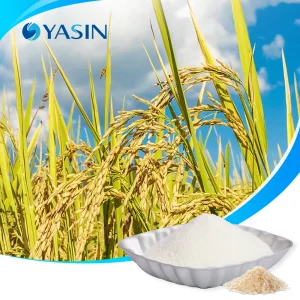
| Rice Peptide | <1000 Da | Allergen-free, muscle preservation, cellular energy production | Hypoallergenic infant formula, clinical recovery foods |
| Soy Peptide | 200 - 800 Da | Rapid post-workout recovery, fatigue reduction, immune modulation | Sports nutrition beverages, health shakes, functional drinks |
Hydrolyzed plant peptides supply quick-absorbing amino acids to muscles, repairing micro-tears faster than standard intact proteins.
Due to their small molecular size, plant peptides stay stable during heating and dissolve easily in water, making them ideal for health drinks.
Oat and rice peptides supply the amino acids required for skin health, encouraging natural collagen production from within.
Because they are hypoallergenic and easy on the digestive tract, plant-based peptides are key ingredients in infant and clinical nutrition products.
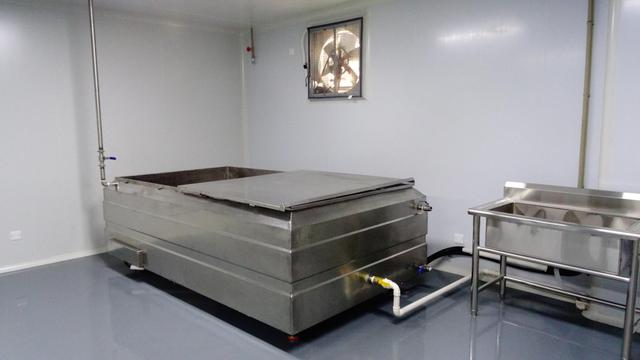
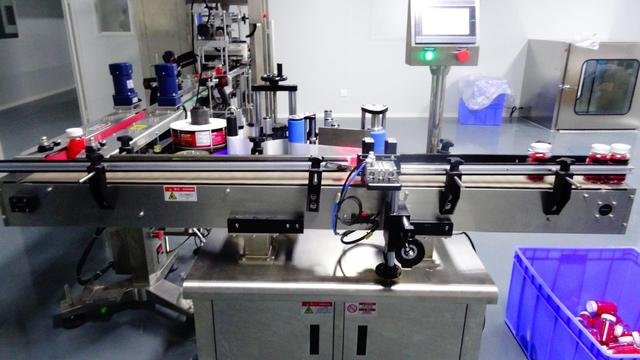
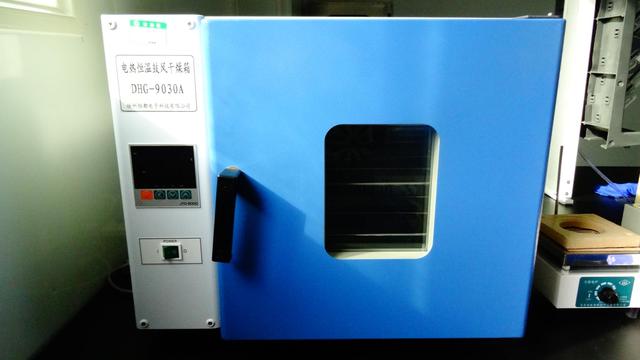
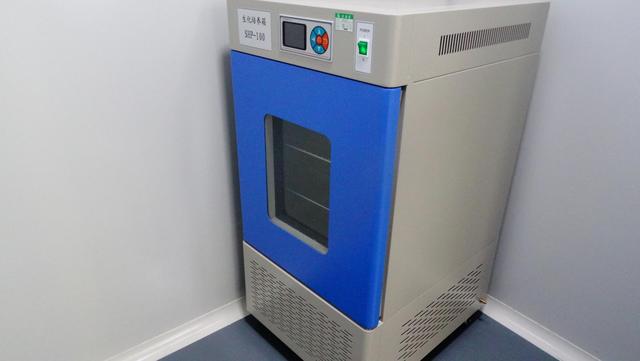
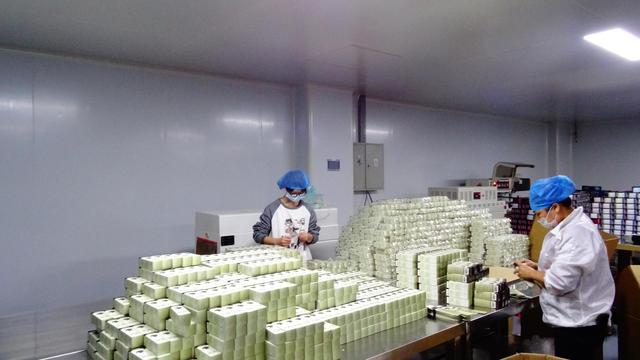
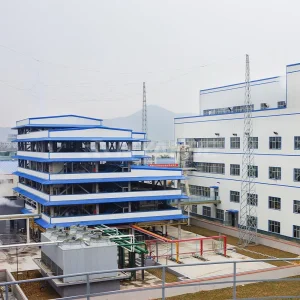
An inside look at our advanced vegetal extraction lines, spray-drying towers, cleanroom packaging, and quality control labs.





 Entry Biology