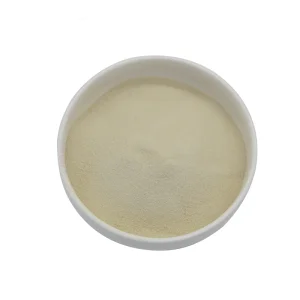
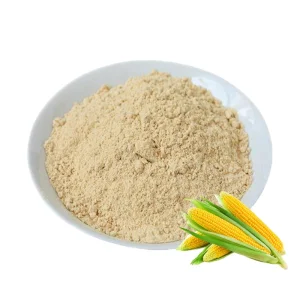
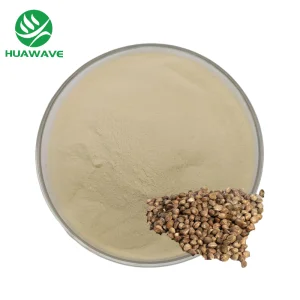
Explore our premium botanical protein concentrates, isolate powders, and small-molecule peptides optimized for superior digestibility and physical properties.
How technological innovation and changing consumer values are redesigning the global functional nutrition space.
Global regulatory pressure and shifting demographics are pushing food manufacturers to transition to lower-carbon-footprint options. Plant-based nutritive proteins present a 70-85% lower greenhouse gas emission profile compared to dairy-based alternatives.
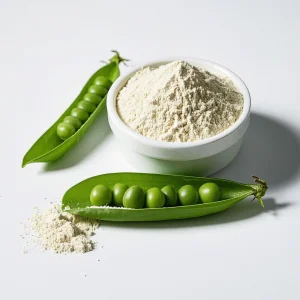
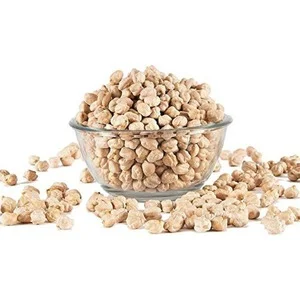
Soy and dairy alternatives are facing market pressure from consumers seeking soy-free, gluten-free, and dairy-free options. The rapid expansion of yellow peas, fava beans, and chickpea raw isolates is fueled by their low-allergen characteristics and status as Non-GMO Project Verified ingredients.
Advancements in enzymatic hydrolysis kinetics allow manufacturers to isolate specific peptides with molecular weights under 1000 Da. This yields highly functional proteins with optimized absorption rates, zero digestive discomfort, and improved solubility in sports beverages.
Solving supply chain volatility, regulatory compliance issues, and physical ingredient quality controls.
Global buyers in regions like North America (FDA) and Europe (EFSA) prioritize safety standards regarding heavy metal residues (Lead, Cadmium, Arsenic, Mercury). Meeting these requirements requires strict soil quality control and specialized water filtration in processing plants.
Additionally, functional properties like water binding capacity, emulsification index, and gelling properties are critical for meat alternatives, high-protein beverages, and baking mixes. By choosing manufacturers with advanced spray-drying facilities and strict separation processes, procurement managers can prevent batch-to-batch inconsistencies.
| Parameter | Industry Standard | Our Factory Spec |
|---|---|---|
| Protein Content (Dry Basis) | 70% - 80% | ≥80% - 90% (Isolates) |
| Mesh Size (Mouthfeel) | 80 - 150 Mesh | 300 Mesh Superfine |
| PDCAAS Score | 0.60 - 0.70 | 0.75 - 0.90 (Blends) |
| Pesticide Residues | Detection Limit | Undetected / ND |
| Aerobic Plate Count | <10000 cfu/g | <3000 cfu/g |
Bringing clean-label, high-purity vegetal proteins and technical formulations to international markets.
Hangzhou Entry Bio Co., Ltd. is a leading China vegetal protein manufacturer specializing in the research, production, and global supply of high-quality plant protein ingredients and food-grade protein solutions. With a strong commitment to innovation, quality, and sustainability, the company serves customers across the food, beverage, nutrition, and health industries worldwide.
Leveraging advanced manufacturing technologies and strict quality management systems, Hangzhou Entry Bio Co., Ltd. offers a comprehensive portfolio of plant-based ingredients, including soy protein, pea protein, rice protein, textured vegetable protein, and customized protein blends. These products are widely used in meat alternatives, dairy alternatives, sports nutrition, functional foods, bakery products, beverages, and nutritional supplements.
Quality and food safety are at the core of the company's operations. From raw material sourcing to finished product delivery, every production stage is carefully monitored to ensure consistent quality, purity, and performance. The company adheres to international quality standards and continuously invests in product innovation to meet the evolving demands of the global plant-based market.
As a reliable plant protein ingredients supplier, Hangzhou Entry Bio Co., Ltd. also provides professional technical support and customized formulation services, helping customers develop competitive and market-oriented products. Backed by an experienced R&D team and efficient supply chain management, the company is capable of delivering tailored solutions for diverse application requirements.
Dedicated to promoting sustainable nutrition and healthy lifestyles, Hangzhou Entry Bio Co., Ltd. strives to be a trusted global partner for food manufacturers seeking premium vegetal proteins and innovative food-grade protein solutions.
Our commitment to engineering the next generation of highly soluble, taste-neutral botanical proteins.
Conventional physical isolation methods are refined to maximize extraction yield while maintaining protein native structures, optimizing initial dispersion levels and protein yields.
Utilizing target-specific food enzymes to cleave volatile beany notes and off-flavors, significantly lowering formulation costs by reducing the need for masking agents.
Engineering specialized Textured Vegetable Protein (TVP) designed to match the physical bite profile, water absorption, and mouthfeel of real chicken or beef muscle tissue.
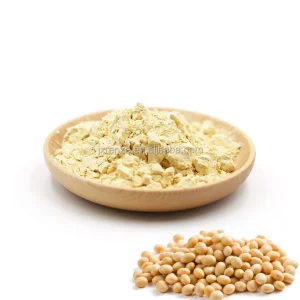
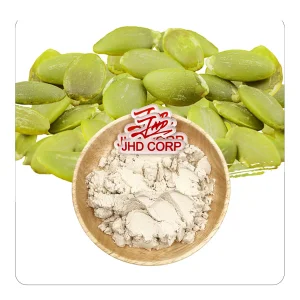
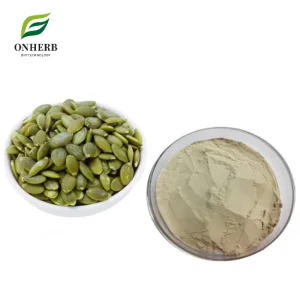
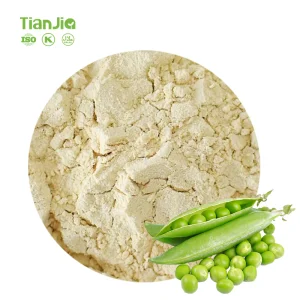
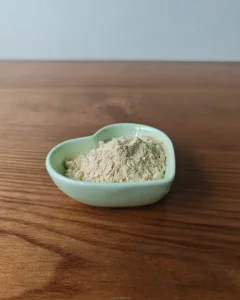
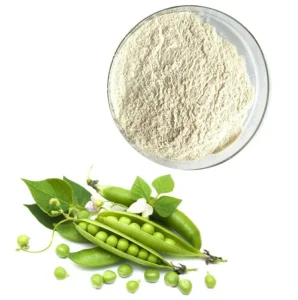
From highly specialized pea and soy isolates to certified organic pumpkin seed protein powders, discover our range of options for nutritional formulations.
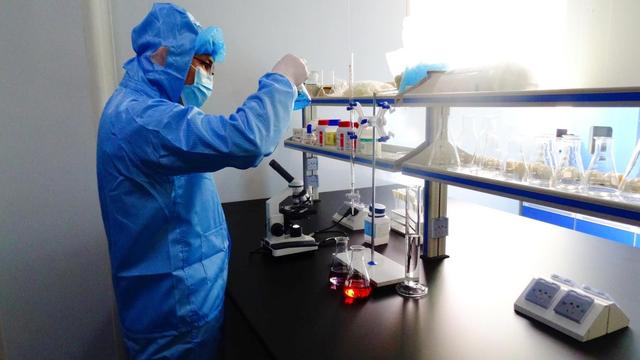
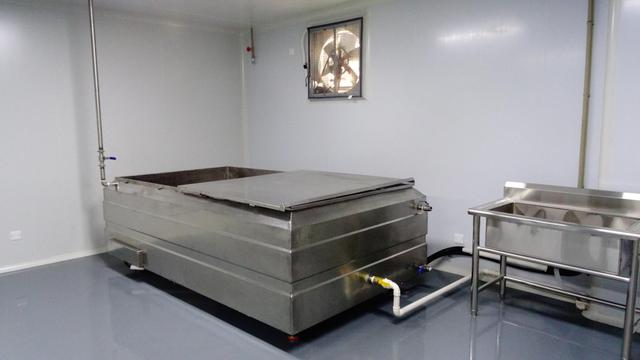
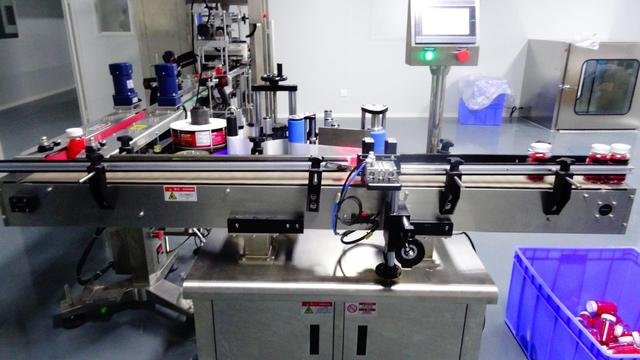
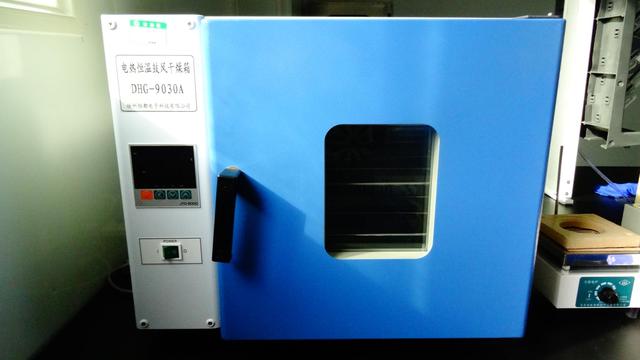
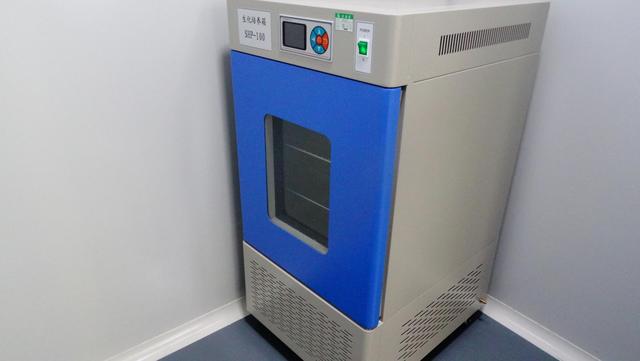
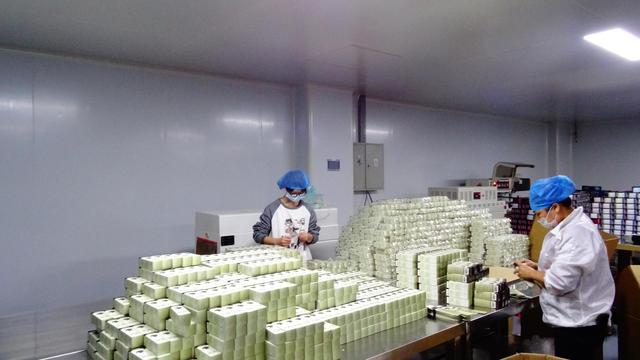
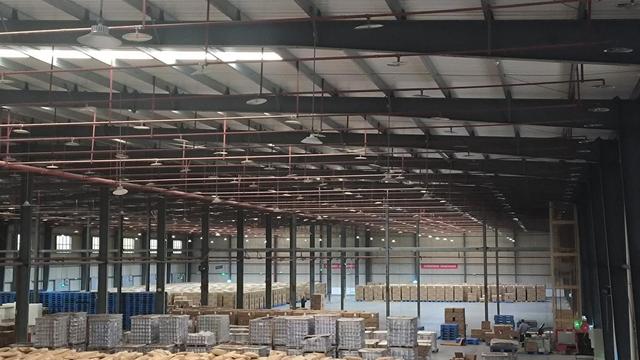
Take an inside look at our advanced manufacturing plants, R&D labs, and clean-room packaging facilities.



Answers to common questions from plant managers, R&D formulators, and supply chain officers.
Our process uses a combination of wet-milling, pH manipulation (isoelectric precipitation), and advanced mechanical separation. This process strips out soluble fibers and sugars, yielding a protein dry-basis assay that meets or exceeds 80-90% purity.
We source raw ingredients from contract farms with strict zoning practices. In the processing plant, dedicated milling lines, PCR testing, and clear segregation protocols are used to ensure identity preservation (IP) throughout production.
Peptides with a molecular weight below 1,000 Daltons do not require intensive digestive breakdown. This improves bioavailability, speeds up muscle absorption, and helps avoid the gastrointestinal issues often associated with heavy protein intake.
By using twin-screw cookers under precise temperature, pressure, and shear conditions, we realign the globular vegetable proteins into linear fibers. This process replicates the fibrous chew, bite structure, and water absorption characteristics of meat.
Our facilities and products hold all major food safety and trade certifications, including ISO 22000, HACCP, GMP, Kosher, Halal, USDA Organic, and EU Organic standards.
Yes, we maintain stock of our high-volume lines (including pumpkin, pea, and soy proteins) at warehouses in both the USA and EU. This allows us to offer 3-to-5-day delivery times for priority regional orders.
 Entry Biology