High-purity isolates, peptides, and organic texturizing solutions for food manufacturers, functional snacks, and cosmetics.
B2B intelligence, processing innovations, and structural quality criteria in modern plant nutrition systems.
The global food landscape is undergoing a structural transformation. Food manufacturing buyers no longer seek simple, single-source protein fillers. Today, the priority is finding a Textured Protein Products Supplier capable of delivering consistent texturizing properties, neutral taste profiles, and clean-label compliance. Textured Vegetable Proteins (TVP) and protein isolates are core scaffolding blocks in recreating realistic muscle-fiber matrices for meat alternatives, increasing crumb structure stability in gluten-free bakery items, and optimizing viscosity in ready-to-drink (RTD) meal replacements.
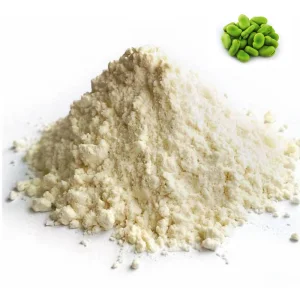
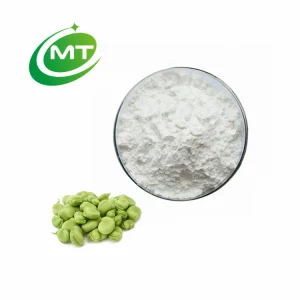
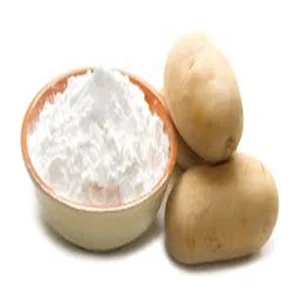
With consumer preferences pivoting toward non-allergenic and Non-GMO profiles, alternatives like fava bean, oat, chickpea, and potato proteins are rapidly gaining market share relative to conventional soy and wheat. Discovering suppliers with highly integrated processing technologies is critical to protecting manufacturing efficiency and end-product quality.
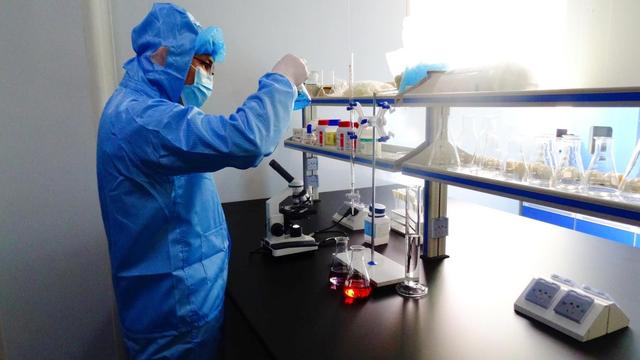
For research and development (R&D) teams, solubility, water-binding capacity, oil absorption index, and gel strength are non-negotiable metrics. High-quality textured proteins must maintain physical stability under typical industrial thermal and mechanical stressors, such as high-temperature short-time (HTST) extrusion, shear-pumping, and retort sterilization. Sourcing from manufacturers with dedicated R&D setups ensures custom parameters can be calibrated before shipping bulk runs.
In meat analogue production, the Extrusion Density Index (EDI) dictates how chewable and succulent a plant-based product behaves. High-EDI textured protein matrices retain up to 3x their weight in water and fat, preventing dry textures post-cooking.
Key performance figures validating global production capabilities, supply chain security, and formulation compliance.
Hangzhou Entry Bio Co., Ltd. is a leading China vegetal protein manufacturer specializing in the research, production, and global supply of high-quality plant protein ingredients and food-grade protein solutions. With a strong commitment to innovation, quality, and sustainability, the company serves customers across the food, beverage, nutrition, and health industries worldwide.
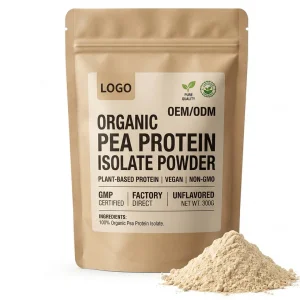
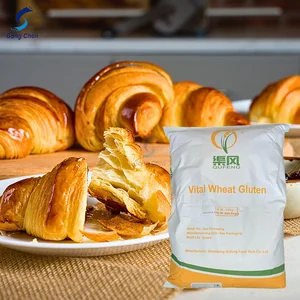
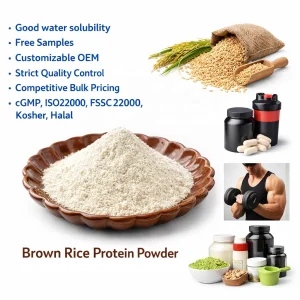
Leveraging advanced manufacturing technologies and strict quality management systems, Hangzhou Entry Bio Co., Ltd. offers a comprehensive portfolio of plant-based ingredients, including soy protein, pea protein, rice protein, textured vegetable protein, and customized protein blends. These products are widely used in meat alternatives, dairy alternatives, sports nutrition, functional foods, bakery products, beverages, and nutritional supplements.
Quality and food safety are at the core of the company's operations. From raw material sourcing to finished product delivery, every production stage is carefully monitored to ensure consistent quality, purity, and performance. The company adheres to international quality standards and continuously invests in product innovation to meet the evolving demands of the global plant-based market.
As a reliable plant protein ingredients supplier, Hangzhou Entry Bio Co., Ltd. also provides professional technical support and customized formulation services, helping customers develop competitive and market-oriented products. Backed by an experienced R&D team and efficient supply chain management, the company is capable of delivering tailored solutions for diverse application requirements.
Dedicated to promoting sustainable nutrition and healthy lifestyles, Hangzhou Entry Bio Co., Ltd. strives to be a trusted global partner for food manufacturers seeking premium vegetal proteins and innovative food-grade protein solutions.
Understanding how infrastructure scale, crop diversity, and precision processing unlock strategic value for B2B buyers.
China's agricultural processing clusters place manufacturing hubs next to raw material fields (such as non-GMO yellow pea fields and wheat areas). This limits transport degradation, controls raw material costs, and reduces carbon footprint values across the supply chain.
Utilizing high-torque twin-screw extruders allows precise control of pressure, thermal zones, and mechanical shear. This guarantees consistent denaturation profiles, yielding superior texture, tensile strength, and shreddability in meat alternative formulas.
Advanced purification mechanisms filter out oligosaccharides and anti-nutritional factors (such as trypsin inhibitors). The result is highly digestible proteins free from chemical solvents, aligning perfectly with modern clean-label demands.
Navigating global regulatory frameworks requires deep compliance understanding. Food ingredients imported into the EU, North America, and parts of APAC must pass demanding quality barriers. Hangzhou Entry Bio Co., Ltd. operates with dynamic regulatory frameworks to support localized custom clearances and certifications.
Whether you require Organic (USDA/EU) certified plant proteins, Halal or Kosher dietary declarations, or strict Allergen-Free certificates (gluten-free wheat isolate variants, soy-free pea proteins), our logistical and QA/QC document packages streamline global supply integration. All shipments come with comprehensive Certificates of Analysis (COA), microbiological testing logs, and physical parameter declarations.
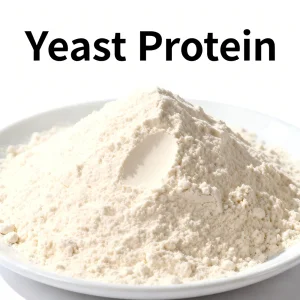
Our logistical desks collaborate with shipping carriers to optimize shipping routes, offering flexibility in container configuration. We provide Less than Container Load (LCL) consolidation for niche protein products (like hydrolyzed oat peptides or yeast isolate powders) alongside full container loads (FCL) of staple textured proteins to minimize import tariffs and landing costs.
Sourcing textured protein products requires matching raw material properties to specific culinary and industrial use cases. Here are typical applications for our diverse botanical portfolio:
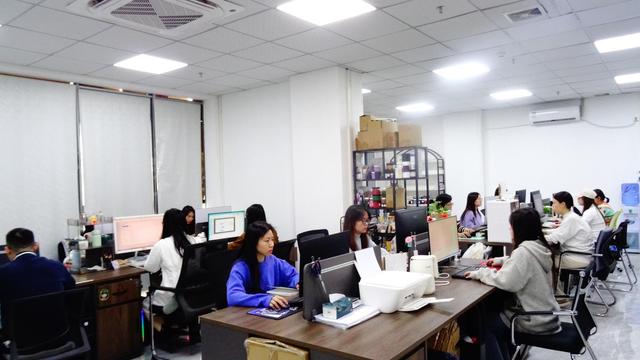
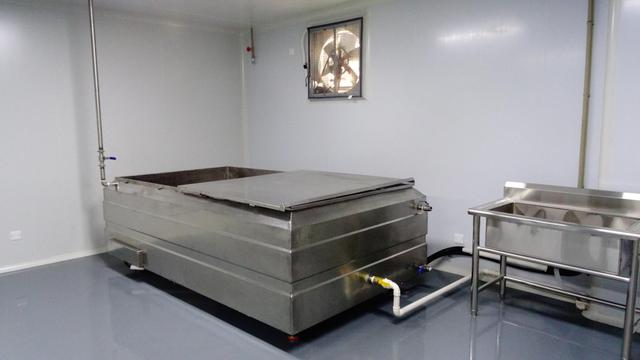
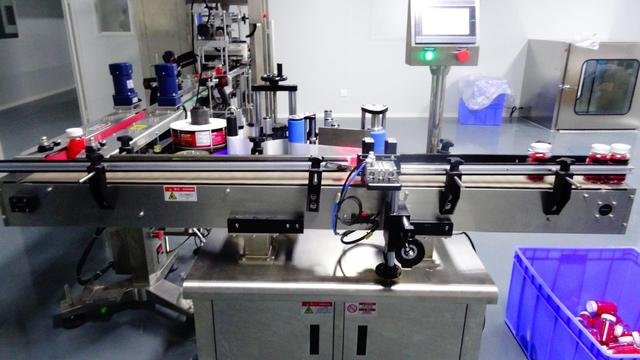
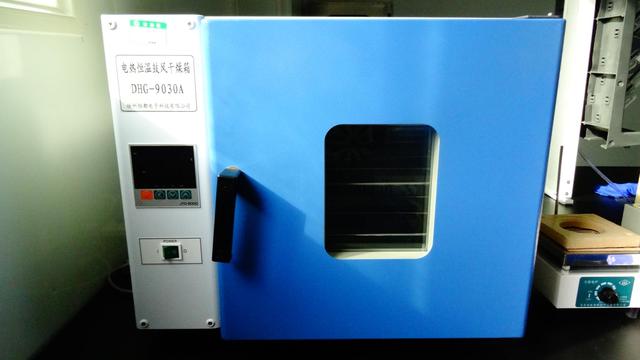
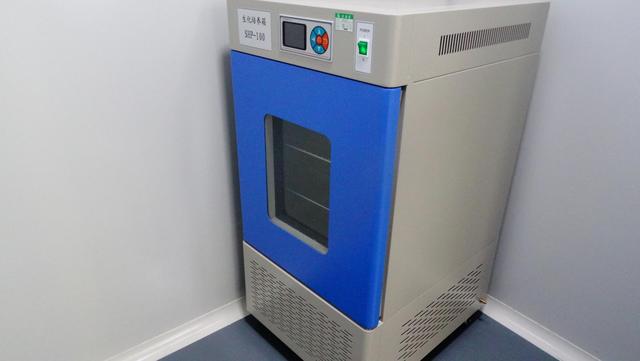
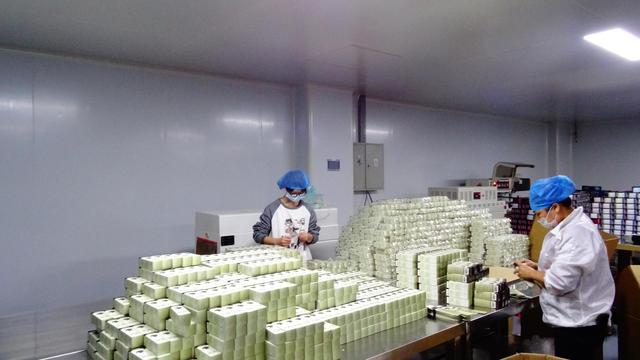
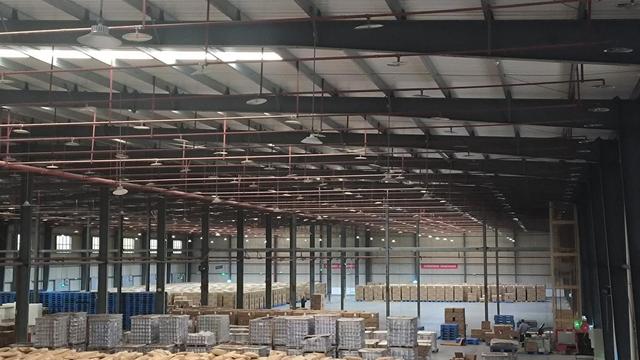
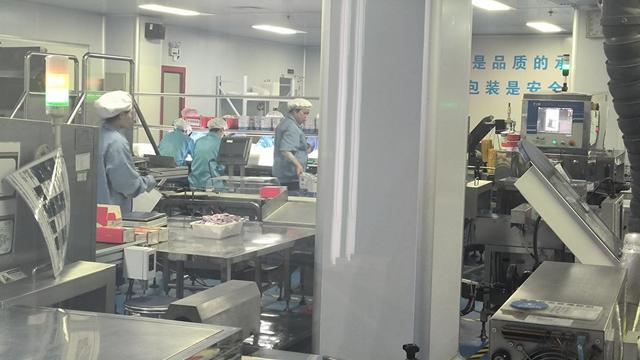
A visual inspection of Hangzhou Entry Bio's production capabilities, R&D testing centers, and high-efficiency packaging lines.

Key procurement, technical, and regulatory questions answered by our QA and R&D engineering teams.
Plant protein isolates (such as pea, rice, or fava bean isolates) are refined powders containing 80% to 90% protein, processed to remove most fiber, starches, and fats. They are primarily used for nutritional fortification and emulsion building. Textured vegetable proteins (TVPs) have undergone an extrusion process to create a fibrous structure, mimicking the chewing experience of meat. TVPs are selected for chewiness and structural properties, whereas isolates are utilized for protein content, solubility, and emulsion characteristics.
We implement a strict Identity Preservation (IP) system from agricultural source to final extraction. Raw grains are sourced from certified non-GMO regions. Batch samples are tested via PCR (Polymerase Chain Reaction) to verify genetic purity before unloading at our plants. Our organic products strictly adhere to USDA National Organic Program (NOP) standards and EU organic regulation protocols, backed by certified paper trails for each batch.
Most powder isolates and textured proteins maintain optimal quality for 24 months from the date of manufacture when stored in their original unopened packaging (usually multi-wall paper bags with PE inner liners). They should be stored in cool, dry warehouses (relative humidity under 60%, temperature under 25°C), away from strong odors and direct sunlight.
Yes. Our advanced processing plants can adjust physical parameters to match your formulation needs. We can adjust mesh size (from coarse granules to ultra-fine powders), manage water solubility profiles for beverage systems, and alter oil/water absorption capacities for meat analogues. Contact our R&D team to define your specific requirements.
Standard orders for stocked ingredients usually ship from Chinese ports (such as Shanghai or Ningbo) within 14 to 21 days of order confirmation. Custom formulations or private label orders may require 30 to 45 days. We offer flexible options, including FOB, CIF, DDU, or DDP, to support your team's supply chain requirements.
Alternative protein bases, grain-derived nutrition enhancers, and high-performance isolate solutions.
 Entry Biology