Optimized plant-based protein solutions tailored for immediate commercial applications in food production and nutraceutical lines.
Understanding the regulatory demands, health trends, and B2B requirements driving clean-label plant protein adoption in Central Mexico.
Under Mexico’s strict front-of-package labelling standard (NOM-051-SCFI/SSA1-2010), food and beverage manufacturers in Mexico City are under intense pressure to reduce excess calories, sugars, sodium, and saturated fats. Algae proteins like Chlorella and Spirulina provide a dual benefit: they boast a massive nutrient density (typically 55% to 70% crude protein) while adding zero simple sugars, enabling formulations that bypass warning seal requirements.
Imports of microalgae proteins into Mexico require strict adherence to COFEPRIS guidelines (Federal Commission for the Protection against Sanitary Risks). B2B buyers must partner with manufacturers whose facilities provide full traceability, allergen declarations, and comprehensive certificates of analysis (CoA) detailing heavy metal profiles, pesticide residue limits, and microbiological clearance.
Valle de México, including surrounding logistics nodes like Cuautitlán Izcalli, Tlalnepantla, and Lerma, serves as the main manufacturing and warehousing node for Central Mexico. For high-volume producers, establishing a direct supply chain from manufacturing sites in China to the ports of Veracruz or Manzanillo, with onward transport to CDMX, is essential for keeping cost-per-kilogram rates competitive.
As the largest metropolitan area in North America, Mexico City’s dietary habits are undergoing a profound structural evolution. Driven by rising rates of metabolic disorders, the local middle-class demographic is actively transitioning to functional foods and meat-alternative diets. This shift has triggered double-digit growth in the integration of algae ingredients within sports nutrition shakes, premium snack bars, and traditional products such as fortified tortillas and pan dulce. To successfully enter this market, manufacturers must not only supply raw powder but must also offer technical formulation expertise that aligns with the local palate and culinary parameters.
An overview of how microalgae production compares to conventional agriculture on a global, resource-efficient scale.
Microalgae species like Arthrospira platensis (Spirulina) and Chlorella vulgaris represent the pinnacle of regenerative agricultural efficiency. Unlike land-intensive crops such as soy, yellow peas, or canola, microalgae are cultured in controlled photo-bioreactors or open-pond raceway systems. These systems capture carbon dioxide at a rate that is exponentially higher than standard forestry, turning global production plants into active carbon-mitigation zones. This macro-environmental benefit has become a cornerstone of corporate ESG metrics for major food conglomerates operating across Latin America.
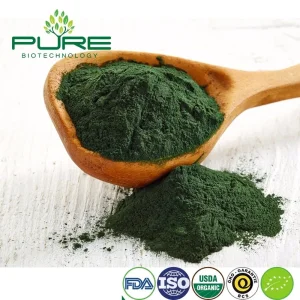
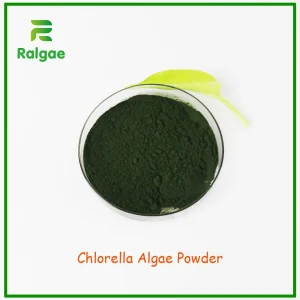
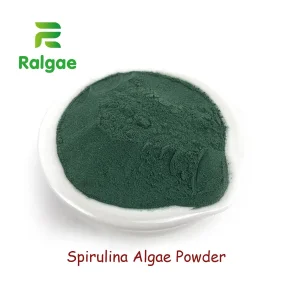
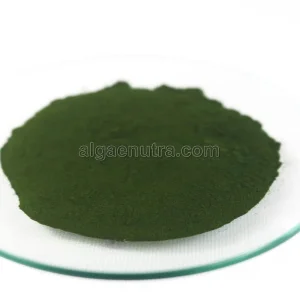
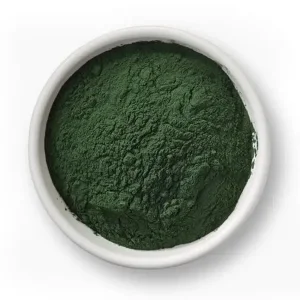
Algae proteins are not merely alternative proteins; they are complete proteins. They contain all nine essential amino acids (EAAs) that the human body cannot synthesize. The PDCAAS (Protein Digestibility-Corrected Amino Acid Score) of broken-cell wall Chlorella approaches a rating of 1.0, rendering it comparable in quality to egg white or whey protein. Furthermore, natural inclusions of active biological compounds—such as phycocyanin in Spirulina (a potent antioxidant pigment) and chlorophyll in Chlorella (a natural detoxifying agent)—give these ingredients a distinctive advantage over isolated soy or pea proteins, which are often heavily processed and stripped of secondary bio-actives.
How local brands are successfully integrating microalgae proteins into everyday food and beverage products.
In Mexico, corn and wheat flour remain staple ingredients. Incorporating 3% to 5% high-protein Spirulina powder into traditional formulations for tortillas, totopos, and industrial breads substantially increases the lysine and tryptophan content of these grain-based diets. Our technical teams have developed specific baking-grade algae powders that resist thermal degradation during high-temperature extrusion and baking, retaining their structural amino acid profiles and avoiding off-flavors.
Ready-to-drink (RTD) meal replacements and morning shakes are highly popular in bustling urban zones like Mexico City. However, the sandy mouthfeel and grassy aroma of raw algae can limit consumer adoption. By utilizing our ultra-fine, deodorized microalgae grades (mesh size > 120), developers can formulate smooth, plant-based smoothies that maintain suspension stability without requiring synthetic thickening agents or high concentrations of gums.
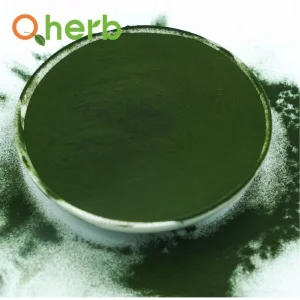
The sports fitness community in CDMX is rapidly expanding. Vegan athletes seek alternatives to whey that do not cause bloating. Our organic, post-exercise recovery formulas (such as the Organic Vegan Blue Green Algae Protein) combine high-protein yield with rapid absorption kinetics, assisting muscle repair and electrolyte balancing via natural potassium and magnesium reserves found within the cell matrix.
A global leader in premium vegetal proteins and customized manufacturing solutions.
Hangzhou Entry Bio Co., Ltd. is a leading China vegetal protein manufacturer specializing in the research, production, and global supply of high-quality plant protein ingredients and food-grade protein solutions. With a strong commitment to innovation, quality, and sustainability, the company serves customers across the food, beverage, nutrition, and health industries worldwide.
Leveraging advanced manufacturing technologies and strict quality management systems, Hangzhou Entry Bio Co., Ltd. offers a comprehensive portfolio of plant-based ingredients, including soy protein, pea protein, rice protein, textured vegetable protein, and customized protein blends. These products are widely used in meat alternatives, dairy alternatives, sports nutrition, functional foods, bakery products, beverages, and nutritional supplements.
Quality and food safety are at the core of the company's operations. From raw material sourcing to finished product delivery, every production stage is carefully monitored to ensure consistent quality, purity, and performance. The company adheres to international quality standards and continuously invests in product innovation to meet the evolving demands of the global plant-based market.
As a reliable plant protein ingredients supplier, Hangzhou Entry Bio Co., Ltd. also provides professional technical support and customized formulation services, helping customers develop competitive and market-oriented products. Backed by an experienced R&D team and efficient supply chain management, the company is capable of delivering tailored solutions for diverse application requirements.
Dedicated to promoting sustainable nutrition and healthy lifestyles, Hangzhou Entry Bio Co., Ltd. strives to be a trusted global partner for food manufacturers seeking premium vegetal proteins and innovative food-grade protein solutions.






Transparent global sourcing methodologies that guarantee biological activity and microbiological purity upon customs clearance.
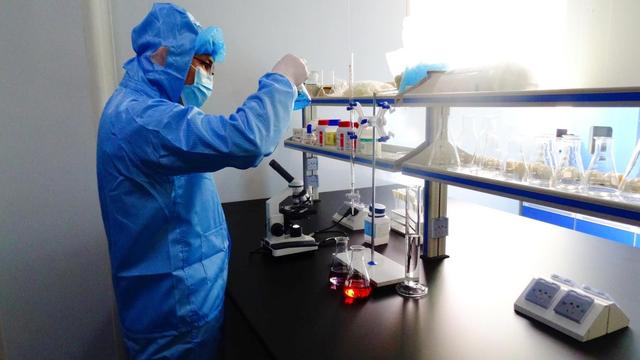
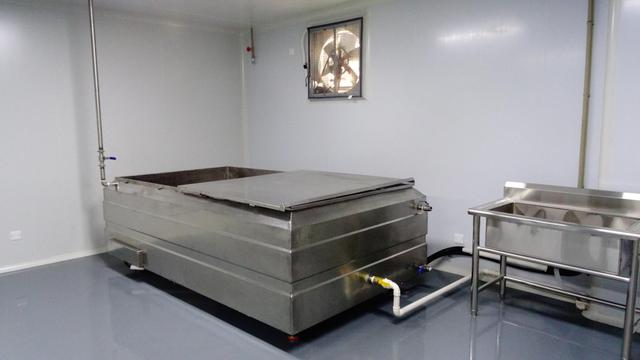
We cultivate our strains under sterile, controlled environments. Utilizing closed photo-bioreactors prevents exposure to outdoor pollutants, ensuring that our raw materials maintain extremely low background heavy metal concentrations (well below standard FDA and COFEPRIS limits).
For Chlorella, raw cell walls prevent efficient digestion. We apply gentle mechanical pressure-differential methods to break Chlorella cell walls. This increases human protein digestibility rates to over 85% while fully preserving the cellular protein composition and nutrient density.
Low-temperature spray-drying prevents oxidation and preserves natural color pigments. Our powders undergo multiple milling passes to achieve uniform particle sizes (mesh 80-120), facilitating straightforward integration into client beverage and dry-mix formulations.
Every shipment is subjected to strict microbiological and chemical verification. This includes pathogen screening (Salmonella, E. coli) and heavy metal testing (Lead, Arsenic, Cadmium). All shipments include official certificates of analysis, necessary for import clearance in Mexico.
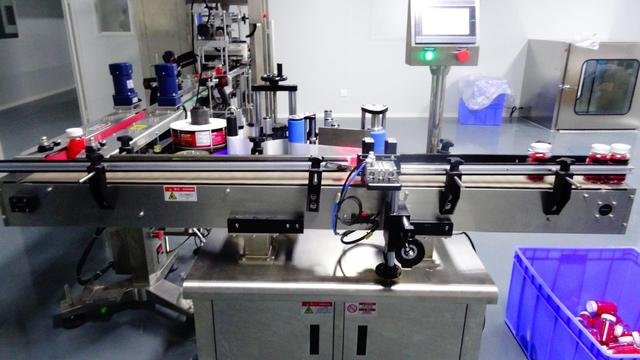
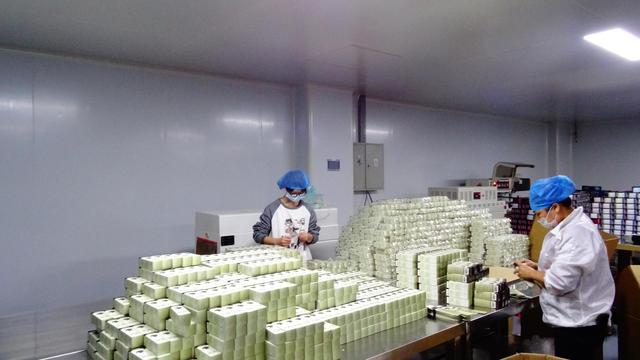
Algae proteins are sensitive to light and oxidation. We ship in heavy-duty multi-layer kraft paper bags lined with food-grade protective PE bags. The interior atmosphere is flushed with nitrogen to ensure stable active shelf-lives of up to 24 months during shipping and storage.
Through our established freight forwarding network, we handle customs documentation for entry at major Mexican ports (Veracruz/Manzanillo). We ensure prompt clearance and overland transit directly to client manufacturing locations in the Valley of Mexico.
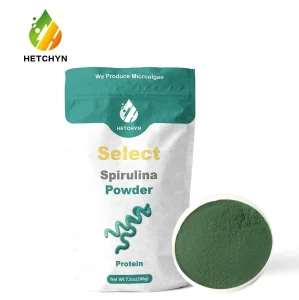
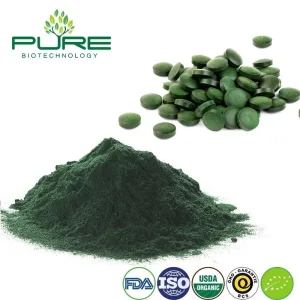
Explore our full line of functional green algae powders, organic ingredients, and capsules optimized for CDMX distributors and manufacturers.
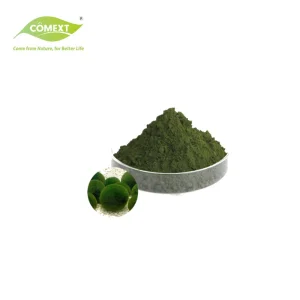
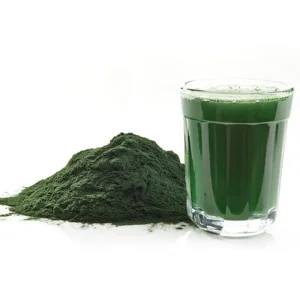
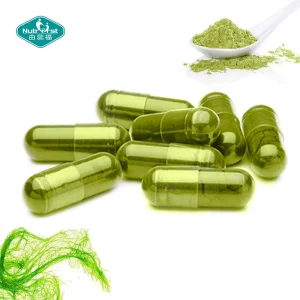
Essential B2B guide covering importation requirements, product stability, and formulation troubleshooting.
 Entry Biology