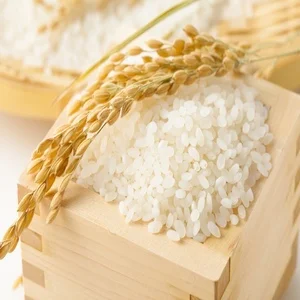
Engineered high-purity protein fractions tailored for regional food processing and commercial formulation demands.
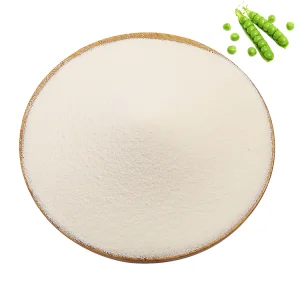
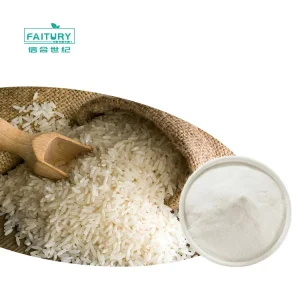
In recent years, the food, beverage, and nutritional industries in Sri Lanka have undergone a massive paradigm shift. Driven by growing consumer awareness of metabolic health, a rise in veganism, and evolving dietary requirements, developers in Colombo, Kandy, and Galle are seeking clean-label plant protein alternatives. Traditional reliance on animal-derived whey proteins or soy is shifting due to rising soy-allergy concerns and the necessity for highly digestible, allergen-free proteins. Rice protein, specifically high-purity Rice Protein Isolate (80%-90%), has stepped into the spotlight as a critical ingredient.
Moreover, Sri Lanka's domestic economic structural adjustments have prioritized localized, cost-effective food processing solutions. Food manufacturers in the region are upgrading their portfolios by incorporating functional plant-based beverages, sports nutrition supplements, and infant formula with hypoallergenic properties. Our specialized supply chain ensures that manufacturers in Sri Lanka receive premium, heavy-metal-compliant, and Halal-certified rice proteins that perfectly fit local food standards (SLS) and consumer preferences.
Perfect for Sri Lanka's growing demand in dairy-alternative formulations, containing zero common allergens like gluten or soy.
Superb amino acid profile rich in BCAAs, providing a PDCAAS (Protein Digestibility-Corrected Amino Acid Score) comparable to whey.
Low water footprint and carbon emissions during extraction compared to animal and dairy proteins, matching ESG targets.
Globally, the demand for rice protein is projected to rise exponentially. Industrial procurement managers look beyond basic nutritional facts. Today’s sourcing criteria demand complete transparency in extraction methods, chemical residues, heavy metals (particularly Arsenic and Lead), and particle size optimization (mesh size). Standard commercial plant proteins often suffer from grittiness and poor solubility; thus, global food conglomerates dictate strict physical characteristics:
Max Peptide Purity
Mesh Particle Fineness
Years Factory Experience
Allergen-Free Guarantee
Hangzhou Entry Bio Co., Ltd. is a leading China vegetal protein manufacturer specializing in the research, production, and global supply of high-quality plant protein ingredients and food-grade protein solutions. With a strong commitment to innovation, quality, and sustainability, the company serves customers across the food, beverage, nutrition, and health industries worldwide.
Leveraging advanced manufacturing technologies and strict quality management systems, Hangzhou Entry Bio Co., Ltd. offers a comprehensive portfolio of plant-based ingredients, including soy protein, pea protein, rice protein, textured vegetable protein, and customized protein blends. These products are widely used in meat alternatives, dairy alternatives, sports nutrition, functional foods, bakery products, beverages, and nutritional supplements.
Quality and food safety are at the core of the company's operations. From raw material sourcing to finished product delivery, every production stage is carefully monitored to ensure consistent quality, purity, and performance. The company adheres to international quality standards and continuously invests in product innovation to meet the evolving demands of the global plant-based market.
As a reliable plant protein ingredients supplier, Hangzhou Entry Bio Co., Ltd. also provides professional technical support and customized formulation services, helping customers develop competitive and market-oriented products. Backed by an experienced R&D team and efficient supply chain management, the company is capable of delivering tailored solutions for diverse application requirements.
Dedicated to promoting sustainable nutrition and healthy lifestyles, Hangzhou Entry Bio Co., Ltd. strives to be a trusted global partner for food manufacturers seeking premium vegetal proteins and innovative food-grade protein solutions.
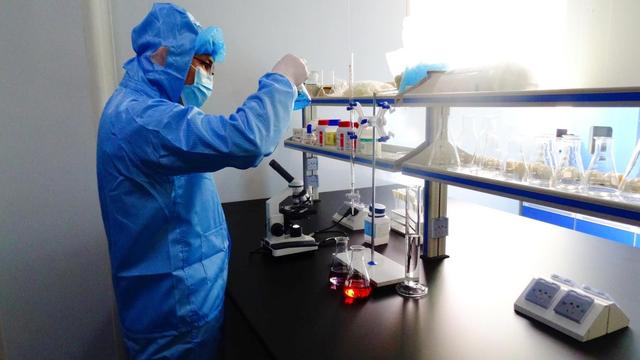
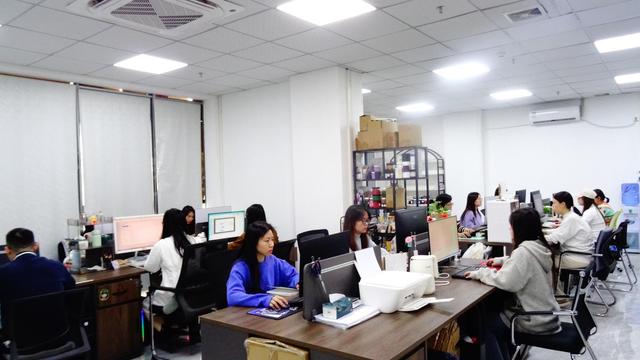
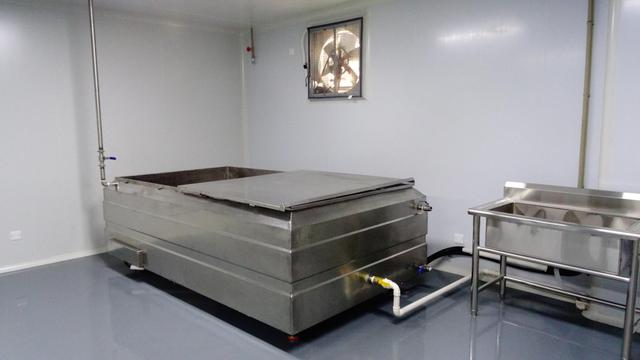
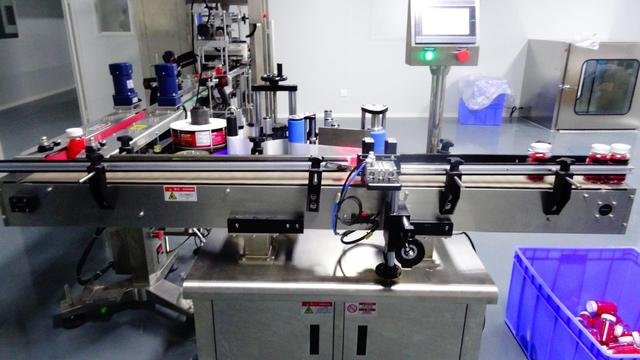
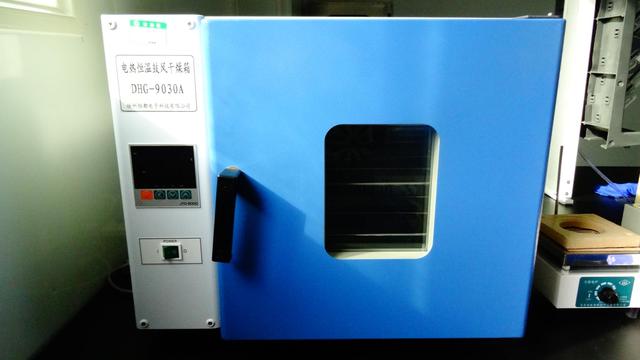
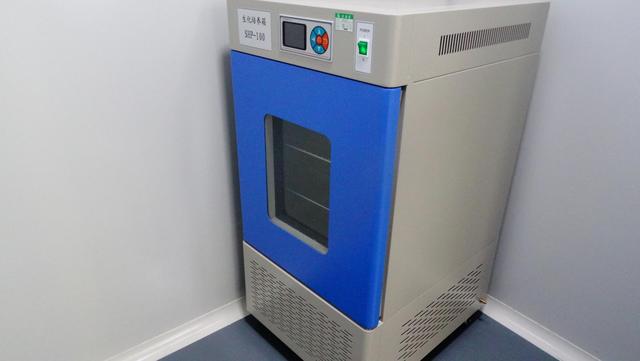
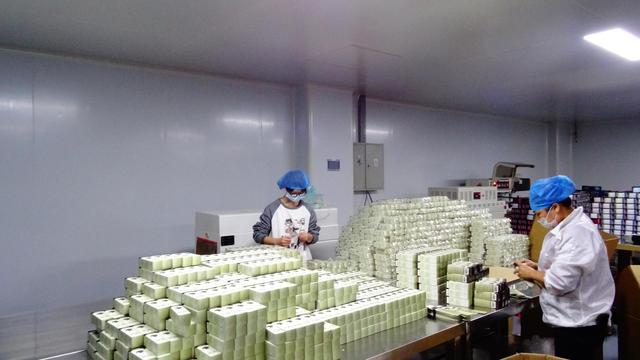
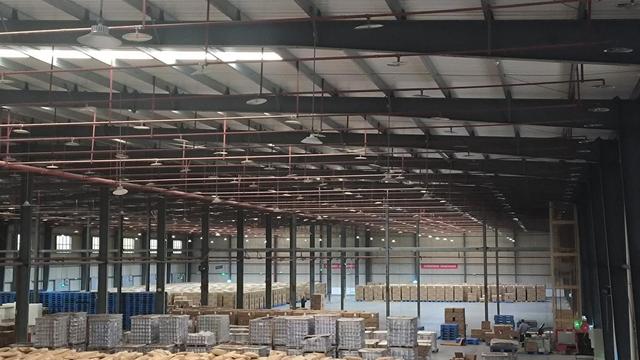
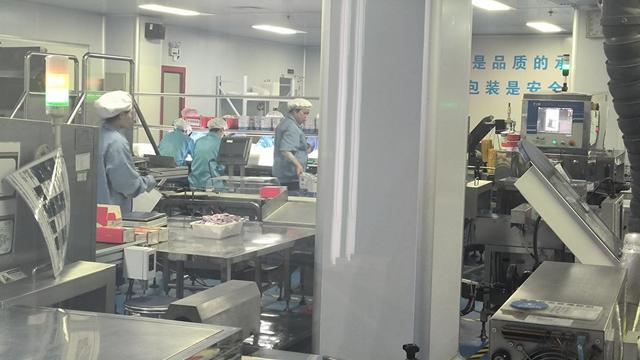

The manufacturing process of high-purity rice protein requires sophisticated biochemical engineering. Unlike basic physical grinding, which yields low-concentration rice flour with high starch content, Hangzhou Entry Bio utilizes a low-temperature enzymatic hydrolysis method. This biochemical pathway ensures the protein structure remains intact without denaturation, conserving the biological value and solubility properties.
Our extraction process follows a strictly monitored technical pathway:
This technical roadmap ensures that whether you require Rice Protein Isolate 90% or hydrolyzed peptides, the physical stability and functional properties are guaranteed for your end-market applications.
By supplying the Sri Lankan market with food-grade and cosmetic-grade rice proteins, we empower local manufacturers to target premium export markets and domestic premium niches. Key industries include:
Coconut milk is a staple in Sri Lanka. By blending coconut cream with our 600-mesh isolated rice protein powder, beverage manufacturers can produce nutrient-balanced, high-protein plant-based milks. The micro-fine mesh ensures no chalkiness or sedimentation in bottled RTD drinks.
As wellness centers and fitness trends expand in urban centers like Colombo, there is a surge in demand for local sports supplement manufacturing. Rice protein isolate offers a clean, vegan alternative to imported whey, providing rich quantities of Glutamine and BCAAs for muscle repair.
Infants suffering from cow's milk protein allergy (CMPA) or soy sensitivities require safe alternatives. Hydrolyzed rice protein provides an optimal, easily digestible nitrogen source with zero allergenic history, making it perfect for baby food formulations.
Beyond ingestion, hydrolyzed rice proteins and rice bran extracts (containing Ceramide 3 NP) are heavily utilized in the skincare and cosmetics sector in Sri Lanka. They provide deep hydration, restore the skin barrier, and are key ingredients in natural anti-aging creams.
Importing agricultural ingredients into Sri Lanka requires rigorous documentation. Hangzhou Entry Bio guarantees absolute compliance at every step. We provide full support documentation including:
Our logistics network manages direct shipping routes from Chinese ports straight to Colombo Port, providing optimized freight times, moisture-resistant industrial packaging (such as multi-wall paper bags with PE inner liners), and cold-chain/dry-chain stability during transit to protect the integrity of the proteins in tropical climates.
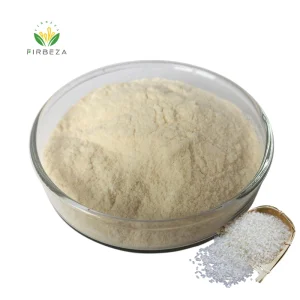
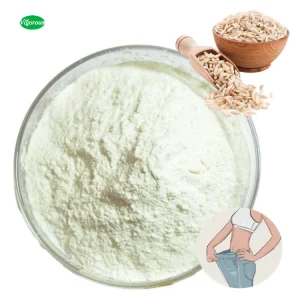
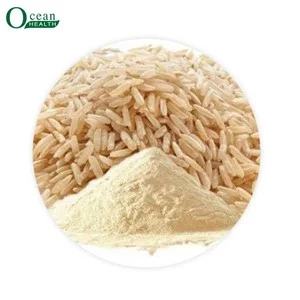
Select from our specialized line of plant proteins, extracts, and nutrient enhancers designed for industrial optimization.
Technical and procurement answers addressing semantic search queries of plant protein developers in Sri Lanka.
The primary difference is the protein concentration. Rice Protein Concentrate typically contains around 60% to 70% protein, with the remaining fraction consisting of lipids, carbohydrates, and moisture. Rice Protein Isolate undergoes additional filtration and enzymatic separation to achieve a protein content of 80% to 90%, rendering it ideal for low-carb formulas and high-performance sports nutrition where higher purity is mandatory.
Traditional plant proteins have larger particle sizes (ranging from 80 to 120 mesh), which feel gritty or chalky on the tongue and settle quickly. Our 600-mesh micro-fine grinding technology reduces the particle size down to approximately 20-25 microns. This allows the protein particles to suspend evenly in liquid formulations, offering a creamy, smooth mouthfeel equivalent to milk protein without compromising stability.
Yes. All of our plant-based protein ingredients (including rice protein, pea protein, and hydrolyzed peptides) are Halal certified by recognized international bodies. We also carry Kosher, ISO 9001, ISO 22000, and organic certificates (USDA/EU) to ensure full global and regional compliance.
When stored in dry, cool conditions in its original unopened packaging, our rice protein powders have a shelf life of 24 months. For tropical countries like Sri Lanka, we pack our products in heavy-duty multi-wall bags with high-barrier PE liners to prevent moisture absorption and ambient humidity from affecting product quality.
Absolutely. Rice protein is naturally hypoallergenic. Enzymatic hydrolysis breaks down the proteins into small peptide chains, reducing allergenicity even further. This makes hydrolyzed rice protein powder an excellent, highly digestible nitrogen source for specialized infant formulas, especially for infants sensitive to milk proteins or soy.
Quality control starts with our raw material sourcing. We source rice from audited, clean-soil agricultural zones. Every batch undergoes strict testing via Inductively Coupled Plasma Mass Spectrometry (ICP-MS) in our laboratories to confirm that heavy metal contents (Arsenic, Lead, Cadmium, and Mercury) fall well below international thresholds set by the FDA and EFSA, guaranteeing safe consumption.
 Entry Biology