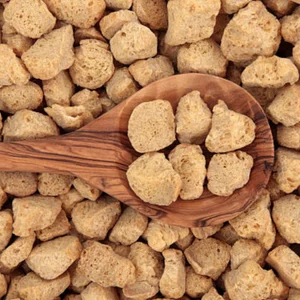
Premium textured vegetable proteins, yeast isolates, and pea protein solutions designed for high binding capacity, clean flavor profiles, and optimum texture replication.
Known historically as the "Kitchen of the Nation" (天下の台所, Tenka no Daidokoro), Osaka stands as a major hub for food processing, consumer package goods (CPG), and industrial seasoning developers in Western Japan. With the approach of the Osaka-Kansai Expo 2025, regional food manufacturers are experiencing an unprecedented surge in demand for sustainable, clean-label, and allergen-friendly protein alternatives. The city's dense network of ready-to-eat meal (Nakashoku) processors and institutional lunch providers is rapidly shifting from conventional inputs to high-functionality Textured Vegetable Proteins (TVP).
Traditional Osaka foods, from the beloved takoyaki and okonomiyaki to quick-serve ramen bases, are being reimagined for export and diverse tourists. Incorporating TVP allows manufacturers to match the chewy, fibrous bite of traditional pork and beef mince while reducing raw material volatility and adhering to strict international dietary codes. As Osaka positions itself as a forward-facing culinary capital, the integration of structured, resilient plant-based proteins is crucial to support local manufacturing efficiency and long-term sustainability goals.
"By integrating high-performance Chinese TVP, food technologists in Kansai are successfully formulating zero-cholesterol, low-fat alternative meats that retain the juiciness and authentic mouthfeel crucial to traditional Japanese recipes."
Manufacturers in Osaka require high hydration ratios and clean taste profiles to prevent off-flavor masking issues in traditional dashi-rich formulations.
Strict Non-GMO specifications are a foundational parameter for Japanese customs Clearance and Osaka B2B procurement panels.
Growth in allergen-free categories has driven interest towards Pea and Wheat-based TVPs, along with advanced Yeast-derived protein isolates.
Positioning Hangzhou Entry Bio Co., Ltd. as the premier supply chain link for Kansai-based industrial buyers.
The global demand for Textured Vegetable Proteins (TVP) and Textured Soy Proteins (TSP) is projected to grow at a CAGR of 7.8% over the next decade. While Western markets focus on premium retail brands, Asian food manufacturers—particularly in industrial centers like Osaka—face the challenge of maintaining margin integrity while upgrading protein profiles. This is where China-based manufacturing plants provide an unmatched tactical advantage.
Hangzhou Entry Bio Co., Ltd. operates state-of-the-art twin-screw extrusion systems, utilizing strict temperature-profile zones to control protein denaturation and fiber formation. Compared to domestic Japanese processors, our facility offers superior economies of scale by sourcing raw materials directly from premium agricultural zones, running continuous automation processes, and maintaining close shipping proximity to major Japanese import hubs (Port of Osaka and Kobe). By optimizing logistics and drying phases, we deliver TVPs that exhibit superior texture retention and prolonged shelf stability, even after high-temperature retort processing.
Our material specifications match or exceed the strict food standard regulations enforced by Japan's Ministry of Health, Labour and Welfare (MHLW).
| Protein Type / TVP Base | Protein Content (Dry Basis) | Water Absorption Index | Ideal Application Scenario | Allergen Status / GMO Status |
|---|---|---|---|---|
| Soy TVP (Chunks / Granules) | ≥ 50% - 65% | 1:3.0 - 3.5 | Gyoza fillings, Salisbury steaks (Hambagu), meat sauces | Contains Soy, 100% Non-GMO Certified |
| Textured Wheat Protein (TWP) | ≥ 70% | 1:2.8 - 3.2 | Vegetarian seafood balls, fish alternative pastes | Contains Gluten, Non-GMO |
| Textured Pea Protein (TPP) | ≥ 65% | 1:2.5 - 3.0 | Allergen-free burgers, vegan nutrition bars | Allergen-Free, Non-GMO |
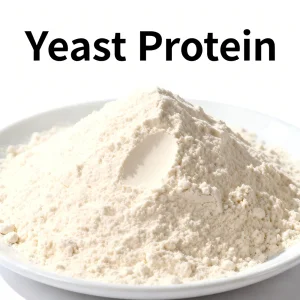
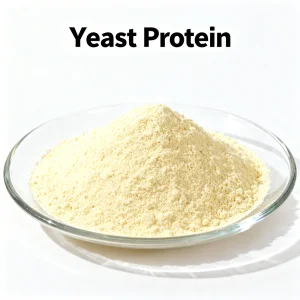
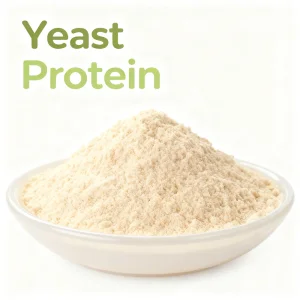
| Yeast Protein Isolate (F80 Grade) | ≥ 80% | High Solubility | Umami-boosting beverage formulas, functional powders | Allergen-Free, Clean Label |
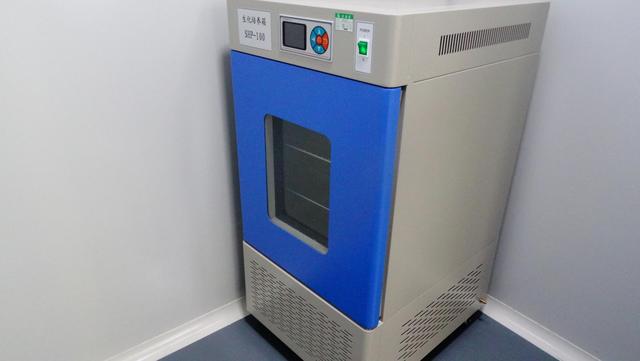
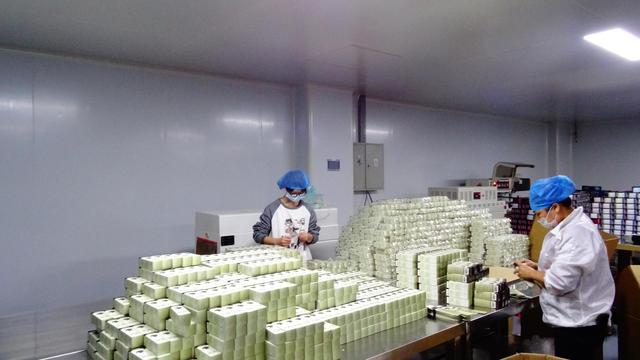
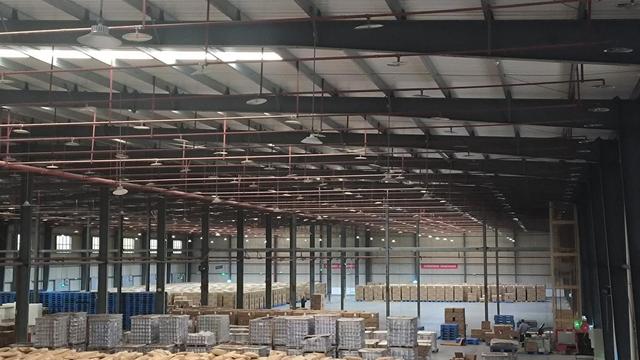
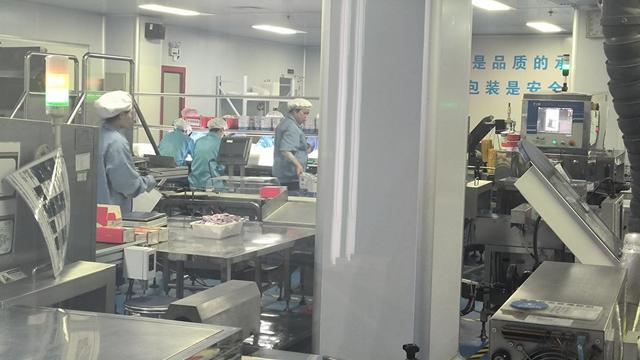
Explore our automated production facilities, clean research laboratories, and advanced logistics warehouse ensuring steady deliveries to Osaka and Kansai regions.

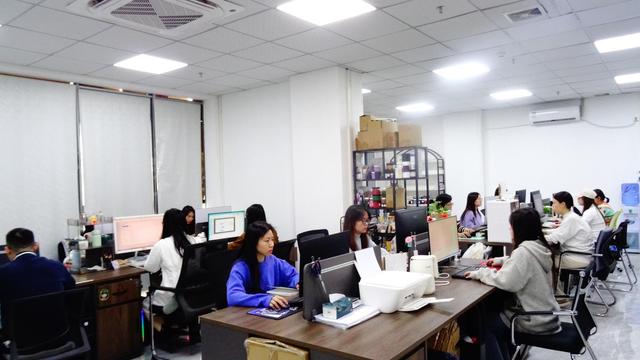
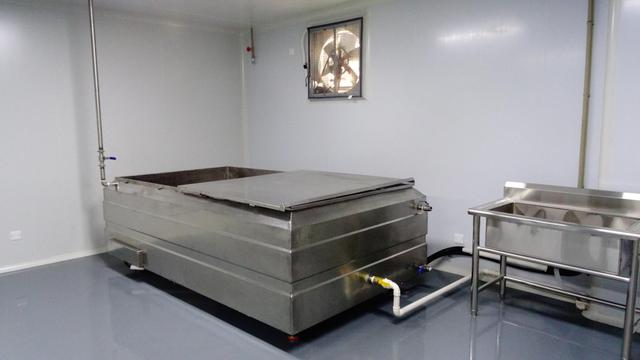
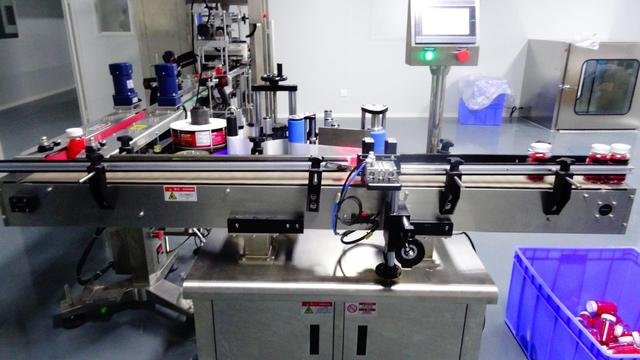
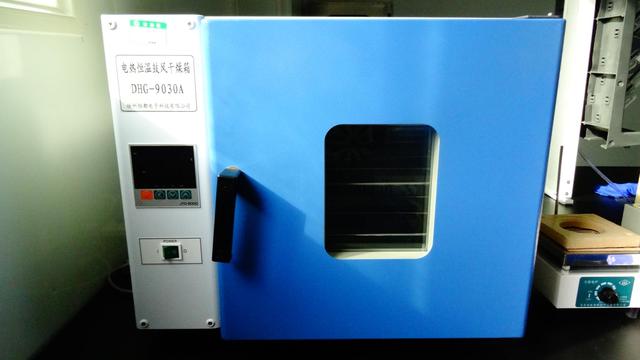

From busy street-side food processing chains to large-scale Kansai ready-meal manufacturers, our proteins fit seamlessly into local production workflows.
Our TVP granules are calibrated to mirror the mechanical bite of minced pork. They feature quick hydration (10-15 mins) and can endure high shearing during mixing without turning pasty, ideal for central kitchen production.
Vegetarian retorts require high structural integrity. Our TVP chunks retain their fibrous texture even after high-pressure sterilization (121°C), preventing the protein from disintegrating in rich Japanese curry sauces.
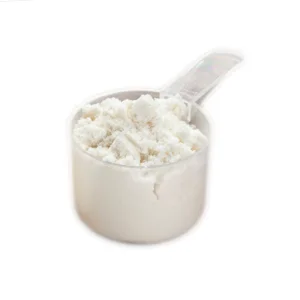
For Osaka's street food batters and fried specialties, incorporating plant protein powders like pea protein enhances the crispiness while bolstering the nutritional stats of high-carbohydrate menus.
Discover our comprehensive collection of specialty pastas, high-gel proteins, and textured plant-based alternatives suitable for global standards.
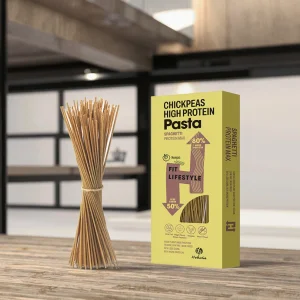
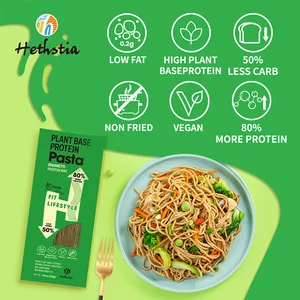
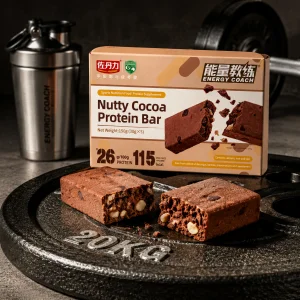
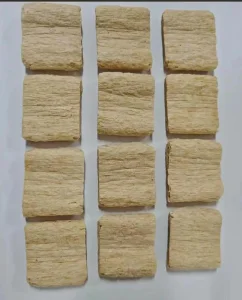
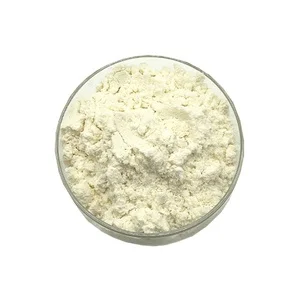
Hangzhou Entry Bio Co., Ltd. is a leading China vegetal protein manufacturer specializing in the research, production, and global supply of high-quality plant protein ingredients and food-grade protein solutions. With a strong commitment to innovation, quality, and sustainability, the company serves customers across the food, beverage, nutrition, and health industries worldwide.
Leveraging advanced manufacturing technologies and strict quality management systems, Hangzhou Entry Bio Co., Ltd. offers a comprehensive portfolio of plant-based ingredients, including soy protein, pea protein, rice protein, textured vegetable protein, and customized protein blends. These products are widely used in meat alternatives, dairy alternatives, sports nutrition, functional foods, bakery products, beverages, and nutritional supplements.
Quality and food safety are at the core of the company's operations. From raw material sourcing to finished product delivery, every production stage is carefully monitored to ensure consistent quality, purity, and performance. The company adheres to international quality standards and continuously invests in product innovation to meet the evolving demands of the global plant-based market.
As a reliable plant protein ingredients supplier, Hangzhou Entry Bio Co., Ltd. also provides professional technical support and customized formulation services, helping customers develop competitive and market-oriented products. Backed by an experienced R&D team and efficient supply chain management, the company is capable of delivering tailored solutions for diverse application requirements.
Request customized samples calibrated to your processing equipment. We provide DDP and CIF quotes directly to the Port of Osaka.
Send Inquiry NowFind answers to technical and regulatory questions regarding plant-based protein procurement for the Kansai region.
Every export shipment of Textured Vegetable Protein is accompanied by a Certificate of Analysis (COA), Phytosanitary Certificate, and Non-GMO Declaration. We also supply Halal and Kosher certifications when required. Our documentation strictly adheres to Japan's Ministry of Health, Labour and Welfare (MHLW) guidelines for imported foodstuffs.
Through our advanced heat-treatment denaturation phase during twin-screw extrusion, we successfully deactivate lipoxygenase enzymes responsible for the grassy and beany off-notes in soy proteins. This results in a highly neutral taste profile that allows traditional Japanese seasoning, like dashi, shoyu, and mirin, to shine.
Our TVP products have a stable shelf-life of 18 to 24 months when stored in a cool, dry warehouse. Because Osaka experiences high relative humidity during summer, we recommend keeping the materials in their original sealed moisture-barrier bags off the floor, away from direct sunlight.
Yes, our R&D team can adjust the extrusion pressure and nozzle geometries to produce custom shapes (granules, flakes, or large chunks) and modify the density to achieve water absorption capacities ranging from 1:2.5 up to 1:3.8, tailored to your specific recipe needs.
After production and quality release, inland transit to Ningbo or Shanghai port takes less than 24 hours. The sea freight transit time from Shanghai/Ningbo to the Port of Osaka is approximately 3 to 5 days, making the supply chain exceptionally fast and reliable.
 Entry Biology