Advanced functional protein powders selected for Melbourne's industrial food processing and sports nutrition industries.
Melbourne and the broader Victoria region represent one of the most sophisticated and fast-growing plant-based markets globally. Driven by a highly health-conscious population and strong institutional support for sustainable food manufacturing, local food brands and industrial processors are rapidly reformulating products to incorporate Textured Vegetable Proteins (TVP) and alternative protein matrices.
For food manufacturers operating in Melbourne, sourcing reliable, functional, and clean-label TVP is not simply about meeting ingredient demands; it is about matching consumer sensory expectations. Today's consumers demand meat alternatives that mimic the texture, bite, and juiciness of traditional animal products, without containing artificial additives or genetically modified organisms (GMOs).
Analyzing global technical innovations and standardizing ingredient supplies to help Melbourne manufacturers maintain an edge.
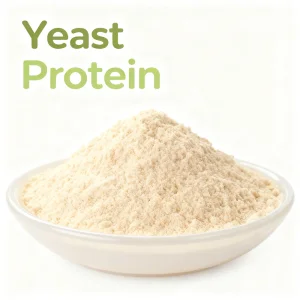
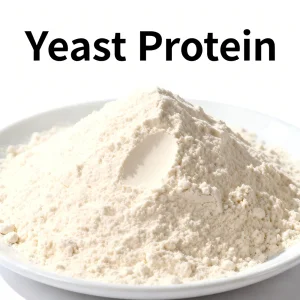
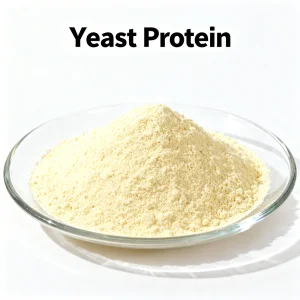
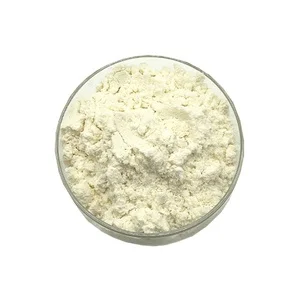
Derived via natural fermentation, yeast protein isolates (F80 & Angeo Pro) offer over 80-99% purity. They are allergen-free, pesticide-free, and rich in BCAAs, providing a sustainable alternative to animal and soy proteins.
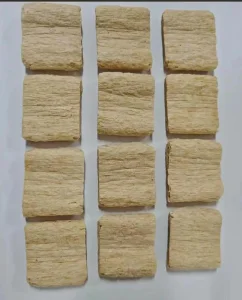
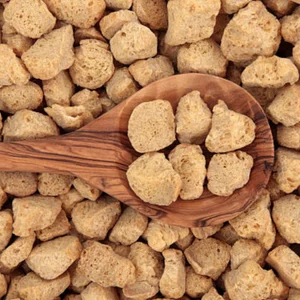
Our Textured Wheat and Soy Proteins are extruded through advanced pressure zones, yielding distinct fibrous configurations. This replicates the long-muscle fibrous bite required for high-end poultry and beef analogues.
For vegetarian sausages and seafood Tribute balls, our high-gel protein powders provide stable hot and cold emulsion boundaries, preventing moisture loss and fat separation during processing and retort packaging.
Functional protein applications supporting the health, keto, and vegetarian sectors across Melbourne.
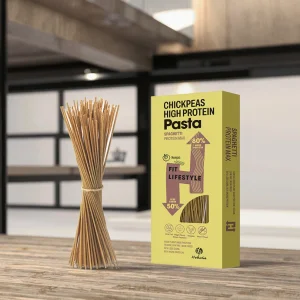
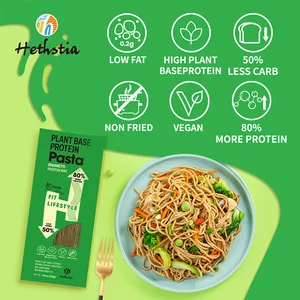
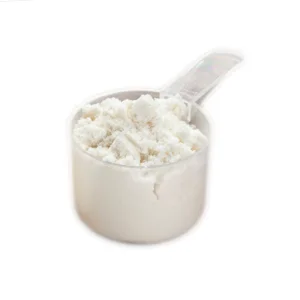
Understanding the mechanical properties and water-binding thermodynamics of extruded vegetal proteins.
In B2B food production, the utilization of Textured Vegetable Protein (TVP) relies heavily on the physical properties of the protein matrix. TVP behaves both as a structural binder and a moisture retention agent. The physical extrusion process alters the quaternary structure of soy or wheat proteins, realigning the peptide chains into parallel configurations that mimic muscle fibers.
When hydration occurs, these cross-linked proteins form a stable network capable of retaining water molecules within their structural gaps. For instance, our premium Wheat Textured Vegetable Protein exhibits a water absorption index (WAI) of 1:3.2. This means one part dry TVP will bind over three parts water, maintaining its structural integrity during vacuum tumbling, high-shear mixing, and retorting.
In typical applications, such as plant-based burger patties or local Melbourne-style meat pies, the integration of TVP must be balanced with fat/oil holding capacities (OHC). Our textured proteins are manufactured to optimize both hydration and lipid absorption, ensuring that during thermal processing (such as pan frying or baking), the bound fats and water release gradually, simulating the natural juiciness of traditional meats.
Hangzhou Entry Bio Co., Ltd. is a leading China vegetal protein manufacturer specializing in the research, production, and global supply of high-quality plant protein ingredients and food-grade protein solutions. With a strong commitment to innovation, quality, and sustainability, we serve customers across the food, beverage, nutrition, and health industries worldwide.
Leveraging advanced manufacturing technologies and strict quality management systems, Hangzhou Entry Bio Co., Ltd. offers a comprehensive portfolio of plant-based ingredients, including soy protein, pea protein, rice protein, textured vegetable protein, and customized protein blends. These products are widely used in meat alternatives, dairy alternatives, sports nutrition, functional foods, bakery products, beverages, and nutritional supplements.
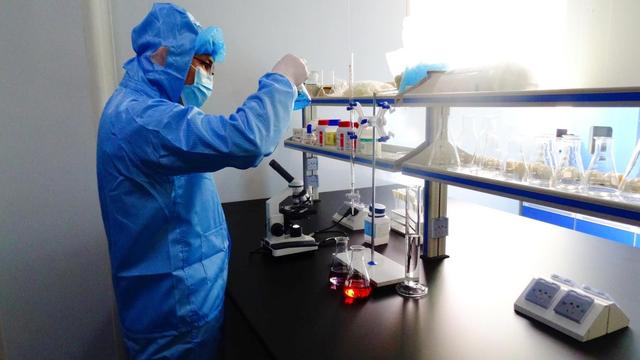
Quality and food safety are at the core of our operations. From raw material sourcing to finished product delivery, every production stage is carefully monitored to ensure consistent quality, purity, and performance. The company adheres to international quality standards and continuously invests in product innovation to meet the evolving demands of the global plant-based market.
Ensuring seamless food-grade supply chains conforming to Australian food safety frameworks.
Importing food ingredients into Victoria requires adherence to strict biosecurity regulations administered by the Australian Department of Agriculture, Fisheries and Forestry (DAFF) and the standards established by the Food Standards Australia New Zealand (FSANZ).
Our plant-based protein ingredients are accompanied by comprehensive batch documentation, including non-GMO declarations, certificates of analysis (COA), microbiological testing logs, and heavy metal specifications. This level of transparency guarantees that shipments of textured soy and wheat proteins clear Australian Customs efficiently, avoiding unnecessary port storage fees.
Furthermore, allergen cross-contamination management is central to our quality assurance system. In Australia, declarations for gluten and soy are strictly enforced. We provide full facility segregation data, ensuring that manufacturers can confidently structure their final consumer packaging statements. We support Melbourne food brands with specialized shipping, providing protective barrier packaging to prevent moisture ingress during maritime transit.
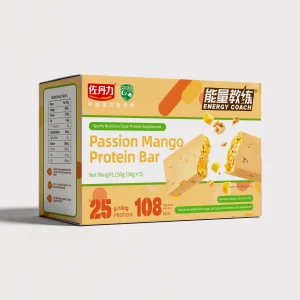
Browse our core inventory of high-performance textured vegetable proteins (TVP) and health bar raw materials.
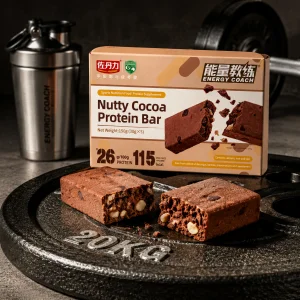
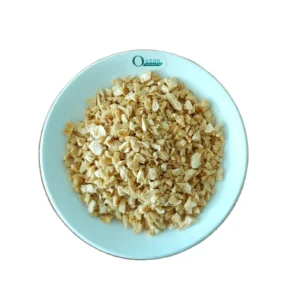
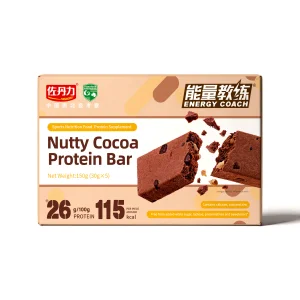
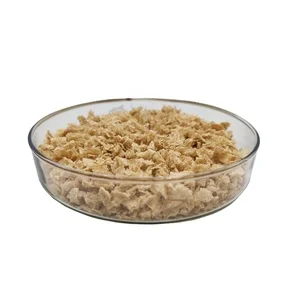
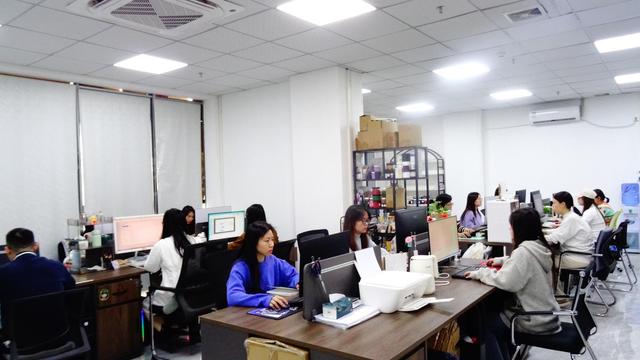
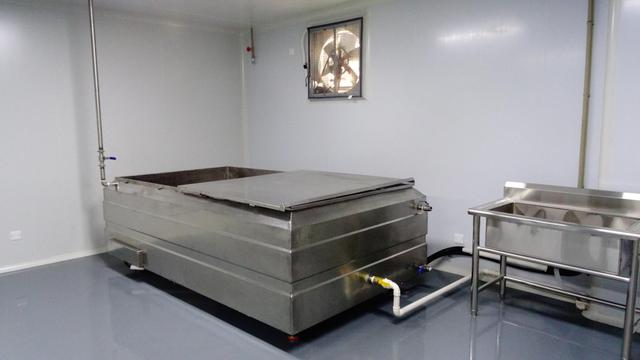
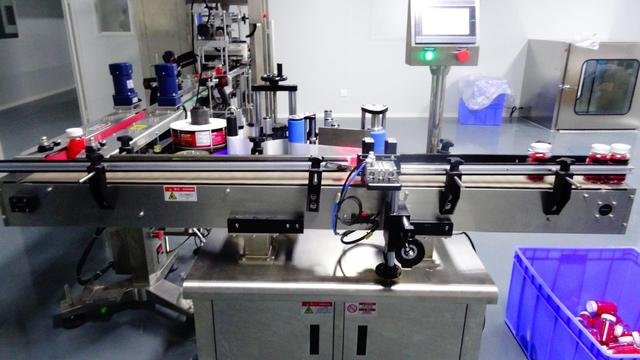
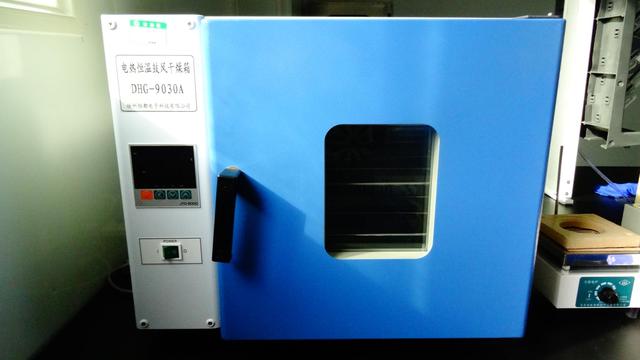
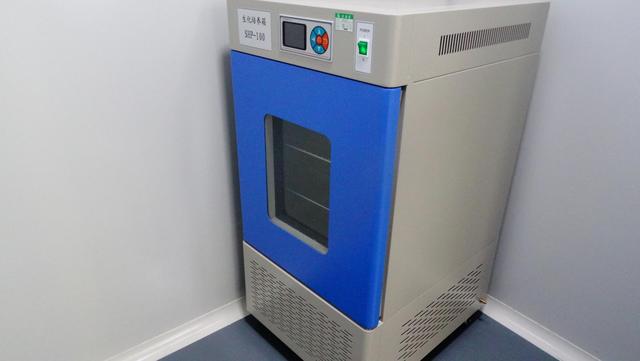
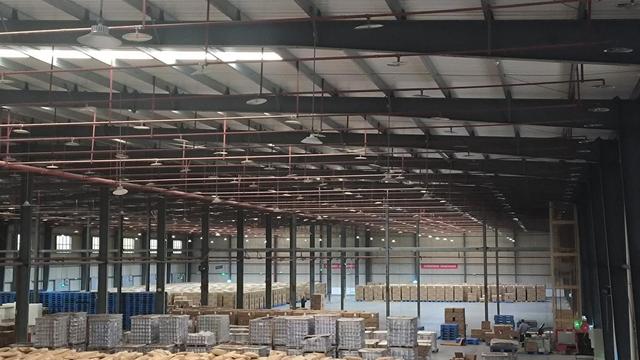
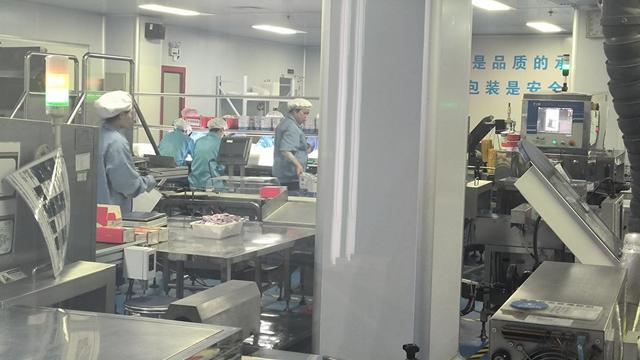
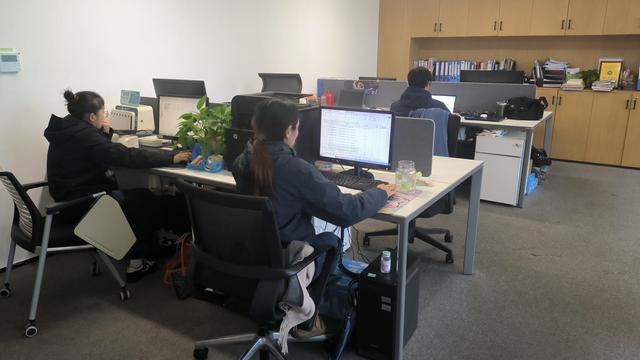
A glimpse into our manufacturing scale, high-precision extrusion systems, and microbiological laboratories.
Answering major queries from food formulators, quality assurance engineers, and procurement directors in Melbourne.
 Entry Biology