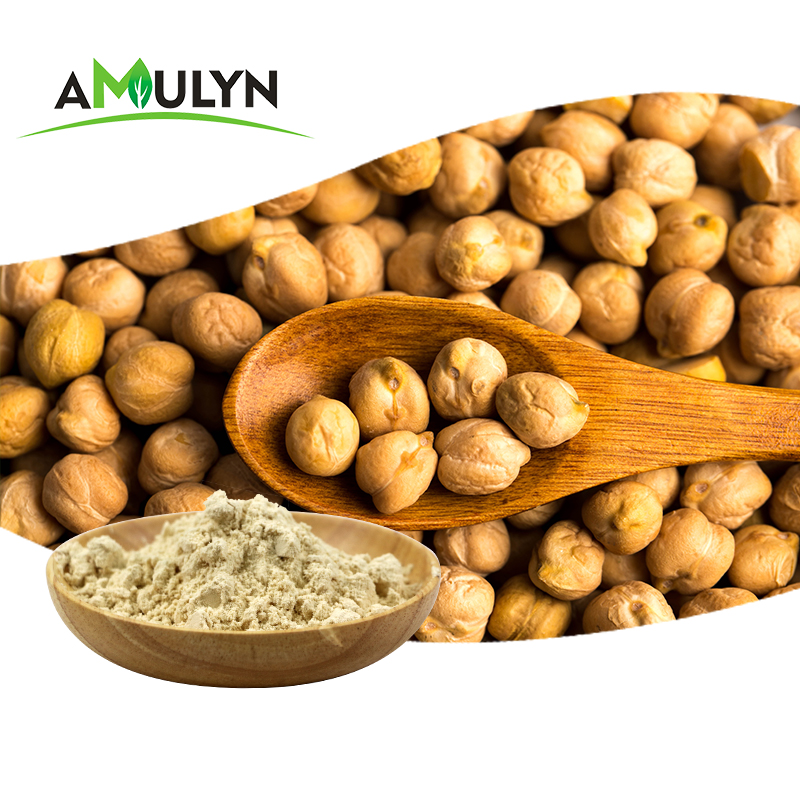
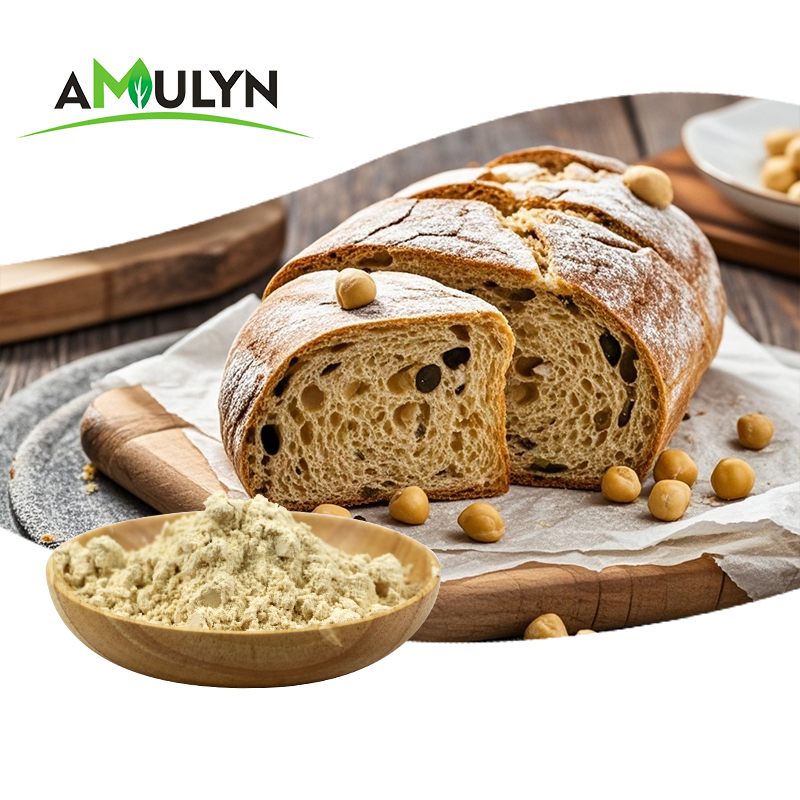
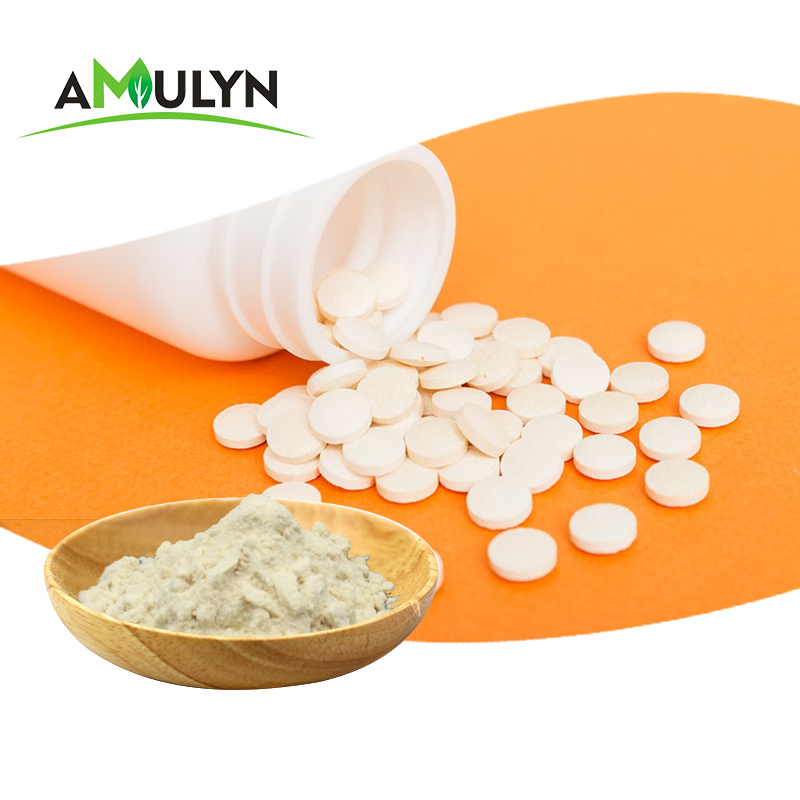
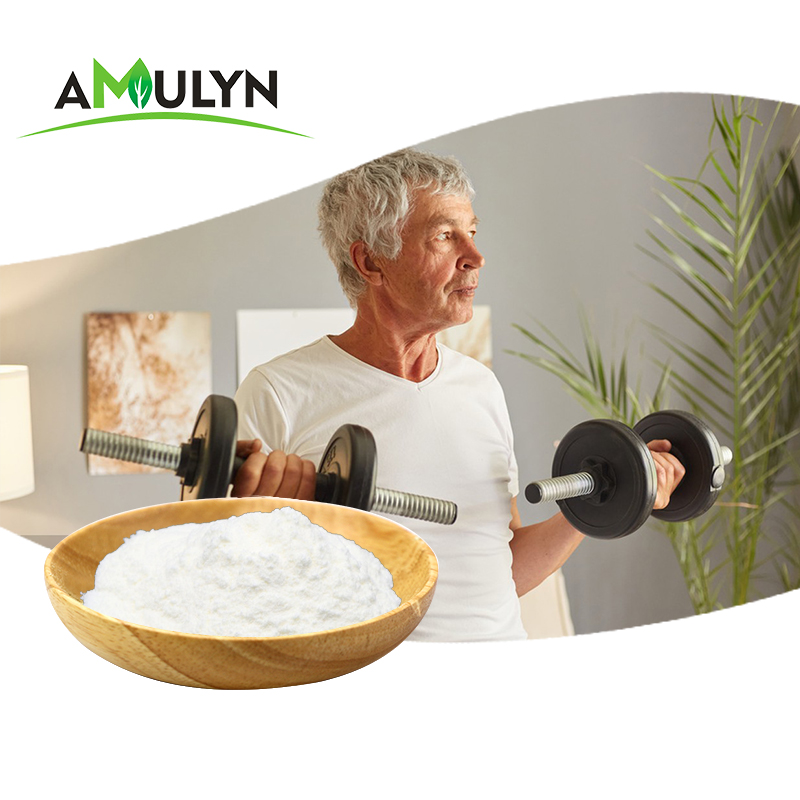
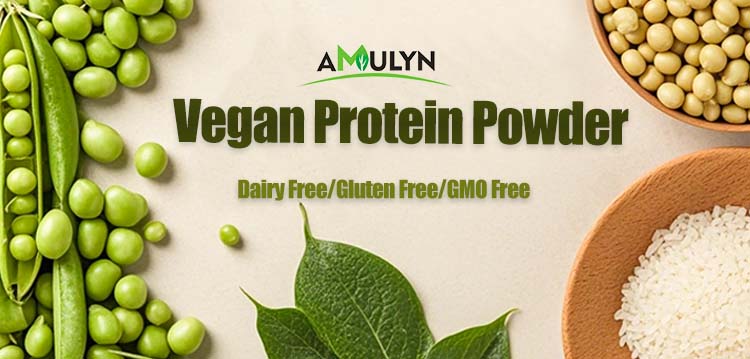
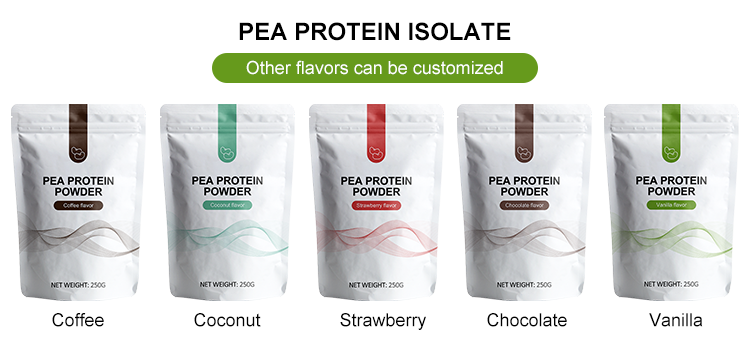
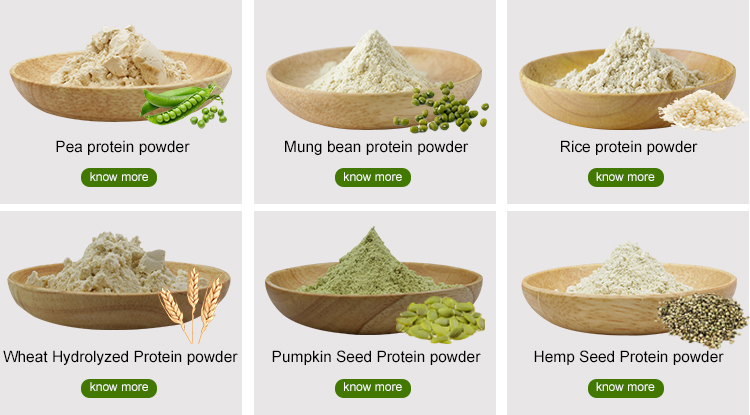
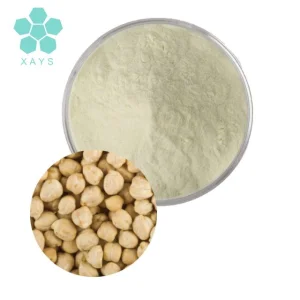
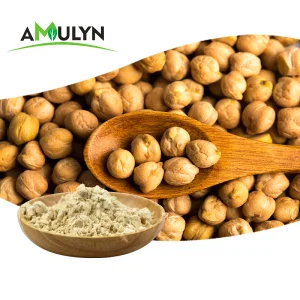
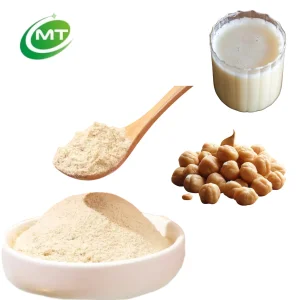
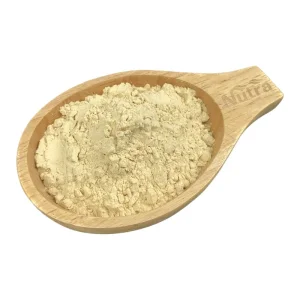
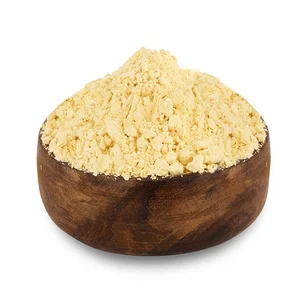
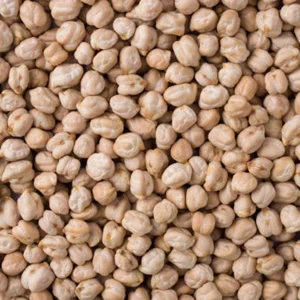
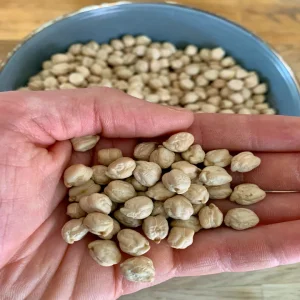
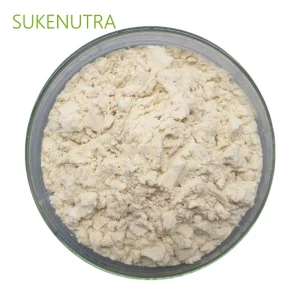
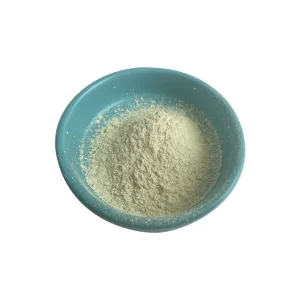
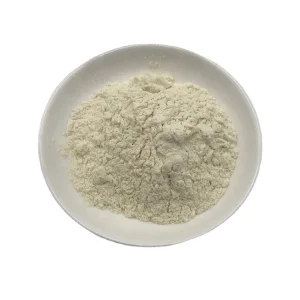
Plant protein is a high-quality protein extracted from plants. Products with it as the main ingredient have many advantages and characteristics. Plant protein products are rich in a variety of essential amino acids for the human body. These amino acids are the basic materials for building human tissues and maintaining physiological functions. From the source, they are mainly extracted from common crops such as soybeans, peas, and wheat. In terms of health benefits, plant protein products are generally cholesterol-free and low in saturated fat compared to animal proteins. At the same time, plant protein products can also play a positive role in weight management. Their rich dietary fiber can increase satiety and reduce food intake. Plant protein products are also diverse in taste and eating methods. Plant protein powder has a delicate taste and can be easily dissolved in water, milk or juice to make delicious and nutritious protein drinks. In addition, with the increase in environmental awareness, the sustainable development advantages of plant protein products have gradually become prominent. The production of plant protein requires relatively few resources and has less impact on the environment, which meets the demand of modern society for green and environmentally friendly products.
Frequently Asked Questions
What are the primary sources of your plant proteins?
Our plant proteins are mainly extracted from common high-quality crops, including soybeans, peas, and wheat.
How do plant proteins compare to animal proteins regarding health benefits?
Unlike animal proteins, plant-based proteins are generally cholesterol-free, low in saturated fat, and rich in dietary fiber, which aids in overall cardiovascular health.
Can these plant proteins be used in sports nutrition?
Yes. They are rich in essential amino acids necessary for muscle repair and building, making them ideal for sports nutrition, protein powders, and dietary supplements.
Are the plant protein products allergen-free and vegan?
Yes, the products feature allergen-free, non-GMO, vegan, and full-price protein characteristics suitable for various clean-label applications.
Why is plant protein considered environmentally friendly?
The production of plant-based protein requires relatively fewer natural resources, such as land and water, and releases fewer greenhouse gases, contributing to green and sustainable development.
How can plant protein powder be added to a daily diet?
It has a delicate texture and dissolves easily in water, milk, or juices, allowing you to prepare nutritious drinks, shakes, or mix it into body-shaping food formulations.
 Entry Biology