100% Plant-Based Protein Chickpea Protein for Food Plant-Based Meat
Product Description
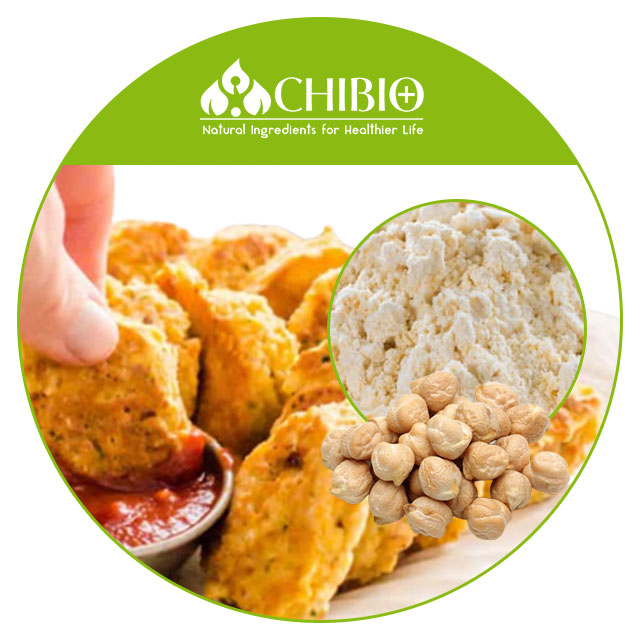
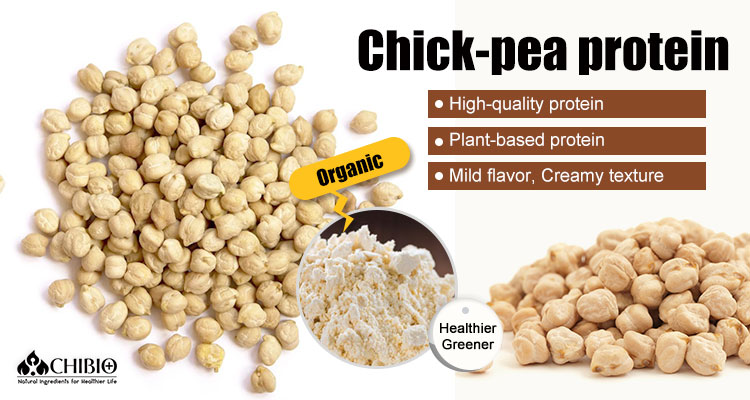
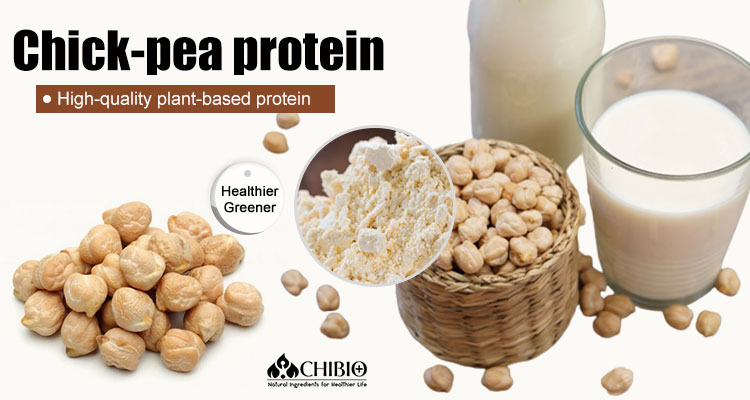
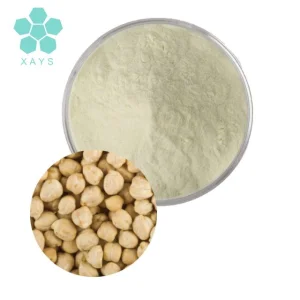
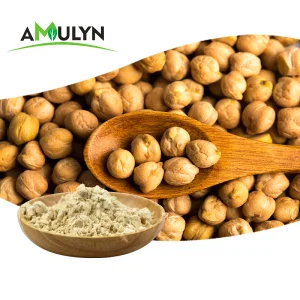
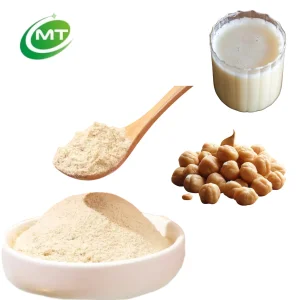
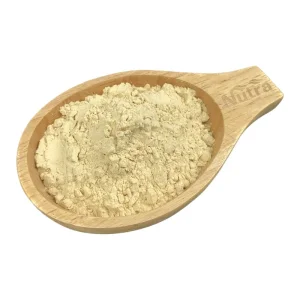
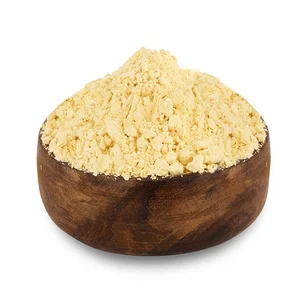
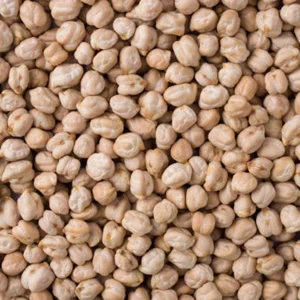
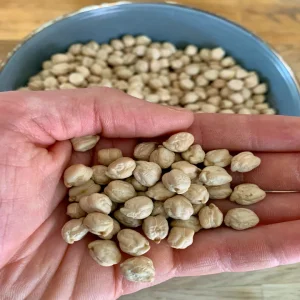
Studies have shown that chickpeas are one of the most desirable plant proteins available as an alternative to animal proteins. In recent years, chickpeas have been popping up frequently in online recipes in vegan, fashion and fitness circles. Chickpea protein has a higher protein content than flour, and its taste and texture are closest to whey protein compared to other plant proteins.
Chickpeas have a mild flavor, and creamy texture. Compared to other legumes, the taste is relatively neutral and does not easily affect the taste of other foods. Chickpea protein also has stable emulsifying properties and foaming properties that allow it to be used as an ingredient in vegan custard; the boiled water is used as an egg white substitute and can be whipped as a plant-based cream. Chickpea starch, which has recently appeared on the market, has excellent gel and thickening properties.
Total Plate Count Yeast & Mold Coliforms E.Coli. Salmonella
≤1000 cfu/g ≤100 cfu/g Negative Negative -
Complies Complies Negative Negative Complies
Packing & Storage
Cool and Dry, 24 months shelf life in proper storage. Prevent it from strong light and heat.
-
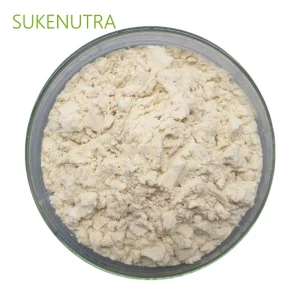
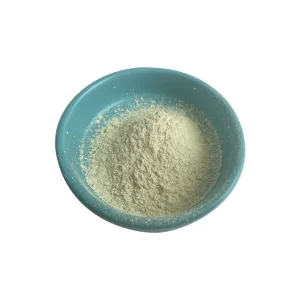
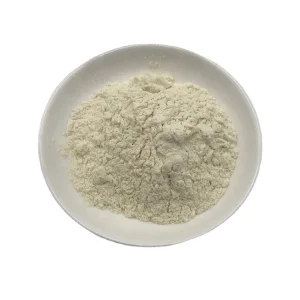
We have both organic and regular sizes of Chick-pea protein powder.
High nutritional value and wide range of applications.
The flavor of the ingredients is a non-negligible part of the product. Many plant proteins can produce bitterness or some undesirable flavors, which makes it necessary to add additional sugar, artificial flavors or other masking agents to cover these flavors in plant-based products. Chickpeas have a neutral taste and therefore allow for a significant reduction in the use of the aforementioned additives. In addition, bulk dairy ingredients such as milk, nuts and soy are very common allergens. In contrast, allergies to chickpeas are extremely rare.
Although not a complete protein like soy, egg, or casein, chickpeas are a high-quality source of concentrated protein with a digestibility of 93%, which is high within the vegetable protein segment. When making artificial meat products from organized vegetable protein, it is often necessary to add pea fiber or combine it with other proteins, and sometimes even tapioca starch. Chickpea protein extracts contain the required fiber, protein, and natural starch, so it is possible to use this single component to meet the textural requirements. In addition, chickpea protein does not require the use of additives such as methylcellulose, which has a gelation and emulsification function.
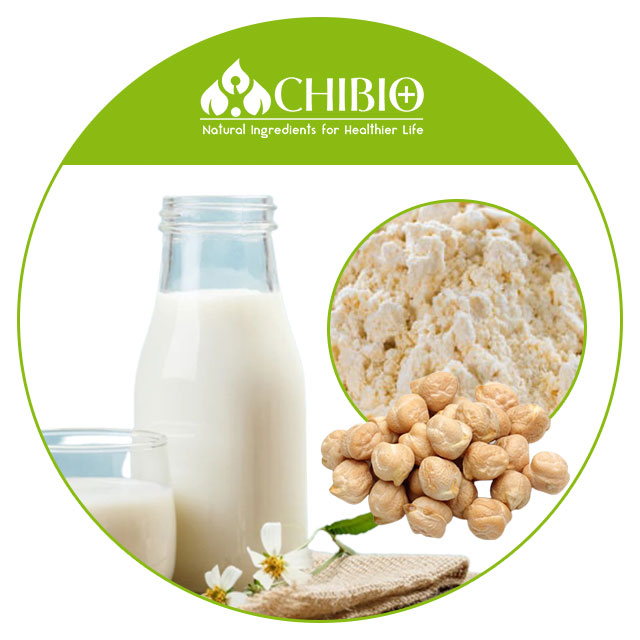
Chickpea Protein For Plant-based Milk
Data shows that global plant-based milk is growing at a rate three times higher than the food & beverage industry average. with a CAGR of 22% between 2014-2018, the overall demand for plant-based milk is increasing rapidly. However, plant-based milk has been struggling with solubility and flavor issues, whereas chickpea isolate is highly soluble, high in protein content, and neutral in flavor, making it ideal for replacing cow's milk. Plant-based dairy products made from chickpeas are better able to mimic the flavor, texture, and nutritional value of cow's milk and yogurt.
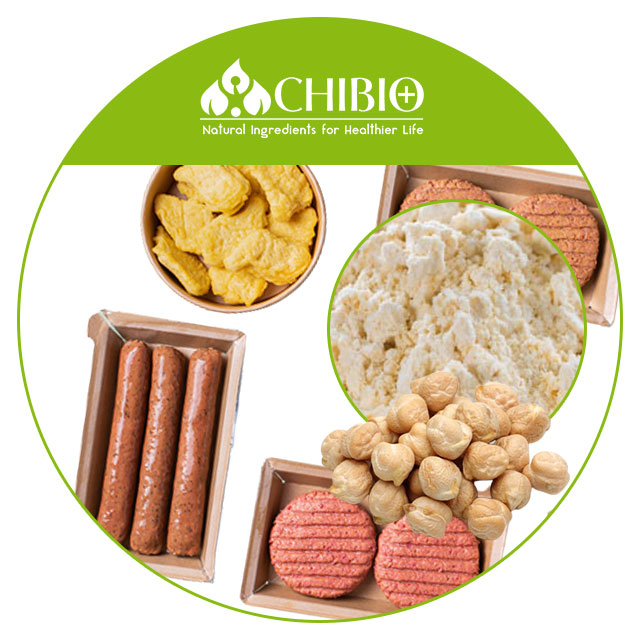
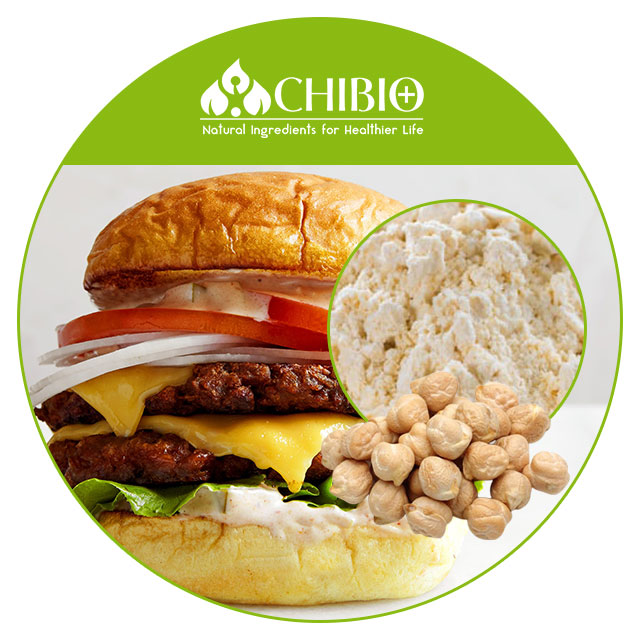
Chickpea Protein For Plant-based Meat
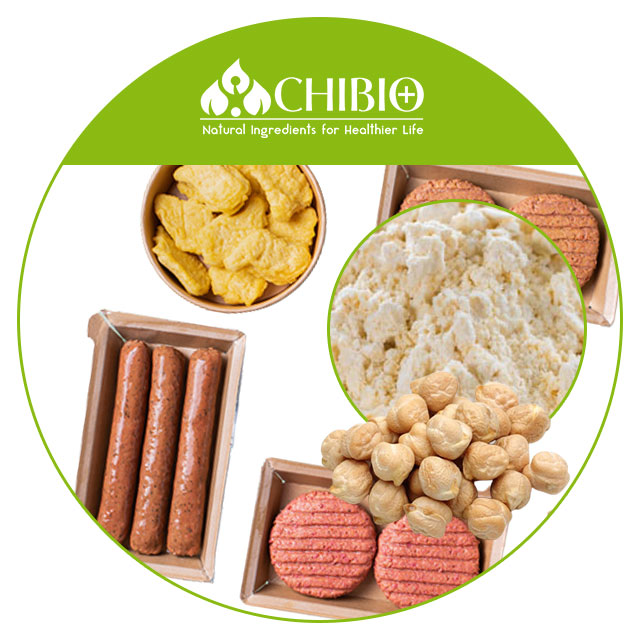
Chickpeas also show great promise when it comes to plant-based meat. Finding more suitable protein sources for phytogenic meat production is arguably the biggest challenge facing the industry today. Restructuring the protein structure after extrusion or other techniques to best mimic the texture of the meat is also one of the problems that are currently difficult to solve.
Chickpea protein itself is not only a high-quality protein source but also has a binding effect. Its protein extract contains both fiber, protein, and starch, so using only chickpea protein extract can mimic the texture of plant meat and meet the needs of clean labeling.
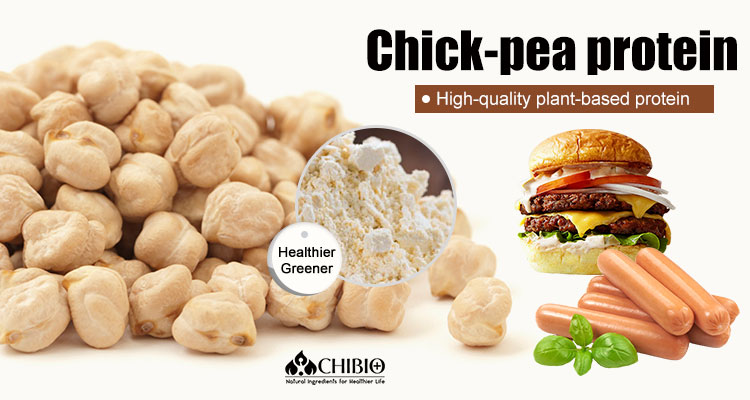
It is known that a raw material supplier in the U.S. has produced the world's first chickpea plant tissue protein through a drying process for use in foods such as burgers and sausages. The protein has a small, uniform particle size, neutral flavor, good taste and appearance. Its good functional properties, water-oil binding quality, freeze-thaw stability and suspension contribute to alternative plant-based meat options. Industry sources say, "Chickpea protein products are firm but not pasty, not too soft, and easily formed but not gummy."
High protein and low fat + plant-based features can be said to be the premise of chickpeas are favored. Industry analysts believe that the direction of chickpea development, one category is the health upgrade of traditional snacks, the other is the application of plant protein, whether as plant meat or plant alternative milk, chickpea future in the market there are more areas worth exploring.
Packing & Delivery
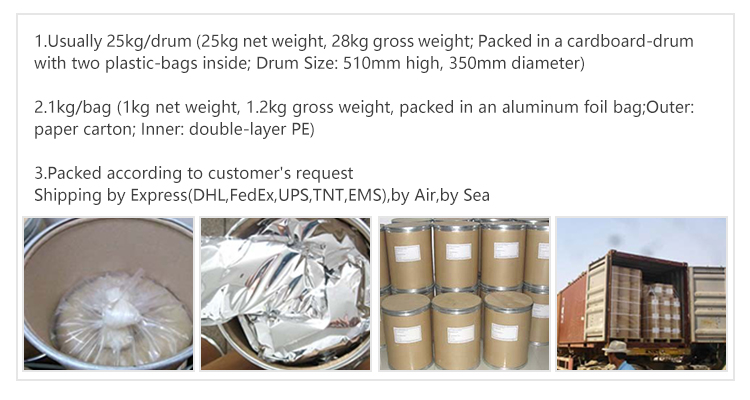
Usually 25kg/drum (25kg net weight, 28kg gross weight; Packed in a cardboard-drum with two plastic-bags inside; Drum Size: 510mm high, 350mm diameter)
1kg/bag (1kg net weight, 1.2kg gross weight, packed in an aluminum foil bag; Outer: paper carton; Inner: double-layer PE)
Packed according to customer's request
Shipping by Express (DHL, FedEx, UPS, TNT, EMS), by Air, by Sea
Frequently Asked Questions
Q1: Why is chickpea protein considered a good alternative to animal proteins?
Chickpeas are highly desirable plant proteins due to their high protein content, which is higher than flour. Their taste and texture are closer to whey protein compared to other plant-based proteins, making them an excellent clean alternative in modern diets.
Q2: What functional properties does chickpea protein offer in food applications?
Chickpea protein possesses stable emulsifying and foaming properties. It can be used as an ingredient in vegan custard, and its boiled water (aquafaba) functions as an egg white substitute that can be whipped into plant-based cream. Chickpea starch also offers excellent gel and thickening properties.
Q3: How does chickpea protein compare to other plant proteins regarding allergens and flavor?
Unlike common allergens like milk, nuts, and soy, allergies to chickpeas are extremely rare. Furthermore, chickpeas have a neutral taste, which reduces the need for sugar, artificial flavors, or masking agents commonly used to cover the bitterness found in other plant proteins.
Q4: Can chickpea protein extract simplify clean labeling for plant-based meat?
Yes. Because chickpea protein extract naturally contains fiber, protein, and starch, it can mimic the required texture of plant-based meats single-handedly. This eliminates the need for external binding additives such as methylcellulose, helping achieve a clean label.
Q5: What are the standard packaging options for chickpea protein powder?
The powder is typically supplied in either 25kg cardboard drums (containing double-layer PE bags) or 1kg aluminum foil bags with outer paper cartons. Custom packaging can also be arranged according to client requirements.
 Entry Biology