Entry Biology
1 / 5
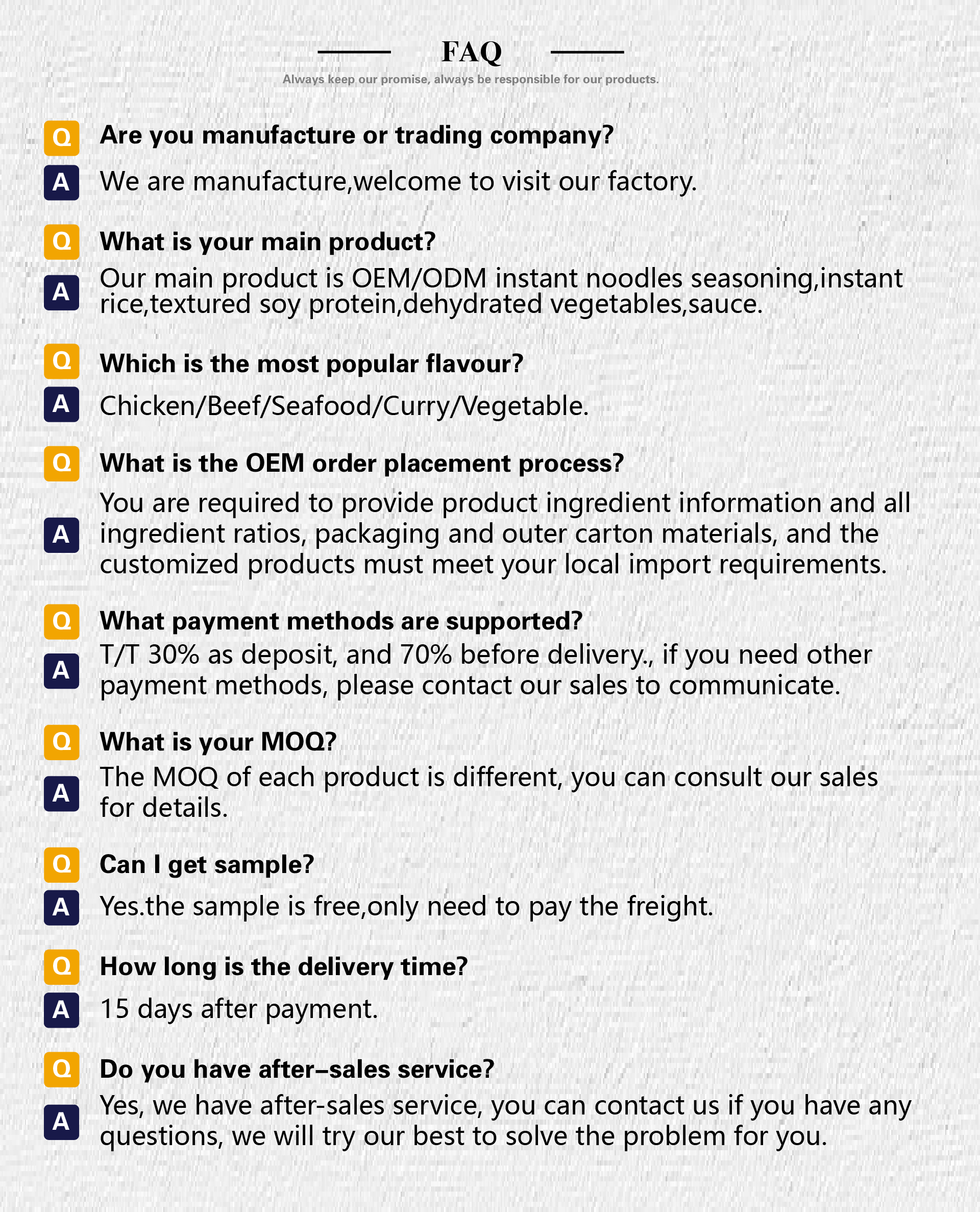

Welcome to send us a consultation, we will reply your questions in time, you can also send us your contact information, we will get in touch with you as soon as possible. Welcome to leave a message for after-sales problems, we will try our best to solve them for you!
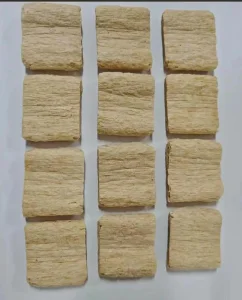
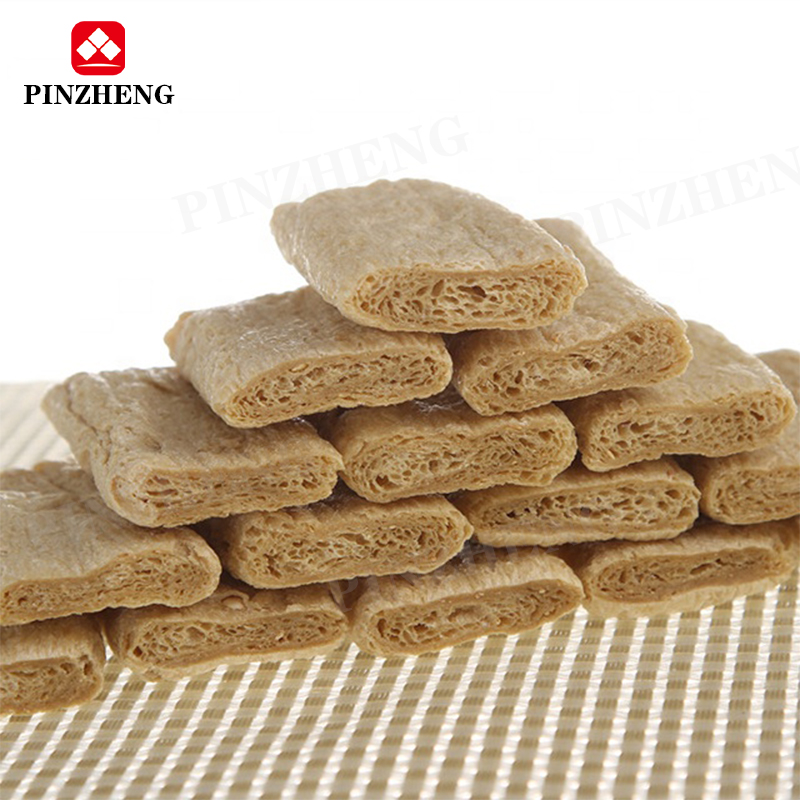
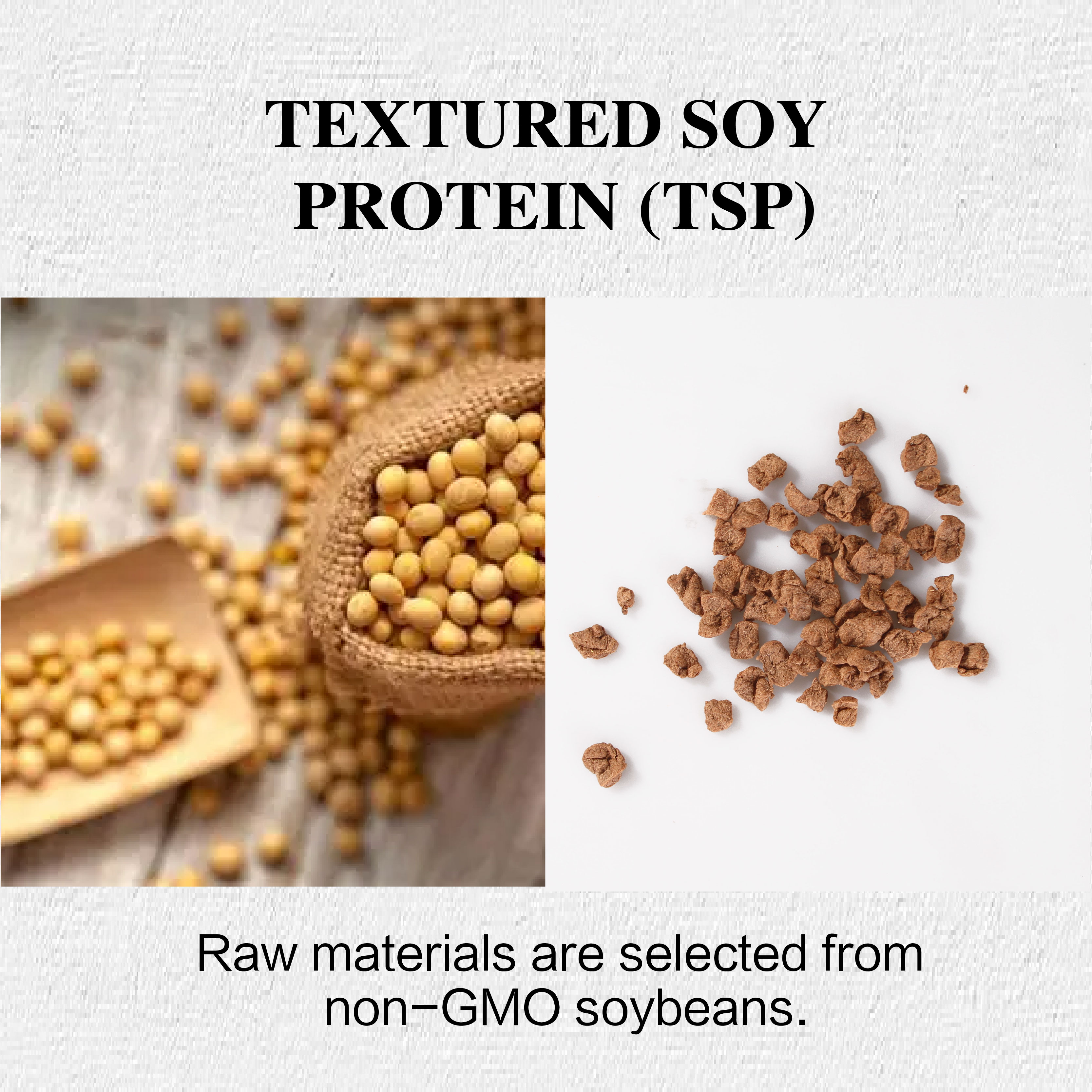
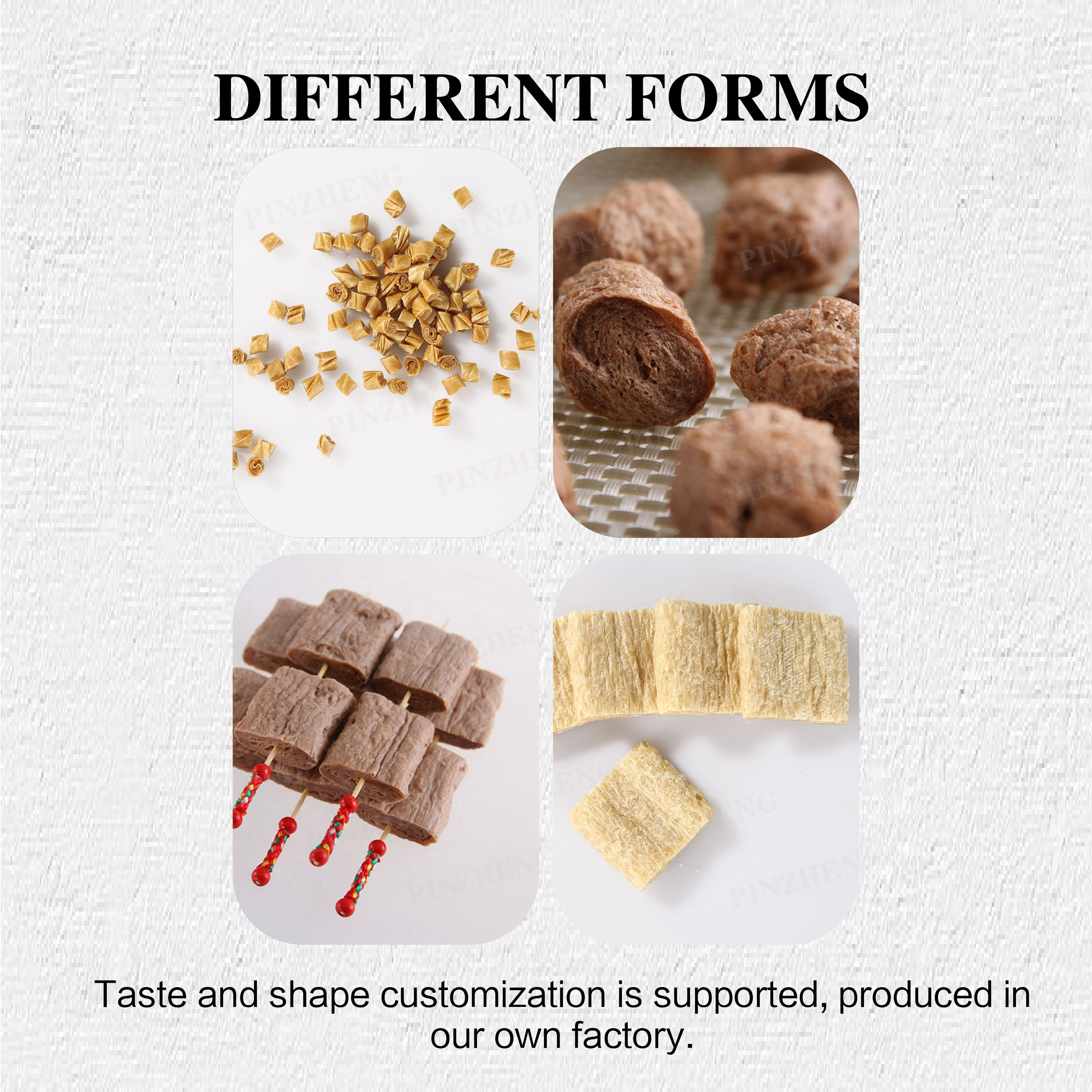
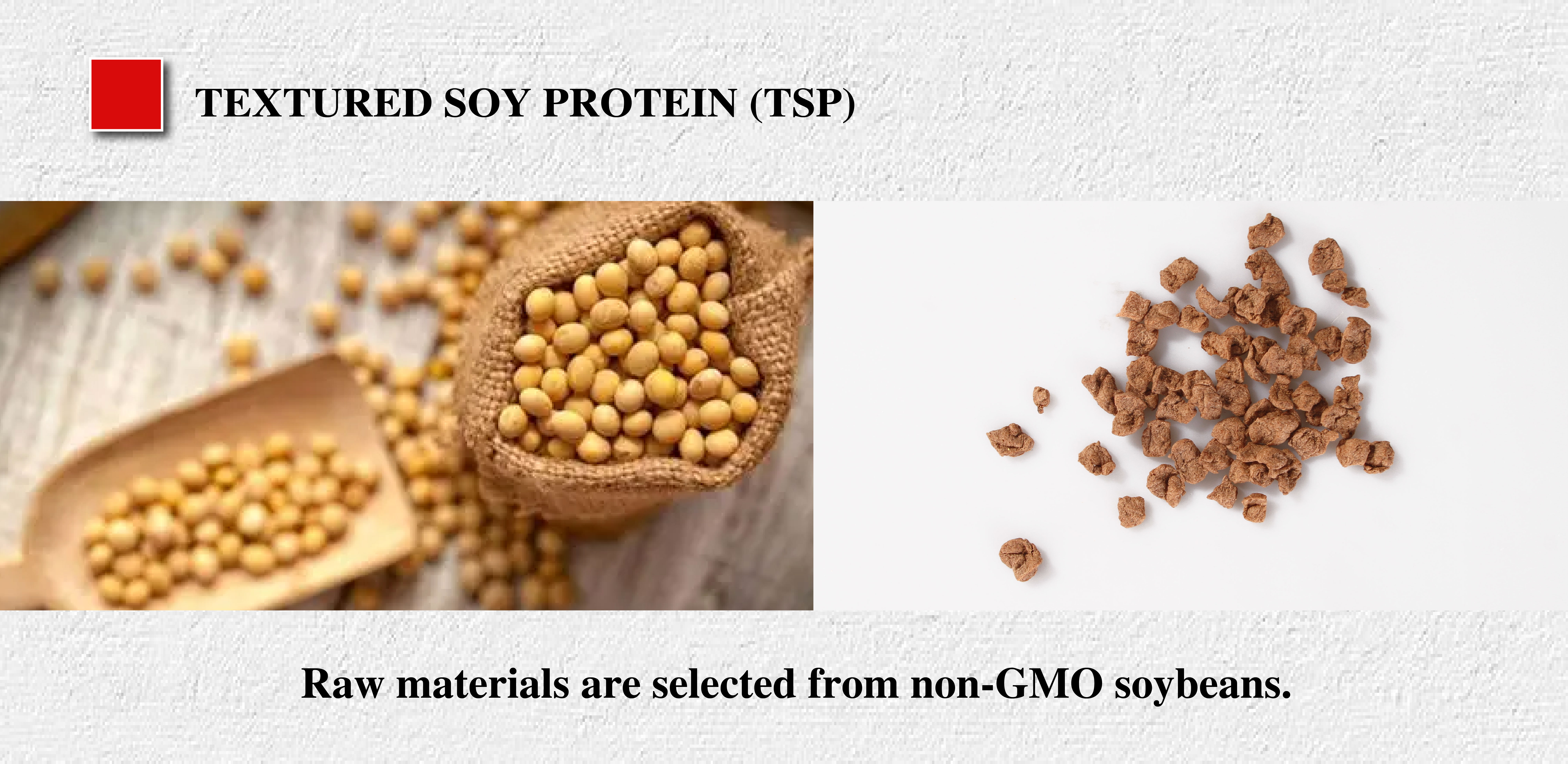
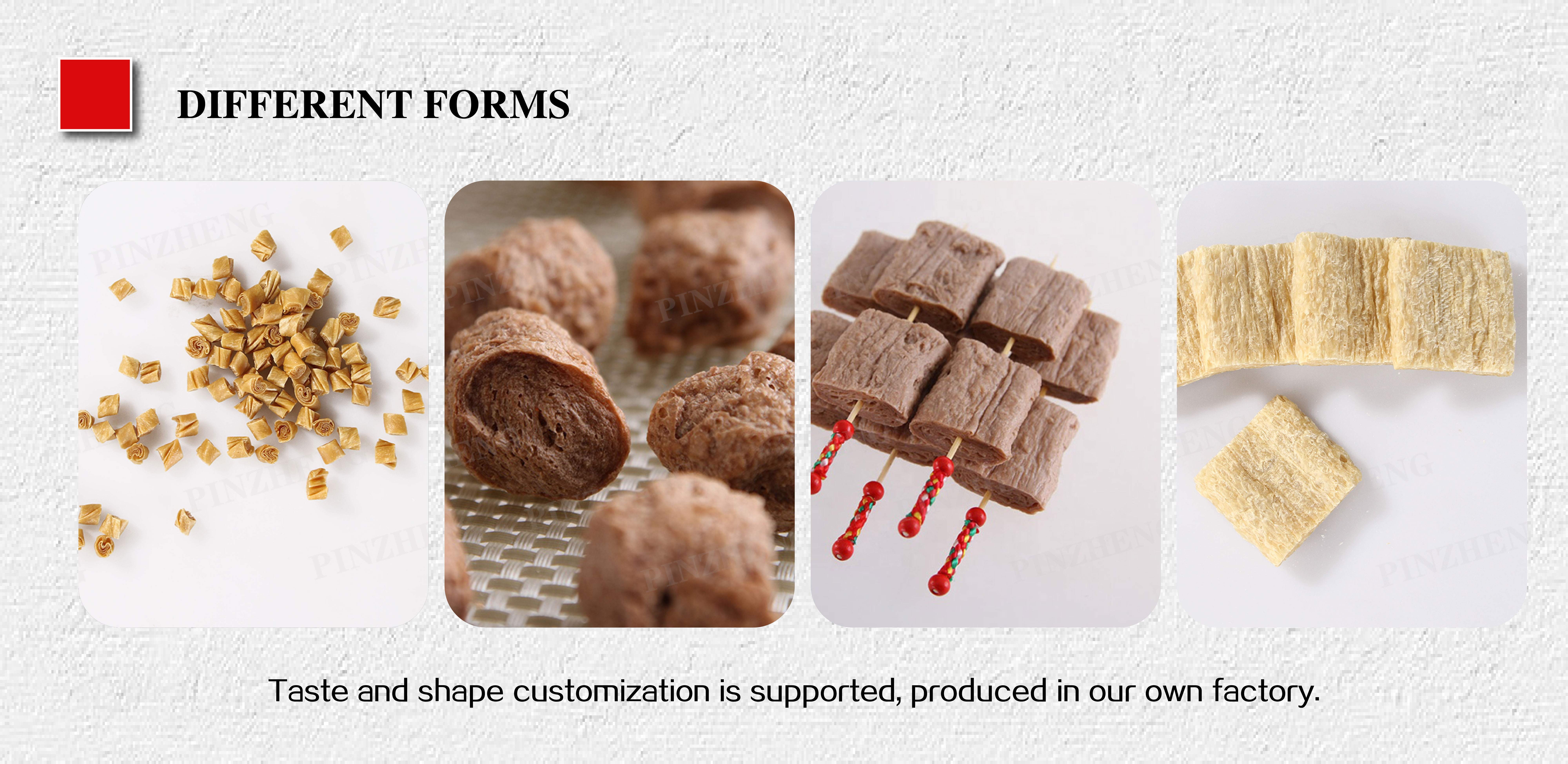
Textured soy protein (TSP), also known as textured vegetable protein, is made from defatted soy flour. The flour is mixed with water, heated under pressure, and extruded through a die into various shapes. Once dried, it yields a lightweight, shelf-stable product with a fibrous texture similar to meat.
To prepare textured soy protein, simply rehydrate it by soaking it in hot water or broth for about 10 to 15 minutes until it becomes soft and expands. Once rehydrated, squeeze out excess moisture, and it is ready to be seasoned, cooked, or added directly to your recipes.
Textured soy protein is an excellent source of complete plant-based protein, containing all nine essential amino acids. It is low in fat, cholesterol-free, and high in dietary fiber, iron, calcium, and B vitamins, making it a highly nutritious choice for vegetarian and vegan diets.
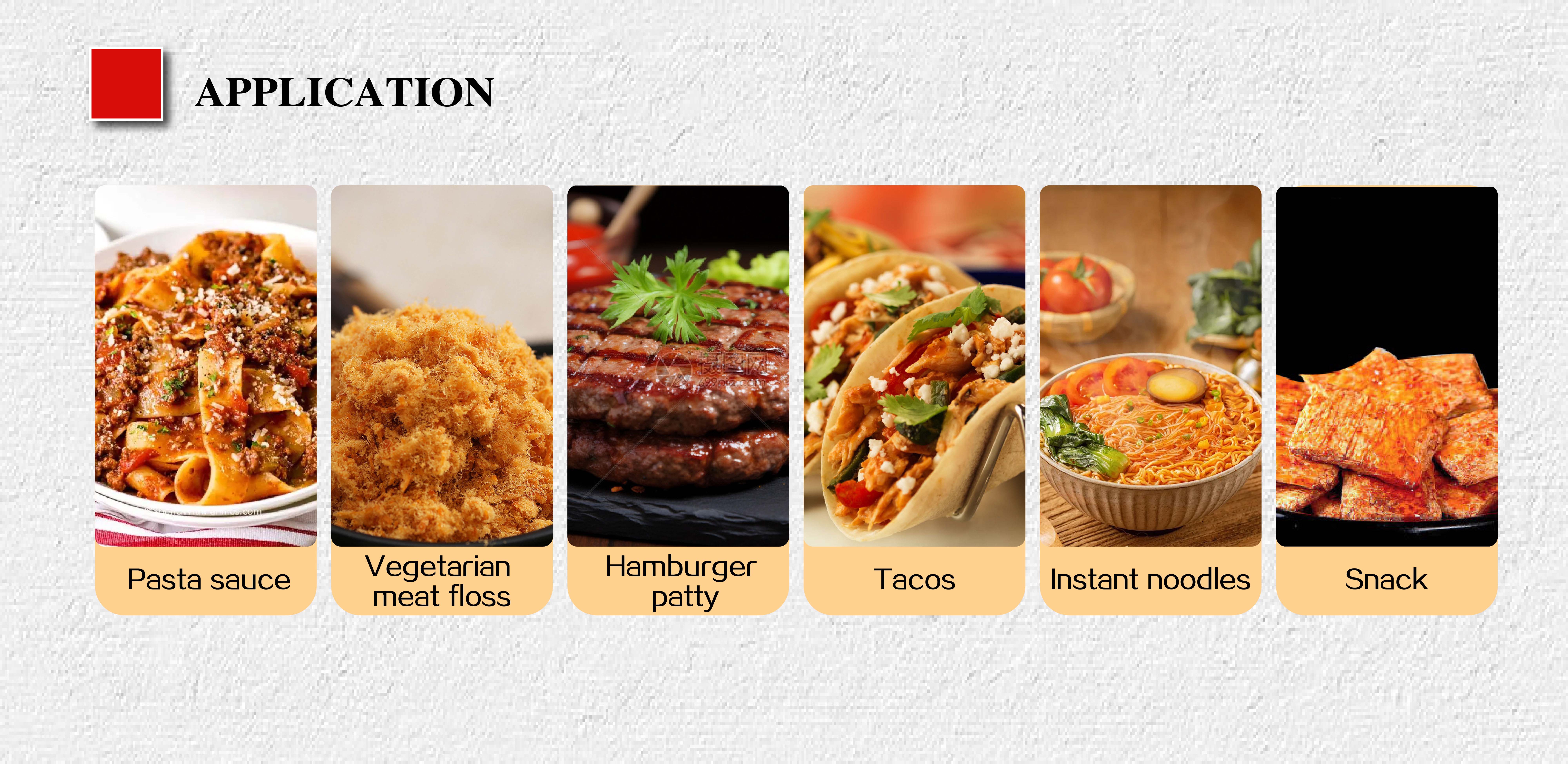
Yes, because of its fibrous texture, it mimics the mouthfeel of ground meat exceptionally well. It is commonly used as a meat extender or complete meat replacement in dishes such as chili, bolognese, tacos, burgers, and stews.
Dry, unhydrated textured soy protein should be stored in a cool, dry place in an airtight container, where it can last for up to a year. Once rehydrated, it must be kept refrigerated and consumed within 3 to 4 days, or frozen for longer storage.