High-purity isolates, modified structures, and engineered functional starches designed for advanced applications.
Consumers globally are rejecting chemical emulsifiers and synthetic additives, forcing food brands to seek structural plant proteins with intrinsic functional capabilities.
Modern sports nutrition and geriatric supplements require optimized amino acid indices (PDCAAS = 1.0) achieved through precise blending of soy, pea, and crop-derived proteins.
Developing proteins that resist thermal precipitation during ultra-high temperature processing remains critical for ready-to-drink (RTD) plant beverages.
The global ingredient landscape is experiencing a paradigm shift. Today, functional plant proteins are no longer treated simply as meat replacements or dietary supplements for specific groups. Instead, they serve as foundational structural building blocks across a diverse range of applications, including bakery, confectionery, convenience foods, cosmetics, and medical nutrition. This transformation is driven by changes in consumer demands, regulatory standards, and food technology.
In mature markets like North America and Europe, the demand for clean-label products is shifting toward "functional transparency." Consumers and regulatory bodies are asking for ingredients that are not only natural and non-GMO but also contribute positive nutritional value. Functional proteins, particularly plant-based isolates and hydrolyzed peptides, satisfy these requirements by offering excellent water-binding, emulsification, gelation, and viscosity-control properties without needing synthetic stabilizers or food starches.
Furthermore, sustainability concerns are leading to advancements in manufacturing processes. Key industry players are moving away from traditional chemical isolation methods in favor of water-based physical separations and enzymatic processing. These advanced techniques protect the natural protein structures, ensuring better solubility and digestibility. As a result, the demand for high-performing ingredients like pea protein isolates, mung bean peptides, and low-viscosity soy isolates continues to grow globally.
A premier Chinese vegetal protein manufacturer and global supply partner dedicated to raw material purity and technological innovation.
Hangzhou Entry Bio Co., Ltd. is a leading China vegetal protein manufacturer specializing in the research, production, and global supply of high-quality plant protein ingredients and food-grade protein solutions. With a strong commitment to innovation, quality, and sustainability, the company serves customers across the food, beverage, nutrition, and health industries worldwide.
Leveraging advanced manufacturing technologies and strict quality management systems, Hangzhou Entry Bio Co., Ltd. offers a comprehensive portfolio of plant-based ingredients, including soy protein, pea protein, rice protein, textured vegetable protein, and customized protein blends. These products are widely used in meat alternatives, dairy alternatives, sports nutrition, functional foods, bakery products, beverages, and nutritional supplements.
Quality and food safety are at the core of the company's operations. From raw material sourcing to finished product delivery, every production stage is carefully monitored to ensure consistent quality, purity, and performance. The company adheres to international quality standards and continuously invests in product innovation to meet the evolving demands of the global plant-based market.
As a reliable plant protein ingredients supplier, Hangzhou Entry Bio Co., Ltd. also provides professional technical support and customized formulation services, helping customers develop competitive and market-oriented products. Backed by an experienced R&D team and efficient supply chain management, the company is capable of delivering tailored solutions for diverse application requirements.
Resolving concerns related to allergen control, supply chain disruptions, and functional compatibility.
Purchasing functional proteins on a global scale presents several key challenges for procurement managers. The primary issues include 1) batch-to-batch variation in solubility, 2) heavy metal and chemical residue contamination, and 3) logistics disruptions that can impact production schedules. When buying plant-based proteins, maintaining consistent raw material quality is crucial, as even small changes in pH or mineral content can alter the texture and taste of the final food products.
To address these challenges, modern global food brands are working closely with trusted Chinese manufacturers like Hangzhou Entry Bio Co., Ltd. By establishing direct partnerships with suppliers that control their raw material sourcing and process validation, buyers can secure a consistent supply of high-purity protein ingredients.
| Procurement Challenge | Traditional Supply Flaws | Hangzhou Entry Bio Solutions |
|---|---|---|
| Functional Inconsistency | Fluctuations in gelling strength and water retention. | Controlled physical extraction parameters and automated processing lines. |
| Heavy Metals & Allergens | Cross-contamination and insufficient testing protocols. | Strict allergen segregation and systematic testing in certified laboratories. |
| Supply Chain Disruptions | Unpredictable lead times and single-source dependencies. | Diversified sourcing networks, robust inventory reserves, and strategic shipping access. |
| Clean Label Regulatory Compliance | Use of chemical solvents (like hexane) during processing. | Water-based separation and clean-label enzymatic processing methods. |
How automated manufacturing and smart logistics optimize the cost-to-performance ratio.
The manufacturing of plant proteins is transitioning from traditional batch processing to smart, automated production lines. China's leading ingredient factories are adopting Factory 4.0 principles, which incorporate real-time sensor monitoring, automated enzymatic controls, and smart logistics systems. This modern infrastructure allows for exact control over critical process variables like temperature, pressure, extraction time, and pH, ensuring consistent product performance.
These advanced production methods also offer significant efficiency advantages. By recycling energy and water during extraction, modern facilities lower operational costs while meeting environmental standards. This allows Hangzhou Entry Bio Co., Ltd. to supply cost-effective, high-performance plant proteins that meet strict international regulations (FSSC 22000, Kosher, Halal, USDA Organic).
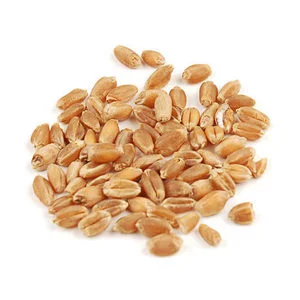
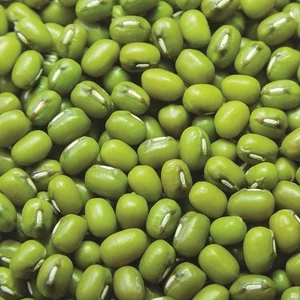
Non-GMO crops undergo multi-stage physical cleaning, size classification, and color sorting to remove organic impurities and defective grains.
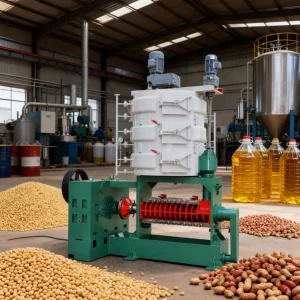
Applying mechanical cold-pressing methods to isolate oils without using harsh chemical solvents, preserving the natural protein structure.
Controlled solubilization followed by industrial decanting to separate insoluble fibers from target proteins.
Using specific food-grade enzymes to break down proteins into functional peptides, improving water solubility and reducing beany notes.
Direct spray drying at controlled temperatures yields a fine powder, which passes through multi-frequency metal detection before packaging.
Engineered functional protein solutions designed for specific formulations and processing conditions.
Our Textured Vegetable Proteins (TVP) feature a fibrous structure that mimics animal meat. They maintain their texture and water-binding capacity during high-shear extrusion and thermal cooking.
Our low-viscosity soy and pea isolates dissolve easily and remain stable in acidic and neutral UHT beverage formulations without settling or grittiness.
Mung bean peptides and plant isolates provide quick absorption and balanced amino acid profiles, supporting muscle recovery and dietary needs.
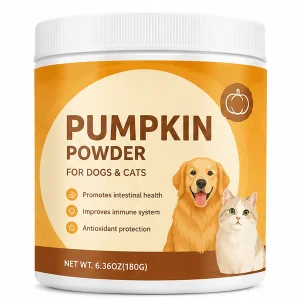
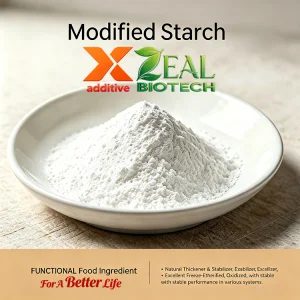
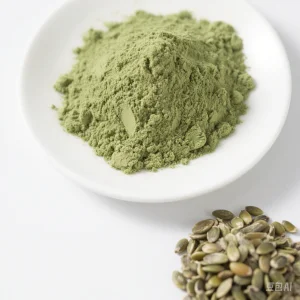
In addition to food applications, functional proteins are increasingly used in the premium animal health and pet food industries. For instance, our Pet Pumpkin Powder combined with highly digestible plant proteins offers a source of dietary fiber that supports digestive health in companion animals. For bakery applications, modified starches work alongside plant proteins to control moisture migration and starch retrogradation, extending the freshness of baked goods.
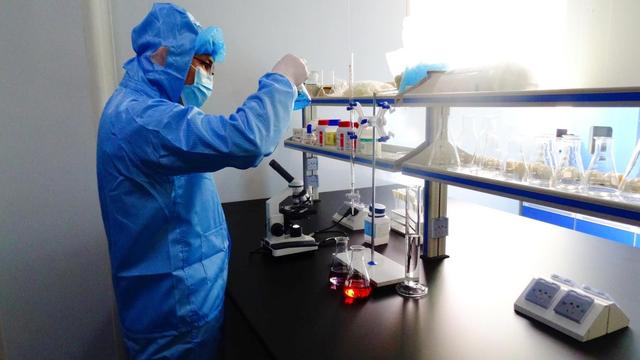
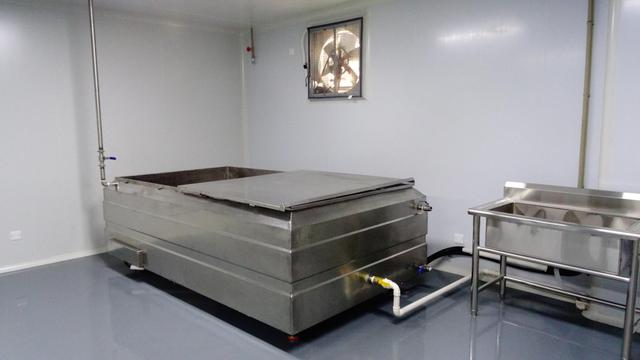
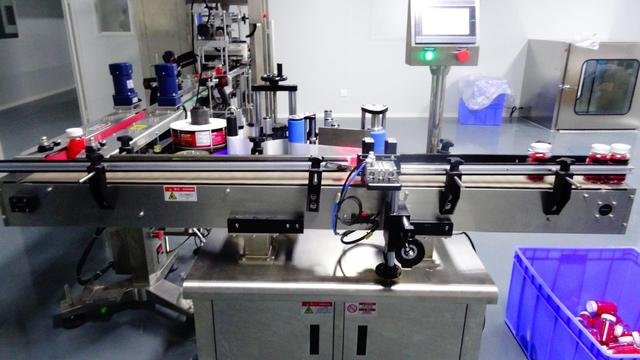
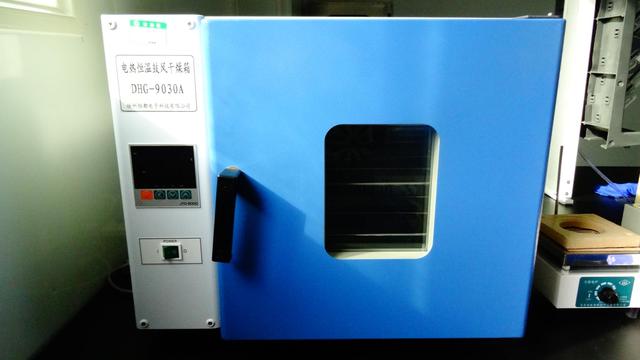
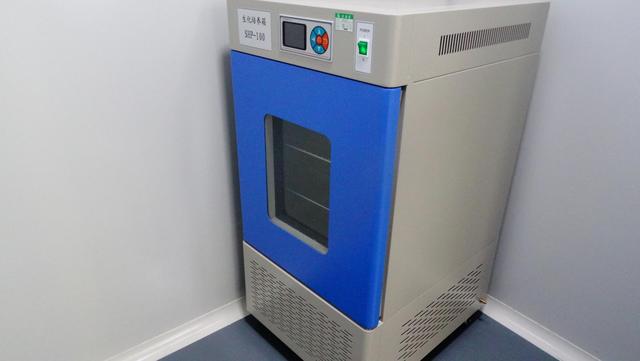
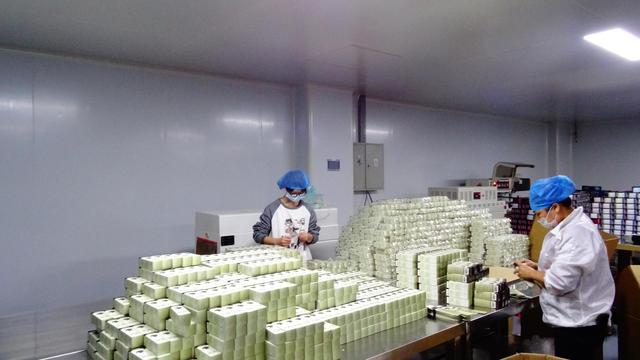
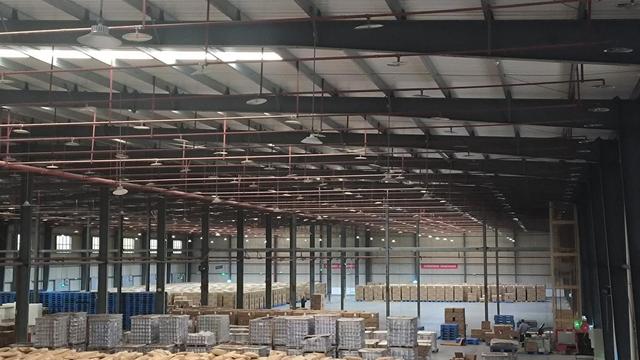
Inside our ISO-compliant manufacturing, research, and warehousing facilities.



Technical details, order minimums, and shipping information for international buyers.
Explore our full line of functional plant proteins, dietary supplements, and process equipment.

 Entry Biology