The global consumer ecosystem is undergoing a major transition. Traditional processed foods are rapidly losing market share to functional, clean-label, and nutrition-dense alternatives. In response, global snack brands, distributors, and health-focused enterprises are seeking reliable Custom OEM Nutritious Snacks Factories & Exporters capable of bridging the gap between raw ingredient extraction and refined finished products.
Today's procurement directors prioritize suppliers who offer more than just basic manufacturing. They need partners who can navigate complex supply chain parameters: non-GMO verification, pesticide residue controls, precise heavy metal tracking, and allergen-free processing lines. To capture market share in competitive regions like North America, Europe, and the Asia-Pacific, brands must incorporate advanced plant-based protein bases—such as pea, rice, oat oligopeptides, and fermented yeast proteins—directly into their customized snack formulations.
Hangzhou Entry Bio Co., Ltd. is a leading China vegetal protein manufacturer specializing in the research, production, and global supply of high-quality plant protein ingredients and food-grade protein solutions. With a strong commitment to innovation, quality, and sustainability, the company serves customers across the food, beverage, nutrition, and health industries worldwide.
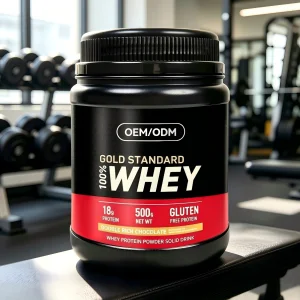
Leveraging advanced manufacturing technologies and strict quality management systems, Hangzhou Entry Bio Co., Ltd. offers a comprehensive portfolio of plant-based ingredients, including soy protein, pea protein, rice protein, textured vegetable protein, and customized protein blends. These products are widely used in meat alternatives, dairy alternatives, sports nutrition, functional foods, bakery products, beverages, and nutritional supplements.
Quality and food safety are at the core of the company's operations. From raw material sourcing to finished product delivery, every production stage is carefully monitored to ensure consistent quality, purity, and performance. The company adheres to international quality standards and continuously invests in product innovation to meet the evolving demands of the global plant-based market.
As a reliable plant protein ingredients supplier, Hangzhou Entry Bio Co., Ltd. also provides professional technical support and customized formulation services, helping customers develop competitive and market-oriented products. Backed by an experienced R&D team and efficient supply chain management, the company is capable of delivering tailored solutions for diverse application requirements.
Achieving the perfect balance of taste, texture, stability, and nutritional profile requires a scientific approach to plant protein extraction and blending.
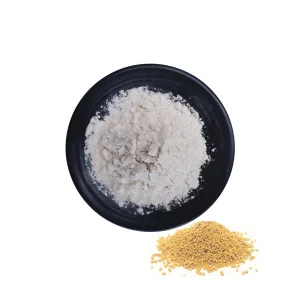
Using premium Pea Protein Isolates and Soy Protein Isolates containing ≥90% dry-basis protein content. Our physical-separation extraction processes preserve the native globular protein structure, guaranteeing optimal gelation, emulsification, and water-binding capacity in protein bars, puffed bites, and functional cookies.
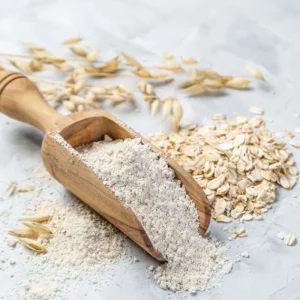
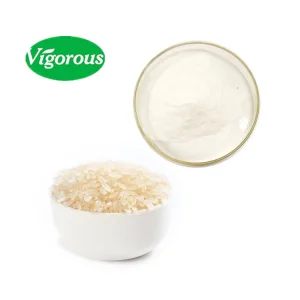
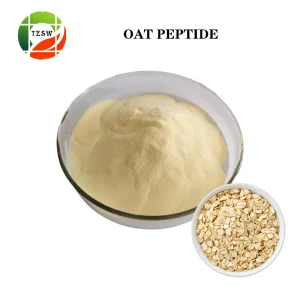
Our advanced enzymatic hydrolysis lines break down large proteins into low-molecular-weight peptides, such as Hydrolyzed Oat Oligopeptides and Hydrolyzed Rice Protein. These bio-available ingredients offer rapid digestive absorption, reduced allergenicity, and functional health properties like antioxidant activity.
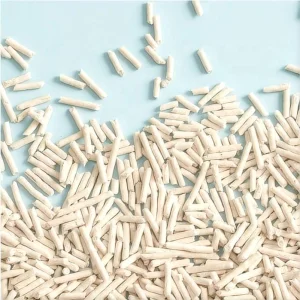
Utilizing Textured Vegetable Protein (TVP) technology to create fiber-rich, chewy matrices for savory snacks, jerky alternatives, and protein-packed crispies. We carefully control shear stress, temperature, and moisture within twin-screw extruders to produce the desired bite and texture.
Choosing the correct base ingredient is critical to meeting your target demographic's expectations. Below is an engineering overview of how various plant proteins perform across functional categories:
| Ingredient Base | Protein Concentration | Primary Functional Role | Allergen Status | Ideal Snack Applications |
|---|---|---|---|---|
| Pea Protein Isolate | 80% - 85% | High emulsification, water binding, high solubility | Allergen-Free | High-protein baked bars, extruded crisps, shake mixes |
| Soy Protein Isolate | 90% | Strong gelation, high cohesion, neutral taste profile | Contains Soy Allergen | Meat analogue snacks, high-protein cookies, TVP jerky |
| Hydrolyzed Rice Protein | 80% - 90% | Hypoallergenic, easy digestion, rapid assimilation | Allergen-Free | Infant foods, recovery snacks, clinical nutrition bars |
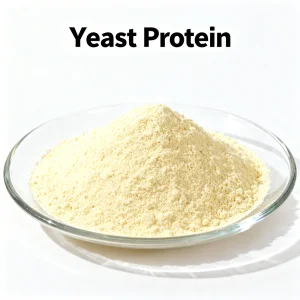
| Fermented Yeast Protein | 88% | Excellent amino acid profile, minimal flavor distortion | Allergen-Free | Premium vegan meal replacements, keto-friendly bites |
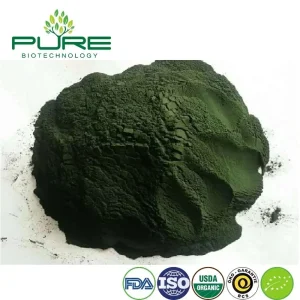
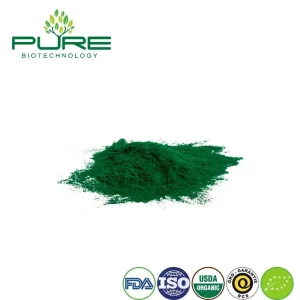
| Spirulina Protein Powder | 60% - 70% | Superfood positioning, natural deep green pigment | Allergen-Free | Functional green bites, health bars, antioxidant snacks |
To stay competitive, we continuous optimize flavor and texture profile engineering:
A key challenge in the plant-based snack sector is flavor and texture. Raw legume and cereal extracts often introduce bitter notes or a gritty mouthfeel. Our R&D team resolves these issues using physical and enzymatic technologies rather than chemical maskers.
We employ precise enzyme-assisted hydrolysis to cleave specific peptide bonds. This process minimizes bitterness while improving solubility and biological absorption. By refining the molecular weight distribution of proteins, we control viscosity, elasticity, and shelf stability in commercial snack formulations. Our clean-label solutions utilize pea fiber and functional starch complexes to deliver cohesive textures without relying on synthetic texturizers.
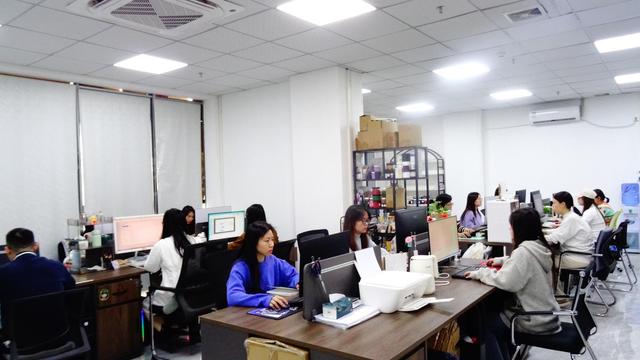
Hangzhou Entry Bio Co., Ltd. enforces international quality standards at every step, from raw material inspection to high-capacity packaging lines.

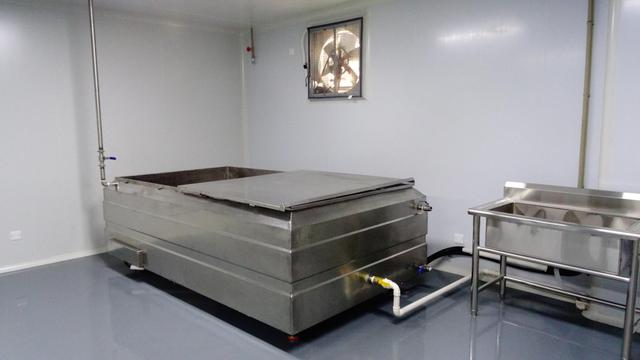
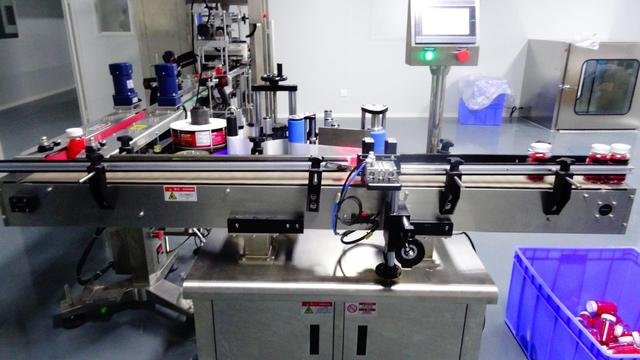
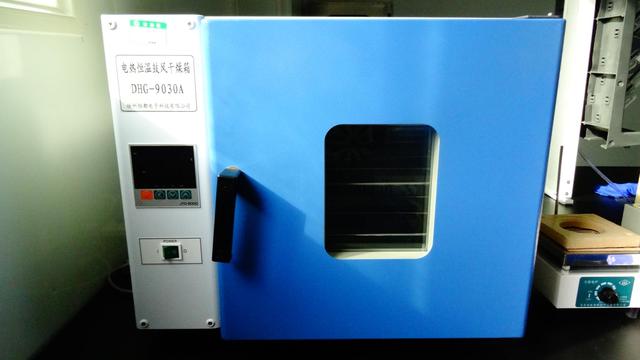
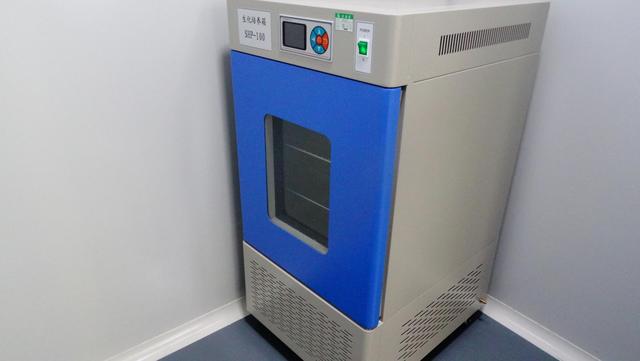
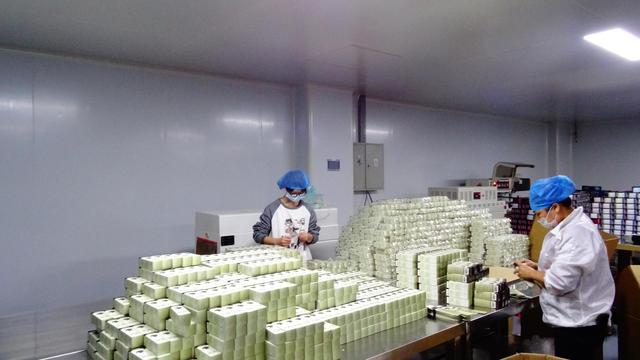
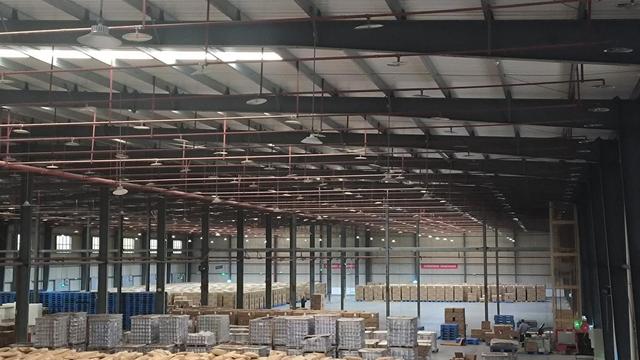
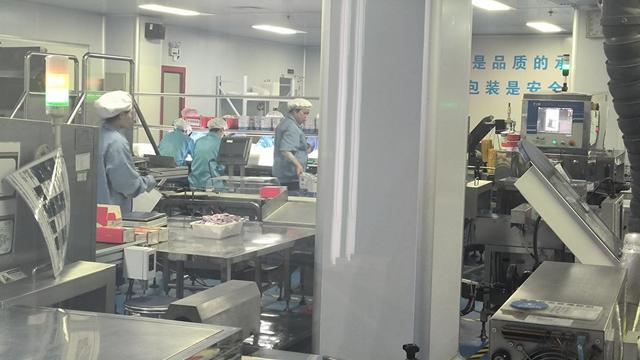

Exporting nutritious snacks and functional protein bases requires strict compliance with international food regulations. Each importing region enforces its own specific safety standards:
Hangzhou Entry Bio Co., Ltd. addresses these regulatory requirements through standard batch testing and complete document packages. We provide Certificate of Analysis (CoA) records, microbiological screenings, heavy metal limits reports, and allergen declarations with every shipment.
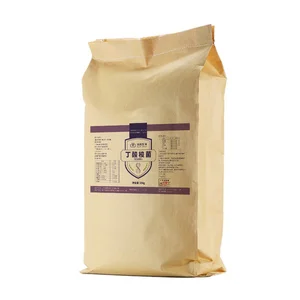
Our logistics team offers flexible shipping configurations, including standard 25kg multi-wall bags, bulk super-sacks, and custom retail-ready packaging. By utilizing moisture-barrier liners and vacuum seal technologies, we maintain product quality and shelf life throughout sea and air transport.
 Entry Biology
![[HOSOME]Food Grade TVP Textured Vegetable Protein enhances the taste of meals across different cuisines FREE SAMPLE texture](https://site.cdnfile.io/122de3eb248bc8ac730dda273a4a33bc300_300.webp)