Explore our top-tier selection of industrial-grade plant-based protein extracts, functional peptides, and amino acid isolate powders developed for global manufacturing.
Analysing structural changes in consumer demands, allergen profiles, and functional matrix requirements across the nutrition and food science landscape.
Soy and wheat have historically dominated the market, but allergen risks are pushing formulators toward pea, hemp, and chickpea extracts. Current R&D focuses on maintaining high protein concentrations (80-90%) without using chemical hexane extraction, aligning with global regulatory updates from the FDA and EFSA.
Through advanced hydrolysis, factories can break down large vegetable proteins into small bioactive peptides (molecular weight <1000 Da). These peptides offer improved solubility and are absorbed faster by the human body, driving growth in the clinical nutrition and cosmetic sectors.
Historically, plant proteins struggled with solubility in acidic drinks and gritty texture in food formulations. Innovative heat treatments and enzymatic cross-linking have resolved this, allowing manufacturers to create clear, stable functional beverages with no settling issues.
For procurement leads, sourcing plant protein extracts requires balancing purity and chemical residue management. Our factories focus on clean extraction technologies that protect the protein's native structure while ensuring high yield.
1. Subcritical Water & Cold Pressing
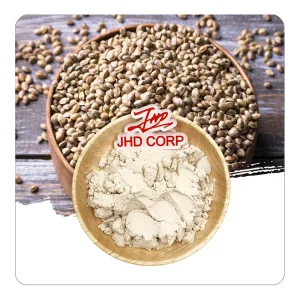
Used for delicate seeds like hemp and pumpkin seeds, this solvent-free method prevents protein denaturation, leaving essential micronutrients, minerals, and healthy fats intact.
2. Mild Aqueous Alkaline Extraction followed by Isoelectric Precipitation
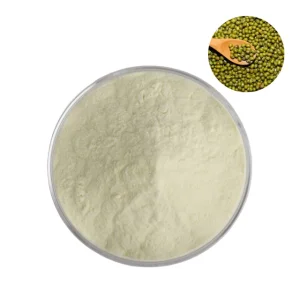
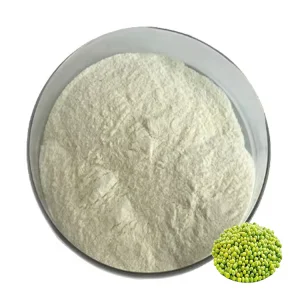
This process is the standard for isolating pea and mung bean proteins, helping achieve protein purity levels over 80% while removing anti-nutritional factors like phytates and trypsin inhibitors.
3. Controlled Hydrolysis & Spray Drying
Using targeted enzymes, we break down proteins into functional peptides. Gentle spray-drying then produces a free-flowing, dispersible powder suitable for instant mixing.
Buyers should confirm these criteria when choosing a factory partner:
Modern plant protein production is more than raw materials; it relies on supply chain integration and processing efficiency. Hangzhou Entry Bio Co., Ltd. leads this shift in China, combining state-of-the-art automation with strict food safety measures to support global buyers.
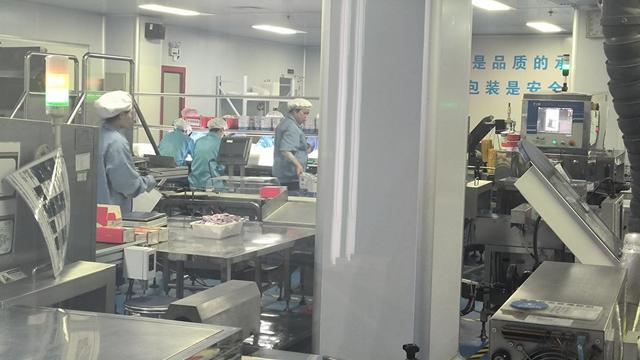
Through our automated systems, we monitor raw material feeds, temperature control, and packaging lines in real-time. This dynamic management reduces batch-to-batch variation, a key challenge in large-scale natural ingredient extraction.
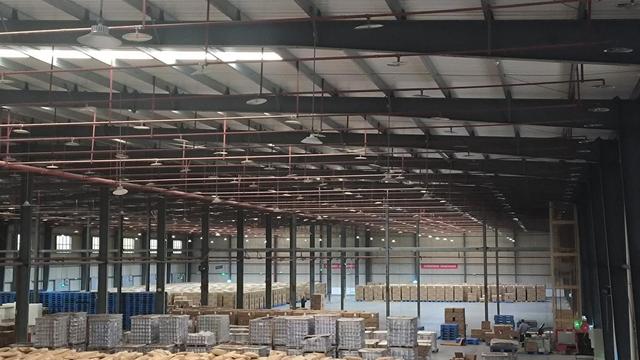
To address shipping bottlenecks and long lead times, we maintain dedicated warehouses in the United States and Europe. This localized inventory strategy allows us to fulfill orders quickly, bypassing typical transoceanic shipping delays and providing stable, just-in-time raw materials for global food and beverage brands.
Hangzhou Entry Bio Co., Ltd. is a leading China plant protein manufacturer specializing in the research, production, and global supply of high-quality plant protein ingredients and food-grade protein solutions. We serve customers across the food, beverage, nutrition, and health industries worldwide.
Leveraging advanced manufacturing technologies and strict quality management systems, we offer a comprehensive portfolio of plant-based ingredients, including soy protein, pea protein, rice protein, textured vegetable protein, and customized protein blends. These products are widely used in meat alternatives, dairy alternatives, sports nutrition, functional foods, bakery products, beverages, and nutritional supplements.
From raw material sourcing to finished product delivery, every production stage is carefully monitored to ensure consistent quality, purity, and performance. Backed by our experienced R&D team and efficient supply chain management, we deliver tailored solutions to meet diverse application requirements.
How global product developers formulate with vegetable protein isolates to achieve clean labels, stability, and nutritional profiles.
Formulation Challenge: Sedimentation and lack of creaminess in plant-based milks.
Solution: Soluble pea and fava bean isolates provide emulsification and mouthfeel, preventing separation in high-temperature UHT processing.
Formulation Challenge: Replicating the fibrous structure and bite of real meat.
Solution: High-moisture extrusion (HME) texturized proteins from wheat and soy recreate cross-linked fiber textures.
Formulation Challenge: Gritty texture and incomplete amino acid profiles.
Solution: Blending hemp, rice, and pea proteins delivers a complete amino acid profile rich in BCAAs, while micronized processing yields a smooth texture.
Get answers to common technical, compliance, and supply chain questions from our engineering and export logistics teams.
Our vegetable protein isolates generally have a shelf life of 24 months from the manufacturing date, provided they are stored in their original, unopened packaging. To preserve quality and prevent clumping or oxidation, store the products in a cool, dry warehouse (relative humidity <60%, temperature <25°C), away from direct sunlight, moisture, and strong odors.
We use dedicated production lines for allergen-free products like pea and hemp proteins. In multi-purpose facilities, we apply strict, validated wet-cleaning procedures (CIP systems) and perform ELISA testing to verify the absence of residues before running a new batch. We also conduct regular dust control and environmental swabbing to meet international allergen safety standards.
Pea protein isolate (typically 80-85% protein) is a whole-molecule protein used for gelation, water-binding, and texturizing in foods. Mung bean peptide is enzymatically hydrolyzed into short chains. This hydrolysis makes it highly soluble in water, improves stability in low pH beverages, and allows for faster digestion and absorption, making it ideal for sports nutrition and recovery supplements.
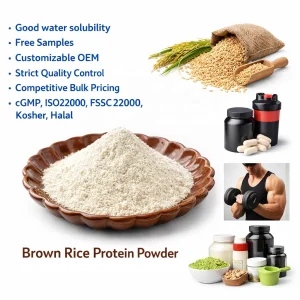
Yes. Our organic plant proteins, including organic brown rice protein and organic pumpkin seed protein, are certified under both USDA National Organic Program (NOP) and EU Organic regulations. We provide Transaction Certificates (TCs) for every batch, confirming a fully documented organic supply chain from the farm to our final packaging.
Our pea protein isolate has a PDCAAS of approximately 0.78 to 0.82. While it is rich in essential amino acids like lysine, it is slightly low in sulfur-containing amino acids (methionine and cysteine). Blending it with rice protein (which is rich in methionine) creates a complete amino acid profile with a PDCAAS close to 1.0, matching the protein quality of animal sources.
We source raw materials from contracted farms where soil quality and water supply are regularly monitored. Every incoming batch of raw materials is tested for heavy metals (lead, cadmium, mercury, arsenic) and multi-pesticide screens before entering production. Our final extracts are tested again to ensure compliance with strict US and European contaminants limits.
For custom production runs shipped directly from our main plant in China, ocean freight lead times generally range from 3 to 5 weeks depending on the destination port. For urgent requirements, customers can access immediate deliveries of standard items from our overseas warehouses in the US and Europe, where transit times are typically 3 to 7 business days.
Yes. We can customize physical properties like mesh size (typically from 80 mesh to 300 mesh) and bulk density to suit your production needs. For capsule filling, direct compression tableting, or instant beverage mixes, we adjust our milling and spray-drying settings to deliver the precise flowability and compressibility you require.
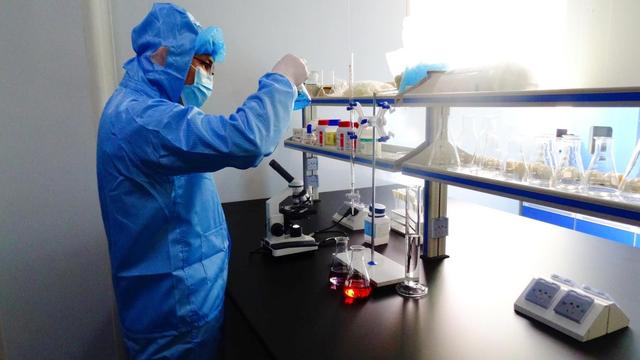
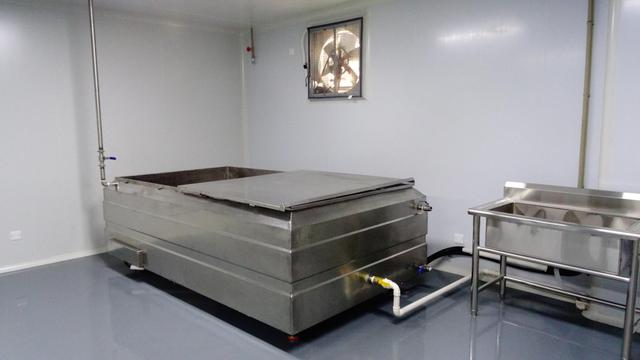
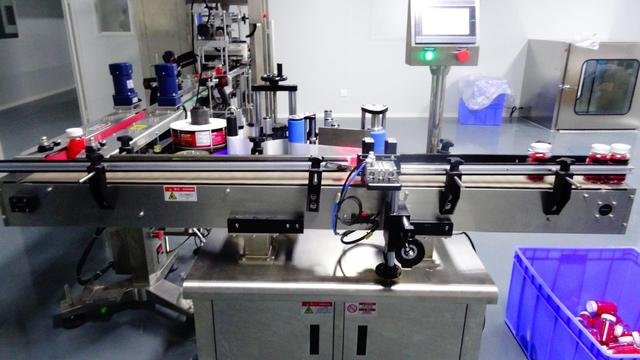
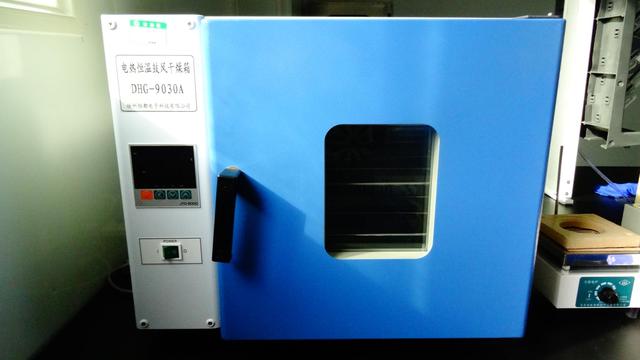
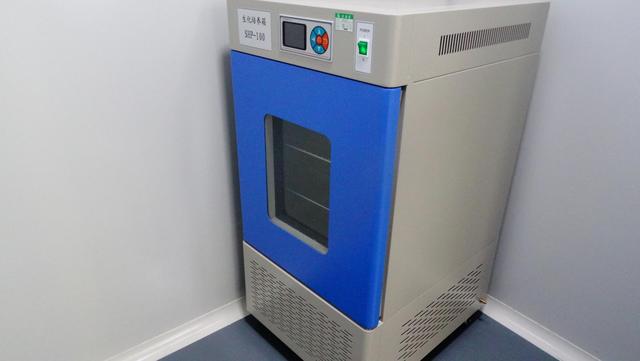
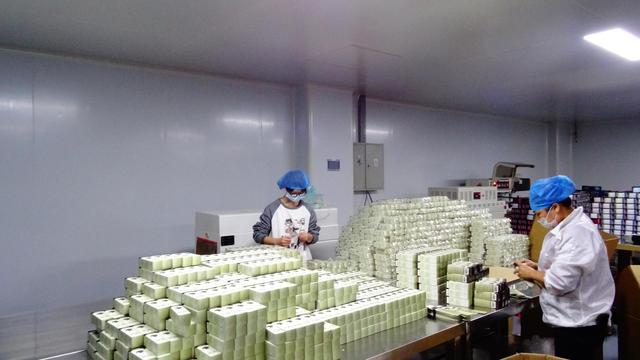
Inside our modern extraction facility, quality control labs, and automated packaging cleanrooms.


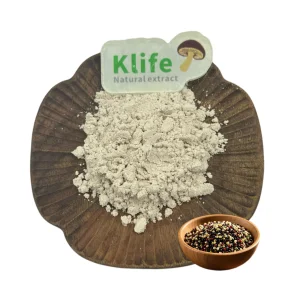
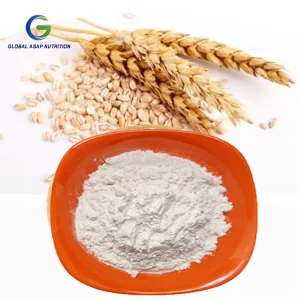
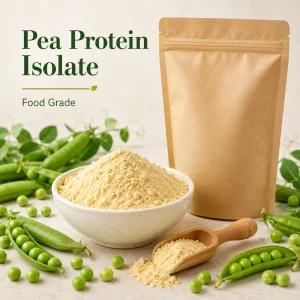
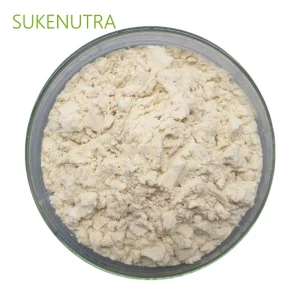
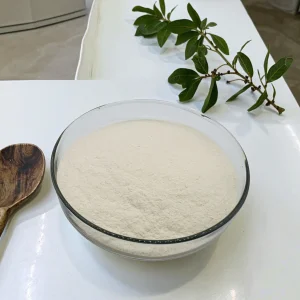
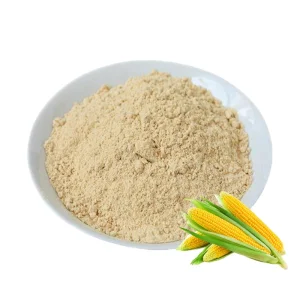
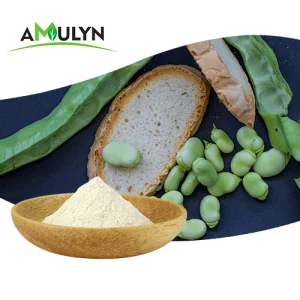
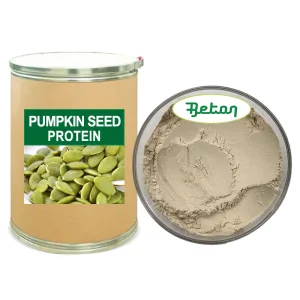
Explore our specialized range of seed and legume proteins, designed for applications requiring high solubility and clean flavor profiles.
 Entry Biology