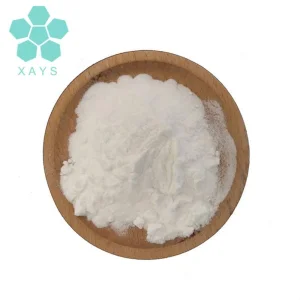
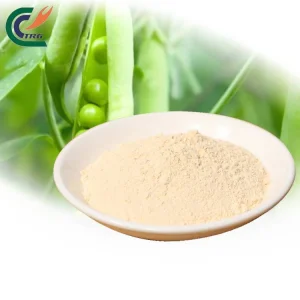
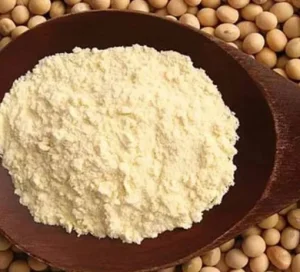
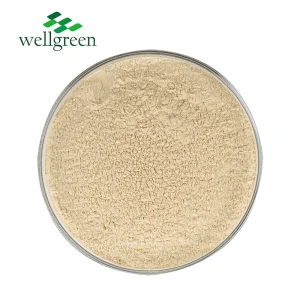
Premium agricultural raw materials processed under strict quality controls for diverse food, beverage, and feed applications.
The global food, nutraceutical, and chemical manufacturing sectors are experiencing an unprecedented pivot towards clean-label botanical ingredients. Driven by dynamic shifts in consumer demographics, environmental footprint goals, and nutritional optimization, plant proteins have transitioned from marginal health-store alternatives to mainstream, high-volume industrial commodities.
Today, the key performance metrics of vegan protein sources extend far beyond simple macronutrient values. Functional properties—including water-binding capacity, oil emulsification, gel strength, stability under thermal processing, and organoleptic neural neutrality—dictate the commercial viability of modern plant-based meat analogues, sports nutrition drinks, and dairy-free formulations.
Utilizing low-temperature dry fractionation and mechanical decantation instead of harsh chemical solvents ensures structural protein integrity while minimizing carbon footprints and environmental waste.
Formulators are moving toward functional botanical blends (e.g., Pea + Mung Bean + Rice) to reach complete amino acid profiles comparable to animal sources (PDCAAS score close to 1.0).
Advanced biochemical processing, integrated supply chains, and robust quality control systems drive global cost-effectiveness and performance stability.
We leverage advanced wet extraction technology involving solubilization and subsequent isoelectric precipitation. This concentrates protein fractions up to 90% purity while systematically removing anti-nutrients like phytic acid and trypsin inhibitors, improving nutritional bioavailability and flavor neutrality.
For chemical-free and clean-label projects, our factories employ air-classification milling. This physical process separates proteins based on starch particle sizes, preserving the native functionalities of legumes and cereals, and optimizing water retention for bakery applications.
Using target proteases, we hydrolyze proteins into shorter peptide chains. This increases solubility in cold liquids, lowers viscosity, and enhances intestinal absorption profiles, making the isolates ideal for clinical medical beverages and high-density sports nutrition.
A comprehensive analysis of primary plant protein sources processed by Hangzhou Entry Bio Co., Ltd.
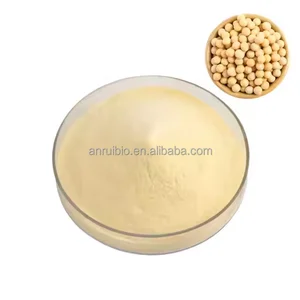
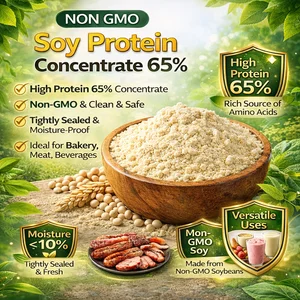
Soy protein remains the gold standard for texturization and emulsion stability, providing a high PDCAAS value of 1.0. With 90% purity, our Soy Protein Isolate functions as a reliable binder in processed meats, plant-based patties, and dairy alternatives due to its dense, cross-linked gel network during heating.
Pea protein isolate has become a market leader in hypoallergenic and clean-label formulations. Naturally free from gluten and soy, it provides rich profiles of branched-chain amino acids (BCAAs) and features exceptional solubility and dispersion properties in ready-to-mix (RTM) beverages.
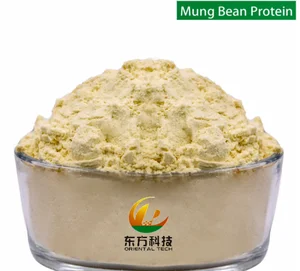
Fava beans and mung beans represent the next generation of plant-based functional ingredients. They exhibit higher foaming stability and gelling properties at lower temperatures compared to soy, rendering them valuable substitutes for egg whites in plant-based mayonnaise and bakery recipes.
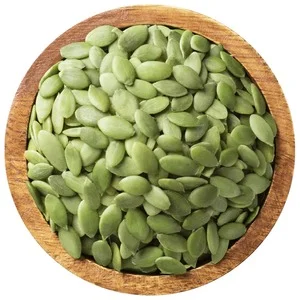
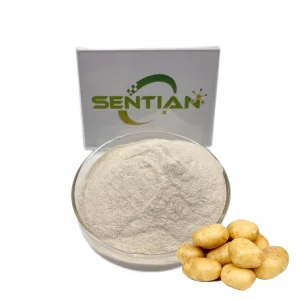
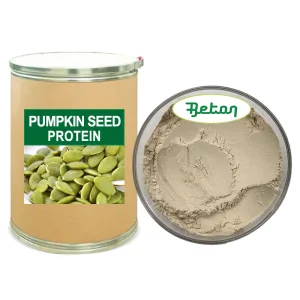
Potato protein offers superior emulsifying capacities and excellent thermal stability, while pumpkin seed protein delivers a rich micronutrient profile (magnesium, zinc) and a natural, nutty flavor profile highly popular in premium organic supplements.
Meat Alternatives: Our textured vegetable proteins (TVPs) are engineered with high fibrous integrity, enabling replication of beef, chicken, or seafood textures in vegan and hybrid products.
Dairy Substitutes: Neutral-taste pea, soy, and potato isolates are formulated to avoid grittiness, providing a smooth mouthfeel and stable suspensions in oat, almond, and soy milks.
Aquaculture & Animal Feed: Our high-digestibility soy and corn fermented proteins supply crucial amino acid profiles to support optimal growth in fish, shrimp, and poultry.
Nutraceuticals & RTM Mixes: We supply low-viscosity, micro-milled protein powders that stay suspended in liquids, solving the sedimentation issues common in functional proteins.
For international supply chain managers and food scientists, sourcing vegan protein represents a balance between reliable logistics, consistent batches, and cost management. Hangzhou Entry Bio Co., Ltd. resolves these sourcing vulnerabilities by using contracted farming operations, ensuring stable raw material costs and reliable chemical characteristics year-round.
Our raw material testing protocols screen for heavy metals, pesticide residues, and GMO markers, ensuring all products comply with target regulations (such as EFSA and FDA guidance documents).
Every step of our process—from seed selection to international shipping—is documented to support complete traceability.
Our extraction facilities operate under strict compliance standards, holding verified certifications for ISO 9001, ISO 22000, HACCP, Halal, Kosher, and USDA Organic.
Every batch undergoes ICP-MS testing to ensure compliance with strict international thresholds for arsenic, lead, cadmium, and mercury, ensuring safety across all age groups.
We perform quantitative PCR screening to verify non-GMO status. Strict physical isolation protocols prevent cross-contamination in soy-free and gluten-free product lines.
Hangzhou Entry Bio Co., Ltd. is a leading China vegetal protein manufacturer specializing in the research, production, and global supply of high-quality plant protein ingredients and food-grade protein solutions. With a strong commitment to innovation, quality, and sustainability, the company serves customers across the food, beverage, nutrition, and health industries worldwide.
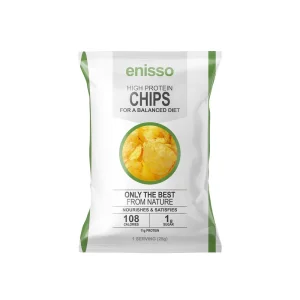
Leveraging advanced manufacturing technologies and strict quality management systems, Hangzhou Entry Bio Co., Ltd. offers a comprehensive portfolio of plant-based ingredients, including soy protein, pea protein, rice protein, textured vegetable protein, and customized protein blends. These products are widely used in meat alternatives, dairy alternatives, sports nutrition, functional foods, bakery products, beverages, and nutritional supplements.
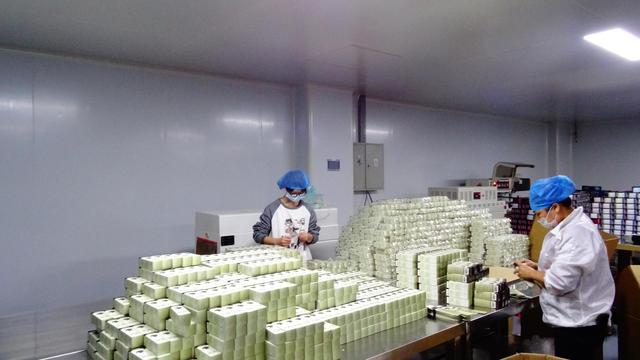
Quality and food safety are at the core of the company's operations. From raw material sourcing to finished product delivery, every production stage is carefully monitored to ensure consistent quality, purity, and performance. The company adheres to international quality standards and continuously invests in product innovation to meet the evolving demands of the global plant-based market.
As a reliable plant protein ingredients supplier, Hangzhou Entry Bio Co., Ltd. also provides professional technical support and customized formulation services, helping customers develop competitive and market-oriented products. Backed by an experienced R&D team and efficient supply chain management, the company is capable of delivering tailored solutions for diverse application requirements.
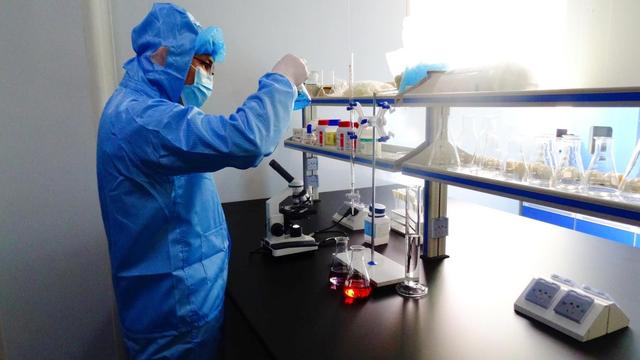
Our dedicated laboratory works alongside corporate developers to design bespoke blends of pea, fava bean, and pumpkin seed proteins. We calibrate particle size, density, and solubility parameters to fit your processing line, shortening time-to-market for new formulations.
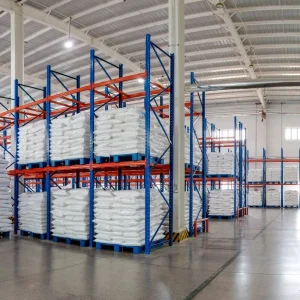
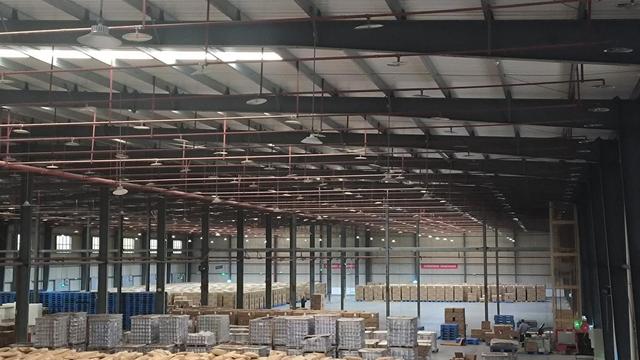
Through our logistical partnerships, we coordinate shipping routes to minimize delays, offering flexible packaging formats ranging from 25kg multi-layer kraft paper bags to 1,000kg bulk supersacks.

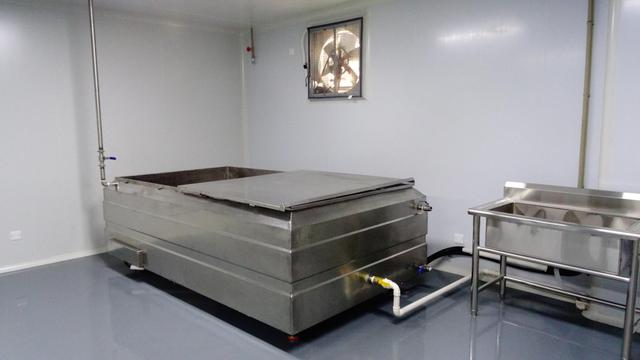
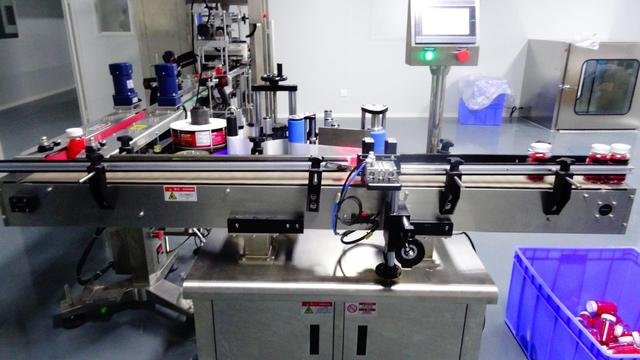
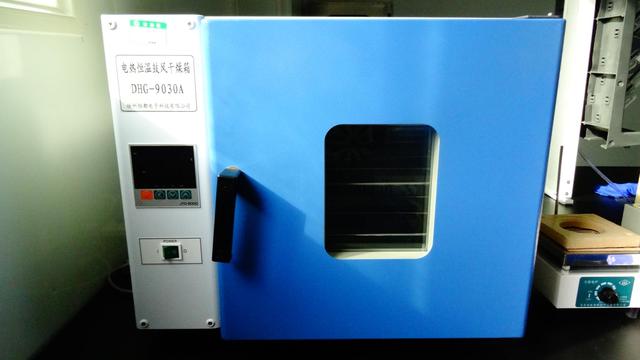
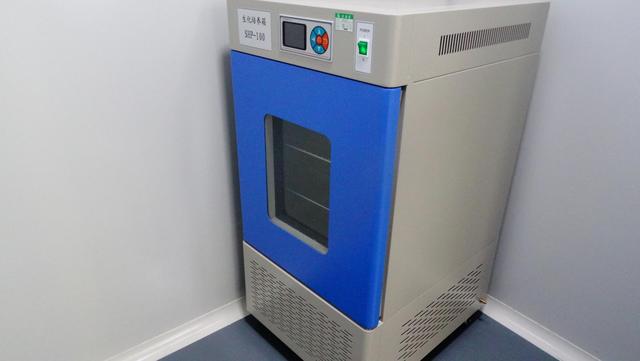


Advanced functional protein solutions, extracts, and plant-based snacks developed for the commercial market.
How Hangzhou Entry Bio Co., Ltd. is engineering the next generation of sustainable vegetal protein components.
As the plant-based industry matures, our R&D efforts focus on three primary extraction goals:
Additionally, we are exploring enzymatic cross-linking techniques (e.g., transglutaminase) to improve the structural elasticity of plant-based protein networks, helping developers mimic the exact bite of animal products.
Our commitment to carbon-neutral production pathways includes using biomass steam boilers and recycling process water in our extraction facilities to reduce the carbon footprint per ton of protein produced.
Expert insights on raw material selection, extraction methods, bulk logistics, and custom specifications.
 Entry Biology