Explore our primary array of high-purity, bio-available ingredients engineered for peak solubility, structural integrity, and clean-label compliance.

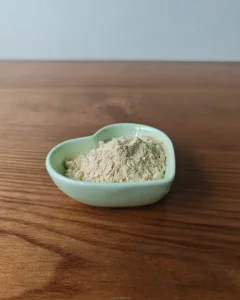
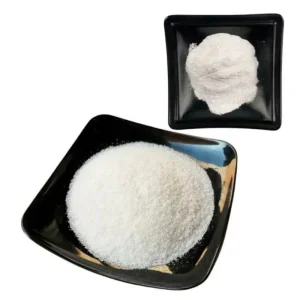
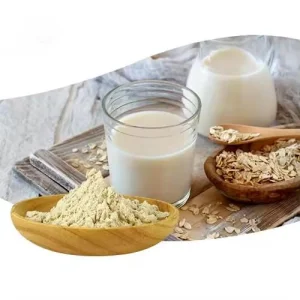
An analysis of sustainable protein synthesis, clean-label plant fractions, and modern supply-chain risk mitigation for global food manufacturers.
In the wake of shifting demographics, volatile raw-material indices, and the imperative for decarbonization, the global food industry stands at a threshold. Traditional animal agricultural supply chains face structural vulnerabilities, prompting enterprise-level procurement and R&D divisions to pivot toward high-performance, biological alternatives. These alternative protein spaces are bifurcated into two core technological approaches: advanced mechanical/enzymatic plant extraction (such as high-purity pea, soy, chickpea, and fava proteins) and the emerging field of cultured proteins (including cell-cultured biomass and precision-fermentation products).
As a leading China vegetal protein manufacturer and exporter, Hangzhou Entry Bio Co., Ltd. is uniquely positioned. We specialize in the research, systematic production, and global supply of high-grade vegetal and bio-synthesized protein isolates. By utilizing state-of-the-art technological pathways, we resolve the historical trade-offs associated with alternative proteins: namely, functional performance, organoleptic neutrality, and price-to-volume parity.
While cellular agriculture continues to navigate regulatory approvals worldwide, "hybrid" protein solutions—which integrate high-solubility plant proteins with cell-cultured elements or precision-fermented growth media components—represent the immediate horizon. Hangzhou Entry Bio Co., Ltd.'s portfolio of pea, chickpea, fava bean, and soy fractions serves as the foundational texturizing substrate (the "scaffold") for these hybrid proteins. These substrates provide the precise amino acid profile, mechanical shear strength, and moisture-holding capacity required to accurately replicate animal muscle fiber matrices.
How our advanced manufacturing matrix mitigates formulation hurdles and systemic supply risks.
Traditional legumes leave bitter or "grassy" notes. We employ advanced flash-evaporation and enzymatic debittering to eliminate volatile organic compounds (hexanals), ensuring a clean sensory baseline suitable for dairy alternatives and sports beverages.
For applications in bakery, meat analogs, and ready-to-drink (RTD) formulas, our proteins undergo controlled pH modification. This process optimizes surface charge density, yielding robust water-binding and oil-emulsifying indexes.
Global supply chains require consistent physical supply and price predictability. Our manufacturing network across China secures reliable, non-GMO crop sourcing, allowing us to absorb raw material shocks and guarantee timely international logistics.
| Protein Matrix Source | Protein Content (%) | Key Functional Attribute | Primary Industrial Applications | Allergen Profile & Clean-Label Status |
|---|---|---|---|---|
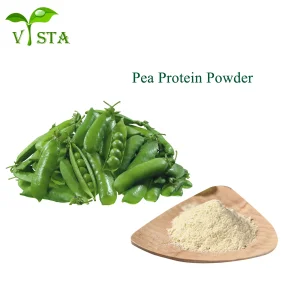
| Organic Pea Isolate | 80% – 85% | High solubility, excellent dispersibility | Sports nutrition, infant formula, RTD beverages | Hypoallergenic, Clean-Label, Non-GMO |
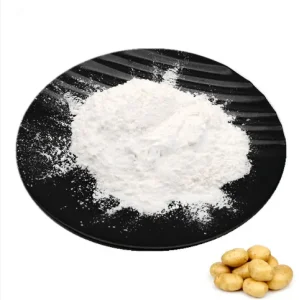
| Potato Protein | 75% – 80% | Superior gelling properties, high thermo-stability | Gluten-free bakery, vegan egg replacers | Hypoallergenic, Low molecular weight peptides |
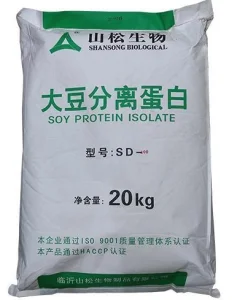
| Soy Protein Isolate | 90% | Exceptional emulsification & water absorption | Textured meat analogs, dairy alternatives, nutrition bars | Contains soy allergen; highly functional standard |
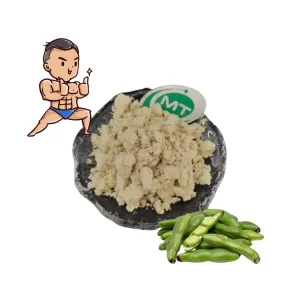
| Faba (Fava) Bean | 85% – 90% | Neutral taste profile, high whipping capacity | Whips, mousses, plant-based spreads, sports nutrition | Hypoallergenic, high lysine profile |
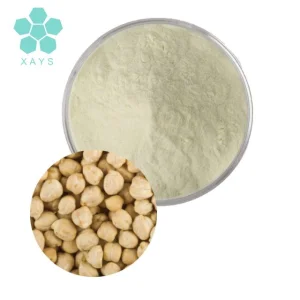
| Chickpea Isolate | 70% – 80% | Ultra-clean flavor profile, smooth mouthfeel | Premium dairy alternatives (milks, yogurts, cheeses) | Hypoallergenic, clean label appeal |
Our structured plan to transition from plant extraction to bio-fermented & cellular agricultural ingredients (2025–2030).
The progression of alternative protein molecules relies on increasing complexity. Hangzhou Entry Bio Co., Ltd. is currently executing a three-stage technology roadmap designed to integrate traditional botanical extractions with state-of-the-art bio-manufacturing pipelines:
As a global enterprise partner, Hangzhou Entry Bio Co., Ltd. operates under strict compliance with international food safety and quality management systems. Every batch of our plant-based isolates and functional protein blends undergoes comprehensive testing to verify conformity. Our quality assurance framework covers the following key parameters:
We source only documented Non-GMO crops. This includes strict IP (Identity Preservation) protocols from the field to our processing plants, eliminating the risk of cross-contamination.
Our plants are fully certified under ISO 9001, ISO 22000, HACCP, Halal, and Kosher standards. We support regular third-party audits from global buyers in the EU and North America.
Every shipment is accompanied by a Certificate of Analysis (COA) detailing heavy metal limits, microbiological profiles (E. coli, Salmonella), ash levels, and exact protein content levels determined by Kjeldahl analysis.
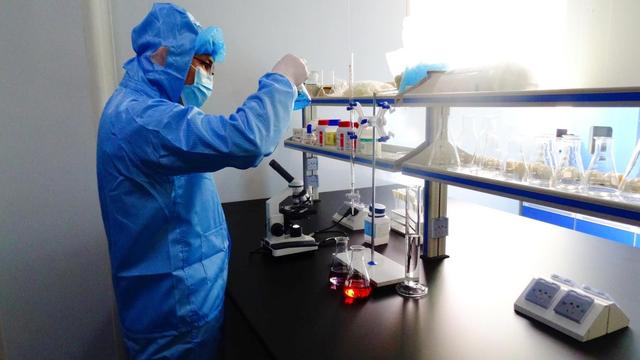
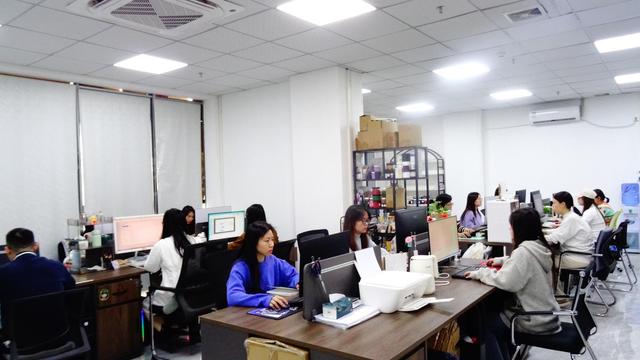
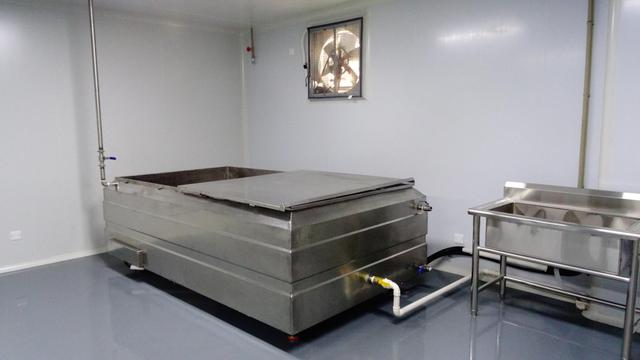
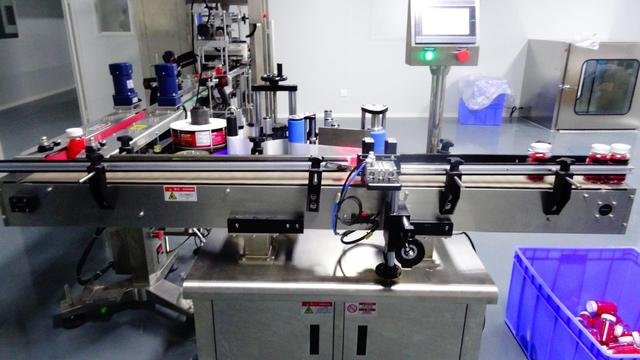
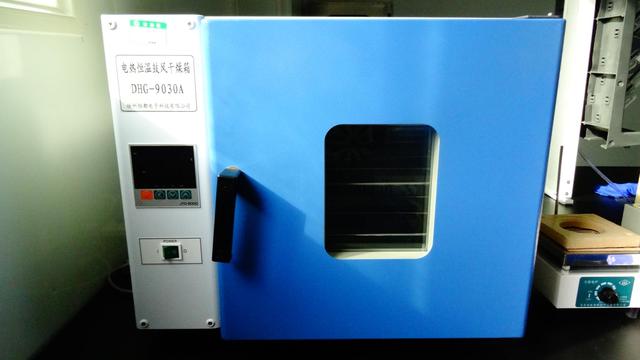
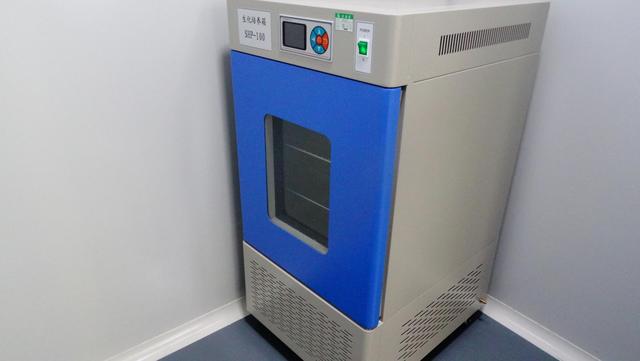
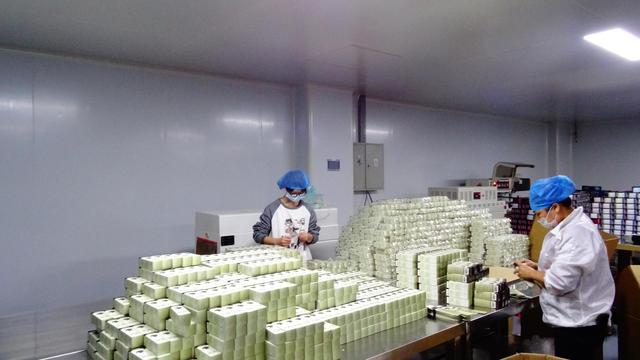
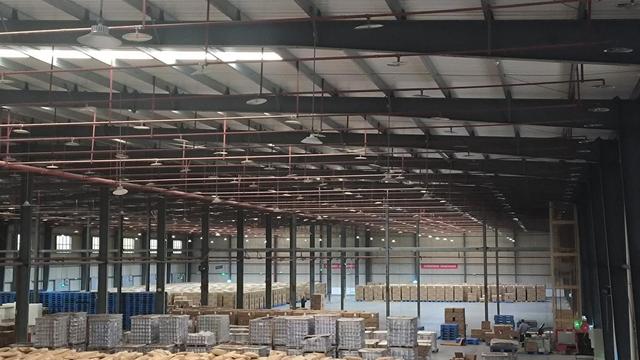
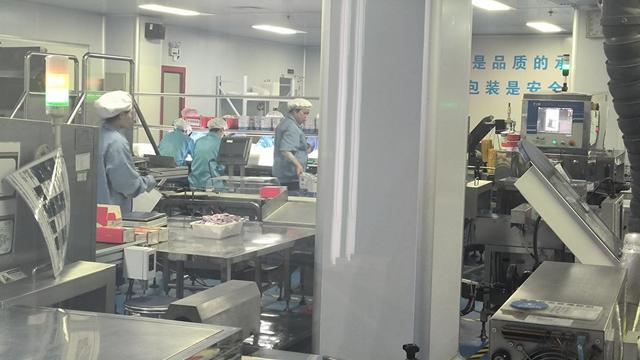
A look inside our ISO-certified processing facilities, R&D laboratories, and modern warehouse operations.

Clear, authoritative answers to critical compliance, formulation, and commercial questions.
Engineered options for niche formulations, animal-free diets, and premium pet foods.
 Entry Biology