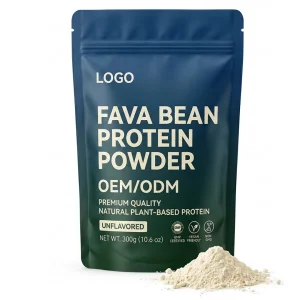
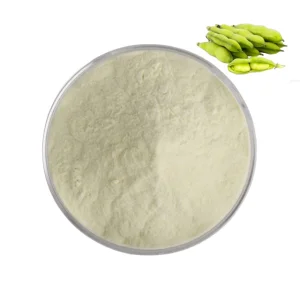
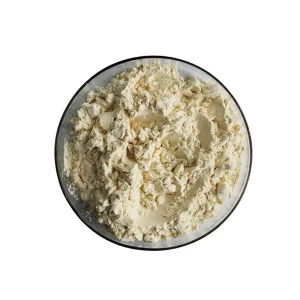
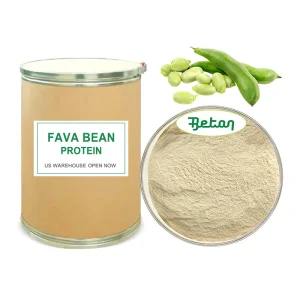
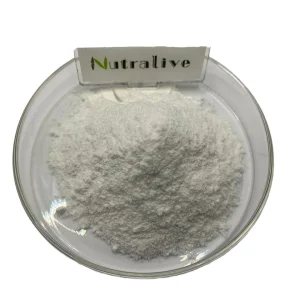
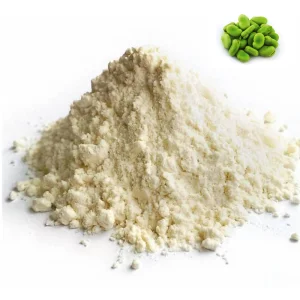
Innovative plant-based protein powders optimized for the San Francisco biotechnology, clean-label beverage, and sports nutrition segments.
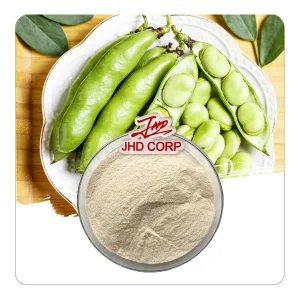
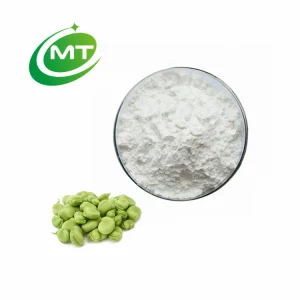
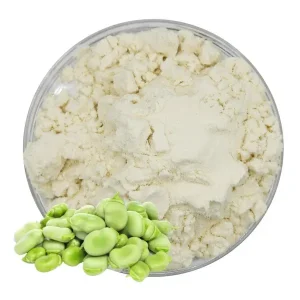
The San Francisco Bay Area represents the global epicentre of alternative protein innovation. Driven by robust venture capital inflows, high-profile biotechnology laboratories, and a deeply embedded health-and-sustainability culture, local commercial food producers face unique opportunities and intense competitive pressures. In this sophisticated market, soy and pea proteins are no longer the default options. San Francisco food companies, ranging from pioneering Berkeley-based startups to established functional beverage brands in the South Bay, are actively seeking next-generation, clean-label ingredients to differentiate their products. This is where Fava Bean Protein (Vicia faba) emerges as the critical solution.
Consumer preferences in the Pacific Northwest and the Bay Area heavily emphasize clean labels, allergen-free statuses, and low environmental impact. Unlike soy, which faces headwinds regarding GMO concerns and allergenicity, or pea protein, which often suffers from strong, "beany" off-notes requiring chemical masking agents, fava bean protein provides an exceptional neutral sensory profile and high solubility. Furthermore, the local agricultural ethos of California aligns naturally with the carbon-fixing credentials of leguminous cover crops, making fava bean protein highly attractive to the environmentally conscious Bay Area consumer base.
Our fava bean protein products are custom-engineered to meet the functional and rheological demands of San Francisco's top food and beverage processors. Below are key applications optimized for local commercial buyers:
Perfect for artisanal coffee shops and retail milk brands across SF. The high solubility and emulsion stability prevent separation in hot, acidic espresso environments, offering a velvety microfoam without adding stabilizing gums.
Fava bean protein blends exceptionally well with wheat gluten or pea protein. Its unique cross-linking gelation properties allow texturized vegetable proteins (TVPs) to mimic the bite, chew, and moisture retention of natural meat fibers.
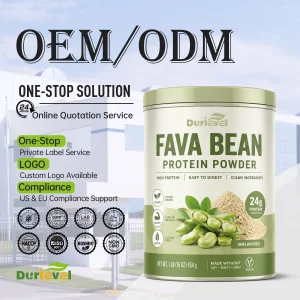
Designed for active, fitness-oriented Bay Area demographics. Our 90% isolate dissolves quickly in cold shaker bottles with minimal foaming, delivering a complete essential amino acid profile with a smooth, grit-free texture.
Understanding the molecular behavior of *Vicia faba* globulins is key to optimizing end-product performance. The storage proteins of fava beans are dominated by two major fractions: vicilin (7S) and legumin (11S). The ratio of 11S to 7S proteins determines the gelation temperature, emulsification index, and water-binding capacity of the protein isolate.
At Hangzhou Entry Bio, our manufacturing research has led to an advanced wet-extraction process that preserves the native structure of these globulins, avoiding the high thermal denaturation that limits solubility in competitive products. The chart below illustrates our advanced technical process compared to traditional dry extraction:
| Functional Metric | Hangzhou Entry Bio (Wet Process Isolate) | Standard Air Classification (Dry Concentrate) |
|---|---|---|
| Protein Content | 90% - 92% | 55% - 65% |
| Nitrogen Solubility Index (NSI) | > 78% (at neutral pH) | < 50% |
| Organoleptic Score | Highly Neutral; Low Beany Volatiles | Pronounced Earthy, Beany Notes |
| Gelation Threshold | Low Temperature (under 80°C) | Inconsistent/High Temperature Required |
Our purification process includes a proprietary enzyme-assisted step that target and breaks down *vicine* and *convicine*—the pyrimidine glucosides responsible for favism in sensitive populations. This makes our fava bean protein exceptionally safe, clean, and stable for diverse consumer demographics in California.
For San Francisco purchasing managers, supply chain reliability is just as critical as product quality. Industry players frequently face port delays, raw material shortages, and pricing volatility. Hangzhou Entry Bio Co., Ltd. addresses these challenges by integrating advanced Chinese agricultural manufacturing with highly efficient trans-Pacific logistics.
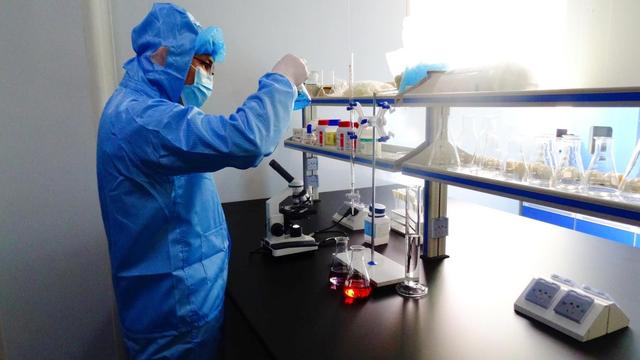
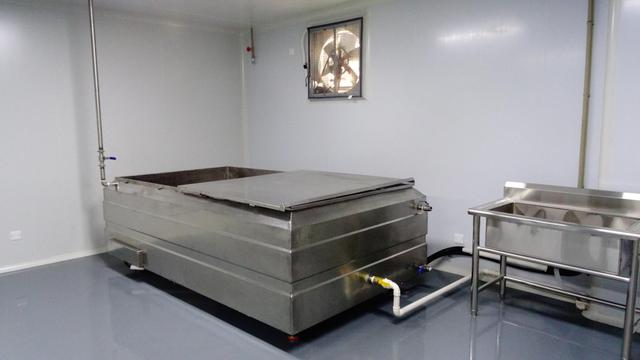
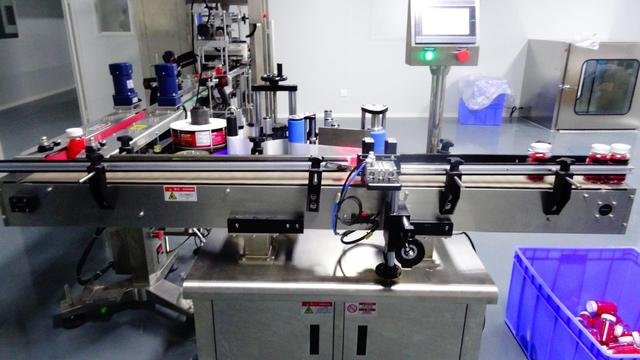
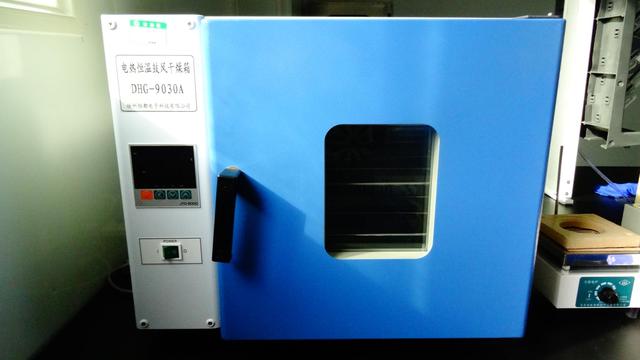
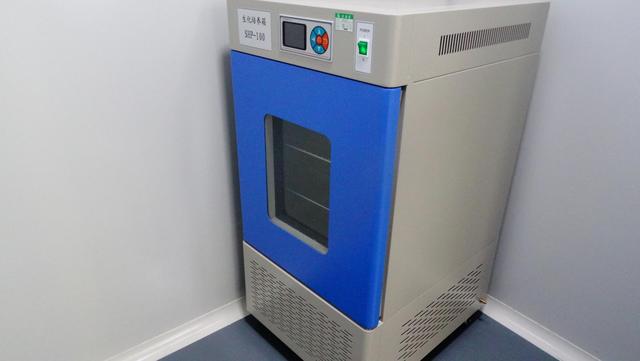
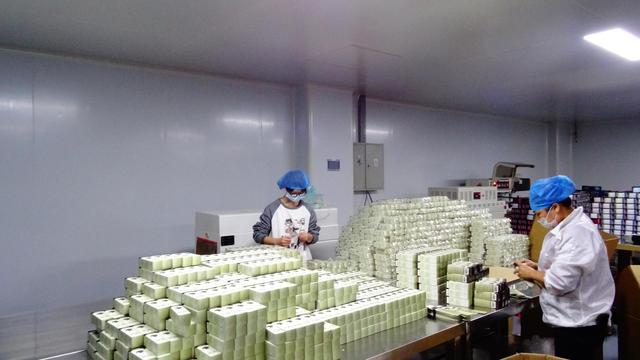
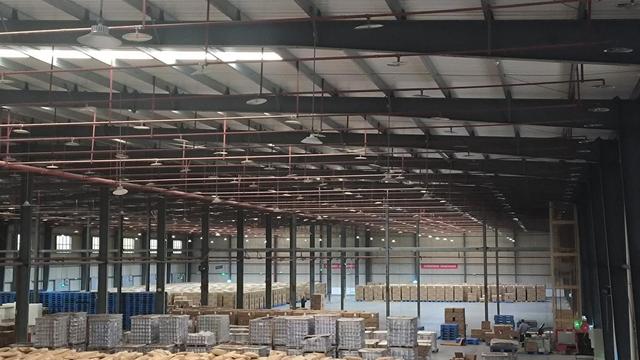
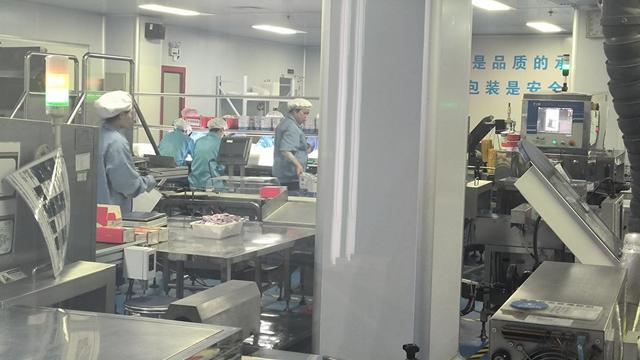
Operating out of Zhejiang, China, our factory uses modern spray-drying towers, automated micro-filtration membranes, and comprehensive quality assurance systems. China’s extensive network of non-GMO fava bean cultivation ensures a stable, year-round supply of raw materials, protecting our partners from seasonal price spikes. We manage logistics directly from key domestic ports (like Shanghai and Ningbo) to the Port of Oakland and Port of San Francisco, offering reliable, continuous supply pipelines for your production lines.

Globally, the market for alternative proteins is expected to reach over USD $30 Billion by 2030. Fava bean protein is growing at one of the fastest rates within this sector. Because fava crops fix nitrogen in the soil naturally, they require significantly fewer synthetic fertilizers than wheat, soy, or corn. This environmental benefit, combined with a strong nutritional profile (high in lysine, magnesium, and dietary fiber), has made fava protein a top choice for international food companies.
In addition, global supply chains are shifting toward clean, allergen-free crops. Fava beans do not require allergen declarations in the European Union or the United States, positioning them well to capture market share from soy and wheat gluten in functional food applications.
We ensure our fava bean protein meets all US food safety regulations. Working with Hangzhou Entry Bio gives you access to a fully compliant, certified import process:
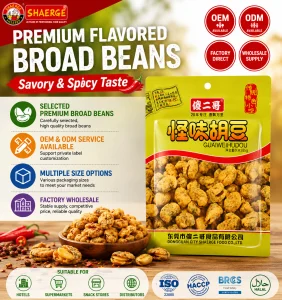
Industrial vegetal proteins, specialized isolates, and organic broad bean options for San Francisco food-tech companies.
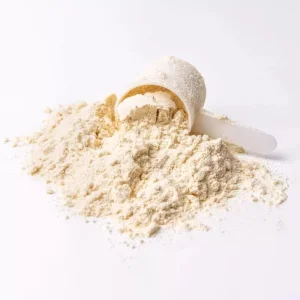
Technical details and buyer information for food manufacturers and product developers in San Francisco.
 Entry Biology