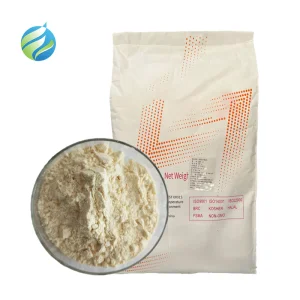
Engineered to meet the exact functional requirements of Santiago's food processors, Valparaíso's bakery industries, and Puerto Montt's aquaculture producers.
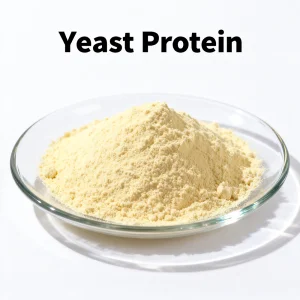
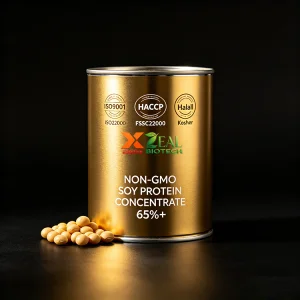
Chile's food processing sector stands as a key pillar of its national economy, representing a significant percentage of its non-copper exports. With a rapidly growing domestic demand for plant-based nutrition, clean label alternatives, and high-performance feed ingredients, the import dynamics of soy protein products have evolved rapidly. Particularly in Santiago, Valparaíso, and the southern aquaculture hubs like Puerto Montt, soy protein has become indispensable.
Unlike neighboring agricultural giants like Brazil and Argentina, Chile relies heavily on the import of processed, highly refined plant proteins to support its sophisticated domestic manufacturing sectors. The implementation of Chile's strict Food Labeling and Advertising Law (Ley de Etiquetado) has forced food processing companies to reformulate their recipes, turning to high-purity soy protein isolates and concentrates to optimize nutritional profiles, reduce sodium/sugars, and avoid dreaded black warning octagon labels on packaging.
From salmon aquaculture diets requiring high-digestibility protein sources to local sausage manufacturers (chacinerías) requiring high-emulsification binds, the market demand is highly specialized and demands strict non-GMO compliance and rigorous chemical-physical consistency.
Bridging Chinese industrial manufacturing scale with global regulatory standards to supply Chilean industries with unmatched consistency.
Our raw materials undergo strict Identity Preservation (IP) monitoring, ensuring complete segregation from harvest to processing. Fully compliant with SAG (Servicio Agrícola y Ganadero) import standards in Chile.
Leveraging China's deep supply chain and advanced spray-drying systems, we deliver tailored particle sizes, gel strengths, and viscosity profiles to fit your specific production line parameters.
From the ports of Ningbo/Shanghai directly to San Antonio and Valparaíso. We manage sea freight documentation, origin certifications, and sanitary clearances to ensure uninterrupted plant-level logistics.
Hangzhou Entry Bio Co., Ltd. is a leading China vegetal protein manufacturer specializing in the research, production, and global supply of high-quality plant protein ingredients and food-grade protein solutions. With a strong commitment to innovation, quality, and sustainability, the company serves customers across the food, beverage, nutrition, and health industries worldwide.
Leveraging advanced manufacturing technologies and strict quality management systems, Hangzhou Entry Bio Co., Ltd. offers a comprehensive portfolio of plant-based ingredients, including soy protein, pea protein, rice protein, textured vegetable protein, and customized protein blends. These products are widely used in meat alternatives, dairy alternatives, sports nutrition, functional foods, bakery products, beverages, and nutritional supplements.
Quality and food safety are at the core of the company's operations. From raw material sourcing to finished product delivery, every production stage is carefully monitored to ensure consistent quality, purity, and performance. The company adheres to international quality standards and continuously invests in product innovation to meet the evolving demands of the global plant-based market.
As a reliable plant protein ingredients supplier, Hangzhou Entry Bio Co., Ltd. also provides professional technical support and customized formulation services, helping customers develop competitive and market-oriented products. Backed by an experienced R&D team and efficient supply chain management, the company is capable of delivering tailored solutions for diverse application requirements.
To guarantee complete safety and security for Chilean food companies, our plant-based protein portfolio matches the highest international standard frameworks:
| Certification Type | Regulatory Standards Met |
|---|---|
| Food Safety Management | FSSC 22000 / HACCP / GMP |
| Genetically Modified Status | Non-GMO IP (Identity Preserved) |
| Dietary Suitability | Halal / Kosher Certified |
| Heavy Metals & Pesticides | Compliant with Chilean SAG & EU Standards |
Tailored functional parameters developed for specific industries across the Chilean territory.
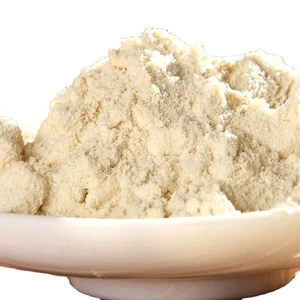
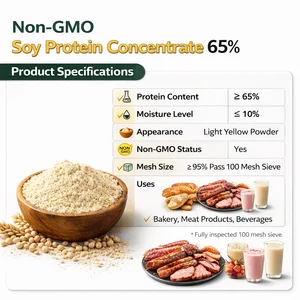
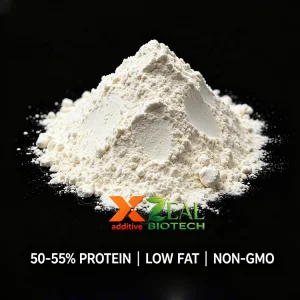
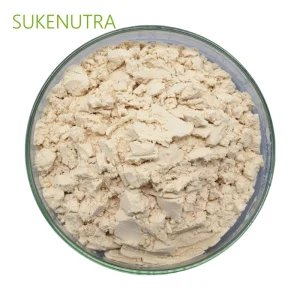
Required Ingredient: Non-GMO Soy Protein Concentrate (SPC) with ≥65% protein content. Our SPC is highly digestible, has low antigen levels (glycinin and beta-conglycinin), and offers a superb amino acid profile, replacing scarce fishmeal in aquaculture feed formulation.
Required Ingredient: High-Gelation Isolated Soy Protein 90% (ISP). Vital for Santiago's industrial meat production facilities to bind water and fat seamlessly, optimizing yields, preventing oil separation, and maintaining structural integrity during thermal processing.
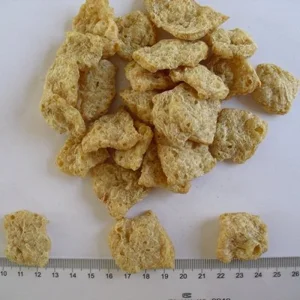
Required Ingredient: Textured Vegetable Protein (TVP/TSP). Providing the essential fibrous texture, bite resistance, and moisture absorption necessary to formulate vegan burgers, nuggets, and minced meat alternatives for Chile's rapid-growth plant-based retail sector.
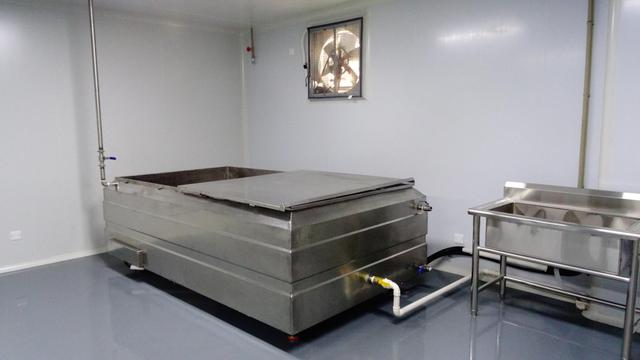
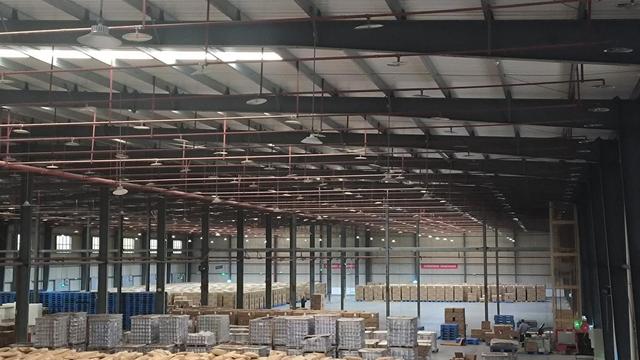
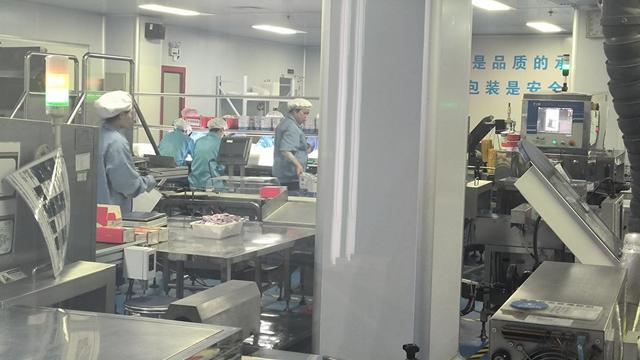
A transparent look inside our manufacturing plants, R&D laboratories, and high-efficiency logistics lines supplying premium proteins worldwide.


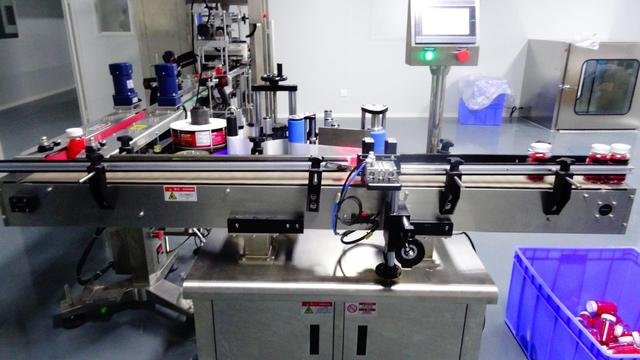
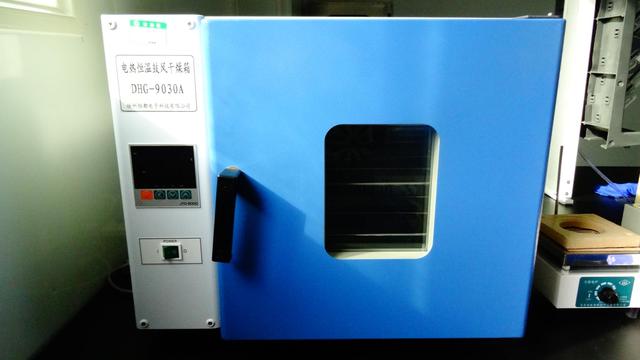
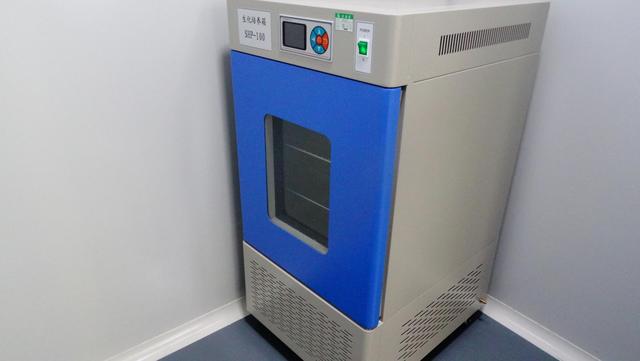
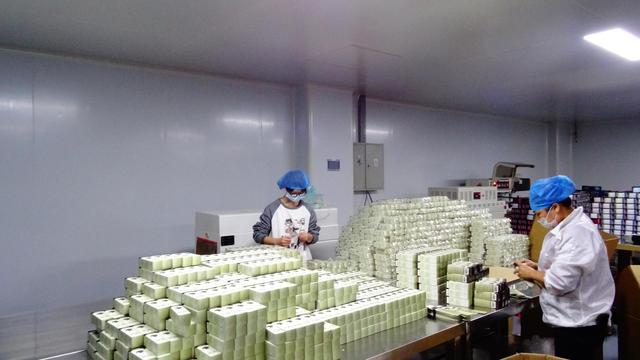

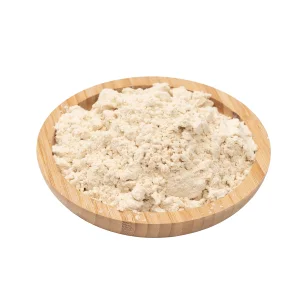
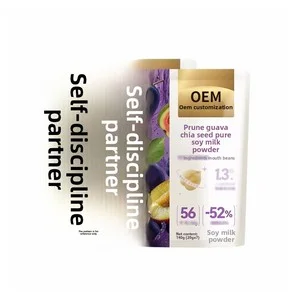
Browse our extensive selection of plant proteins, peptides, concentrates, and texturized solutions suitable for diverse industrial food applications.
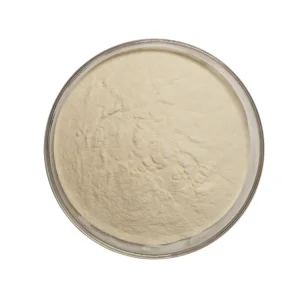
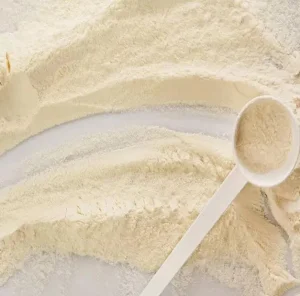
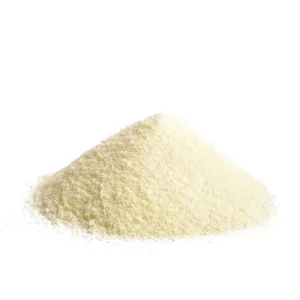
The global demand for plant protein continues to scale, driven by consumer lifestyle changes, resource sustainability, and supply chain updates. For procurement managers in Chile, importing raw soy materials or finished soy protein ingredients requires a holistic understanding of international market dynamics. Understanding global factors is key to successful import operations.
Under the upgraded China-Chile Free Trade Agreement, import tariffs for most soy protein derivatives are reduced to zero. This presents a massive cost-saving advantage compared to sourcing from non-treaty manufacturers. Sourcing directly from certified Chinese factories like Hangzhou Entry Bio helps Chilean enterprises bypass intermediate trading company margins, significantly boosting profitability.
Chilean food regulations and retail chains require strict declarations on Genetically Modified Organisms (GMOs). When purchasing soy protein isolate or concentrate, it is critical to obtain the complete trace documents of the Non-GMO Identity Preservation (IP) system. This trace includes DNA analysis reports via PCR testing, verifying that no cross-contamination occurred during processing, packaging, or maritime shipment.
The success of soy protein in industrial formulations depends heavily on key chemical and physical properties:
Transit times from major Chinese ports (Ningbo, Qingdao, Shanghai) to Chilean ports (Valparaíso, San Antonio, Iquique) average between 35 to 45 days. We provide complete tracking, automated customs documents preparation, and food-grade container liners to protect the powders from moisture and temperature fluctuations during transit across the equator.
Essential guidance on importing soy protein isolates, concentrates, and textured plant proteins to Chile.
Soy Protein Isolate (ISP) undergoes a highly refined chemical extraction process to achieve a minimum protein concentration of 90% on a dry matter basis. Almost all soluble and insoluble carbohydrates are removed, resulting in a neutral flavor and high gelation, emulsification, and water-binding capacity. Soy Protein Concentrate (SPC) typically contains ≥65% to 70% protein. It retains the insoluble dietary fiber of the soybean, making it highly valuable for structure building, nutritional fortification, and animal nutrition (specifically aquaculture feed).
Yes. All soy proteins we supply to Chile comply with the Identity Preservation (IP) system. Every batch is certified non-GMO, tracing back to the planting seeds. Certified laboratories perform PCR analysis to guarantee that the DNA sequence contains no transgenic modification, fully meeting SAG (Servicio Agrícola y Ganadero) standards.
Chile's labeling law requires warning octagons on products high in calories, sugars, sodium, or saturated fat. By incorporating high-purity Soy Protein Isolate, food scientists can formulate low-fat meat emulsions, high-protein plant milks, and calorie-dense nutritional shakes. This helps reduce fat and sugar contents while maintaining texture, helping foods bypass warning label requirements.
Sea freight from Chinese ports (Qingdao/Shanghai/Ningbo) to Valparaíso or San Antonio ports in Chile takes 35-45 days. Shelf life is 24 months from the production date when stored in a cool, dry place (≤25°C and ≤60% relative humidity) in its original, unopened paper bags with PE inner liners.
Yes. Our R&D center specializes in modifying the physical properties of our soy protein isolates. We can adjust the gel strength, viscosity, and particle sizes to match your specific production line needs. This helps you achieve target emulsification ratios, such as 1:5:5 (Protein:Water:Oil) for hot dogs or emulsified luncheon meats.
Get in touch with our technical sales team for customized ingredient formulations, competitive pricing, and logistical support tailored to your Chilean food processing operations.
 Entry Biology