High-functional plant protein formulations engineered to withstand local processing temperatures and enhance nutritional metrics.
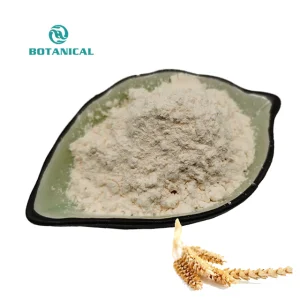
As Qatar aggressively pursues its Qatar National Vision 2030, self-sufficiency and national food security have transitioned from policy objectives to vital economic priorities. The Doha market, anchored by dynamic industrial parks like the Mesaieed Industrial Area and the New Industrial Area, is witnessing a structural shift towards localized food processing. The Qatar Ministry of Municipality and Environment (MME) has heavily incentivized domestic food production, driving local manufacturers to build state-of-the-art mills, commercial bakeries, and protein processing facilities.
However, the hot desert climate of Doha introduces unique challenges. Flour performance can degrade under extreme heat, and local bakeries require high-performance dough conditioners to guarantee uniformity in production lines. This is where Premium Wheat Proteins (both Vital Wheat Gluten and Soluble Hydrolyzed Wheat Proteins) act as crucial structural components. By increasing protein content and regulating moisture retention, they empower local millers and food manufacturers to produce high-yield, resilient dough matrices and next-generation nutritional products tailored for Gulf consumers.
Industrial baking plants in Doha processing Arabian flatbreads, khobz, and sliced sandwich breads require exceptional flour elasticity and water absorption capacity. Vital Wheat Gluten functions as a clean-label natural binder that directly improves gas retention, increases crumb softness, and extends shelf-life in high-temperature environments. Our vital wheat gluten (75% to 82% protein minimum) ensures that even low-protein imported wheat flours can be optimized for automated, high-output production lines, preventing dough tearing and ensuring stable volume expansion.
The influx of international tourism, world-class athletic events, and luxury hospitality venues across West Bay and The Pearl-Qatar has created a surging demand for plant-based alternatives. Food tech innovators in Doha utilize Textured Wheat Proteins (TVP) to mimic the muscle-fiber texture of chicken and beef. Because wheat gluten forms a highly cohesive viscoelastic network upon hydration, it offers superior chewiness and juiciness in vegan burger patties, kebabs, and meat-free ready meals, adhering strictly to Halal protocols.
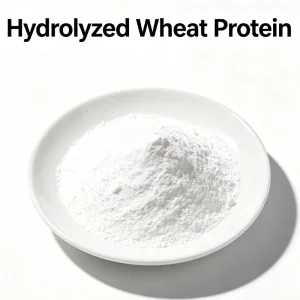
The extreme climatic conditions of the Arabian Gulf necessitate skin and hair care products with exceptional protective barriers. Hydrolyzed Wheat Protein Peptide (Low MW <1000Da) has gained immense traction in Doha's premium cosmetic manufacturing sectors. Due to its low molecular weight, the peptide easily penetrates the hair shaft and outer skin layers, delivering deep hydration, repairing thermal damage, and building a protective film. This ingredient is extensively used in luxury moisturizers, shampoos, and scalp-care complexes formulated locally.
The extraction of vegetal proteins has advanced far beyond traditional starch washing. Modern technology relies on enzymatically controlled hydrolysis pathways to customize the molecular weight profile of wheat proteins, resulting in functional isolates with distinct solubility indexes. By deploying highly specific food-grade endopeptidases, the molecular structures are targeted to produce deamidated wheat proteins and peptides with customized water-binding properties.
Looking ahead, the plant-protein industry is transitioning towards micro-encapsulation techniques and advanced allergen-reduction processing. For the Doha market, this ensures that the food industry can leverage allergen-minimized wheat proteins with neutral flavor profiles, eliminating the characteristic cereal note. Furthermore, advancements in extrusion technology will allow for the production of high-moisture meat analogues (HMMA) that replicate seafood textures, providing Qatari distributors with an array of products ready for localized commercialization.
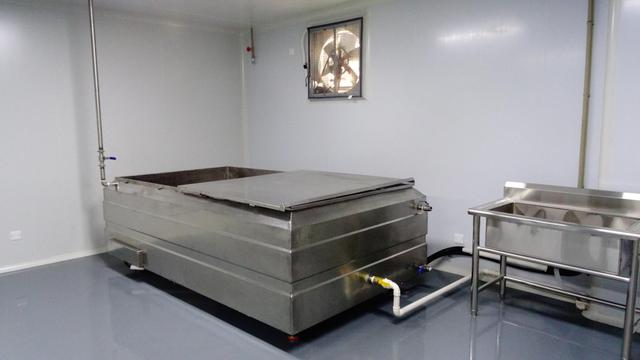
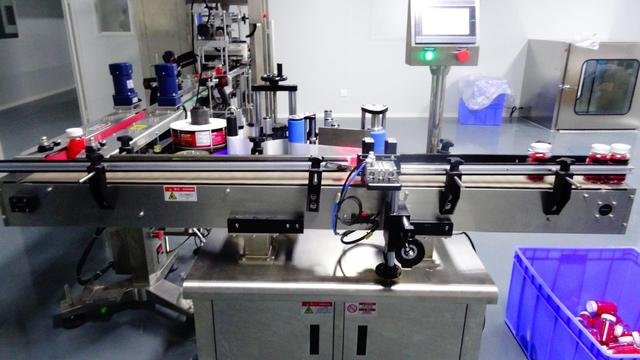
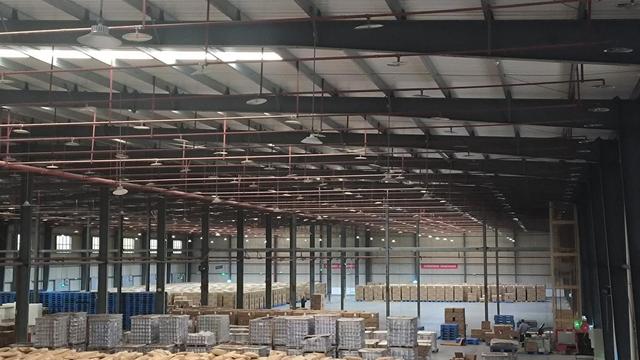
Hangzhou Entry Bio Co., Ltd. operates state-of-the-art production hubs in China, leveraging highly automated wet-milling lines and spray-drying towers. Our geographic proximity to China’s major maritime shipping terminals—specifically Ningbo and Shanghai—enables seamless global logistics. For Qatari buyers, our shipping pipelines directly target Hamad Port (Doha), utilizing direct container lines that ensure transit times of approximately 16 to 22 days.
To combat the high temperatures encountered during maritime routes crossing the Indian Ocean and the Arabian Gulf, we utilize high-barrier, moisture-proof multi-ply paper bags with internal PE linings, reinforced by heavy-duty container desiccation protocols. This guarantees that our wheat gluten and hydrolyzed proteins arrive in Doha free of moisture clumps, maintaining optimal enzymatic activity, microbiological stability, and chemical composition.
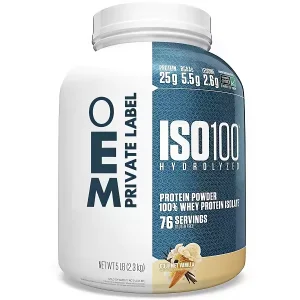
Explore our full industrial line, including sports nutrition blends, high-purity isolates, and cosmetic-grade wheat peptides.
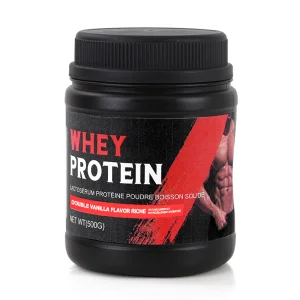
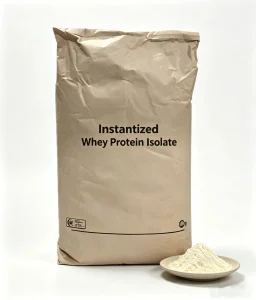
The global vegetal protein market is experiencing sustained growth, driven by shifting dietary preferences and the rising integration of plant-based ingredients in commercial foods. Wheat protein, characterized by high elastic properties and a neutral organoleptic profile, remains a highly competitive plant protein globally. As structural shifts impact traditional supply lines in North America and Eastern Europe, Chinese manufacturers have emerged as vital suppliers for the Middle East, offering consistent supply chain continuity, optimized logistics, and cost efficiencies.
Within the Gulf Cooperation Council (GCC), food security mandates require diversified importing strategies. Qatar, with its modern port infrastructure at Hamad Port and the expansion of the Qatar Free Zones, has positioned itself as an active distribution gateway. Buyers in Doha look for supply stability, consistent quality indices, and a reliable partnership model that shields them from regional raw material price swings. By utilizing advanced wet-milling lines and maintaining robust raw wheat reserves, manufacturers in China deliver the required volume guarantees to sustain Doha's growth.
Entering the Qatari food market requires strict adherence to food safety guidelines regulated by the Ministry of Public Health (MOPH) and the Qatar General Organization for Standardization (QS). All food-grade wheat proteins must align with GCC Standardization Organization (GSO) regulations. Key regulatory compliance requirements include:
Expert answers regarding importing wheat proteins, molecular attributes, and supply logistics to Doha, Qatar.
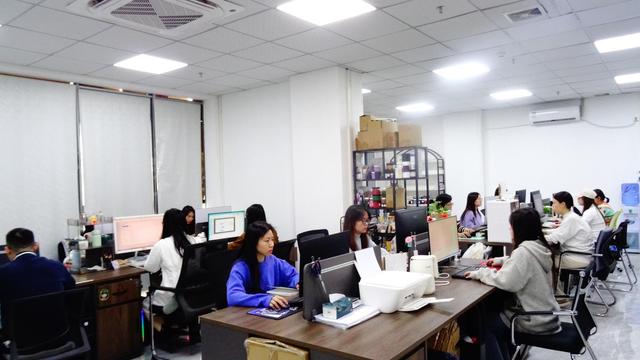
Hangzhou Entry Bio Co., Ltd. is a leading China vegetal protein manufacturer specializing in the research, production, and global supply of high-quality plant protein ingredients and food-grade protein solutions. With a strong commitment to innovation, quality, and sustainability, the company serves customers across the food, beverage, nutrition, and health industries worldwide.
Leveraging advanced manufacturing technologies and strict quality management systems, Hangzhou Entry Bio Co., Ltd. offers a comprehensive portfolio of plant-based ingredients, including soy protein, pea protein, rice protein, textured vegetable protein, and customized protein blends. These products are widely used in meat alternatives, dairy alternatives, sports nutrition, functional foods, bakery products, beverages, and nutritional supplements.
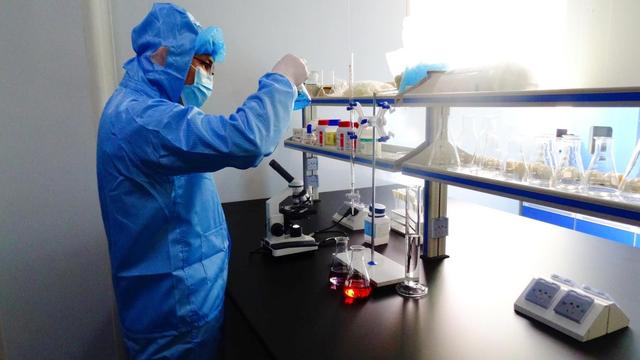
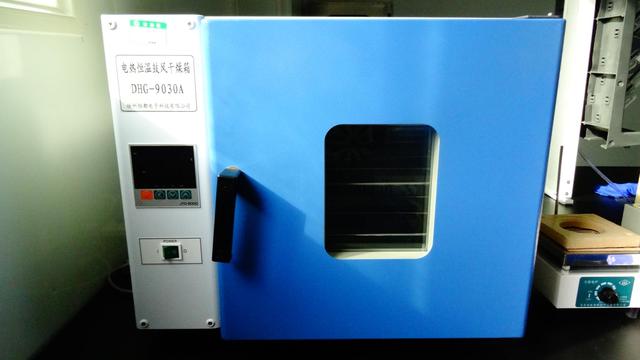
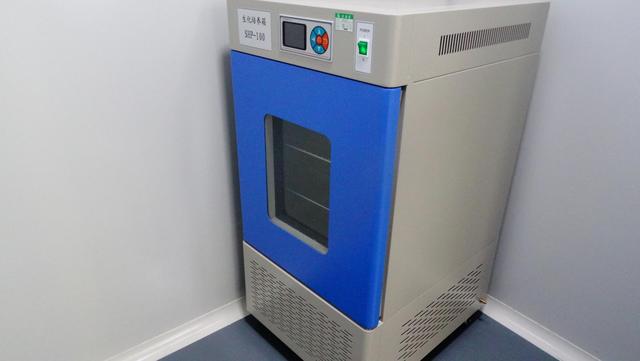
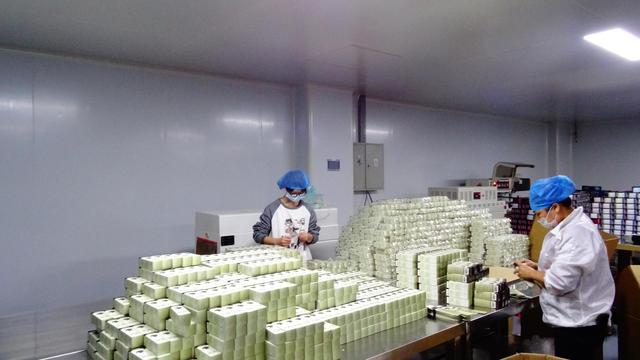
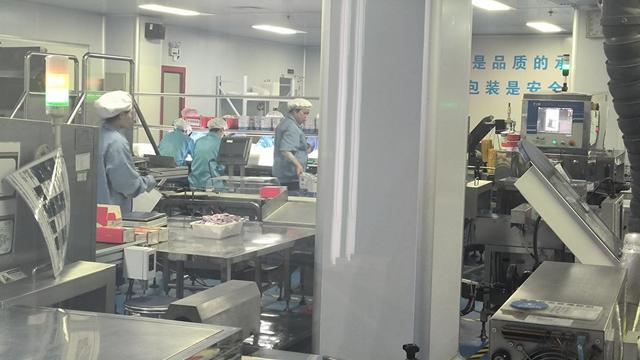
Quality and food safety are at the core of the company's operations. From raw material sourcing to finished product delivery, every production stage is carefully monitored to ensure consistent quality, purity, and performance. The company adheres to international quality standards and continuously invests in product innovation to meet the evolving demands of the global plant-based market.
As a reliable plant protein ingredients supplier, Hangzhou Entry Bio Co., Ltd. also provides professional technical support and customized formulation services, helping customers develop competitive and market-oriented products. Backed by an experienced R&D team and efficient supply chain management, the company is capable of delivering tailored solutions for diverse application requirements.
Dedicated to promoting sustainable nutrition and healthy lifestyles, Hangzhou Entry Bio Co., Ltd. strives to be a trusted global partner for food manufacturers seeking premium vegetal proteins and innovative food-grade protein solutions.

Connect with our specialized technical sales team to request custom specifications, Halal compliance paperwork, and direct shipping quotes to Doha.
Send Inquiry Now Entry Biology