Entry Biology
1 / 5
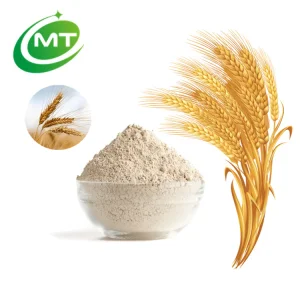
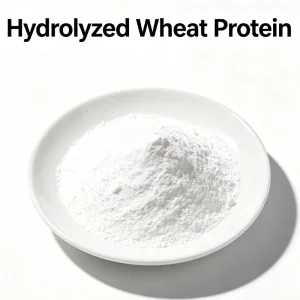
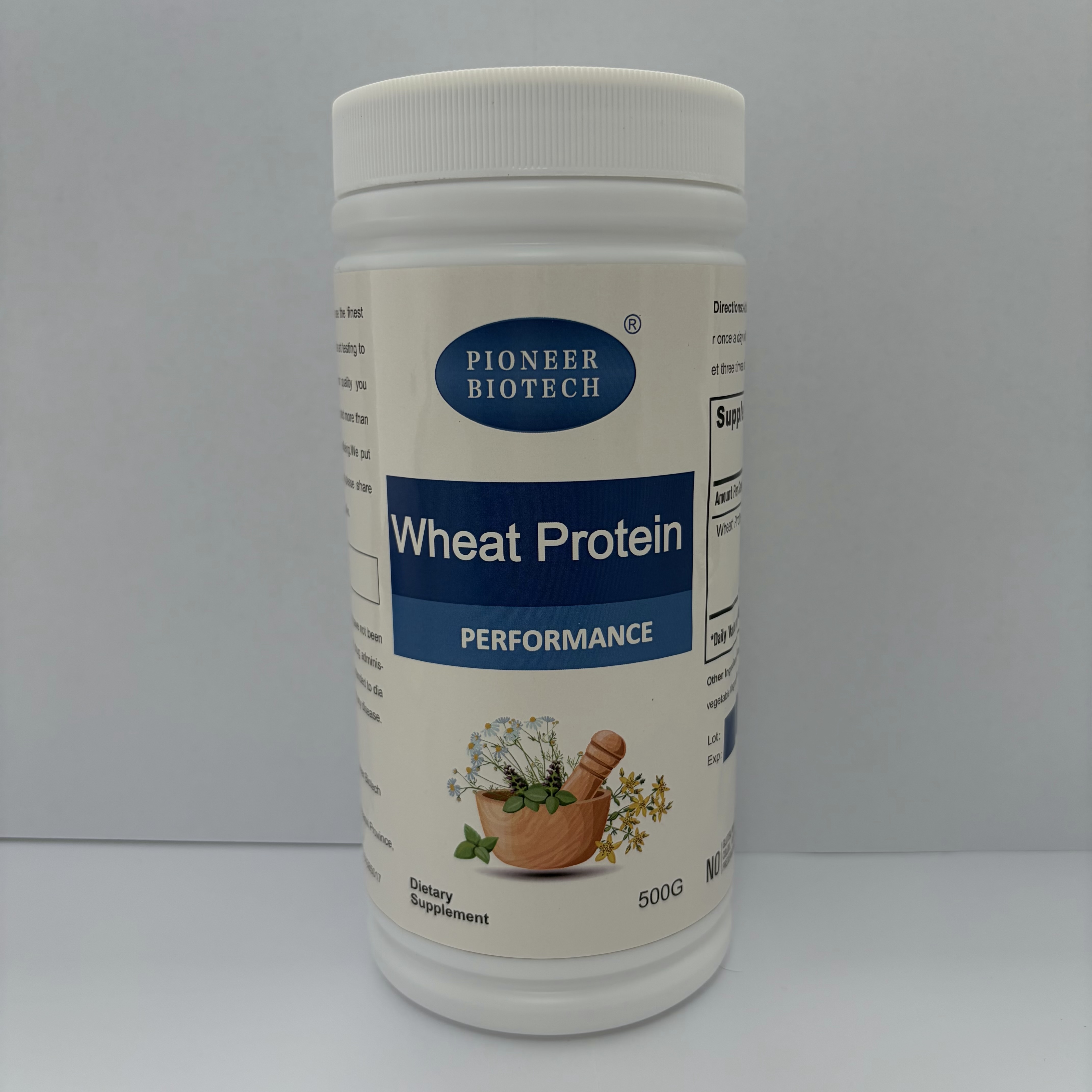
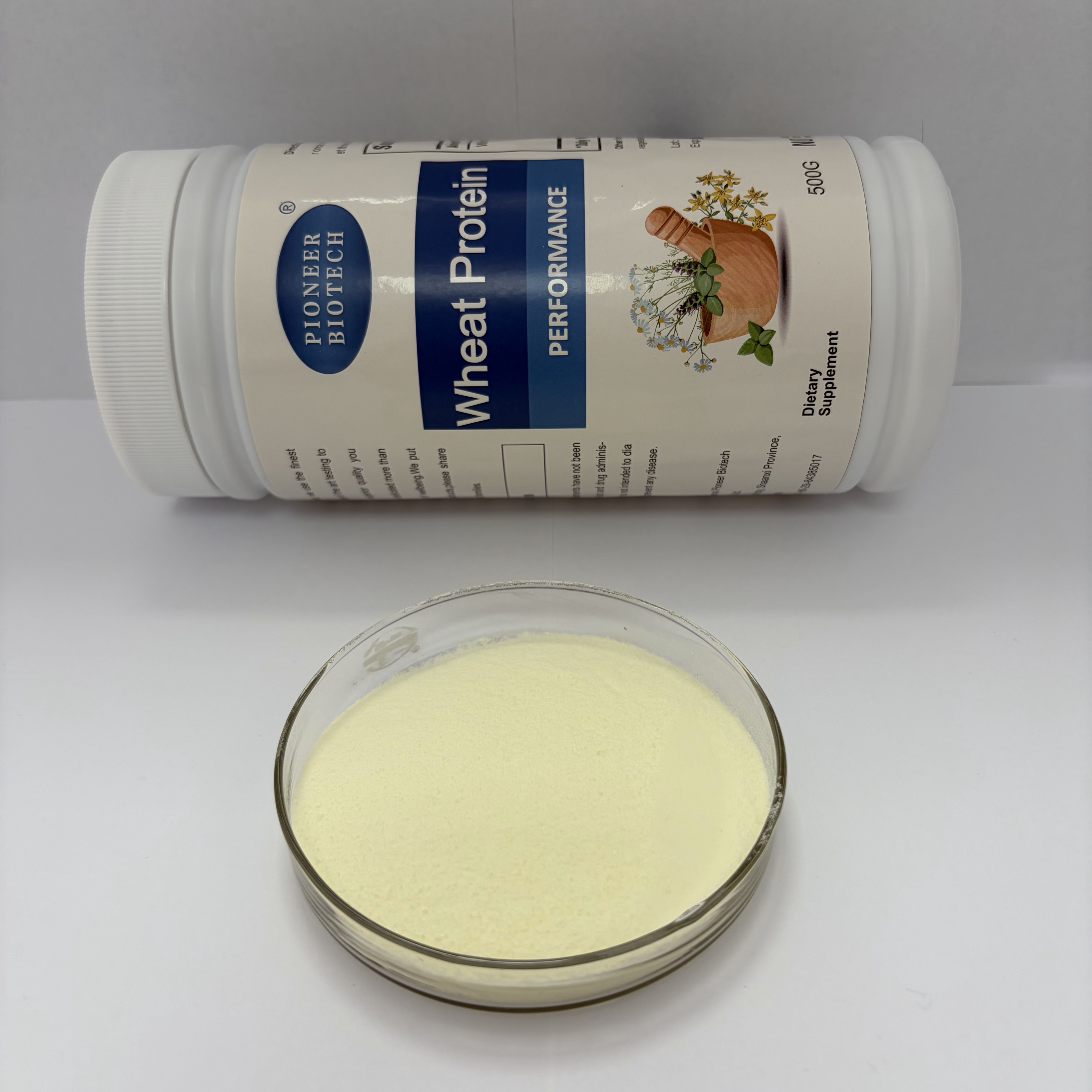
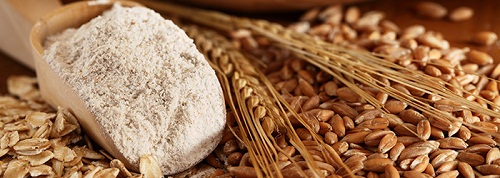
Wheat protein is extracted from wheat by enzymolysis. Wheat contains about 13% protein, which is mainly composed of albumin, globulin, gliadin, and glutenin, while wheat gluten mainly contains melolin and glutenin, collectively known as storage protein (accounting for 80% of the dry basis of wheat protein). Due to the malleability of melolin, wheat gluten has elasticity and can form a network structure with water, giving it excellent viscoelasticity, extensibility, water absorption, liposuction emulsification, film-forming characteristics, and a light mellow flavor or slightly grain flavor along with other unique physical characteristics.
The protein content of different wheat varieties varies. The protein content of general wheat accounts for 8%-16% of the total grain weight, and the protein content of flour is 8%-15%. Wheat protein can be divided into albumin, globulin, glutenin, and glutenin according to its solubility. Albumin accounts for 3% ~ 5% of the total wheat protein, mainly existing in the embryo, soluble in water and dilute salt solution, with poor thermal stability and variability at 60°C. Globulin accounts for 6% ~ 10% of wheat protein, soluble in 10% NaCl, and insoluble in water. Melolated gluten accounts for 40% ~ 50% of the total wheat protein and is the main protein of wheat, insoluble in water and neutral salt solution, but soluble in 70% ~ 90% ethanol. Glutenin accounts for 30% ~ 40% of the total wheat protein, insoluble in water or ethanol, and soluble in acid or alkali solutions. Melolated gluten and glutenin are the main components of gluten protein, which are the main indexes to evaluate wheat flour.
Wheat proteins can be divided into monomer proteins (consisting of one peptide chain) and aggregate proteins (consisting of more than two peptide chains) according to the number of constituent peptide chains. About 85% of the aggregate protein is glutenin, while the monomer protein is mainly composed of glutenin, albumin, and globulin. Albumin and globulin are mainly deposited in the embryo and aleurone layer, with a small part existing in the endosperm. The molecular weight of albumin and globulin is 12 ~ 60 kDa, containing more lysine, tryptophan, and methionine. They are enzyme proteins in cells, involved in various metabolisms, and have a good nutritional balance, which determines the nutritional quality of wheat.

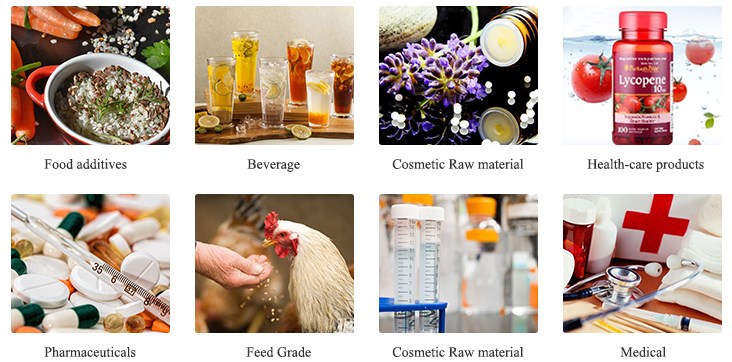
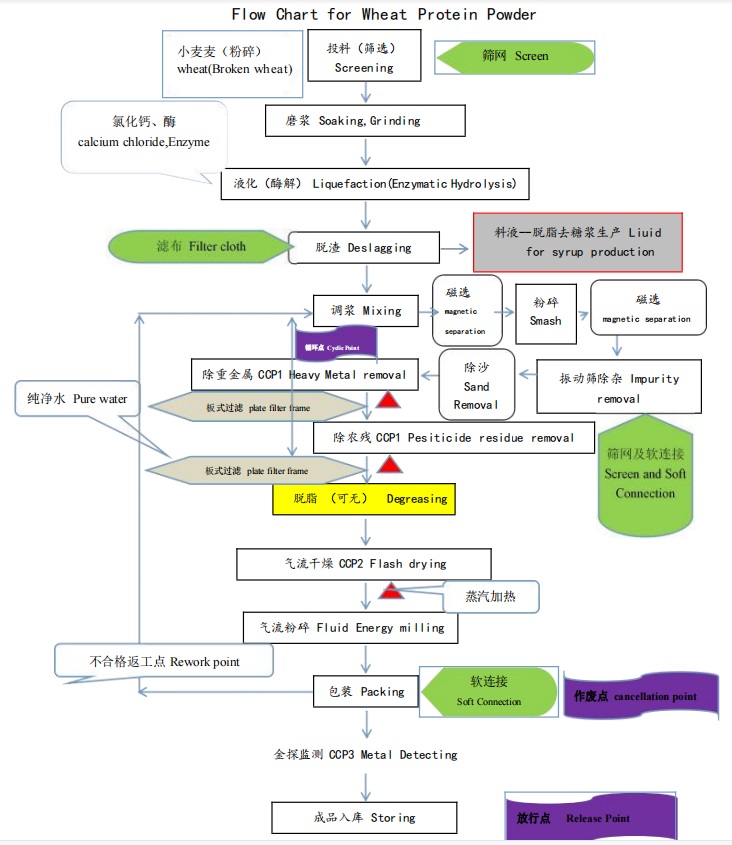
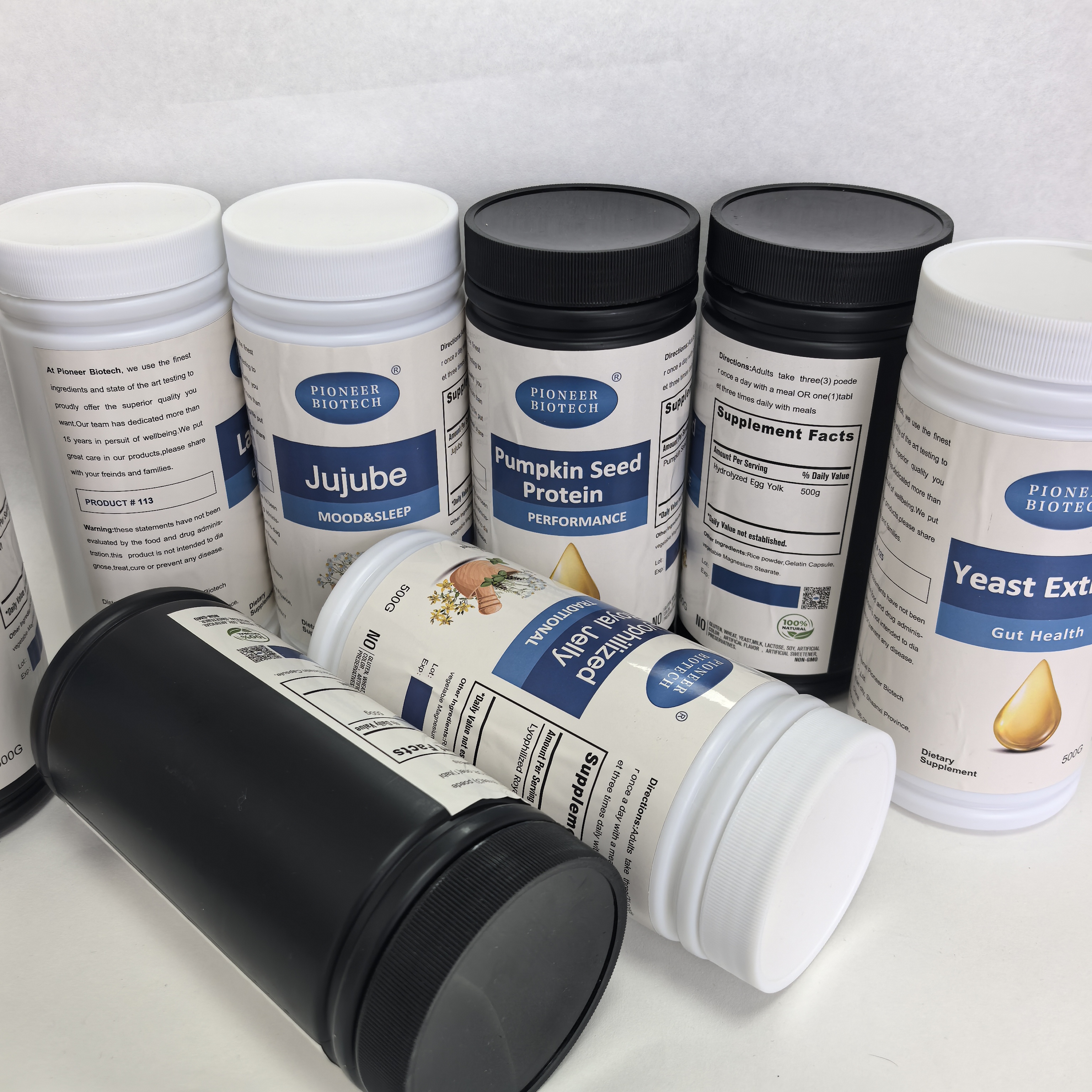

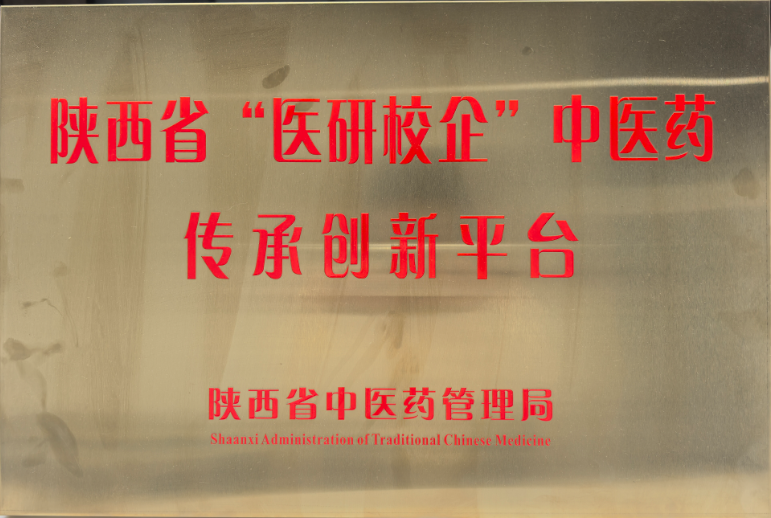
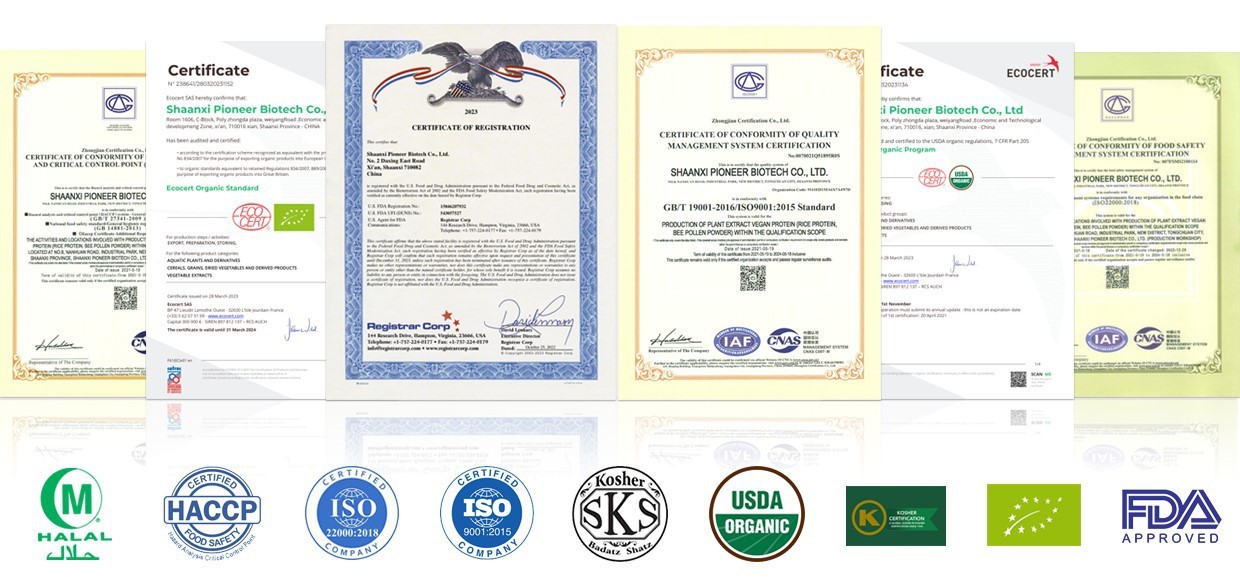
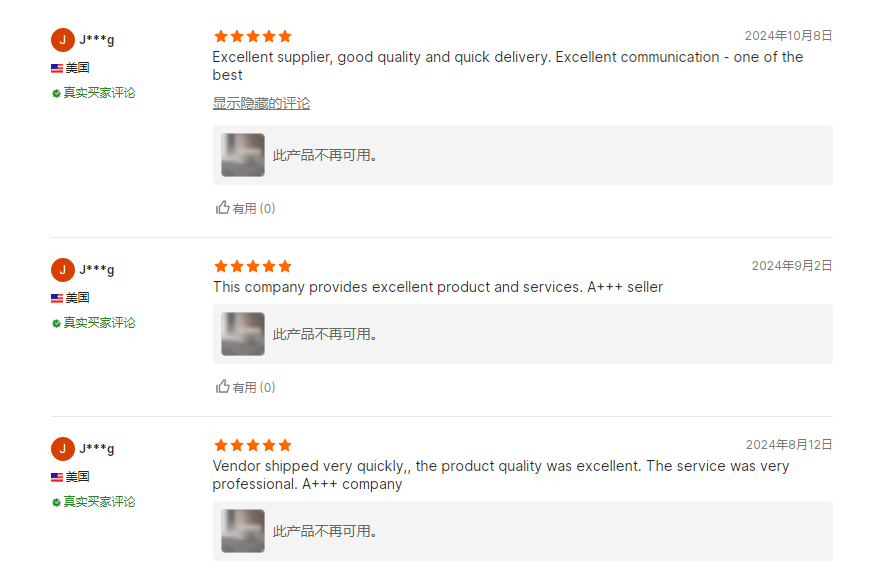
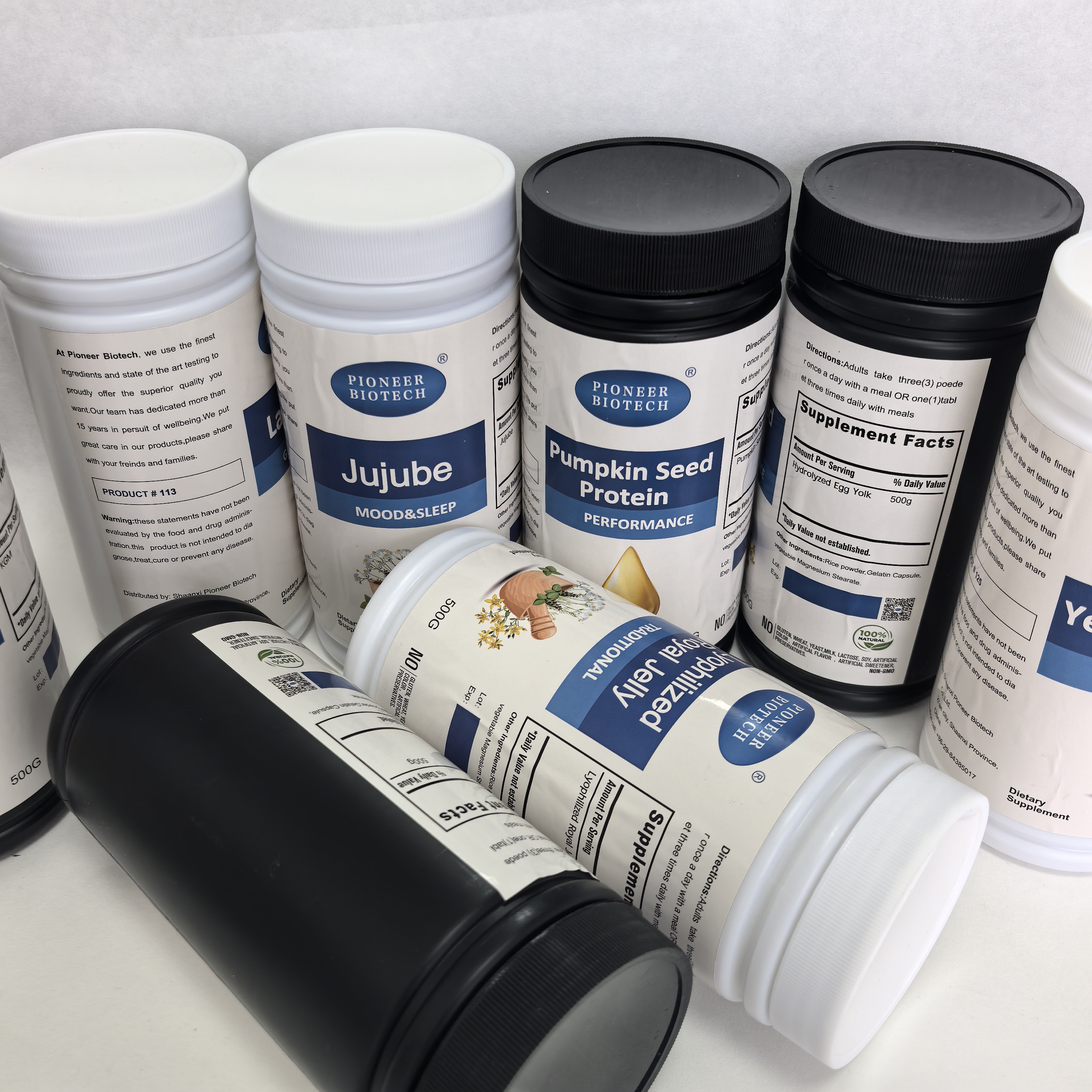
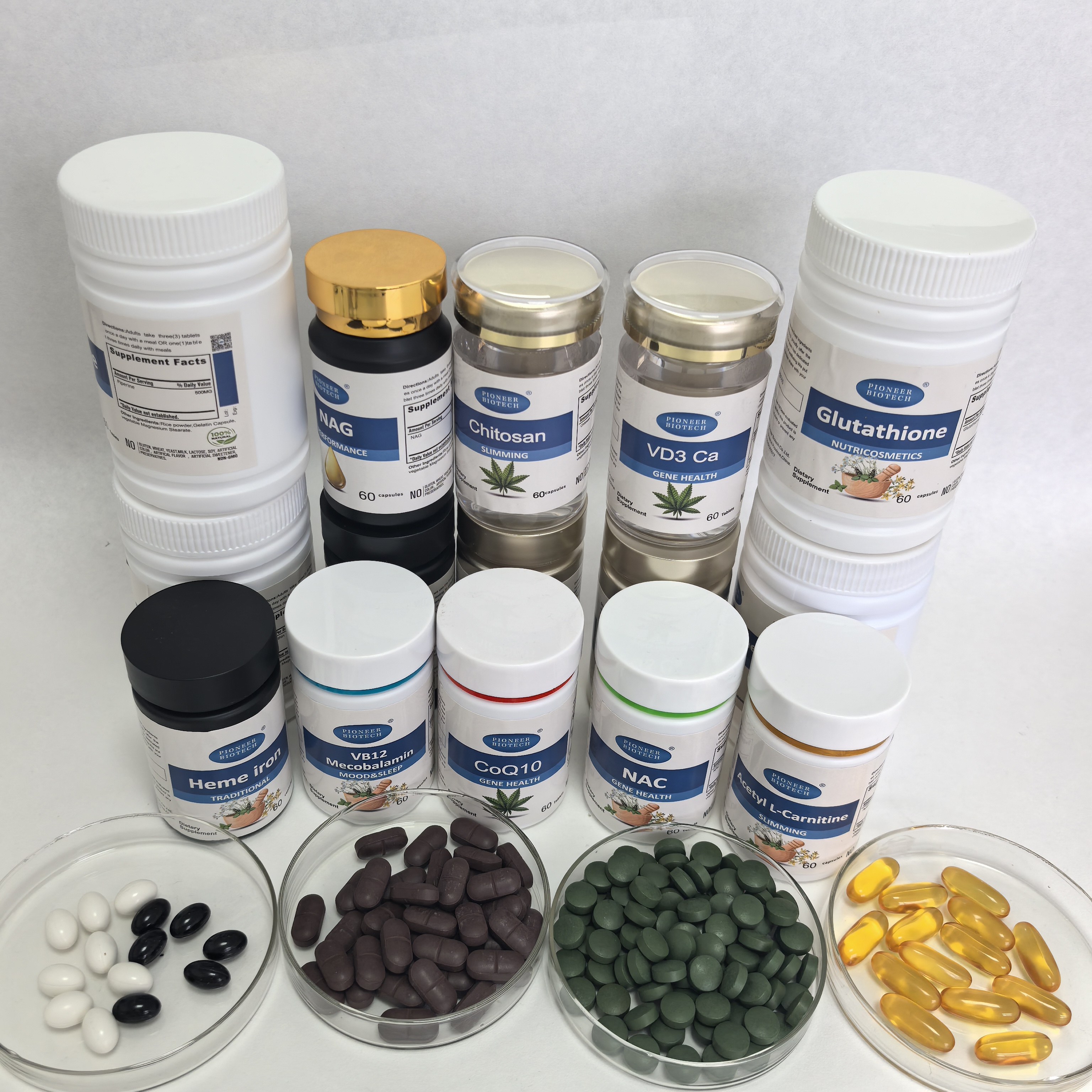
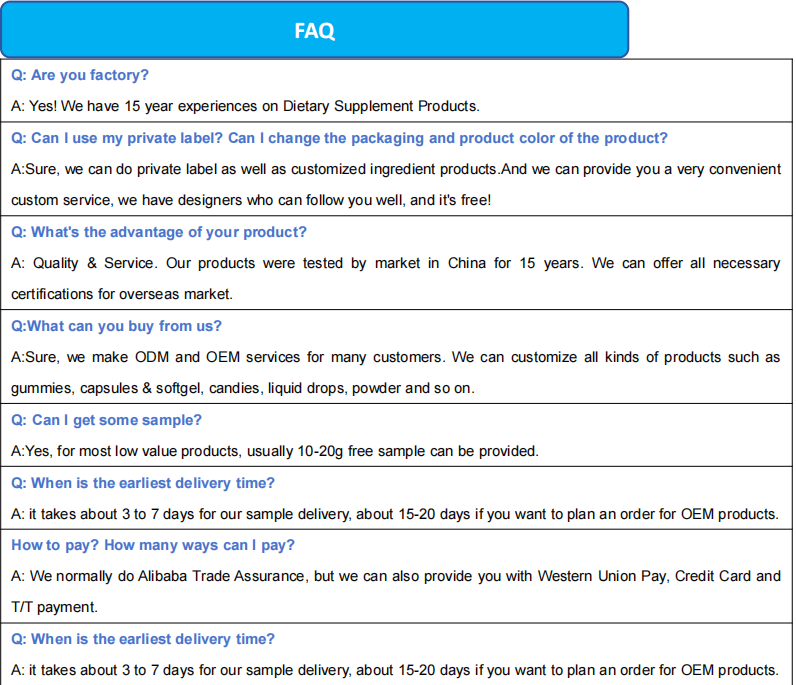
Having been deeply engaged in the health industry for many years, the production layout relies on integrated independent R&D and production, backed by modern manufacturing plants. Equipped with internationally advanced production machinery and automated production lines, the facilities cover the entire manufacturing process, from raw material selection and processing to finished product inspection, meeting the large-scale production requirements of various health products. These robust independent production capacities allow for flexible adaptation to market order demands while providing a solid guarantee for product innovation, upgrades, and quality control.
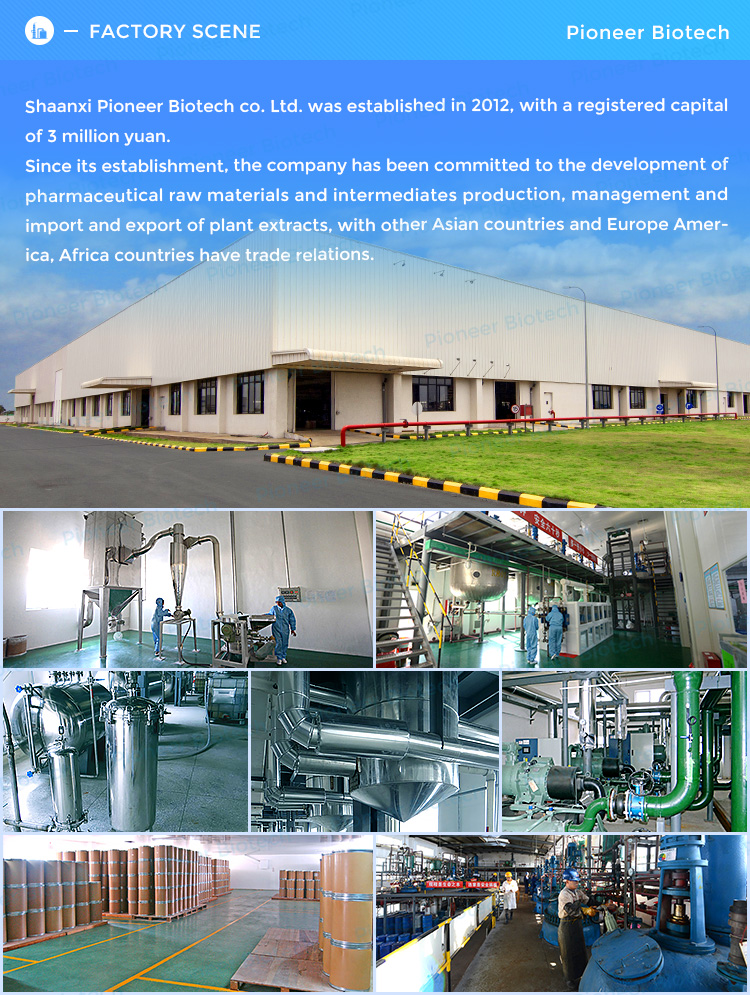
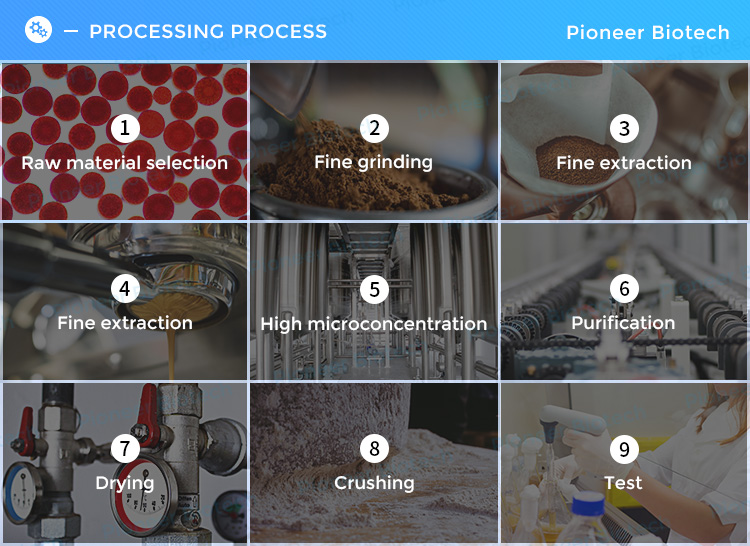
Comprehensive OEM and ODM services are fully supported, providing custom formulations, flexible packaging options, and tailored product specifications to meet diverse brand and market requirements.
Q1: How is wheat protein extracted and what is its composition?
A1: Wheat protein is extracted from wheat through enzymolysis. It contains roughly 13% protein, mainly consisting of albumin, globulin, gliadin, and glutenin. Together, melolin and glutenin make up about 80% of the dry basis of wheat protein, which serves as the storage protein.
Q2: What physical properties make wheat gluten highly versatile?
A2: Thanks to the malleability of melolin, wheat gluten possesses high elasticity and can form a strong network structure with water. This offers excellent viscoelasticity, extensibility, water absorption, film-forming traits, and a light mellow flavor profile.
Q3: How does hydrolyzed wheat protein function in cosmetics and hair care?
A3: It serves as a skin conditioner that provides deep moisturization and antioxidant effects, helping to slow down wrinkle formation. In hair care products, hydrolyzed wheat protein helps control and maintain frizz while acting as a supportive, multi-functional additive.
Q4: Are there health benefits related to incomplete hydrolysis of wheat protein?
A4: Yes. Incomplete hydrolysis yields bioactive peptides that can promote insulin secretion to regulate blood sugar, inhibit angiotensin enzymes to manage blood pressure, and boost the immune system by stimulating lymphocyte proliferation.
Q5: Can wheat protein assist with digestive or nerve regulation?
A5: Wheat protein contains a high level of glutamide, which plays a role in nerve regulation. Additionally, it serves as a highly specific nutrient that can assist with recovery in cases of intestinal dysfunction.
Q6: What customization services are available for manufacturing?
A6: Comprehensive OEM and ODM services are fully supported. With a modern, automated manufacturing setup, standard production lines can adapt to customized formulation requirements, special packaging, and diverse order volumes.